Iron removers and manganese removers are used to remove iron compounds and manganese salts from water, which are very often present especially in well water. Their use helps improve the quality of utility water, reduce the formation of stains, and increase the comfort of everyday use of the home water system.
Modern devices available in this category include both classic iron and manganese removal systems, as well as multifunctional solutions that also help deal with a wider range of problems typical of well water. This is a practical choice for homes using a private water source and for users who want to treat water effectively and economically.
CALCULATE BEFORE YOU CHOOSE
Useful calculators
Check the key values before choosing a solution.
01Estimate water consumptionEstimate household use before choosing system capacity.Open calculatorCollapse calculator→
Estimate water consumption
Water-use calculator
Estimate monthly and yearly use from explicit, editable inputs.
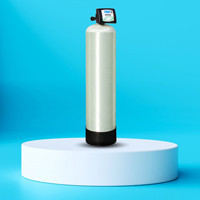
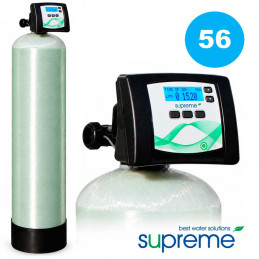
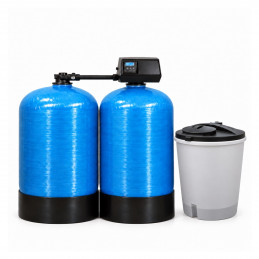
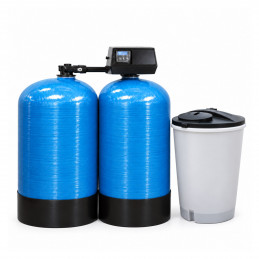
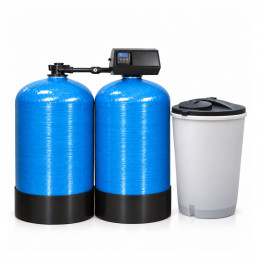
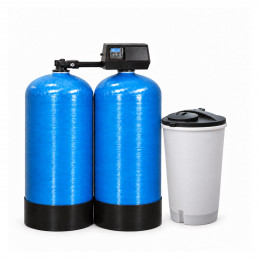
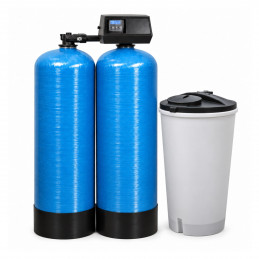
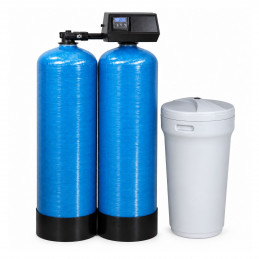
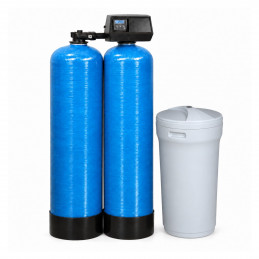
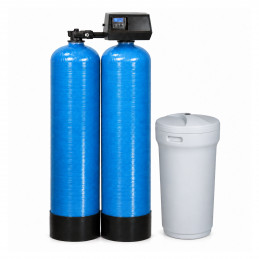
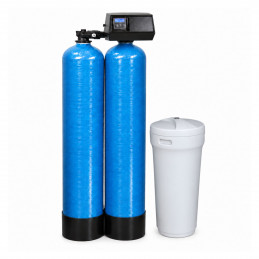
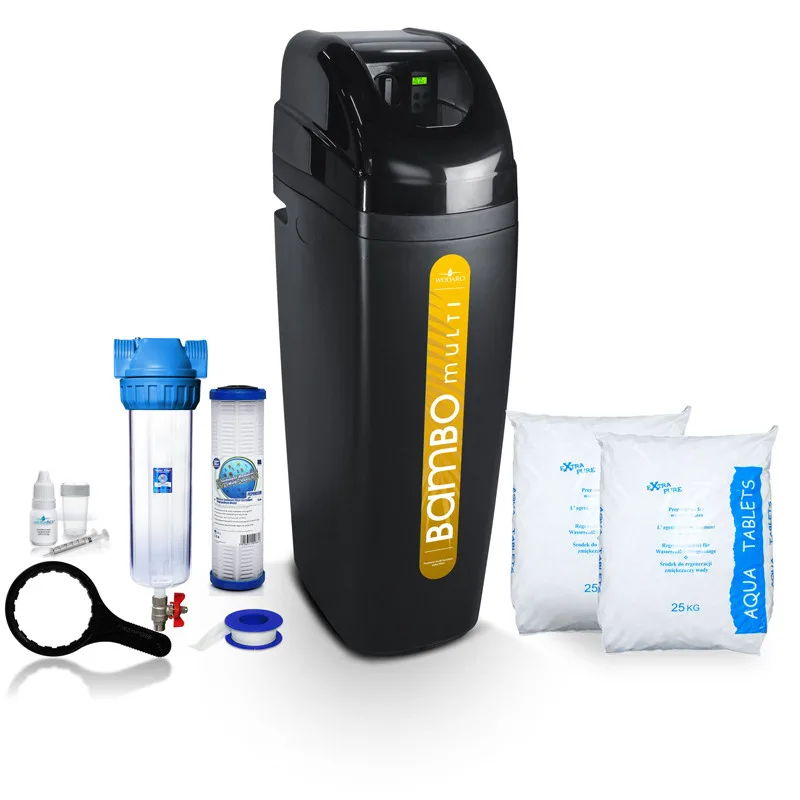
OXYLINE PLUS 56 Supreme is a modern, eco-friendly station for removing iron and manganese and reducing hydrogen sulfide. During regeneration, the device draws in air and creates an air cushion in the tank, allowing it to operate without additional aeration and without the use of chemicals for regeneration. Automatic time control, CLACK valve, and Katalox Light media ensure convenient and effective operation even at low pH (from 6.0).
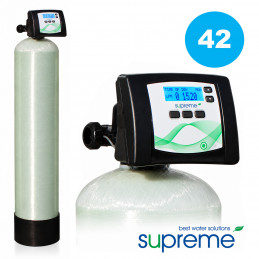
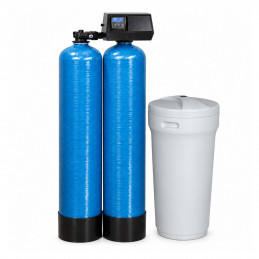
OXYLINE PLUS 42 Supreme is a modern, eco-friendly iron and manganese remover with hydrogen sulfide reduction. During regeneration, the device draws in air and creates an air cushion in the tank, which aerates the water without the need for an additional aerator. It operates automatically thanks to the electronic controller and CLACK valve, without the need for chemicals for regeneration. It works with diaphragm and flow pumps.
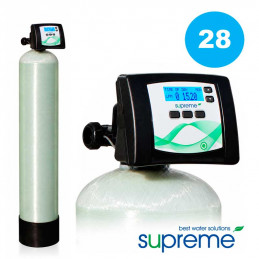
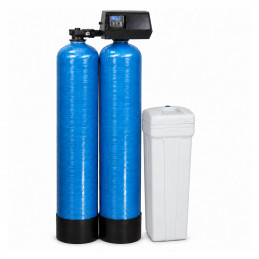
OXYLINE PLUS 28 Supreme is a modern, eco-friendly station for removing iron, manganese, and hydrogen sulfide from water. During regeneration, the device draws in air and creates an air cushion in the tank, ensuring effective aeration without additional aerators. It operates automatically thanks to electronic time control and a CLACK valve. It works with diaphragm and flow pumps.
Water from a private source very often requires more thorough treatment than municipal water. Excess iron and manganese can worsen its taste, smell, and appearance, and also contribute to the formation of stains, deposits, and faster wear of fixtures and household appliances. That is why properly selected iron removers and manganese removers are such an important part of installations in homes using well water.
In this category, you will find solutions designed for the effective removal of iron compounds and manganese from water. These are devices that help improve the quality of utility water, increase the comfort of everyday use of the system, and reduce problems characteristic of well water.
What will you find in this category? Iron removers and manganese removers for water used mainly with private water sources, including deep wells. Their purpose is to remove excess iron and manganese, improve water quality, and protect fixtures and household appliances. The category also includes modern multifunctional devices that can help solve a broader range of problems occurring in well water.
Systems for removing iron and manganese from well water and private water sources.
Why is it worth using iron removers and manganese removers for water?
Excess iron and manganese in water affects not only its appearance but also the everyday use of the system. A properly selected treatment system helps reduce many troublesome problems and improve household comfort.
Removes iron compounds and manganese salts from water.
Helps reduce yellow stains and streaks on fixtures and sanitary equipment.
Improves the taste and smell of water, eliminating unpleasant sensations during everyday use.
Protects household appliances from corrosion and helps extend their service life.
Helps lower maintenance and repair costs for the system and household appliances.
Increases the comfort of water use throughout the entire household.
In selected models, it may also support water softening thanks to the use of softening resins.
What does iron and manganese removal from water involve?
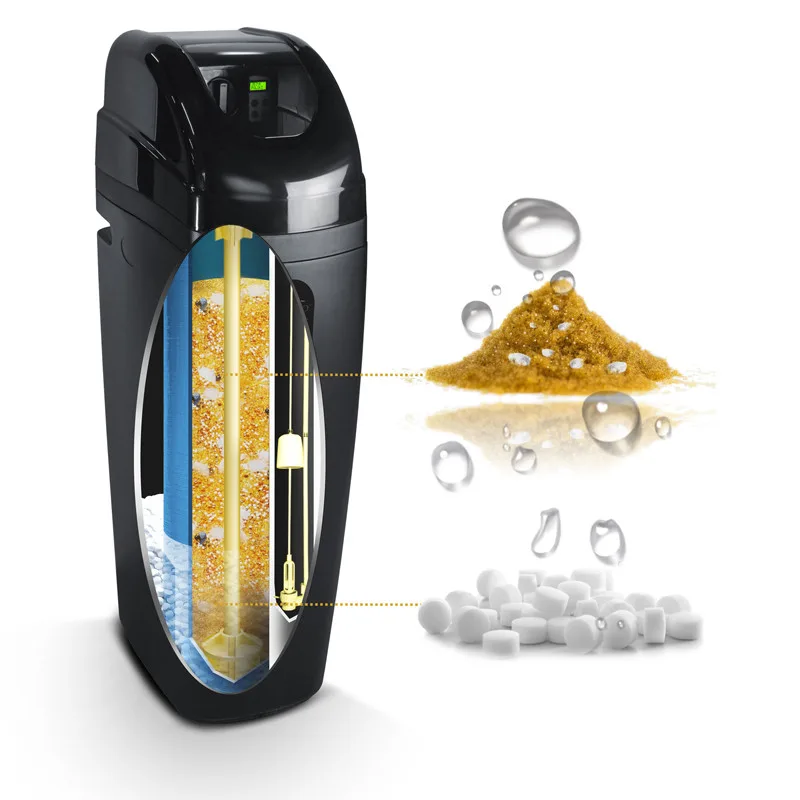
The iron removal process is based, among other things, on water aeration. This is an important stage because aeration causes iron oxidation, making its removal easier. These compounds are then retained and removed in the next stage of the system's operation, including during media regeneration.
Modern filters and filter media used in iron removers allow for the effective precipitation of iron from water. Systems designed for manganese removal work in a similar way, which is why devices combining both functions are very often used. This is a practical solution for households where water analysis shows elevated concentrations of both iron and manganese.
When is an iron remover or manganese remover especially needed?
Such devices are particularly recommended when the water comes from a private source and its parameters differ from expectations. The problem of excess iron and manganese often occurs in well water, including deep wells.
Treating water from a private source helps improve its utility parameters.
The need to use an iron remover or manganese remover may be indicated by, among other things:
yellow or brown stains on fixtures, ceramics, and sanitary equipment,
deteriorated taste and smell of water,
deposits appearing in the system and on equipment components,
elevated iron and manganese content confirmed by water testing,
the desire to protect household appliances and improve water quality throughout the home.
How to choose a filter for a deep well?
The selection of a treatment system should be based primarily on the actual water parameters and the needs of the household. In practice, it is worth paying attention to several key issues.
Perform a water quality analysis – before purchase, check the content of iron, manganese, and other compounds that may affect water quality.
Choose the right type of iron removal filter – water test results help determine whether a classic iron remover, manganese remover, or multifunctional system is needed.
Match the size and capacity of the device – the system should meet the needs of the entire household.
Pay attention to the amount of media – a properly selected amount of media affects performance and reduces the need for frequent regeneration.
Check ease of use and maintenance – modern devices often have automatic regeneration functions, which makes everyday use easier.
What is worth knowing about system operation?
Iron removers and manganese removers are designed to work effectively and as conveniently as possible for the user. Many modern solutions use automatic regeneration processes that reduce the need for manual operation. However, the frequency of regeneration depends on several factors, primarily the amount of media, water parameters, and system capacity.
For most households, regeneration is performed every few months to maintain high operating efficiency. A properly selected system makes it possible to achieve good treatment efficiency with economical operation.
Important tip: if water from a private source also contains other undesirable contaminants, it is worth considering additional treatment methods. In practice, these include filter media and multifunctional filtration, and in some cases the need to reduce the presence of bacteria and viruses is also taken into account.
The most important information at a glance
Area
Information
Main application
Removal of iron compounds and manganese salts from water.
Typical water source
Water from wells and private water sources, including deep wells.
Operating basics
Water aeration, iron oxidation, and filtration using filter media.
Operation
Efficiency depends, among other things, on the amount of media, water parameters, and system capacity.
Benefits
Better water quality, fewer stains, appliance protection, greater comfort of use.
Additional solutions
Multifunctional devices are also available that help solve more problems typical of well water.
Selected models
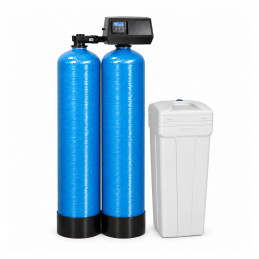
Some devices can simultaneously remove iron, remove manganese, and soften water.
An investment in better water every day
An iron remover for deep well water or a system combining iron and manganese removal is a solution that translates into the everyday comfort of household members. Cleaner water without unpleasant tastes and smells, fewer deposits, and better protection for the system and appliances make it an investment that is felt for many years.
If you want to improve the water quality in your home, it is worth starting by checking its parameters and then selecting a device tailored to actual needs. This makes it easier to achieve effective and economical treatment of water from a private source.
FAQ - frequently asked questions
What does iron and manganese removal from water involve?
It is a water treatment process aimed at removing excess iron and manganese. In practice, it uses, among other things, water aeration, iron oxidation, and filtration through suitable media.
Where does the problem of iron and manganese in water most often come from?
The problem very often concerns water from wells and private water sources, including deep wells. The parameters of such water may vary, so it is worth performing a water quality analysis before selecting a device.
What symptoms may indicate that an iron remover is needed?
Typical signs include yellow or brown stains on fixtures, deposits in the system, deteriorated taste or smell of water, and test results confirming elevated iron or manganese content.
How does an iron remover work?
An iron remover works, among other things, on the principle of water aeration. Aeration causes iron oxidation, followed by its precipitation and removal using appropriate filter media and the regeneration process.
How often should the media in an iron remover be regenerated?
The frequency of regeneration depends on the amount of media, water parameters, and system capacity. For many households, regeneration every few months is recommended to maintain optimal operating efficiency.
Are iron removers difficult to use?
No. Modern devices are usually designed for convenient use, and many models have automatic regeneration functions that reduce the need for manual operation.
Does an iron remover soften water?
Not every one, but many modern devices can be equipped with softening resins. In such models, it is possible to simultaneously remove iron and manganese and soften water.
How to choose a filter for a deep well?
It is best to start with a water test. Based on the results, you can choose the appropriate type of device, its capacity, the amount of media, and the method of operation and regeneration.
Does an iron remover help protect household appliances?
Yes, removing excess iron and manganese helps reduce deposits, stains, and the risk of faster wear of system components and household appliances. This translates into greater appliance durability and more convenient water use.
When using well water, is it worth considering other treatment methods as well?
Yes, because water from a private source may also contain other undesirable compounds. Depending on the test results, additional filter media, multifunctional filtration, and, if necessary, solutions supporting the reduction of bacteria and viruses are also used.