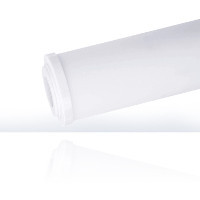
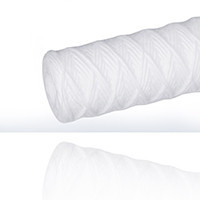
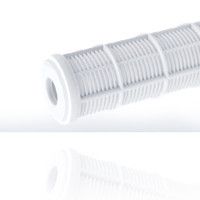
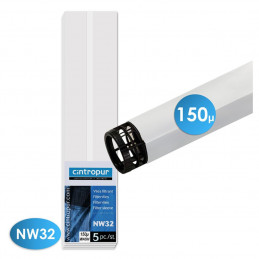
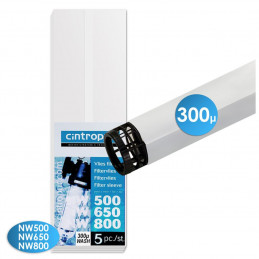
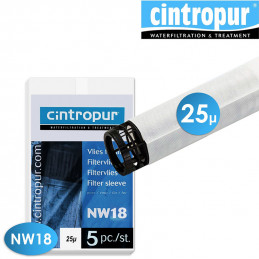
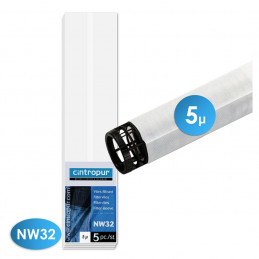
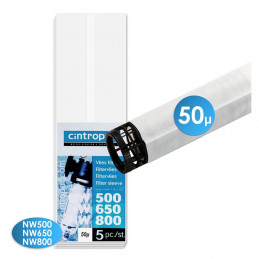
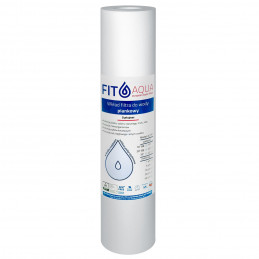
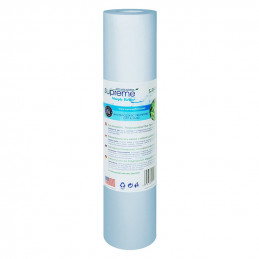
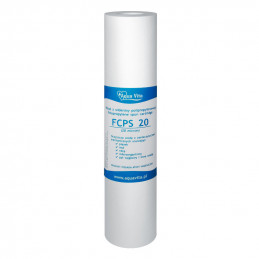
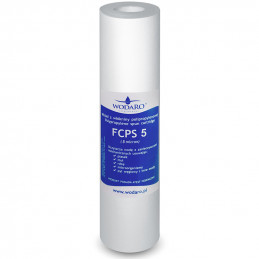
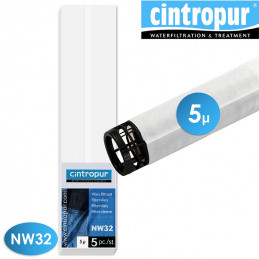
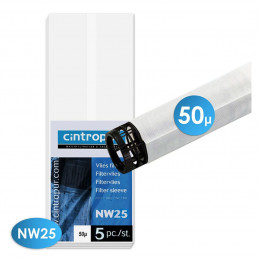
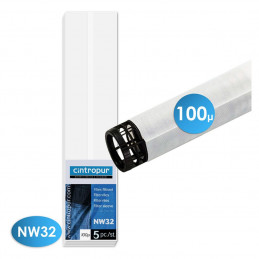
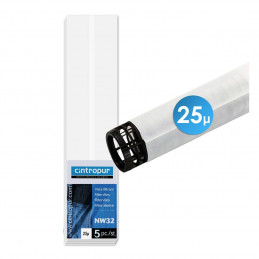
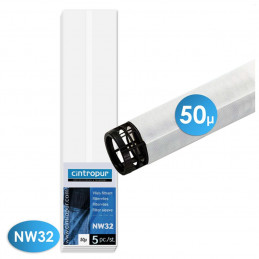
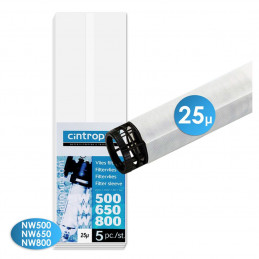
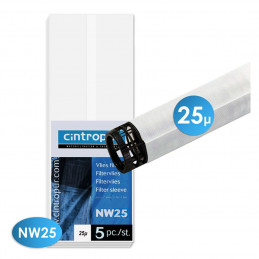
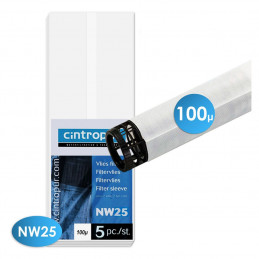
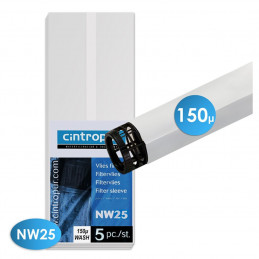
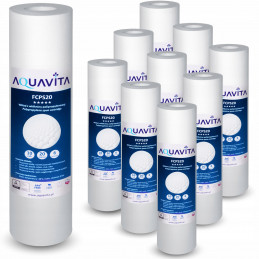
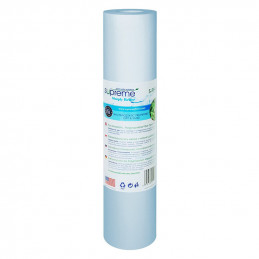
Mechanical filtration is one of the basic stages of water treatment in homes, businesses, and utility installations. Its task is to capture physical contaminants that reduce water clarity and may affect the operation of subsequent elements of the filtration system. This category includes solutions designed for everyday mechanical filtration as well as cartridges and designs used for the initial purification of water.
What will you find in this category?
Mechanical water filters are used to remove physical contaminants such as sand, silt, rust, fibers, or organic sediment. They work by passing water through a filtration material that retains solid particles while allowing purified water to flow through. Popular solutions include mesh filters, models with a rinsable steel mesh, filters with reusable replaceable cartridges, and inline filter housings, also referred to as flow-through inline filters.
What is a mechanical filter used for?
A mechanical water filter is a device designed to remove physical contaminants from water. The most commonly retained deposits include sand, silt, rust, fibers, and organic sediment. As a result, the water becomes clearer and better prepared for consumption or further household use.
The operating principle is simple: water flows through a filtration material that retains unwanted solid particles. Mechanical filtration is an extremely important element of water treatment because it constitutes the first stage of protecting the installation and other elements of the filtration system.
According to the information in the current category content, a mechanical filter cartridge does not affect water pressure, even if it becomes dirty. This is one of the features highlighted for this type of filtration.
Key benefits of mechanical filtration
Mechanical water filters are an important element of water installation filtration systems. Their use helps organize the first stage of treatment and improve the quality of water used every day.
- effective retention of solid contaminants present in water,
- improved water clarity for household use,
- preparation of water for more advanced filtration and treatment processes,
- protection of downstream installation components and filtration systems from sediment,
- the ability to match the type of filter to the type of contaminants and the expected operation.
Popular types of mechanical water filters
Mesh mechanical filters
Mesh mechanical filters are among the most popular models used in mechanical filtration. They work by passing water through a mesh that retains larger solid contaminants. This solution is often chosen where the goal is the quick and effective separation of visible sediment from the water stream.
Mechanical filters with a rinsable steel mesh
Models of this type are equipped with a steel mesh that can be cleaned regularly by rinsing. Their advantage is the effective retention of larger contamination particles such as sand or stones. This is a practical solution where convenient operation and the possibility of periodic cleaning of the filtration element matter.
Mechanical filters with reusable replaceable cartridges
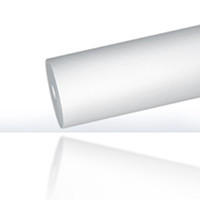
This type of filter is equipped with replaceable filtration cartridges that can be used multiple times after cleaning. As a result, they are an economical and environmentally friendly solution. Depending on needs and the type of contaminants, the cartridges may be made of materials such as glass fiber, polypropylene, or ceramic.
Inline water filter housings and flow-through inline filters
An inline water filter consists of a cylindrical housing with an internal mesh or other filtration material. Water flows through the inside of the filter, and contaminants are retained by the filtration material. Inline filters are an effective solution for removing both larger and finer contamination particles.
How to choose the right mechanical filter?
The choice of the right model depends on several practical factors. In this category, it is worth paying attention not only to the type of filter itself, but also to its operating method and the expected filtration range.
- Type of contaminants – one solution will work better for sand and stones, while another will be better for finer sediment.
- Cleaning method – some models can be rinsed, while others are based on cartridges that are cleaned or replaced.
- Filtration material – depending on the application, cartridges made of glass fiber, polypropylene, or ceramic are available.
- Performance and cost-effectiveness – the choice should take into account the intensity of use and operating costs.
- Place of application – initial filtration can be used both in households and in businesses.
Mechanical filtration as the first stage of treatment
Mechanical filters are very often used as a preliminary stage that prepares water for further treatment processes. Solutions of this type help limit the presence of solid particles even before more advanced filtration. This matters both in simple utility installations and in more extensive water purification systems.
In practice, a well-chosen mechanical filter supports the daily operation of the installation and helps keep water in better condition in terms of clarity. For this reason, it is one of the basic solutions chosen to protect household and business filtration systems.
Key information at a glance
| Area |
Information |
| Application |
Removal of physical contaminants from water |
| Removed contaminants |
Sand, silt, rust, fibers, organic sediment |
| Operating principle |
Water flows through a filtration material that retains solid particles |
| Popular types |
Mesh filters, filters with a rinsable steel mesh, filters with reusable replaceable cartridges, inline filter housings |
| Cartridge materials |
Glass fiber, polypropylene, ceramic |
| Choosing a solution |
Depends on the type of contaminants and requirements regarding performance and cost-effectiveness |
Mechanical water filters in the MojaWoda.com offer
Mechanical water filters are an extremely important element of water installation filtration systems, ensuring the cleanliness and clarity of liquid for household use and beyond. There are many different types of mechanical filters, each with its own advantages and specific applications.
In this category, you can compare solutions tailored to individual needs, the type of contaminants, and requirements regarding performance and cost-effectiveness. If you are looking for an effective solution for everyday preliminary filtration, check out the mechanical water filters available at MojaWoda.com.
FAQ
What is a mechanical water filter used for?
A mechanical filter is used to remove physical contaminants from water, such as sand, silt, rust, fibers, or organic sediment. It is used mainly as a stage of initial water purification.
How does a mechanical filter work?
It works by passing water through a filtration material that retains solid particles. Purified water flows on, while contaminants remain on the surface of or inside the filtration medium.
What contaminants does a mechanical filter remove?
This type of filtration removes primarily physical contaminants, including sand, silt, rust, fibers, and organic sediment. The scope of effectiveness depends on the type of filtration solution used.
Does a mechanical filter improve the taste or smell of water?
The primary task of a mechanical filter is to retain solid particles and improve water clarity. In this category, we are talking mainly about physical filtration, not solutions aimed at changing taste or smell.
What are the popular types of mechanical filters?
Popular solutions include mesh mechanical filters, models with a rinsable steel mesh, filters with reusable replaceable cartridges, and inline filter housings, also called flow-through inline filters.
What distinguishes filters with a rinsable steel mesh?
They are equipped with a steel mesh that can be cleaned regularly by rinsing. They work well for retaining larger contaminants such as sand or stones.
Are reusable cartridges cost-effective?
Yes, because they can be used again after cleaning. This is an economical and more environmentally friendly solution than frequent replacement of disposable elements, provided the given model is designed for such operation.
What materials can filtration cartridges be made of?
The current category content mentions, among others, glass fiber, polypropylene, and ceramic. The choice of material depends on needs and the type of contaminants.
Is a mechanical filter important in the entire water treatment system?
Yes, mechanical filtration is an extremely important element of water treatment. It constitutes the first stage of purification and helps prepare water for further, more advanced processes.
How to choose the right mechanical filter for a home or business?
When choosing, it is worth considering the type of contaminants, expected performance, cleaning method, operating cost-effectiveness, and whether the filter is to work as a standalone solution or as a preliminary stage of the entire filtration system.