UV emitters, burners and UV bulbs for germicidal lamps
Are you looking for reliable UV burners, emitters and UV fluorescent lamps for germicidal lamps? In this category, you will find replacement components for effective water disinfection at home and in business, suited to various systems and applications.
We offer a wide selection of solutions, including UV-C emitters used to remove bacteria and viruses, as well as products from the UV-A and UV-B groups for other applications. These are products from respected brands, distinguished by effectiveness, durability and ease of replacement.
Regular replacement of the UV burner helps maintain the high efficiency of the lamp and complete water purity. Choose the right model for your UV lamp and ensure safe, effective disinfection.
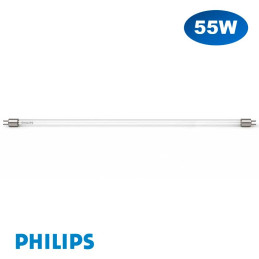
Philips UV-C 55W bulb for UV lamps with a length of 90 cm. Designed for water sterilization in aquaristics and ponds, as well as for devices sterilizing food products and packaging. UV-C emission with a maximum of 254 nm and 185 nm, without ozone production. Average lifespan of about 8-10 thousand hours.
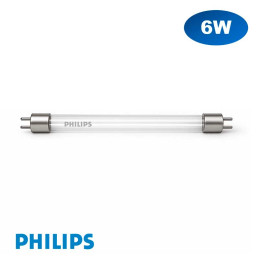
Philips UV-C 6W bulb (UV-C 6W G6) for UV lamps with a length of 210 mm. Designed for water sterilization in aquaristics and ponds, as well as in devices sterilizing food products and packaging. UV-C emission with a maximum of 254 nm and 185 nm, without ozone production. Average lifespan of about 8-10 thousand hours.
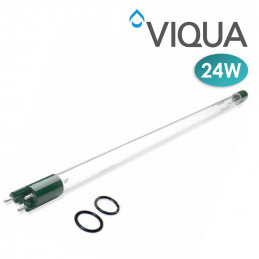
Original UV-C bulb Sterilight S463RL for STERILIGHT S5Q-PA/2 lamp. Emits UV-C germicidal radiation, supporting effective water disinfection and reducing bacteria and viruses by up to 99.9%. Recommended replacement every 12 months to maintain high sterilization efficiency. Power: 24 W.
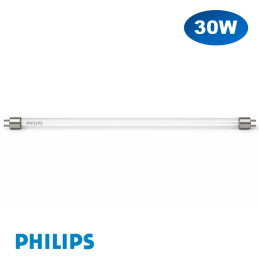
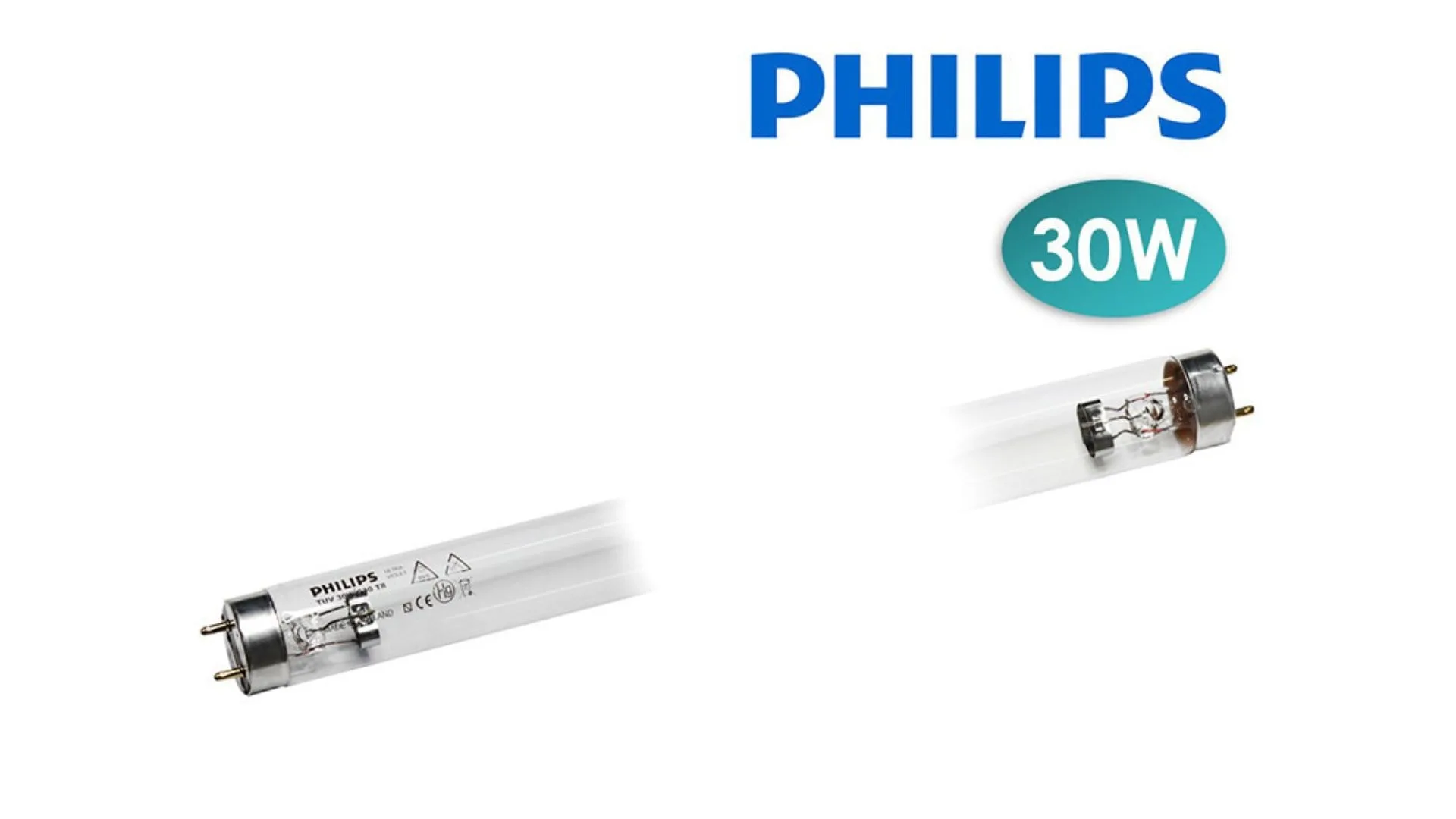
Philips UV-C 30W bulb for UV lamps with a length of 90 cm, designed for water sterilization in aquariums and ponds, as well as in devices for disinfecting products and packaging. It emits UV-C radiation with a maximum of 254 nm and 185 nm, without producing ozone. Average lifespan: approx. 8-10 thousand hours.
A UV emitter is one of the most important components of a germicidal lamp. It is the part that emits ultraviolet radiation responsible for effective water disinfection and, depending on the application, also air or surface disinfection. If you want to maintain high UV system efficiency, choosing the right burner and replacing it regularly is crucial.
In this category, you will find UV emitters, burners and UV bulbs for germicidal lamps, designed for effective water disinfection at home and in business. The range includes solutions with different power ratings, including 6W, 24W, 30W and 55W, as well as products from renowned brands such as Philips and Viqua. In water treatment systems, UV-C emitters are most commonly used because they show the strongest effect against bacteria, viruses and other microorganisms.
A properly selected UV burner helps maintain continuous lamp operation and a high level of microbiological protection. It is a solution valued for its effectiveness, ease of use and the lack of need for chemical disinfectants.
Replacement UV burners and emitters for effective water disinfection.
Why is it worth replacing the UV emitter regularly?
Even if the UV lamp is still glowing, the intensity of the emitted radiation decreases over time. This means that the device may still operate, but its disinfection effectiveness will be lower than before. In practice, regular burner replacement helps maintain the full efficiency of the system.
Effective removal of bacteria and viruses using UV radiation.
Safe water disinfection without the use of chemicals.
Protection against biological contamination and reduced risk of microorganism growth.
Low operating costs in everyday use.
Energy efficiency and convenient operation of the UV system.
Long emitter lifespan with proper use.
Easy installation and replacement in many popular germicidal lamps.
What is an emitter and burner for a UV lamp?
A UV emitter is a key component of a lamp that emits ultraviolet radiation necessary for disinfection. A UV lamp burner works similarly to a classic bulb, but instead of ordinary light it produces UV light, which destroys or deactivates viruses, bacteria and other pathogens.
In the water disinfection process, UV-C emitters are most often used because they have the strongest effect and are widely used in filtration systems and home water treatment stations.
Types of UV radiation and their applications
Ultraviolet radiation is divided into three main ranges. Each of them is used in different devices and processes, so when making a purchase it is worth paying attention not only to the power, but also to the intended use of a given emitter.
Dermatological therapy, including psoriasis treatment, applications related to stimulating vitamin D production, lamps for plant and animal breeding.
UV-C
100–280 nm
Water, air and surface disinfection; the solution most commonly used in filtration and water treatment systems.
A UV-C emitter effectively destroys the DNA of microorganisms, making them unable to reproduce. This is exactly why this technology is so widely used in water treatment lamps.
How to choose the right UV burner power?
This category includes burners with power ratings of 55W, 30W, 24W and 6W, among others. The power rating should be selected according to the requirements of a specific lamp or system. In practice, the right power affects how well the burner matches the device and the nature of the installation.
The UV burner power rating should match the requirements of the specific lamp.
55W UV burner – ideal for larger filtration systems, suitable for intensive water disinfection in large homes, businesses and wherever well water is used.
30W UV burner – a popular choice for medium-sized systems, often used in home water treatment stations.
24W UV burner – suitable for smaller devices or where moderate disinfection power is required.
6W UV burner – the smallest power rating, used in more niche applications, for example in aquariums or fountains.
The safest way to choose is to check the designation of the old emitter, the UV lamp model and the device manufacturer's recommendations. The burner should be matched to the specific lamp, not selected solely on the basis of power rating.
When should you replace the UV bulb in the lamp?
The optimal replacement interval is usually every 12 months of use. After that time, the intensity of UV radiation decreases, which may weaken disinfection effectiveness. Regular replacement helps maintain continuous protection against microorganisms.
Signs of wear may include:
reduced water clarity,
no visible effects of the UV system operation,
the recommended emitter operating time has elapsed.
How to check if the UV burner is working properly?
If you are unsure whether the emitter is still operating effectively, you can perform a few basic checks.
Visual inspection – check whether the burner glows evenly, without interruptions in the light.
Banknote test – UV radiation may cause fluorescence of security features on a banknote.
Lifespan check – if the lamp has been operating for more than a year, replacement may already be necessary.
Such a check does not replace the manufacturer's recommendations, but it helps to make a preliminary assessment of the emitter's condition and plan the purchase of a new component.
Safety of using UV emitters and fluorescent lamps
The use of UV emitters and fluorescent lamps is safe, provided appropriate precautions are taken. UV radiation should not act directly on the skin or eyes, so the lamp should be used in accordance with the manufacturer's instructions.
do not look directly at an operating emitter,
do not expose your skin to direct UV radiation,
limit access to the lamp while the device is operating,
always install and replace the burner according to the instructions.
UV burners and emitters in the MojaWoda.com range
In the store, you will find a wide selection of bulbs for UV lamps, including products from renowned brands such as Philips or Viqua. These are proven solutions for water disinfection, chosen for both home and business applications.
If you use a germicidal lamp in a filtration or water treatment system, a properly selected UV emitter helps maintain the high efficiency of the entire setup. Water filters together with UV lamps are an important element of protection against bacteria and other microorganisms present in water.
FAQ – frequently asked questions about UV emitters and burners
How often should the UV burner in a germicidal lamp be replaced?
Most often, replacement is recommended after about 12 months of use. Even if the burner is still glowing, its disinfection effectiveness may already be lower due to the reduced intensity of UV radiation.
Does a glowing UV burner always work effectively?
Not always. The burner may still emit light while generating too little effective UV radiation for full disinfection. That is why it is worth following the recommended replacement interval, not just the fact that it still glows.
What type of UV radiation is used for water disinfection?
UV-C is most commonly used for water disinfection. This radiation range has the strongest effect and effectively deactivates bacteria, viruses and other microorganisms.
How to choose the right burner for a UV lamp?
It is best to check the lamp model, the designation of the old emitter and the device manufacturer's recommendations. The key is to match the burner to the specific lamp, rather than choosing solely on the basis of power rating.
What do the power ratings 6W, 24W, 30W and 55W mean?
These are example power ratings of UV burners available for different devices. 55W is usually used in larger systems, 30W in medium installations, 24W in smaller devices, and 6W in niche applications such as aquariums or fountains.
How to check if a UV burner is worn out?
You can perform a visual inspection, check the evenness of the glow, carry out a simple fluorescence test, for example with a banknote, and assess how long the emitter has been operating. If about a year has passed, replacement may be necessary.
Are UV emitters safe to use?
Yes, provided they are installed correctly and used according to the instructions. Do not expose skin or eyes to direct UV radiation, and access to the lamp should be restricted while it is operating.
Does a UV burner remove bacteria and viruses without using chemicals?
Yes, this is one of the most important advantages of UV lamps. Disinfection takes place without the use of chemical agents, which makes this solution convenient and widely used in water treatment systems.
Are UV emitters suitable only for water?
No. Depending on the type of radiation and the device design, UV emitters can also be used for air and surface disinfection, while UV-A and UV-B also have other specialist applications.