
- There are no more items in your cart
- Shipping
- Total 0.00 zł



- Bestsellers
- Wholesale
- Water filters
- Whole house filters
- Kitchen filters
- Bathroom filters
- Aquarium filters
- Reverse osmosis
- Water demineralizers
- Filter cartridges
- UV bactericidal lamps
- Alkaline water ionizers
- Industrial water filters
- Accessories, parts, and others
- Descaling filters for the coffee machine
- Water softeners and iron removers
- Water saturators
- ACES
- AMBERLITE
- AQUA VITA
- AQUAFILTER
- AQUAPHOR
- AQUATOR
- BASSAU
- BERG
- BIOCERA
- BIONIQ
- BLUEFILTERS
- CHEMOFORM
- CINTROPUR
- DAFI
- DELONGHI
- DIAMOND
- DOM WODY
- ECOWATER
- FILMTEC
- FIT ALCO
- FITAQUA
- GREEN FILTER
- HANNA INSTRUMENTS
- HELIXPRO
- HELLO PURE
- HIDROTEK
- HM-DIGITAL
- HONEYWELL
- Ibo
- JAVEL
- KLARWOD
- KRUPS
- MIDEA
- OTOWODA
- OTTONE
- Palintest
- PENTAIR
- PHILIPS
- PLATINUM WASSER
- PUROLITE
- SIEMENS
- Steingraf
- SUPREME
- TAB-SOL
- TOP FILTER
- UST-M
- USTM
- VONTRON
- WODARO
-
PayU

Tips
-
The water in the osmosis system is constantly flowing to the sewage - what to do?
-
Hydrogen water – effects, benefits, reviews – is it a scam?
-
Reverse osmosis - operating costs
-
Elimination of chlorine from water – why is it worth doing?
-
Pesticides in water - what they are, health risks, how to remove them
-
The water in the osmosis system is constantly flowing to the sewage - what to do?
-
Organic compounds in water – harmfulness, removal, and where do they come from?
-
Ammonia in water – where does it come from, is it harmful, and how to remove it?
-
Water filtration - why? Hit or miss?
-
Drinking water - effects after a month, skin and weight loss
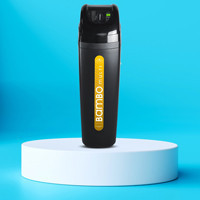
Multifunctional stations for water treatment
Water treatment system is a device designed to improve water quality by removing various contaminants such as iron, manganese, or hydrogen sulfide, as well as by softening hard water. As a result, the water becomes safer to drink and more convenient for everyday use at home or in a business.
Multifunctional stations combine several treatment functions in one device. Depending on the solution, they may use different technologies, including mechanical, chemical, and biological filtration, to effectively improve water parameters and reduce problems related to water quality.
A properly selected multifunctional station helps reduce the effects of hard water, improves taste and comfort of use, and gives greater confidence that the water used for drinking, cooking, and everyday tasks is free from unwanted substances.
Filter
Price
Brand
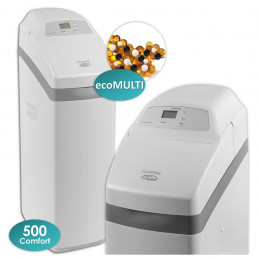
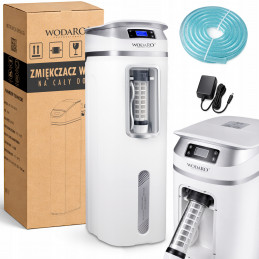
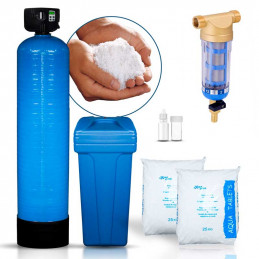
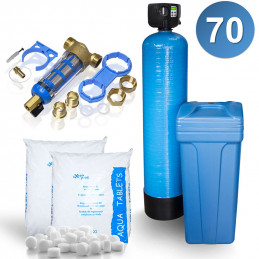
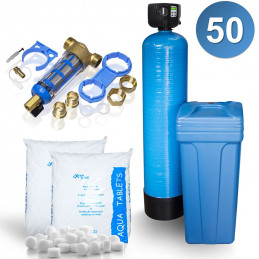
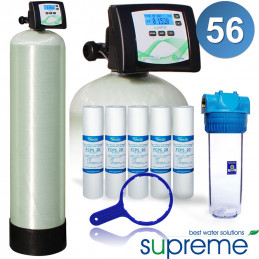
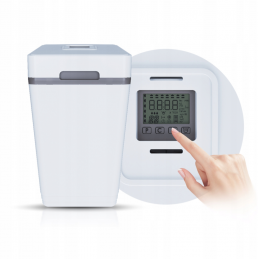
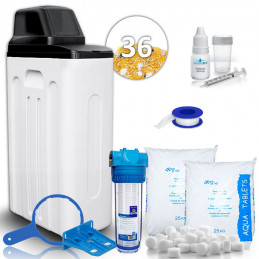
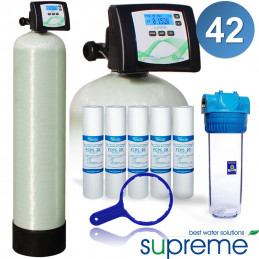


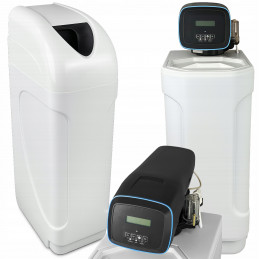
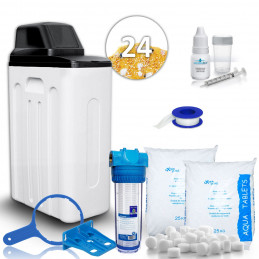
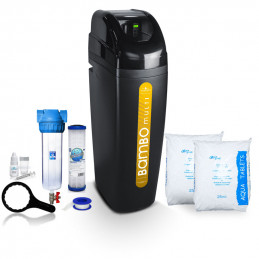
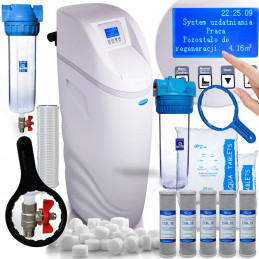
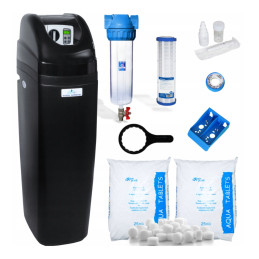
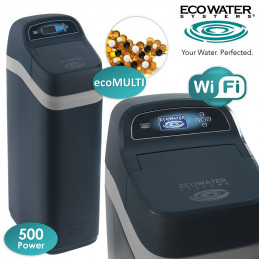
Multifunctional stations are a practical solution for users who want to improve water quality with one integrated system. This category includes devices designed to reduce the most common problems found in utility water, such as hardness, iron, and manganese, and in many cases also troublesome deterioration of water taste and odor.
This is a choice particularly valued in single-family homes, but also wherever higher capacity and protection of the entire water system matter. A properly selected multifunctional station can improve everyday comfort of water use, reduce limescale buildup, and support the safe operation of household appliances and plumbing fixtures.
What will you find in the Multifunctional stations category?
Devices for comprehensive water treatment that help remove hardness, iron, and manganese, improve water taste and odor, and at the same time support protection of the water system against limescale buildup. These are solutions for homes and selected business applications, chosen based on water quality, required capacity, and operating costs.
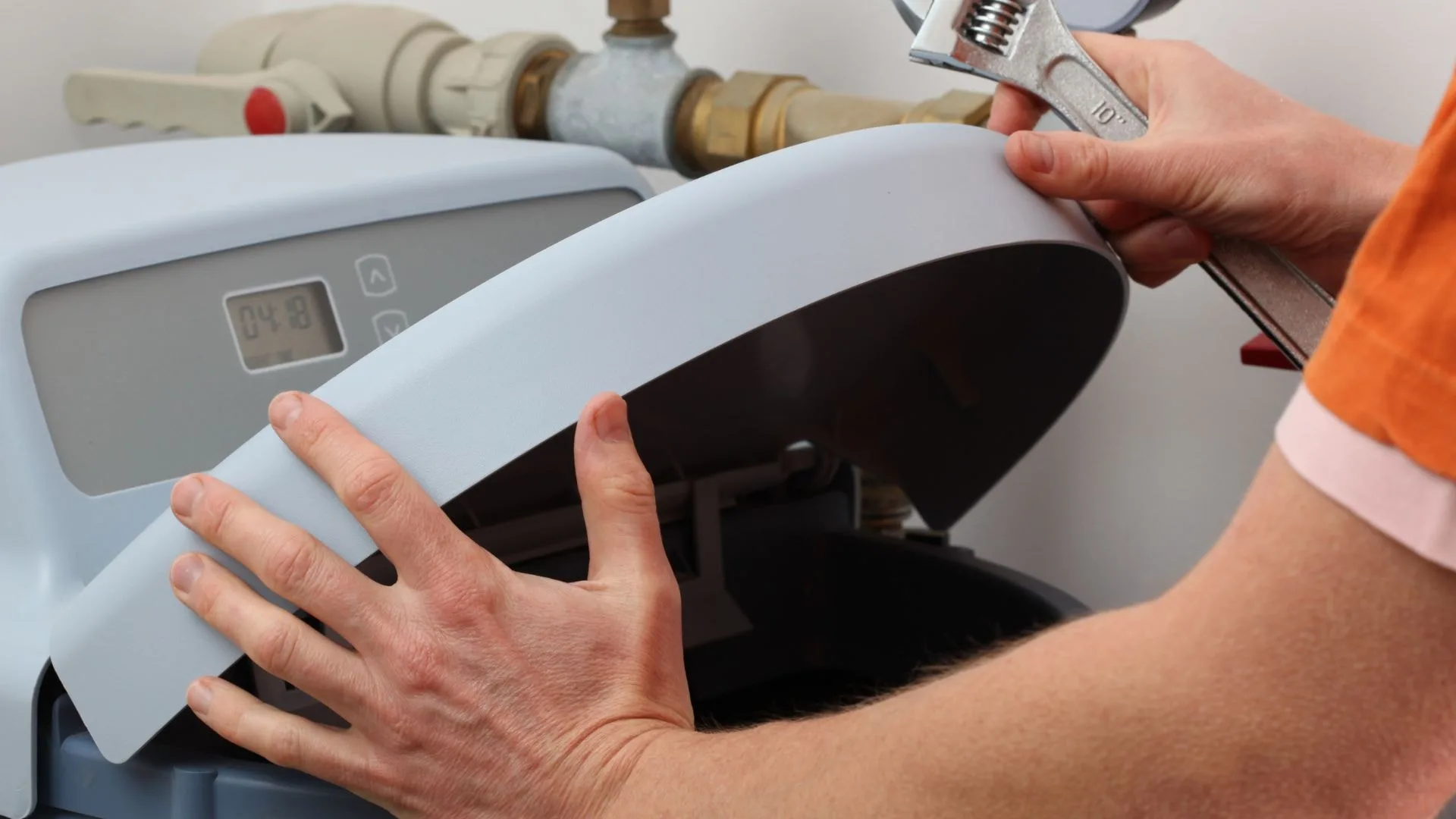
Why is it worth investing in a water treatment system?
Investing in a water treatment system brings many benefits both in terms of everyday convenience and protection of the home water installation.
- Saving money – water treatment in a single-family home helps reduce the purchase of bottled water, because access to clean and healthy water is available directly from the tap.
- Protection of the water system – treatment systems protect the installation against limescale buildup, which extends its service life and improves the efficiency of appliances. Scale accumulating in pipes and devices can lead to failures and costly repairs.
- Improved water taste and odor – devices help reduce the smell of chlorine and other unpleasant notes, making water tastier, while beverages and prepared meals gain better flavor.
- Better comfort of use – water with improved parameters is more convenient in everyday use for drinking, cooking, washing, and laundry.
Types of water treatment systems and the place of multifunctional stations
There are many types of water treatment devices available on the market, which can be matched to specific water quality problems.
Water softeners
Water softeners remove calcium and magnesium ions responsible for water hardness. Hard water promotes limescale buildup in washing machines, dishwashers, boilers, and plumbing fixtures, which reduces appliance efficiency and may increase energy consumption.
Iron and manganese removal systems
These types of devices remove iron and manganese compounds, which can give water a metallic taste and cause stains on clothes, fixtures, and dishes. Iron removal systems are especially important where well water contains elevated amounts of iron. Manganese in drinking water may additionally be associated with health problems and damage to water installations.
Reverse osmosis systems
Reverse osmosis systems remove up to 99.99% of contaminants, including bacteria, viruses, and mechanical impurities. They also help remove chlorine and hydrogen sulfide responsible for the smell of rotten eggs. Hydrogen sulfide is not only troublesome in terms of odor, but can also cause corrosion of metal installation components.
Multifunctional stations
Multifunctional stations are an intermediate and very practical solution where the problem is not limited to just one parameter. Their great advantage is the ability to work simultaneously in reducing hardness and selected contaminants such as iron and manganese.

Domestic and industrial water treatment station
Depending on your needs, you can choose a domestic or industrial solution.
- Domestic water treatment station – compact, designed for installation in a single-family home. This is a good solution for families who want to be sure that the water used for drinking and everyday tasks is of high quality.
- Industrial water treatment station – larger and used in businesses and large buildings. These types of devices are designed to work with larger quantities of water and to ensure high water quality in various applications.
How to choose the right multifunctional station?
The selection of a device should be based not only on the general product description, but above all on water parameters and the actual demand of the property.
The most important selection criteria
- Water quality analysis – before purchase, it is worth checking which contaminants need to be removed. Water from different sources may differ significantly in composition, so analysis is the basis for choosing the right device.
- Device capacity – determines the amount of water the station can process in a given time. This parameter should be matched to the needs of the household or facility.
- Operating costs – it is worth taking into account salt consumption, possible replacement of filter cartridges, and energy consumption. Lower operating costs mean better cost-effectiveness in the long term.
- Ease of use – the device should be convenient in everyday use and maintenance, preferably with automatic functions that reduce the need for manual operation.
- Type of contaminants – make sure that the selected station addresses the problems present in the given water, e.g. hardness, iron, manganese, or deteriorated odor.
Technical parameters worth paying attention to
| Parameter | Why is it important? |
|---|---|
| Capacity | Determines the amount of treated water per hour or per day. Higher capacity is especially important in larger households and places with high water consumption. |
| Filter media capacity | The greater the media capacity, the longer the operation without the need for replacement or regeneration. Greater capacity may also mean better filtration efficiency. |
| Automatic media regeneration system | Allows regular cleaning of the media, which helps maintain high operating efficiency of the device and increases convenience of use. |
| Operating costs | It is worth checking the consumption of salt and water needed for media regeneration, as this affects the total cost of maintaining the station. |
| Protection of the water system | Effective reduction of limescale extends the service life of the installation and household appliances such as washing machines, dishwashers, and boilers. |
Maintenance-free home water treatment station – what should you pay attention to?
When choosing a device for the home, it is worth looking not only at the specification itself, but also at the convenience of later use.
- Amount of water consumed – in larger single-family homes, stations with higher capacity are usually needed.
- User reviews – the experiences of other people can help assess the reliability, operating culture, and actual effectiveness of the device.
- Expert recommendations – consultation with a specialist makes it easier to match the model to water parameters and installation conditions.
- Availability of installation space – before purchase, it is worth making sure there is adequate space, a water connection, and a drain.
Tip: even the best multifunctional station should be selected based on water analysis. This is the simplest way to achieve effective treatment and avoid a mismatched purchase.
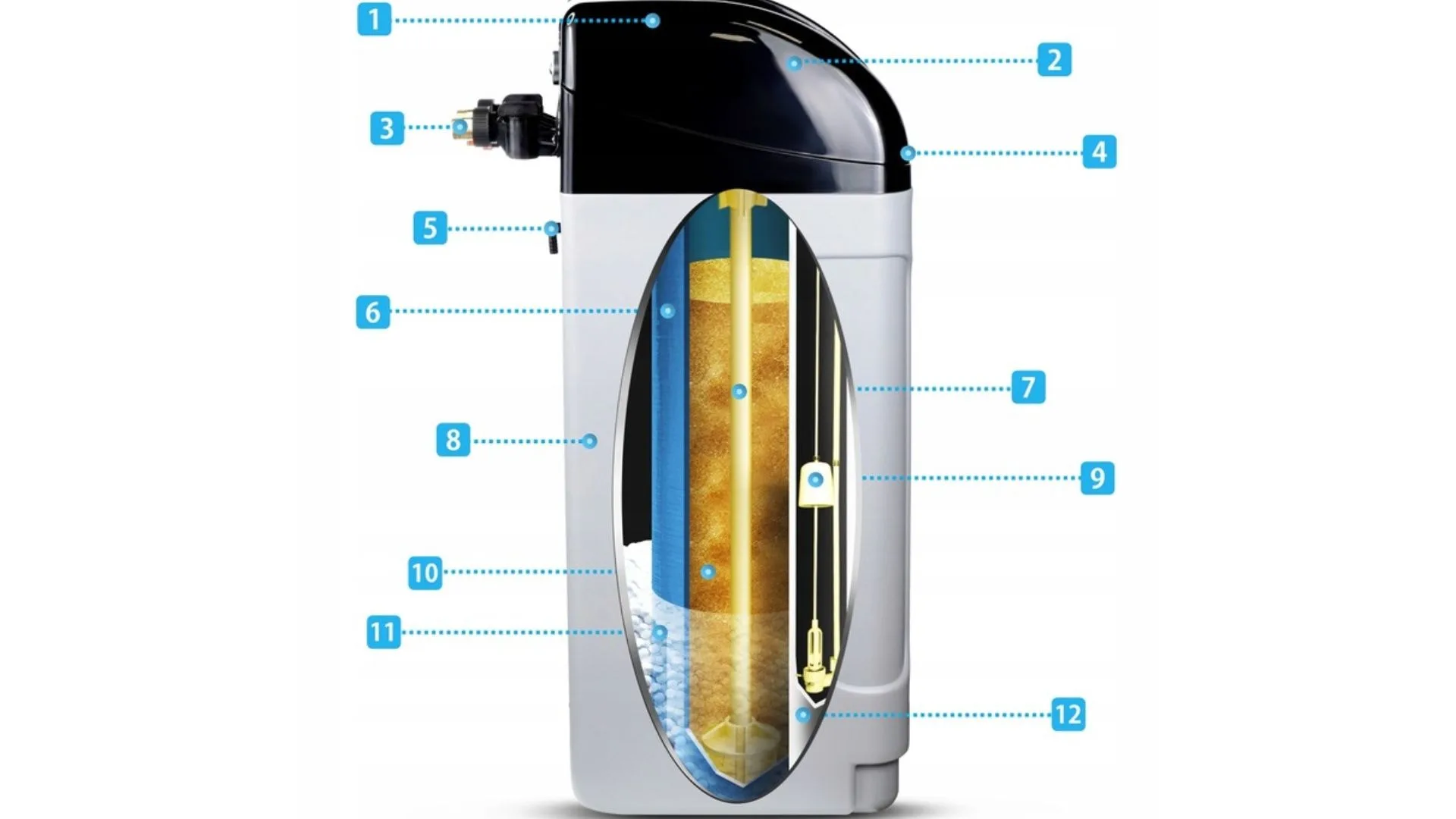
Benefits of having a water treatment station at home
A multifunctional station can bring measurable benefits in everyday use:
- Improved water quality – the device helps remove contaminants and improves the taste and odor of water, making it safer for drinking and food preparation.
- System protection – reducing limescale buildup helps protect the installation and household appliances against damage and reduced performance.
- Healthier water – eliminating substances such as iron, manganese, or hydrogen sulfide improves the comfort and safety of water use.
- Long-term savings – users often point to lower detergent consumption and reduced costs of repairing household appliances.
Installation and maintenance of a water treatment station
How to install a water treatment station?
Installation of the station is usually organizationally simple, but to ensure proper operation it is worth entrusting it to specialists.
- Location – it is best to choose an easily accessible place with the possibility of connection to the water system and drain.
- Protection – the device should be protected against frost and moisture, because unsuitable conditions may negatively affect its operation.
- Professional installation – proper installation helps avoid technical problems and increases the chance of failure-free operation for a long time.
Replacing the media in a water treatment station
Regular inspection and periodic replacement of the filter media are important to maintain the effectiveness of the station. Depending on water quality and device type, the media may require replacement every few or several years. In practice, the frequency depends on the intensity of use and the device operating conditions.

What do users say about domestic water treatment stations?
User reviews are usually very positive. Many people emphasize a clear improvement in water quality at home, a reduction in problems with hard water, chlorine odor, and the presence of iron and manganese. Ease of use, everyday convenience, and relatively low operating costs are also appreciated.
A frequently mentioned advantage is also the savings achieved over the longer term, resulting from lower detergent consumption and less frequent repairs of appliances previously exposed to limescale buildup.
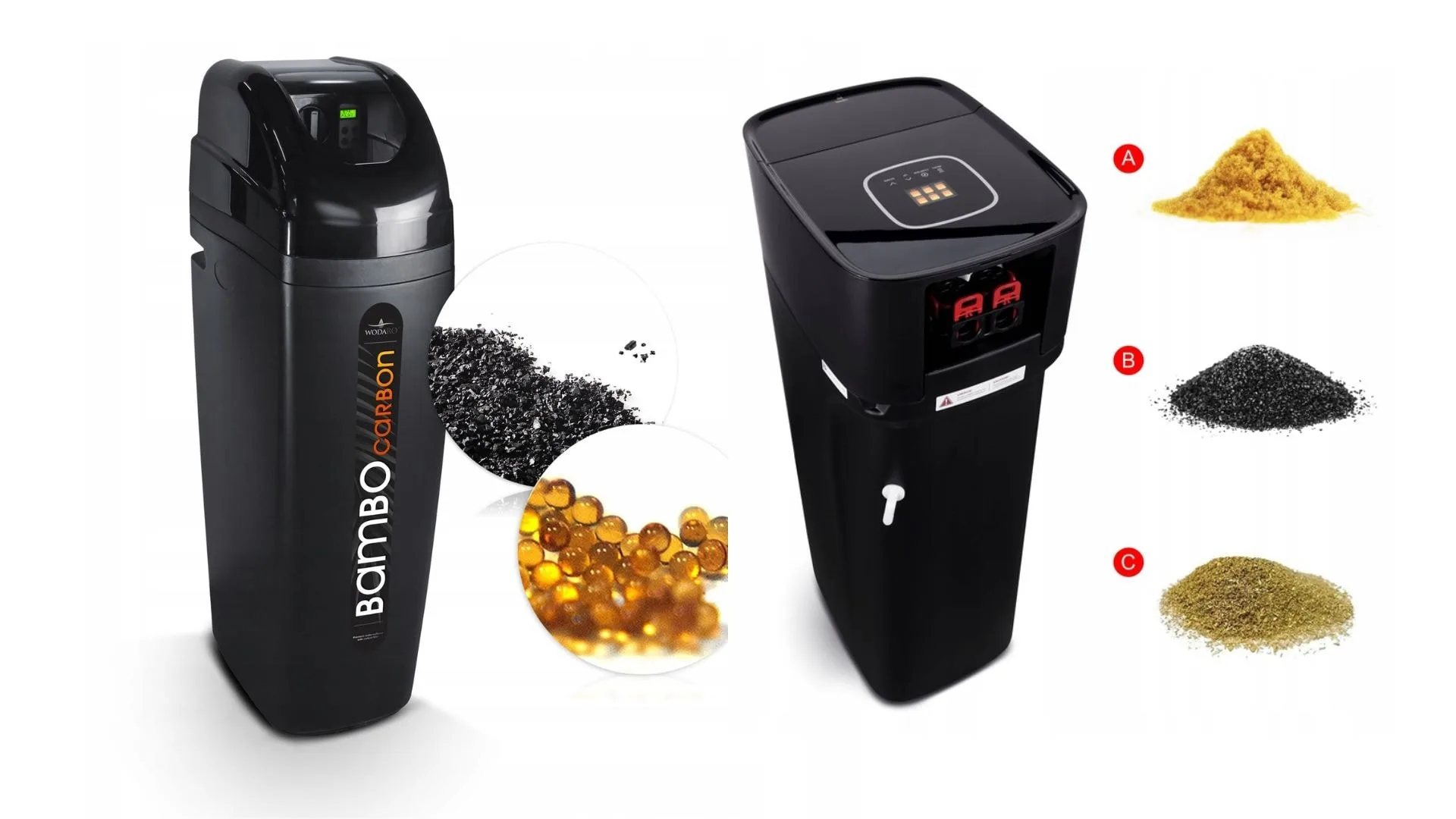
FAQ – frequently asked questions
What is a multifunctional water treatment station?
It is a device that combines several water treatment functions in one system. Depending on the model, it helps reduce water hardness and remove contaminants such as iron and manganese, while also improving water taste and odor.
What water problems can a multifunctional station solve?
Most often, it helps reduce water hardness, excess iron and manganese, and the related deposits, stains, metallic aftertaste, and reduced comfort of water use. In practice, the scope of operation depends on the specific model and water quality.
Is a multifunctional station suitable for a single-family home?
Yes, a domestic water treatment station is a solution designed specifically for use in a single-family home. However, it is important to properly match the device to the number of users, water consumption, and water analysis results.
Is it necessary to perform a water analysis before purchase?
It is definitely worth it. Water quality analysis makes it possible to determine which contaminants need to be removed, and therefore select a device that will be truly effective.
Which technical parameters should you pay attention to when choosing?
The most important are device capacity, filter media capacity, regeneration method, operating costs, and ease of use. In larger homes, sufficiently high station capacity is especially important.
Does a multifunctional station protect the installation and household appliances?
Yes, one of the most important effects of water treatment is reducing limescale buildup. Thanks to this, the water system, plumbing fixtures, washing machines, dishwashers, and boilers can operate longer and more efficiently.
What are the operating costs of a water treatment station?
The costs depend on the specific device and include, among others, salt consumption, possible replacement of filter cartridges, water needed for media regeneration, and energy consumption. It is worth taking them into account already at the device selection stage.
Can the installation of a water treatment station be done independently?
Although the installation itself may be organizationally simple, it is safest to entrust installation to specialists. Professional connection helps avoid technical problems and increases confidence in the proper operation of the device.
How often should the filter media be replaced?
Depending on water quality and device type, the media may require replacement every few or several years. The exact interval depends on operating conditions and the manufacturer's recommendations.