
- There are no more items in your cart
- Shipping
- Total 0.00 zł




Pesticides in water - what they are, health risks, how to remove them
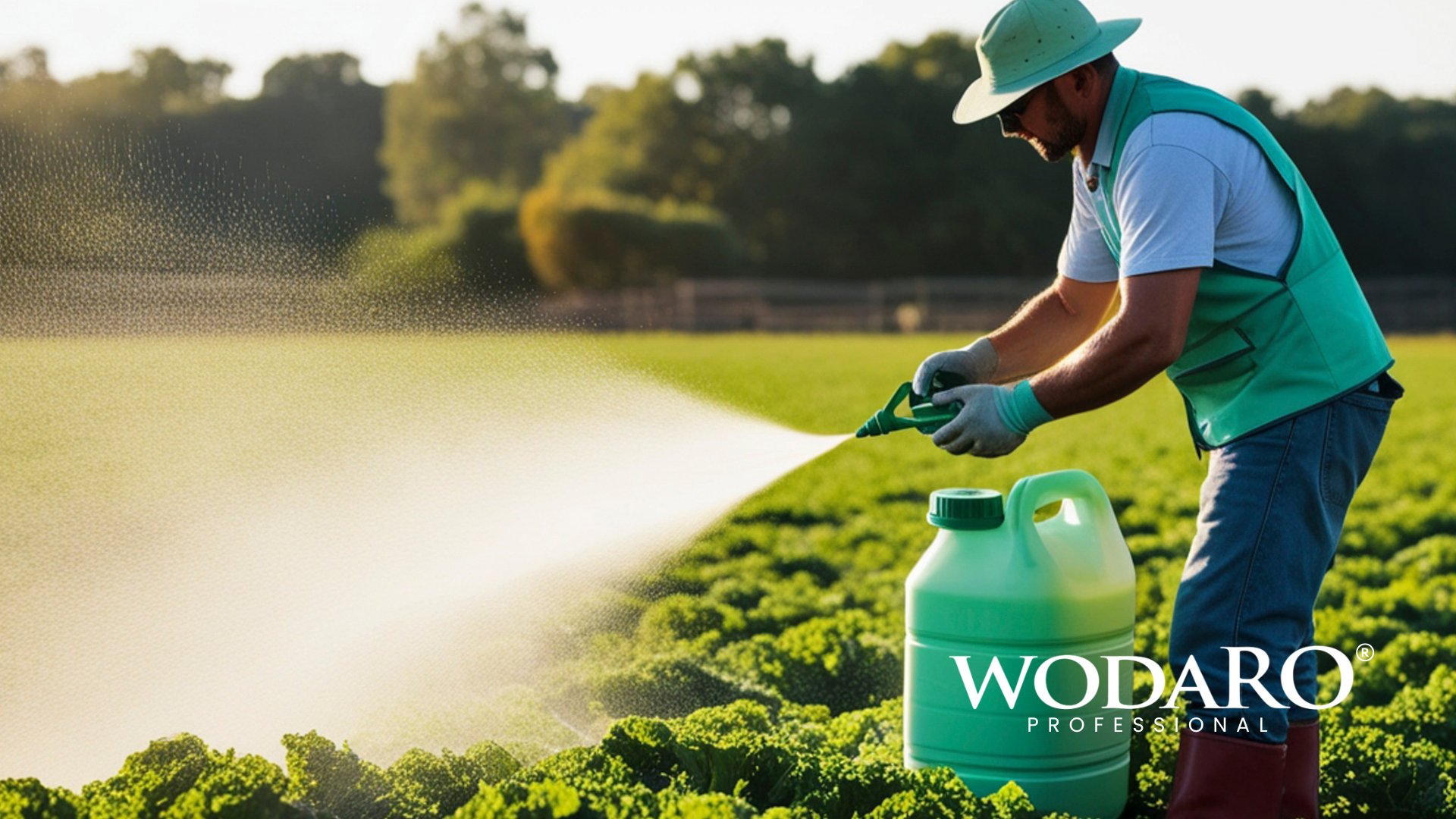
Pesticides can enter drinking water in trace amounts - from agricultural runoff, gardens, and broader environmental pollution. This guide explains what pesticides are, where they come from, what sanitary limits mean in practice, how to check whether they are present, and how to remove them effectively with home filtration - especially activated carbon and reverse osmosis.
Spis treści
- What are pesticides and how do they get into water
- Herbicides vs pesticides - what’s the difference
- Pesticides in drinking water - limits and standards
- Are pesticides harmful - health and everyday exposure
- How to check if your water contains pesticides
- How to remove pesticides from water at home
- Activated carbon vs reverse osmosis - what to choose
- Pesticides in food - where they appear and how to reduce residues
- How to remove pesticides from the body - sense vs hype
- Key takeaways in brief
- Summary and what to do next
You will learn:
- What pesticides are: how herbicides, insecticides, and fungicides differ - and why it matters for water
- What the limits mean: how to interpret very low “micro” values and what “sum of pesticides” implies
- How to verify presence: when a utility report is enough and when lab testing (LC-MS/MS) is needed
- How to reduce exposure: when activated carbon is sufficient and when reverse osmosis is a safer choice
- How to approach food: practical steps for washing produce and reducing pesticide residues
- How to avoid common myths: what “detox” claims get wrong and what actually helps long-term
If you searched in Polish, this guide also answers queries like: pestycydy, co to są pestycydy, pestycydy w żywności, czy pestycydy są szkodliwe, herbicydy a pestycydy, czy soda oczyszczona usuwa pestycydy, w czym są pestycydy, jak usunąć pestycydy z organizmu, jak usunąć pestycydy z owoców.
What are pesticides and how do they get into water
In plain terms, pesticides are substances used to control unwanted organisms - weeds, fungi, and insects. The important part is that “pesticide” is not one chemical. It is a broad umbrella covering hundreds of compounds with very different properties. Some are more “oily” and stick to surfaces easily, while others are more “water-loving” and can migrate faster through soil and groundwater.
How do they end up in water? The most common pathways are surface runoff after rain, leaching into groundwater, and point sources (for example, improper washing of spraying equipment, spills, or storage issues). That is why water from shallow wells near agricultural areas deserves extra attention - and why certain seasons (application periods and heavy rains) can bring spikes.
Another detail many people miss: labs often detect not only the original active substances but also metabolites and breakdown products. Some metabolites are more mobile than the parent compound and can persist longer. This matters both for risk assessment and for choosing the right filtration approach.
From real-world experience in water treatment, pesticide concerns usually come up in two scenarios: private wells in farming regions and people who want to reduce exposure to micro-pollutants (pesticides, herbicides, pharmaceutical residues) even when the water meets official standards.
Key idea: “Pesticides” is a category, not a single substance - the source and the specific compound strongly influence both risk and filtration choice.
Herbicides vs pesticides - what’s the difference
The phrase “herbicides vs pesticides” is common because these terms are often mixed up. Pesticides are the broader category. Herbicides are one subgroup - products designed to control weeds. In the same way, fungicides target fungi and insecticides target insects.
Why does this distinction matter for water? Different classes have different solubility, stability, and behavior in filtration. A report might show a specific active ingredient name or a “pesticides total” value. Filtration is much easier to choose when you know what was detected and how much, rather than reacting to the word “pesticides” alone.
On product labels you may see broad claims like “reduces pesticides and herbicides”. Treat those as a starting point, not a guarantee. Practical performance depends on factors such as adsorption capacity, contact time (how long water stays in the carbon media), and flow rate (fast flow usually reduces removal effectiveness).
Key idea: Herbicides are a subset of pesticides - and in practice, the exact chemical and real operating conditions decide whether a filter will work well.
Pesticides in drinking water - limits and standards
In Europe, drinking-water rules treat pesticides as unwanted contaminants, so the limits are intentionally very low. The standard framework uses very small concentrations (typically measured in micrograms per liter) and also includes the concept of “sum of pesticides” - the total of multiple detected compounds.
Two practical takeaways:
- Single substance limit: a very low threshold for any one pesticide, reflecting a precautionary approach.
- Total limit: a combined threshold for multiple pesticides measured together, because real life rarely involves only one compound.
Remember that monitoring is method-dependent. “Total pesticides” is not “everything that exists in nature” - it means “the pesticides that were included in the analytical scope and detected.” That is why, for private wells, it’s worth choosing a panel that matches local agricultural use and includes relevant metabolites when possible.
Good practice: if you install filtration specifically because of pesticides, consider a control test after installation (especially for well water). It is the most honest way to confirm results and adjust the setup if needed.
Key idea:: The standards are strict, but the scope of monitoring matters - “not detected” depends on what the lab actually tested for.
Are pesticides harmful - health and everyday exposure
People often ask directly: are pesticides harmful? The honest answer is: it depends on the compound, dose, duration, and the route of exposure. The same logic applies to water. Trace presence does not automatically mean immediate danger, but many people want to reduce long-term exposure to environmental chemicals where practical.
For everyday life, ingestion usually matters most - drinking and cooking - because it can create repeated exposure over time. Dermal contact from showering and washing is generally a smaller contributor at levels within standards, but if you suspect elevated concentrations (for example, well water after heavy rains in agricultural areas), a cautious approach is reasonable: test first, then treat.
It also helps to keep perspective: water is only one piece of exposure. Food, household dust, and occupational contact can be relevant too. That is why a well-designed plan focuses on reducing exposure at the source rather than chasing “miracle detox” solutions.
Health disclaimer: this article is educational and is not medical advice. If you have specific health concerns (pregnancy, infants, chronic conditions), please consult a healthcare professional and consider water testing in an accredited laboratory.
Key idea:: Risk is not just “presence vs absence” - it is the combination of the substance, the dose, and repeated exposure over time.
How to check if your water contains pesticides
There is no reliable at-home strip test for pesticides in water. Proper analysis typically uses advanced laboratory methods such as LC-MS/MS or GC-MS. If you want a trustworthy answer, the path is: report or lab test, not guesswork.
Start here, depending on your water source:
- Municipal tap water: look for your local supplier’s water quality reports and the parameters they monitor. This gives baseline reassurance and shows whether pesticides are part of routine checks.
- Private well: treat pesticide testing as a proactive safety step, especially near farmland. Ask the lab for a multi-residue pesticide panel and discuss whether it reflects the pesticides used locally.
- Seasonality matters: if your concern is “after spraying season” or “after heavy rains”, sample during the period of highest suspicion, not only during low-risk months.
In practice, a common mistake is buying a filter “just in case” without any diagnosis. Activated carbon and reverse osmosis can be effective, but choosing between them is much easier when you know what you’re dealing with: which compound, what concentration, and whether it’s constant or episodic.
Tip: always double-check units in lab results. Micrograms per liter and milligrams per liter are not interchangeable, and confusion here can lead to unnecessary stress or wrong decisions.
Key idea: The only dependable way to confirm pesticides in water is laboratory testing with the right analytical scope.
How to remove pesticides from water at home
Quick answer (Krótka odpowiedź): the two most practical home technologies are activated carbon (adsorption of many organic compounds) and reverse osmosis (a membrane process that can provide very high reduction across a broad range of contaminants). The best choice depends on your water source, the type of pesticide compounds, and whether you want point-of-use treatment (drinking and cooking) or whole-house treatment.
How to remove pesticides from water - step by step
- Identify the source: municipal water or private well. If you have a well near agricultural activity, prioritize testing.
- Collect data: use utility reports or order a lab test (multi-residue pesticide panel). If the lab can include key metabolites, even better.
- Choose the right technology:
- Activated carbon: great for many organic micro-pollutants and for improving taste and odor - but it needs good media and correct flow/contact time.
- Reverse osmosis (RO): typically the “highest safety margin” option for drinking water when you want broad reduction, not only taste improvement.
- Pre-filter properly: a sediment stage (for example, 5 µm) protects carbon blocks and RO membranes from clogging and extends service life.
- Install and set realistic flow: too high a flow through carbon reduces adsorption performance. Follow the manufacturer’s recommendations.
- Maintain on schedule: a filter only works when it is serviced. Worn carbon media will not keep removing pesticides effectively.
- Verify results when needed: for well water or confirmed contamination, a control test after installation is the most reliable confirmation.
What to look for when choosing a filter
- Evidence-based claims: prefer products with clear performance information, not just generic marketing wording.
- Relevant standards: some product families reference certification approaches for “emerging contaminants” or RO systems - treat them as helpful signals, especially when backed by real test data.
- Materials in contact with water: choose components designed for drinking water use and with appropriate documentation.
- Serviceability: easy replacement schedules and accessible parts matter more than people think - a neglected filter is a wasted filter.
Key idea: The most effective plan is data-first (testing), then technology (carbon or RO), then consistent maintenance - in that order.
Activated carbon vs reverse osmosis - what to choose
If you are in the “consideration” stage, the key is matching the solution to your scenario. Activated carbon works by adsorption - it can reduce many organic compounds and often improves taste and odor. Reverse osmosis uses a membrane that separates a wide range of dissolved contaminants, and RO systems usually include multiple stages (prefilters and a postfilter).
When activated carbon is often enough
- You want to improve taste/odor and reduce a portion of organic micro-contaminants.
- Your main concern is chlorination byproducts or “chemical taste” in municipal water, and pesticides are a secondary concern.
- You are looking for a simpler point-of-use setup and you will replace cartridges on time.
When reverse osmosis is a better choice
- You want a broader and typically higher reduction across contaminants, not only taste improvement.
- You use well water or live in a region with intensive agriculture and want a stronger “safety buffer”.
- You care about consistent drinking/cooking water quality and you accept maintenance as part of the system.
Practical pros and cons
- Activated carbon: simpler and often cheaper upfront; effectiveness depends heavily on media quality, contact time, and timely cartridge replacement.
- RO systems: typically very strong performance; require space, periodic service, and they produce a reject stream (concentrate). Modern designs can reduce water waste compared to older setups.
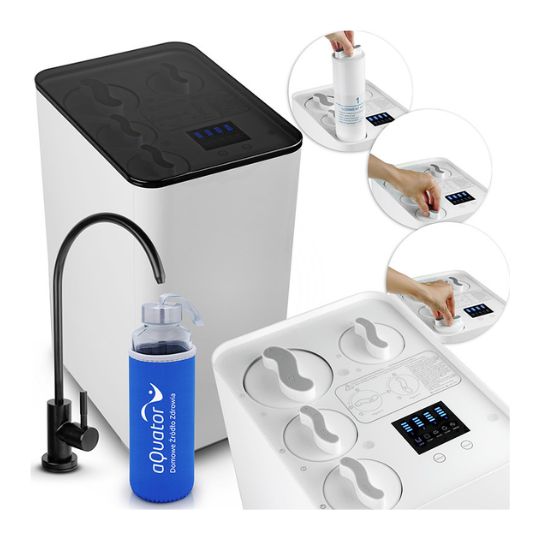
Recommended option: if your priority is maximum reduction for drinking and cooking, please explore reverse osmosis systems and, if you prefer a “ready-to-drink” taste profile, RO filters with mineralization. As a concrete example, you can check the RO600 system. If you share your water source and lab results, we can help match the setup to your situation.
Key idea: Activated carbon is a strong adsorption tool, but RO usually provides a bigger safety margin when you want broad reduction - especially for well water.
Pesticides in food - where they appear and how to reduce residues
The topic of pesticide residues is not limited to water. For many people, the largest exposure pathway is diet, which is why “pestycydy w żywności” appears so often in searches. When someone asks “w czym są pestycydy”, they usually mean residues on fruits and vegetables, especially those eaten with the peel, and crops that require intensive protection.
In the EU, food pesticide residues are regulated via maximum residue levels (MRLs) and monitored through systematic reporting. The important practical point is that MRLs are not “targets” - they are legal limits used for enforcement and consumer safety controls.
How to reduce pesticide residues on produce
If you want a practical answer to “jak usunąć pestycydy z owoców”, focus on safe, repeatable habits:
- Rinse under running water and rub the surface (hands or a clean produce brush). This removes dirt and can reduce surface residues.
- Peel when appropriate (with the trade-off that some nutrients are in the peel).
- Remove outer leaves of leafy vegetables (often the most exposed layers).
- Diversify sources and rotate produce - it’s a simple strategy to avoid repeated exposure to the same pesticide profile.
Does baking soda remove pesticides?
The question “czy soda oczyszczona usuwa pestycydy” has a nuanced answer. Research suggests that a baking soda solution can reduce certain pesticide residues on the surface of some fruits, particularly when residues remain on the peel. It is not a universal solution and it does not remove everything, especially if a compound has penetrated deeper.
If you want to try it safely: use a mild baking soda solution, soak briefly, then rinse thoroughly with clean water. For delicate fruit, keep soaking time short to avoid damaging texture.
Key idea: The best results come from consistent basics - washing, peeling when sensible, and food variety - not from a single “magic” method.
How to remove pesticides from the body - sense vs hype
The query “jak usunąć pestycydy z organizmu” is understandable - people want control. But this is also where marketing myths thrive. The most reliable long-term approach is reducing exposure at the source: safer drinking water, sensible food preparation, and proper protection if you have occupational contact.
What generally makes sense (as common-sense guidance, not medical advice):
- Improve drinking and cooking water with filtration matched to your situation (carbon or RO), and maintain it on schedule.
- Reduce dietary residues with washing, peeling, and variety.
- Follow safety procedures if exposure can happen at work (protective equipment and hygiene).
- Seek professional advice if you have health concerns, rather than relying on “detox” claims without evidence.
Disclaimer: if you suspect acute poisoning or have symptoms, contact a healthcare professional immediately. This article is for education and practical risk reduction only.
Key idea:The most effective “detox” is prevention - lower exposure through verified water quality and good daily habits.
Key takeaways in brief
If you want the essence without all the details, here are the main points:
- Pesticides enter water mainly through runoff and leaching - risk is higher near farmland and after heavy rains.
- “Pesticides” is a broad category - specific compounds and metabolites behave differently and require different strategies.
- You cannot confirm pesticides reliably at home - lab testing (LC-MS/MS or GC-MS) is the standard.
- Activated carbon helps reduce many organic micro-contaminants, but performance depends on contact time and maintenance.
- Reverse osmosis usually provides a larger safety margin for drinking water, especially for wells or broader contamination concerns.
If you want help choosing between options, please feel free to share your water source (municipal or well) and any lab results - we can recommend a practical setup for your household.
Key idea: Testing + correct technology + consistent maintenance is the most reliable path to safer drinking water.
Summary and what to do next
Pesticides in water are best handled calmly and methodically. Instead of guessing, base decisions on data: utility reports for tap water or a laboratory panel for wells. Then choose filtration that fits your goal - activated carbon for targeted adsorption and taste improvement, or reverse osmosis when you want broad, high-level reduction for drinking and cooking.
If you are looking for ready solutions, you can browse the mojawoda.com store and focus on categories like reverse osmosis or carbon cartridges. For a truly tailored choice, please feel free to contact us with your water source and results - we’ll help translate lab numbers into a sensible, maintainable setup.
Key idea: The goal is not fear - it’s controlled, evidence-based reduction of exposure where it matters most: drinking and cooking water.
Frequently asked questions (FAQ)
How common are pesticides in tap water?
Municipal supplies are monitored and must meet drinking-water requirements. However, pesticide-related concerns can be more relevant in agricultural regions or during specific seasons. The best first step is checking your supplier’s water quality report and, if needed, confirming with a lab test.
How can I test my well water for pesticides?
Ask an accredited laboratory for a multi-residue pesticide panel (often using LC-MS/MS, sometimes GC-MS). If possible, discuss local agricultural usage so the panel matches realistic risks, and ask whether key metabolites can be included.
Can activated carbon filters remove pesticides?
Activated carbon can reduce many organic micro-contaminants and may help with certain pesticide compounds. Effectiveness depends on media quality, contact time, flow rate, and timely cartridge replacement. For confirmed contamination, carbon is often used as part of a broader approach or as pre-treatment.
Does reverse osmosis remove pesticides?
Reverse osmosis systems typically provide strong reduction across a wide range of contaminants, including many micro-contaminants. The best results come from a complete system (prefilters + membrane + postfilter) and proper maintenance. For well water, verification with a follow-up test is a good practice.
When should I choose RO instead of carbon filtration?
Choose RO when you want a higher safety margin for drinking and cooking water, especially for wells, agricultural areas, or when you want broader reduction beyond taste and odor. Carbon can be enough for many municipal-water scenarios, but it is more sensitive to flow and cartridge exhaustion.
How often should I replace cartridges if I’m filtering for pesticides?
There is no single schedule that fits everyone. Replacement depends on water quality, daily use, cartridge type, and system design. Follow manufacturer recommendations and consider earlier replacement if you notice taste changes, pressure drops, or if your water quality is challenging.
Can boiling water remove pesticides?
Boiling is mainly for microbiological safety. It does not reliably remove pesticide residues and, for some dissolved substances, boiling can concentrate them as water evaporates. If pesticides are the concern, filtration and testing are the appropriate tools.
Why do some filters claim “pesticide reduction” but don’t specify details?
“Pesticides” is a broad category. Real performance depends on the specific compound and test conditions (flow, contact time, concentration). Prefer products that provide clear, test-backed information and choose the technology based on your water source and results.
How can I reduce pesticide residues on fruits and vegetables safely?
Use running water and gentle scrubbing, peel when appropriate, remove outer leaves, and diversify your produce sources. Some people also use brief soaking in a mild baking soda solution followed by thorough rinsing, but it should be treated as an extra step, not a universal fix.
Sources:
- https://eur-lex.europa.eu/eli/dir/2020/2184/oj - EU Drinking Water Directive (framework for parametric values and monitoring)
- https://eur-lex.europa.eu/legal-content/EN/TXT/?uri=CELEX:32005R0396 - EU regulation on maximum residue levels (MRLs) for pesticides in food
- https://www.efsa.europa.eu/en/supporting/pub/en-9111 - EFSA report on pesticide residues in food (monitoring overview)
- https://pubmed.ncbi.nlm.nih.gov/29067814/ - study on baking soda washing and reduction of certain pesticide residues on produce
- https://www.nsf.org/knowledge-library/nsf-ansi-42-53-and-401-filtration-systems-standards - overview of filtration standards relevant to chemical contaminant reduction claims
- https://www.nsf.org/knowledge-library/nsf-ansi-58-reverse-osmosis-drinking-water-treatment-systems - overview of reverse osmosis system standard and performance framework
Author: Maciej Waliduda (mojawoda.com) - water treatment practitioners helping households choose filtration based on real needs and test results. Last updated: 2026-01-13.
