
- There are no more items in your cart
- Shipping
- Total 0.00 zł



- Bestsellers
- Wholesale
- Water filters
- Whole house filters
- Kitchen filters
- Bathroom filters
- Aquarium filters
- Reverse osmosis
- Water demineralizers
- Filter cartridges
- UV bactericidal lamps
- Alkaline water ionizers
- Industrial water filters
- Accessories, parts, and others
- Descaling filters for the coffee machine
- Water softeners and iron removers
- Water saturators
- ACES
- AMBERLITE
- AQUA VITA
- AQUAFILTER
- AQUAPHOR
- AQUATOR
- BASSAU
- BERG
- BIOCERA
- BIONIQ
- BLUEFILTERS
- CHEMOFORM
- CINTROPUR
- DAFI
- DELONGHI
- DIAMOND
- DOM WODY
- ECOWATER
- FILMTEC
- FIT ALCO
- FITAQUA
- GREEN FILTER
- HANNA INSTRUMENTS
- HELIXPRO
- HELLO PURE
- HIDROTEK
- HM-DIGITAL
- HONEYWELL
- Ibo
- JAVEL
- KLARWOD
- KRUPS
- MIDEA
- OTOWODA
- OTTONE
- Palintest
- PENTAIR
- PHILIPS
- PLATINUM WASSER
- PUROLITE
- SIEMENS
- Steingraf
- SUPREME
- TAB-SOL
- TOP FILTER
- UST-M
- USTM
- VONTRON
- WODARO
-
PayU

Tips
-
The water in the osmosis system is constantly flowing to the sewage - what to do?
-
Hydrogen water – effects, benefits, reviews – is it a scam?
-
Reverse osmosis - operating costs
-
Elimination of chlorine from water – why is it worth doing?
-
Pesticides in water - what they are, health risks, how to remove them
-
The water in the osmosis system is constantly flowing to the sewage - what to do?
-
Organic compounds in water – harmfulness, removal, and where do they come from?
-
Ammonia in water – where does it come from, is it harmful, and how to remove it?
-
Water filtration - why? Hit or miss?
-
Drinking water - effects after a month, skin and weight loss
Nipple and muff – key elements in hydraulic systems
Nipple and muff are fundamental components used in hydraulic installations, water filtration and treatment systems, and for connecting pipes, fittings, and accessories. They are responsible for the tightness of the connection, installation durability, and the reliable operation of the entire system.
Our range includes, among others, 1" male brass nipples, 3/4" male brass nipples, 1/2" brass nipples, as well as 1" male x 3/4" female reducing brass nipples and 1" male x 3/4" male. Hydraulic muffs and reducing muffs are also available for the practical connection of components with different diameters and thread types.
The hydraulic nipples and muffs we offer are intended for various applications – from water installations and water treatment systems to industrial hydraulics, vehicle hydraulics, and agricultural equipment. These are practical components that make it easier to build, expand, and service installations.
Filter
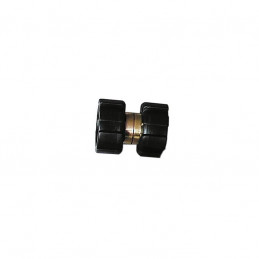
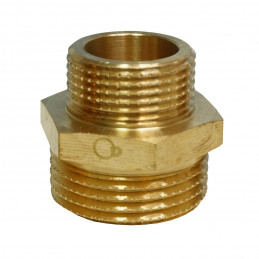
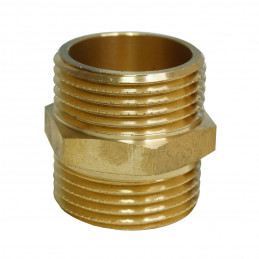
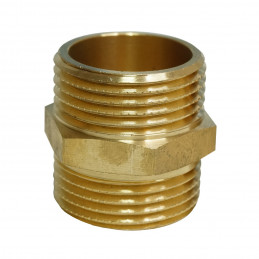
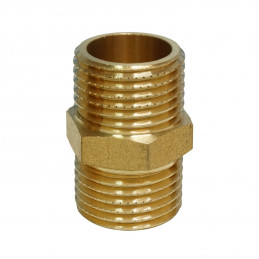
Nipples and muffs are inconspicuous but very important components of any installation where a durable and leak-tight connection matters. In hydraulic systems, water installations, filtration systems, and water treatment systems, they are responsible for safely connecting pipes, lines, and fittings. A properly selected component speeds up installation, makes system upgrades easier, and helps maintain the reliability of the entire setup.
In this category you will find nipples and muffs for hydraulic installations, filters, and water treatment. It includes, among others, brass nipples in popular sizes 1" male, 3/4" male, 1/2", as well as 1" male x 3/4" female reducing nipples and 1" male x 3/4" male. Hydraulic muffs are also available, including the 3/4 muff, reducing muffs, and muffs with internal thread for connecting components with external thread.
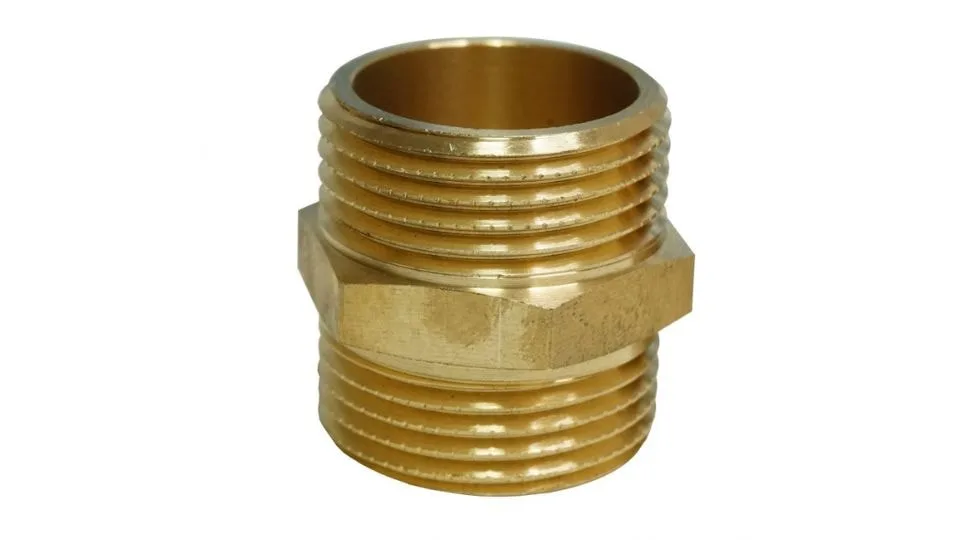
What are hydraulic nipples?
Hydraulic nipples are connecting components with a special shape, equipped with an external thread on both ends. Their purpose is to connect two lines, pipes, or other components of a hydraulic installation. This solution is widely used in construction and industrial hydraulics, where a secure, durable, and leak-tight connection is essential.
Brass nipples are particularly popular because they stand out for their high manufacturing quality and corrosion resistance. Thanks to this, they perform well even in demanding environmental conditions and in installations exposed to long-term use.
What are hydraulic muffs?
Hydraulic muffs, also called hydraulic couplings, are connecting components with an internal thread. They are used to connect two pipes or lines ending with external threads. In practice, they are indispensable wherever high connection tightness, installation durability, and easy fitting of accessories are required.
Muffs are used both in hydraulic power systems and in classic water or industrial installations. Reducing versions additionally make it possible to connect components of different diameters, which is especially important in more complex systems.
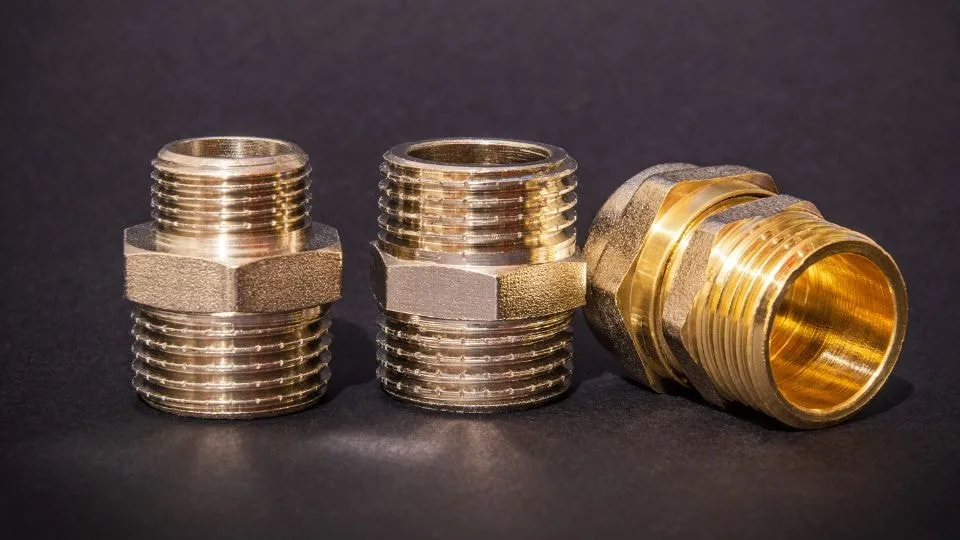
Where are nipples and muffs used?
Nipples and muffs are widely used in many sectors because they enable quick and durable connection of installation components. They work well wherever pressure resistance, tightness, and connection durability are important.
- Water installations – for connecting pipes, fittings, and accessories.
- Filters and water treatment – for mounting housings, connectors, and other system components.
- Industrial hydraulics – for secure connection of pipes and lines in working systems.
- Vehicle hydraulics – where connections must be resistant to vibration and pressure.
- Agricultural equipment – in systems requiring corrosion resistance and durability in difficult working conditions.
- Construction – for the installation and modernization of various types of systems.
Most popular types and sizes in this category
The range includes both standard nipples and reducing versions, as well as muffs with internal thread. The summary below organizes the most important information about frequently chosen variants.
| Product | Connection type | Application |
|---|---|---|
| 1" male brass nipple | External thread | Mainly used in larger installations where a connection of large-diameter pipes is needed. |
| 3/4" male brass nipple | External thread | Popular in medium-sized installations where high tightness and connection durability are required. |
| 1/2" brass nipple | External thread | Ideal for smaller installations where connection precision and reliability are important. |
| 1" male x 3/4" female reducing brass nipple | Reducing | Allows connecting pipes of different diameters, which is especially useful in complex hydraulic systems. |
| 1" male x 3/4" male reducing brass nipple | Reducing | Allows transition between different pipe diameters while maintaining tightness and connection durability. |
| 3/4 hydraulic muff | Internal thread | Designed to connect pipes with a diameter of 3/4 inch, ensuring a durable and leak-tight connection. |
| Hydraulic muffs with internal thread | Internal thread | Used to connect pipes with external threads, ensuring high tightness and connection durability. |
Why is it worth choosing the right nipple or muff?
A properly matched connecting component has a direct impact on the safety and service life of the entire installation. In practice, not only the size matters, but also the thread type, material, and intended application of the system.
- Connection tightness – reduces the risk of leaks and pressure loss.
- Installation durability – the right material increases resistance to corrosion and wear.
- Easier installation – a properly selected thread speeds up system assembly.
- Possibility of diameter reduction – reducing versions help connect pipes of different cross-sections.
- Universal application – the products work well in water, industrial, and technical installations.
Materials and manufacturing durability
Our nipples and muffs are made of high-quality materials such as brass and aluminum. Such solutions ensure durability, corrosion resistance, and reliability in everyday use. In the case of brass components, an additional advantage is good resistance to working conditions typical of water and hydraulic installations.
Thread manufacturing precision is important not only for tightness, but also for installation convenience. In many variants, a hexagonal element is also present, making it easier to tighten with a wrench and improving working comfort during installation or service.
How to choose a nipple or muff for an installation?
Before purchase, it is worth checking a few basic parameters. This makes it easier to match the component to the existing installation and avoid problems during assembly.
- Connection size – e.g. 1", 3/4", or 1/2".
- Thread type – external or internal, according to the component the connector is intended to work with.
- Standard or reducing version – important when connecting different diameters.
- Material – e.g. brass or aluminum, depending on working conditions.
- Application – water installation, industrial system, vehicle, agricultural equipment, or filtration system.
If the installation connects components of different diameters, a practical solution will be a reducing nipple or a reducing muff. In simple connections, standard external-thread nipples or internal-thread muffs are most commonly used.
Installing nipples and muffs – key steps
Installing these components is simple, but requires accuracy. Careful installation affects the tightness of the connection and the trouble-free operation of the entire system.
- Surface preparation – make sure the connected components are clean and free of contaminants.
- Sealant application – apply a suitable sealant to the thread to improve connection tightness.
- Connecting the components – screw the nipple or muff on by hand first, then tighten it with a wrench, taking care not to damage the thread.
- Tightness check – after installation, check whether the connection shows any leaks.
Nipples, muffs, and hydraulic accessories
The category includes not only the connecting components themselves, but also solutions that work well with other installation components. In practice, nipples and muffs are often used together with valves, fittings, nuts, and accessories for filters and water treatment systems. This makes it possible to conveniently build new systems, expand existing installations, and carry out service work.
On the product pages, you can find detailed descriptions, information about product availability, as well as reviews from other users, which makes it easier to choose the right variant within a specific price range.
FAQ – frequently asked questions about nipples and muffs
What is the difference between a nipple and a muff?
A nipple usually has an external thread on both ends and is used to connect components with matching internal threads. A muff has an internal thread and is used to connect two components ending with an external thread.
What is a reducing nipple used for?
A reducing nipple allows components of different diameters to be connected. It is a practical solution in more complex installations where you need to change from one thread size to another without losing connection tightness.
When should you choose a reducing muff?
A reducing muff is worth choosing when you are connecting two components of different diameters and need an internal thread. This solution helps match installation parts without the need for additional adapters.
Are brass nipples resistant to corrosion?
Yes, brass nipples are valued for their good corrosion resistance and high durability. That is why they are often used in water and hydraulic installations as well as in demanding environmental conditions.
How do you choose the right nipple or muff size?
When selecting, you should check the connection diameter, thread type, and whether a standard or reducing connection is needed. The most common sizes in this category are 1", 3/4", and 1/2".
Are hydraulic muffs suitable for connecting pipes with external thread?
Yes, that is exactly what they are for. Muffs with internal thread are designed to connect pipes or lines ending with external threads, ensuring a durable and leak-tight connection.
How do you properly seal a threaded connection?
Before installation, the thread should be cleaned and a suitable sealant should be applied. Then the component should first be screwed together by hand and then tightened carefully with a wrench so as not to damage the thread.
Where are nipples and muffs used outside water installations?
Outside water installations, nipples and muffs are also used in industrial hydraulics, vehicle systems, agricultural equipment, and in various technical applications in construction and industry.
Why is the thread type so important?
The thread type determines component compatibility. For the connection to be tight and durable, the external thread must match the internal one, and the correct size and intended purpose of the component must also be selected.