
- There are no more items in your cart
- Shipping
- Total 0.00 zł



- Bestsellers
- Wholesale
- Water filters
- Whole house filters
- Kitchen filters
- Bathroom filters
- Aquarium filters
- Reverse osmosis
- Water demineralizers
- Filter cartridges
- UV bactericidal lamps
- Alkaline water ionizers
- Industrial water filters
- Accessories, parts, and others
- Descaling filters for the coffee machine
- Water softeners and iron removers
- Water saturators
- ACES
- AMBERLITE
- AQUA VITA
- AQUAFILTER
- AQUAPHOR
- AQUATOR
- BASSAU
- BERG
- BIOCERA
- BIONIQ
- BLUEFILTERS
- CHEMOFORM
- CINTROPUR
- DAFI
- DELONGHI
- DIAMOND
- DOM WODY
- ECOWATER
- FILMTEC
- FIT ALCO
- FITAQUA
- GREEN FILTER
- HANNA INSTRUMENTS
- HELIXPRO
- HELLO PURE
- HIDROTEK
- HM-DIGITAL
- HONEYWELL
- Ibo
- JAVEL
- KLARWOD
- KRUPS
- MIDEA
- OTOWODA
- OTTONE
- Palintest
- PENTAIR
- PHILIPS
- PLATINUM WASSER
- PUROLITE
- SIEMENS
- Steingraf
- SUPREME
- TAB-SOL
- TOP FILTER
- UST-M
- USTM
- VONTRON
- WODARO
-
PayU

Tips
-
The water in the osmosis system is constantly flowing to the sewage - what to do?
-
Hydrogen water – effects, benefits, reviews – is it a scam?
-
Reverse osmosis - operating costs
-
Elimination of chlorine from water – why is it worth doing?
-
Pesticides in water - what they are, health risks, how to remove them
-
The water in the osmosis system is constantly flowing to the sewage - what to do?
-
Organic compounds in water – harmfulness, removal, and where do they come from?
-
Ammonia in water – where does it come from, is it harmful, and how to remove it?
-
Water filtration - why? Hit or miss?
-
Drinking water - effects after a month, skin and weight loss
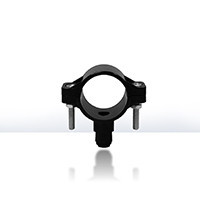
Sewer pipe holders and pipe clamps
Sewer pipe holders and pipe clamps are essential components of installation systems, responsible for securely fastening pipes to walls and other surfaces. Thanks to them, plumbing, heating, and sewer systems operate safely, durably, and in an orderly manner.
Choosing the right holders has a direct impact on the performance, durability, and reliability of the entire installation. In this category, you will find practical accessories for convenient installation of water filtration systems and other piping installations where secure and stable fastening matters.
Our customers gladly choose sewer pipe holders from our offer because of their high build quality and reliability in everyday use.
Filter
Price

Properly selected sewer pipe holders and pipe clamps are the foundation of an aesthetic, durable, and safe installation. They are responsible for the stable routing of pipes, make installation easier, and help match the fastening method to the type of pipe, installation location, and operating conditions. In water filtration systems as well as plumbing, heating, and sewer installations, the right holder is important not only for installation, but also for operation.
This category includes sewer pipe holders and pipe clamps designed for stable installation fastening. They include steel, plastic, and aluminum solutions, double holders, transport holders, galvanized holders, and specialist types. When choosing, it is worth considering the material, pipe diameter, installation type, and resistance to corrosion, weather conditions, and vibration.
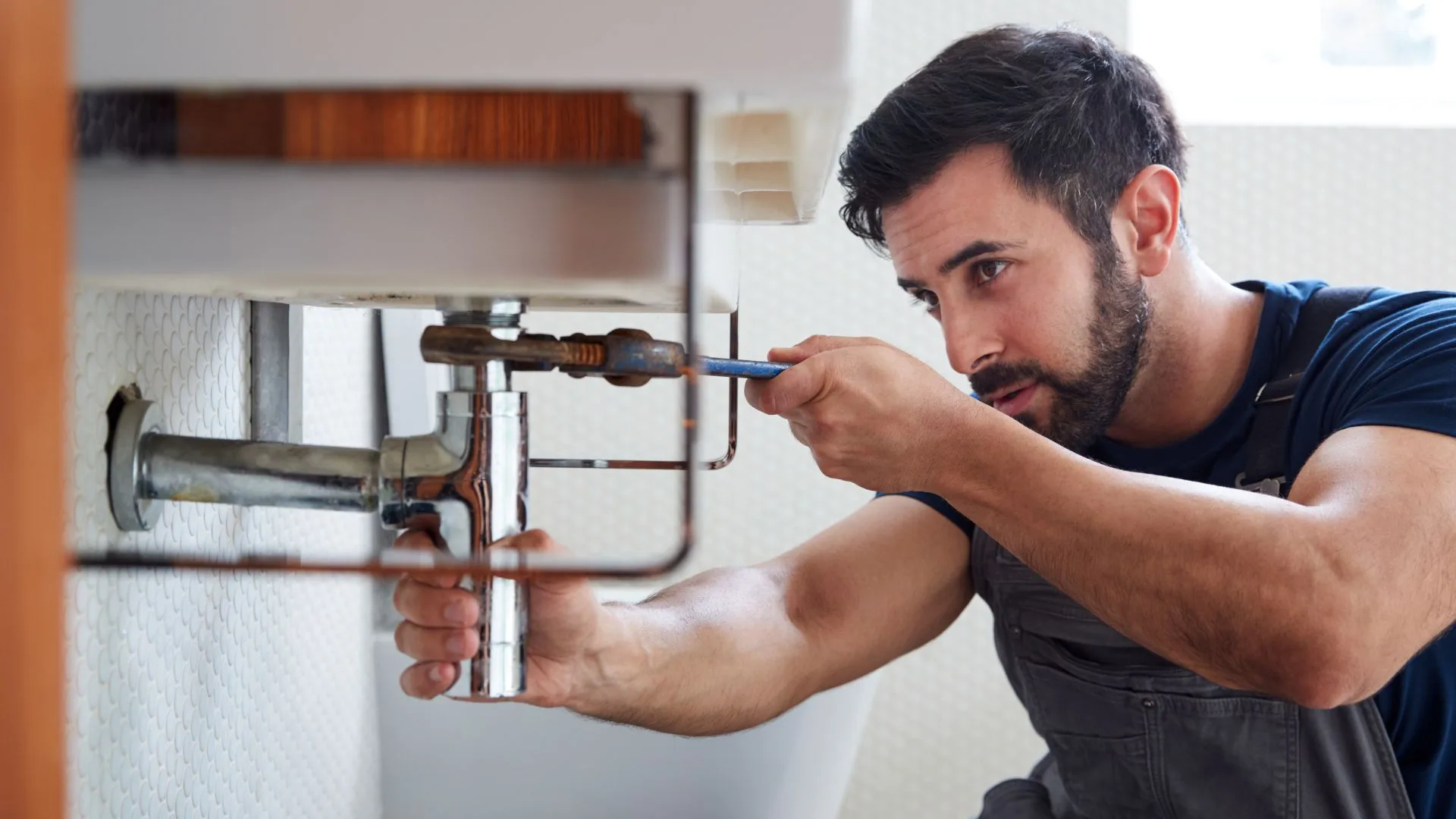
Why does the right pipe holder matter?
Although holders and clamps are auxiliary elements, in practice they have a major impact on the quality of the entire installation. Well-chosen installation accessories help keep pipes in the correct position and improve the safety of system use.
- provide stable fastening of pipes to walls, ceilings, or floors,
- increase the durability of plumbing, heating, and sewer installations,
- make orderly pipe routing easier,
- help reduce vibration and noise when anti-vibration elements are used,
- allow the installation method to be matched to the pipe material and diameter,
- also work well for convenient installation of water filtration systems.
Types of pipe and sewer holders
The choice of the right solution depends on the type of installation and the conditions in which it will operate. Below are the most commonly used types of holders.
Steel pipe and sewer holders
Steel holders are among the most traditional and most commonly used solutions for fastening pipes. They are made of carbon steel, galvanized steel, stainless steel, or acid-resistant steel. They can take the form of clamps with an eye supporting the pipe and are designed for installation using a bolt. Double-sided versions are shaped like semicircles, which increases the rigidity and stability of the fastening.
Plastic and aluminum holders
This type of holder consists of two parts and is most often used for fastening steel pipes. The part that comes into direct contact with the pipe is made of plastic, for example polypropylene, PE, or PA, while the fastening element is made of steel. These holders are available in various sizes, in single and grouped versions, as well as with brackets or rods with threaded ends.
Double pipe holders
Double holders are available in many configurations and are a practical solution wherever two media are supplied to one device, for example hot and cold water. They make it possible to secure pipes from two separate installations, and their universal spacing makes it easier to match them to different pipe connections.
Transport holders for pipe fastening
Transport holders are used mainly for pipes with a large weight that require mechanical transport. They are particularly useful in construction, drainage, and sewer works. They are most often made of steel and are frequently equipped with a scissor mechanism that increases clamping force in proportion to the weight of the lifted load.
Galvanized holders
Galvanized holders are used to make equipotential bonding connections in electrical installations. They provide protection against electric shock, which is especially important in residential buildings. Made of metal, they stand out for their good durability and corrosion resistance.
Specialist holders
Specialist holders are intended for work in demanding conditions such as high temperature, pressure, or aggressive chemical environments. An example is holders with an insulating layer of polyurethane foam, which reduce the risk of thermal bridges forming in refrigeration installations.
Types of pipes and their applications
The choice of holder should always be linked to the type of pipe and the operating environment of the installation. Individual materials have different properties and installation requirements.
- Steel pipes – often used in water supply and heating installations due to their strength and resistance to high pressure.
- Plastic pipes, such as PVC and polypropylene – lightweight, easy to install, and corrosion-resistant.
- Aluminum pipes – used where a material is needed that is lightweight yet durable.
- Carbon steel pipes – often used in industry due to resistance to high temperatures and pressure.
How to choose the right sewer pipe holders and pipe clamps?
When buying, it is worth taking a few basic technical parameters into account. This makes it easier to choose a solution that will be durable and safe in everyday use.
| Selection criterion | What to pay attention to |
|---|---|
| Material | Stainless steel, brass, carbon steel, plastics – the choice depends on operating conditions and the expected resistance. |
| Pipe diameter | The holder or clamp must match the specific diameter to ensure secure fastening. |
| Installation type | Wall, ceiling, or floor mounting should be selected to suit the installation layout. |
| Corrosion resistance | Especially important in outdoor installations and humid environments. |
| Weather conditions | In outdoor applications, the material’s resistance to changing environmental conditions matters. |
| Anti-vibration properties | Rubber-lined holders or rubber clamps help reduce vibration and noise. |
Practical tips before purchase
If you want to choose a sewer holder or pipe clamp consciously, pay attention not only to the size itself, but also to the way the entire system will be used.
- Check whether the fastening will be used indoors or outdoors.
- Match the holder to the pipe material and the expected load.
- When routing several pipes, consider grouped or double versions.
- In installations exposed to noise, choose solutions with vibration-dampening elements.
- For more demanding applications, it is worth opting for specialist holders.
Our sewer clamp performs well in water drainage applications, offering durability and reliability in various installation conditions. Products in this category are intended for fastening in accordance with high standards, which translates into long service life and safe use.
In our offer, you will find a sewer holder as well as other solutions for fastening pipes. These are practical accessories for people who want to create an installation carefully, safely, and with attention to the durability of every connection. If you need help with selection, it is worth consulting an advisor before purchase.
FAQ – frequently asked questions
What are sewer holders used for?
Sewer holders are used for stable fastening of pipes to walls, ceilings, or other surfaces. They help maintain correct installation routing and increase its durability.
What is the difference between a holder and a pipe clamp?
In practice, these terms are sometimes used interchangeably, but a clamp most often surrounds the pipe and presses it in place, while a holder refers more broadly to the element that fastens the whole assembly to a surface or structure.
How do you choose a holder for the pipe diameter?
The holder or clamp should be matched to the specific outer diameter of the pipe. Fastening that is too loose will not provide stability, while fastening that is too tight may hinder installation or place improper stress on the pipe.
When is it worth choosing holders with anti-vibration elements?
Such solutions are particularly useful wherever the installation may transmit vibration or generate noise. Rubber-lined holders help reduce system operating sounds and improve user comfort.
What installations are double holders suitable for?
Double holders work well when two pipes are routed next to each other, for example for hot and cold water. They make aesthetic installation and organization of two separate systems easier.
What holder materials are most commonly used?
The most common holders are made of carbon steel, galvanized steel, stainless steel, acid-resistant steel, and plastics. The choice of material depends on the operating environment and technical requirements.
Are steel holders suitable for demanding applications?
Yes, steel holders are commonly used wherever high rigidity and fastening durability are needed. Depending on the version, they can also be used in environments with increased corrosion-resistance requirements.
When are transport holders for pipes used?
Transport holders are used mainly for pipes with a large weight that require mechanical handling. They are particularly useful in construction, drainage, and sewer works.
What should you pay attention to when installing pipe holders?
It is worth considering the pipe material, diameter, installation location, expected load, and environmental conditions. Corrosion resistance and the proper spacing of fastening points are also important.