
- There are no more items in your cart
- Shipping
- Total 0.00 zł



- Bestsellers
- Wholesale
- Water filters
- Whole house filters
- Kitchen filters
- Bathroom filters
- Aquarium filters
- Reverse osmosis
- Water demineralizers
- Filter cartridges
- UV bactericidal lamps
- Alkaline water ionizers
- Industrial water filters
- Accessories, parts, and others
- Descaling filters for the coffee machine
- Water softeners and iron removers
- Water saturators
- ACES
- AMBERLITE
- AQUA VITA
- AQUAFILTER
- AQUAPHOR
- AQUATOR
- BASSAU
- BERG
- BIOCERA
- BIONIQ
- BLUEFILTERS
- CHEMOFORM
- CINTROPUR
- DAFI
- DELONGHI
- DIAMOND
- DOM WODY
- ECOWATER
- FILMTEC
- FIT ALCO
- FITAQUA
- GREEN FILTER
- HANNA INSTRUMENTS
- HELIXPRO
- HELLO PURE
- HIDROTEK
- HM-DIGITAL
- HONEYWELL
- Ibo
- JAVEL
- KLARWOD
- KRUPS
- MIDEA
- OTOWODA
- OTTONE
- Palintest
- PENTAIR
- PHILIPS
- PLATINUM WASSER
- PUROLITE
- SIEMENS
- Steingraf
- SUPREME
- TAB-SOL
- TOP FILTER
- UST-M
- USTM
- VONTRON
- WODARO
-
PayU

Tips
-
The water in the osmosis system is constantly flowing to the sewage - what to do?
-
Hydrogen water – effects, benefits, reviews – is it a scam?
-
Reverse osmosis - operating costs
-
Elimination of chlorine from water – why is it worth doing?
-
Water filtration using reverse osmosis. What is worth knowing about it?
-
The water in the osmosis system is constantly flowing to the sewage - what to do?
-
Organic compounds in water – harmfulness, removal, and where do they come from?
-
Ammonia in water – where does it come from, is it harmful, and how to remove it?
-
Water filtration - why? Hit or miss?
-
Drinking water - effects after a month, skin and weight loss
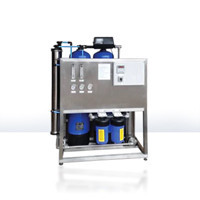
Industrial osmotic filters – the key to reliably clean water
If you run a manufacturing plant, workshop, or any other business where water quality directly affects technological processes, industrial osmotic filters are a solution worth considering. These systems are designed for effective water treatment in business and industrial applications, wherever stable parameters and reliable system operation matter.
Reverse osmosis helps reduce the presence of many contaminants, including dissolved salts, heavy metals, and chlorine, and with the right configuration supports maintaining high water purity in various industries. A properly selected system helps protect equipment, improve process repeatability, and tailor water treatment to the actual needs of the facility.
In this category, you will find solutions for industrial and business applications that support effective water treatment, operational continuity, and compatibility with the installation.
Filter
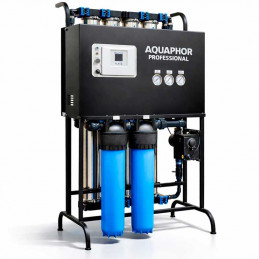
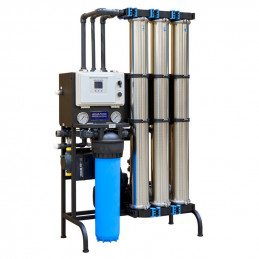
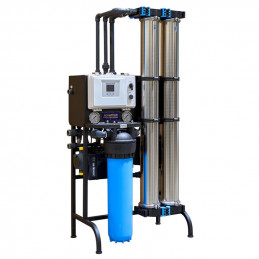
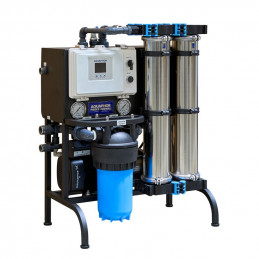
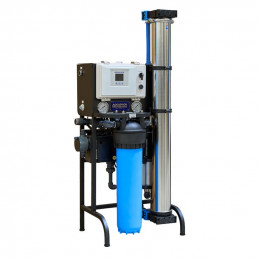
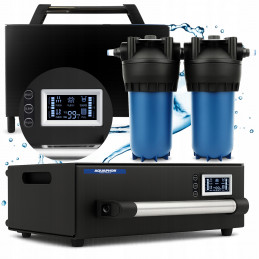
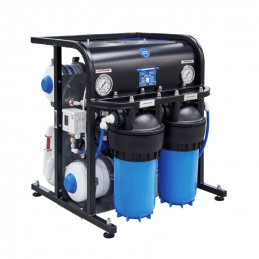
APRO-MCR 100 Commercial reverse osmosis system
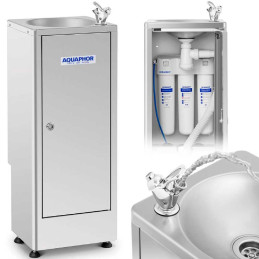
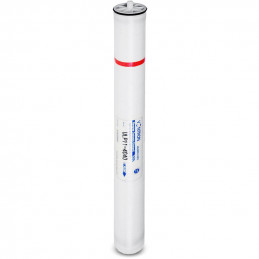
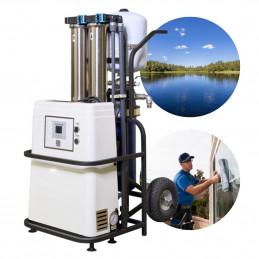
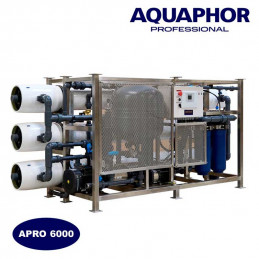
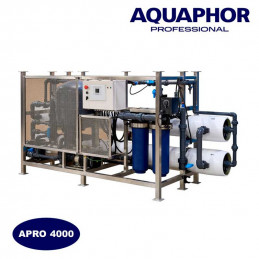
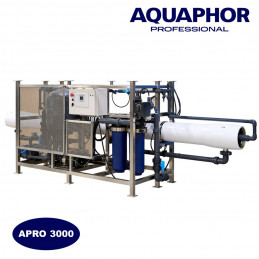
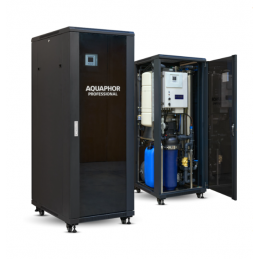
Reverse osmosis is one of the most important technologies used in modern water treatment for industry. In business and production applications, it is not only filtration efficiency that matters, but also parameter repeatability, the ability to operate continuously, and matching the system to the facility’s actual demand. That is why industrial osmotic filters are chosen wherever water quality affects process safety, equipment durability, and the quality of the final product.
Osmotic filters in this category are solutions for industrial and business applications based on reverse osmosis technology. Systems of this type reduce most contaminants and microorganisms, and also help limit the presence of dissolved salts, heavy metals, and chlorine. Compared with domestic solutions, they stand out for their higher capacity, the ability to provide a constant flow of purified water, and adaptation to the requirements of specific technological processes.
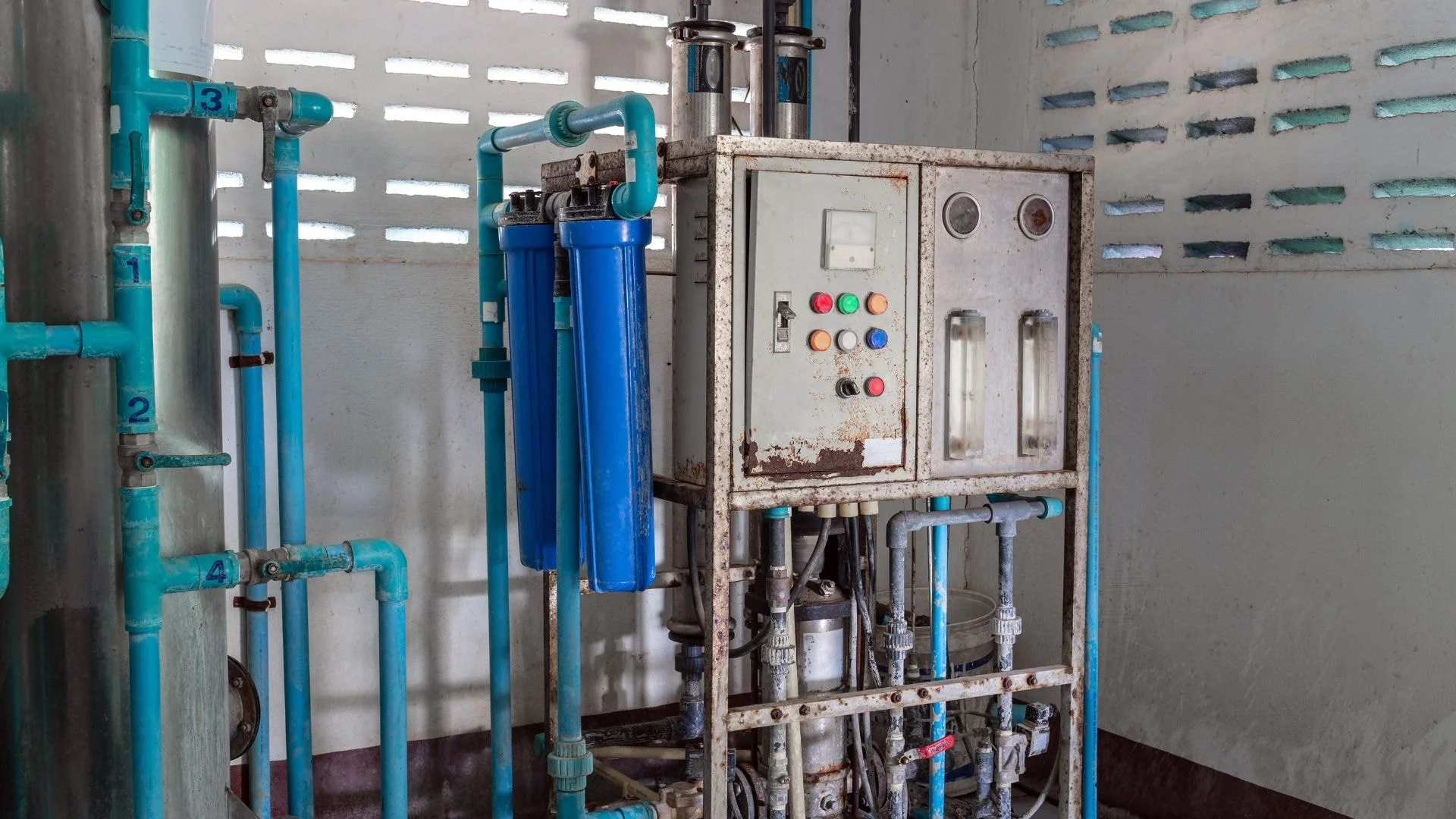
Reverse osmosis – the foundation of clean water in industry
The reverse osmosis process is based on forcing water under high pressure through a semi-permeable membrane with microscopic pores. The membrane retains most contaminants, while primarily water molecules pass through its structure. This makes it possible to purify the medium used in technological processes very effectively.
It is not only about removing contaminants visible to the naked eye. This technology also helps reduce bacteria, viruses, parasites, chemical compounds, excess salt ions, chlorine, heavy metals, nitrates, and other unwanted substances. That is why industrial water filters based on reverse osmosis are an important element wherever water parameters must be strictly controlled.
How an industrial osmotic system works
In practice, industrial osmosis is not just the membrane itself. It is a complete, multi-stage water treatment system in which proper raw water preparation and control of the entire installation play a key role.
Pre-filtration stages
Before the osmotic membrane, components are most often used to protect the system and improve its durability.
- Mechanical filters – remove larger particles and sediment.
- Carbon filters – reduce chlorine and organic substances.
- Water softeners – are particularly useful when water hardness is high.
This arrangement reduces the risk of damage to the key components of the device and helps extend the service life of the osmotic membrane.

Key system components
A fully functional industrial reverse osmosis water filter may include:
- high-pressure pumps providing the proper pressure for the process,
- tanks for storing raw and treated water,
- automatic control systems monitoring pressure parameters and water quality,
- membrane housings designed for easier maintenance and component replacement.
A well-thought-out configuration of these elements means that industrial osmotic filters can operate continuously and meet high water demand. This directly affects production continuity and the safety of equipment and raw materials.
The most important benefits of using osmotic filters
Reverse osmosis is chosen by companies that cannot afford compromises in water quality. The key advantages include:
- effective removal of bacteria, viruses, and parasites,
- reduction of water mineralization and hardness,
- elimination of heavy metals, nitrates, and other harmful compounds,
- long service life with proper maintenance,
- lower risk of machine failures and reduced downtime,
- improved final product quality thanks to more stable water parameters,
- support in meeting the requirements of stringent standards and certifications, especially in the food and pharmaceutical industries.
A properly selected osmotic system is not only about water treatment, but also real support for the entire production process: from equipment protection to greater predictability of finished product quality.
Where industrial reverse osmosis works best
The range of applications for industrial osmotic filters is very broad. Solutions in this category are used, among others, in:
- food plants – for beverage production, fruit and vegetable processing, and bakeries,
- laboratories and pharmaceutical companies – wherever very high water purity is required,
- the chemical and cosmetics industries – as a source of clean water used in processes,
- metal processing plants and the electronics industry – among other things for machine cooling and rinsing components,
- workshops and business facilities – wherever water with controlled parameters affects the quality of installation performance.
In each of these industries, clean water helps reduce the risk of contamination, improve operational efficiency, and stabilize technological processes.

How to choose the right osmotic filter for a company or facility
Purchasing an osmotic system should be preceded by an analysis of actual water demand and installation operating conditions. The most important selection criteria are:
- device capacity – meaning the amount of treated water needed within a specified time,
- specific raw water parameters – including hardness and the level of contaminants,
- operating costs – including membrane and pre-filter servicing,
- installation conditions – available space, drainage capacity, and access to power supply,
- the possibility of system expansion – for example with UV lamps or additional filtration stages.
A sensible choice of installation means a better fit for the company’s current needs and greater flexibility in the future when technological processes or production scale change.
Organized information about osmotic systems
| Area | What is worth knowing |
|---|---|
| Operating principle | Water flows under high pressure through a semi-permeable membrane that retains most contaminants. |
| Most common pre-treatment elements | Mechanical filters, carbon filters, water softeners. |
| Key system components | Membranes, high-pressure pumps, tanks, control systems, membrane housings. |
| Main benefits | High treatment efficiency, equipment protection, better water quality control, process stability. |
| Applications | Food, pharmaceutical, chemical, cosmetics, metalworking, electronics industries, and other business applications. |
| Operation | Requires regular cartridge replacement, membrane inspection, and monitoring of water parameters. |
Service and maintenance – a condition for long service life
For industrial osmotic filters to operate at full capacity, regular maintenance is necessary. This primarily includes replacing filter cartridges at proper intervals and checking the condition of the membrane. Depending on the intensity of use, periodic inspections of the entire system, including pumps and valves, may also be needed.
It is also worth monitoring water parameters such as conductivity, hardness, and pH. Such control makes it possible to detect irregularities faster, avoid costly repairs, and maintain high production process quality. A drop in efficiency or deterioration of water parameters is a signal that the system requires service inspection.
Why it is worth choosing a properly selected osmotic system
Modern industrial water filters based on reverse osmosis help ensure clean water with consistent quality across many industries. Their high efficiency, ability to operate continuously, long service life with proper handling, and reasonable operating costs make them a long-term investment. It is a solution that supports more ecological, economical, and safe processes.
If you care about reliable operation, stable water parameters, and matching the system to the installation, it is worth choosing a solution suited to the actual working conditions of the facility. A properly configured industrial osmosis system is the foundation of modern water treatment.
FAQ – frequently asked questions about osmotic filters
How does industrial reverse osmosis differ from domestic systems?
Industrial osmotic systems have much higher capacity, are adapted for continuous operation, and can be expanded with additional filtration stages and control automation. They are designed for business and production applications where water demand is much higher than at home.
What contaminants does reverse osmosis remove?
Reverse osmosis technology helps remove most contaminants and microorganisms, including bacteria, viruses, parasites, dissolved salts, excess ions, chlorine, heavy metals, nitrates, and many other unwanted compounds.
Are additional filters needed before the osmotic membrane?
Yes, in many installations pre-filtration is used. Most often these are mechanical filters, carbon filters, and water softeners. Their purpose is to protect the membrane and improve the durability and operating stability of the entire system.
In which industries are industrial osmotic filters effective?
Such systems are used, among others, in the food, pharmaceutical, chemical, and cosmetics industries, in laboratories, metal processing plants, electronics, and in other companies where water with controlled parameters is necessary.
What should you pay attention to when choosing an osmotic system?
The most important factors are: device capacity, raw water parameters, operating costs, installation conditions, and the possibility of system expansion. The choice of solution should result from the actual needs of the facility and the specifics of the technological process.
Do osmotic filters require regular servicing?
Yes. To maintain full effectiveness, regular replacement of filter cartridges, inspection of the membrane condition, and periodic checks of other components such as pumps and valves are necessary. Ongoing maintenance affects the durability and reliability of the system.
Which water parameters are worth monitoring during operation?
In practice, it is worth monitoring, among others, water conductivity, hardness, and pH. Such monitoring helps notice deterioration in system performance faster and prevents more serious failures.
Can an osmotic system be expanded in the future?
In many cases, yes. Well-designed systems can be supplemented with additional modules, for example UV lamps or further filtration stages. This makes it easier to adapt the installation to the company’s changing needs.
Why is water quality so important in industrial processes?
Water quality affects equipment durability, process safety, reduction of deposits and contaminants, and the repeatability of finished product quality. In many industries, clean water is one of the key conditions for stable production.