ORP water meter - testers and oxidation-reduction potential indicators
ORP meters are used for quick and precise measurement of the oxidation-reduction potential of water, a parameter showing its oxidizing and reducing properties. This is a practical solution for people who want better control over water quality at home, in service work, installations, and during ongoing assessment of treatment processes.
Redox potential plays an important role in assessing water properties and helps to understand oxidation and reduction processes. In our offer you will find professional ORP testers and indicators that provide accurate readings and convenient use.
By choosing the right ORP meter, you gain not only reliable equipment, but also the ability to consciously control water parameters. It is a practical investment for home users and more demanding applications.
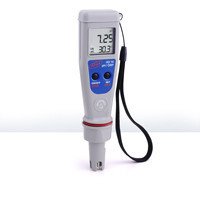
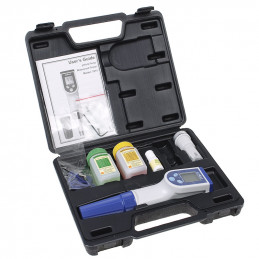
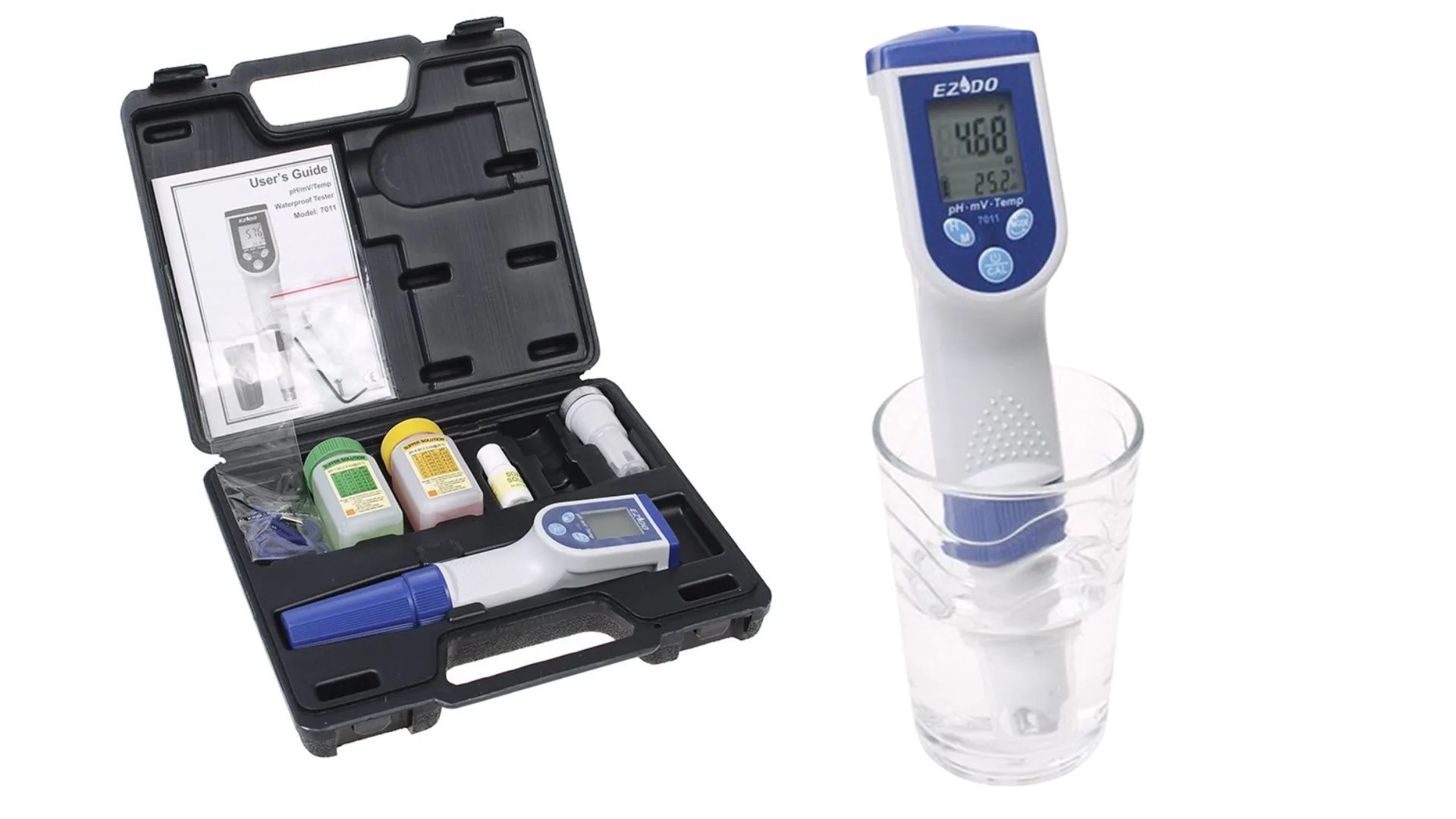
EZDO7011 is a portable, waterproof meter for measuring pH, ORP (mV), and liquid temperature. It offers a range of 0.00-16.00 pH and -1000 to +1000 mV, with a resolution of 0.01 pH and a clear, dual-display LCD set at a 45° angle. It features automatic temperature compensation, a HOLD function, automatic calibration, and a replaceable electrode, which reduces operating costs.
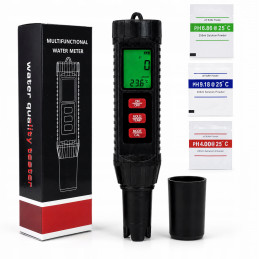
The WODARO 7-in-1 water quality tester is a compact meter for pH, TDS, EC, ORP, SAL, S.G. and temperature with a backlit display, ideal for testing drinking water, aquariums, swimming pools, hydroponics, ponds and RO filtration systems.
ORP meters are devices designed to measure the oxidation-reduction potential of water, expressed in millivolts (mV). This parameter helps determine whether the tested water shows more oxidizing or reducing properties. In practice, ORP measurement is used both in household applications and in water quality control in installations, service work, or swimming pools.
What will you find in this category? ORP meters for quick control of the redox potential of water, helpful in water quality assessment, monitoring treatment processes, and checking water parameters at home and in technical applications.
What does the measurement show? ORP indicates the ability of a solution to carry out oxidation and reduction reactions. A positive result usually indicates an oxidizing environment, while a negative result indicates a reducing environment.
Who is it for? For home users, people using water ionizers, service technicians, installers, and people monitoring pool and utility water.
What is redox potential and why is it worth measuring?
Oxidation-reduction potential, also called redox potential, is a measure of a substance's ability to donate or accept electrons in chemical processes. From the perspective of water properties, it is one of the parameters helpful in assessing the chemical reactions occurring in it.
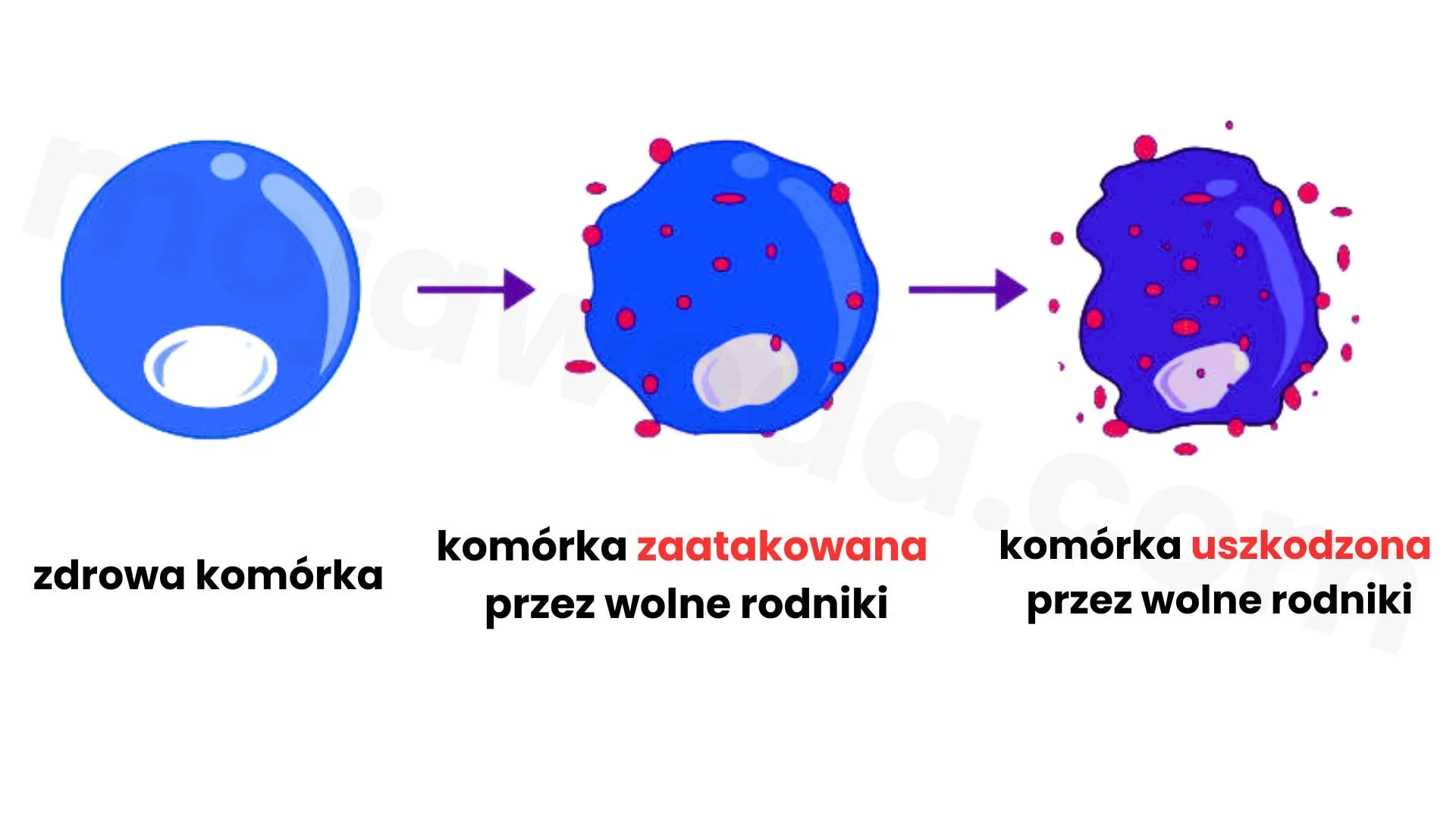
Positive redox potential indicates an oxidizing environment in which electron donation processes dominate. Negative redox potential, on the other hand, means a reducing environment that promotes neutralization of free radicals. Regular ORP measurement allows you to consciously monitor water quality and better adapt it to your own needs.
ORP measurement helps control the oxidation-reduction properties of water.
Negative redox potential - benefits and significance
The original description emphasized that water with a negative redox potential acts as a strong antioxidant, neutralizing harmful free radicals and counteracting their oxidizing properties. Such water may support cell regeneration processes, slow down aging processes, and support body detoxification.
It was also indicated that choosing water with a favorable redox potential may support natural regenerative processes. To obtain negative water potential, you can use , including water ionizers that transform tap water into alkaline water with beneficial properties.
ORP measurement - what is a redox test?
An ORP test consists of assessing water's ability to carry out oxidation and reduction reactions. ORP is measured in millivolts (mV), and the obtained result indicates the oxidizing or reducing properties of the tested sample. The lower the ORP value, the greater the water's ability to neutralize free radicals.
Oxidation Reduction Potential (ORP) is an important indicator when assessing water quality in terms of its chemical properties. Water with low ORP may support antioxidant processes, while water with high ORP may show stronger oxidizing properties. Therefore, regular measurements help monitor changes in water quality over time.
How to interpret ORP measurement results?
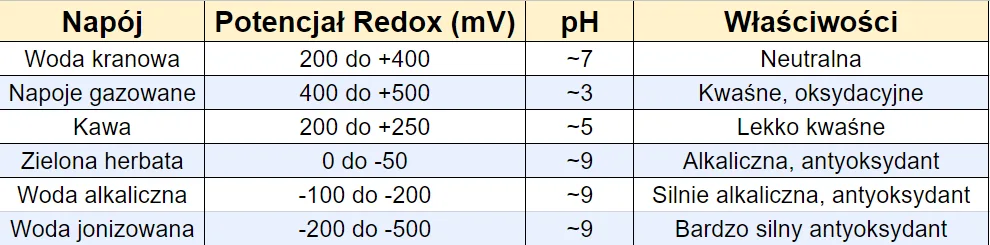
To make results easier to read, below we have gathered the basic principles for interpreting redox values.
ORP value
Basic interpretation
Above 0 mV
Water or a beverage shows oxidizing properties and may promote the formation of free radicals.
Below 0 mV
Water or a beverage shows reducing properties, referred to as antioxidant.
The current page content also states that carbonated drinks often have high redox potential and low pH, making them acidic and strongly oxidative. In turn, green tea and alkaline water may show negative ORP values, which is associated with their reducing properties.
Practical conclusion: regular ORP monitoring allows for a more conscious assessment of water and beverages and a better understanding of the relationships between their composition, pH, and oxidation-reduction properties.
ORP redox meter - where is it used?
A professional ORP meter is useful wherever quick control of water parameters matters.
at home - for ongoing assessment of water quality and checking the operation of selected devices,
when using water ionizers and other treatment systems,
in service work and installations - for checking water parameters during inspections and diagnostics,
in swimming pools - for assessing disinfection effectiveness,
in technical applications - wherever repeatable control of water properties is important.
The ORP meter works well both in household conditions and in more technical applications.
How is an ORP meter built?
An ORP meter, also called an ORP indicator, is used to measure redox potential in a solution. Its most important element is the measuring electrode composed of two parts: the redox half-cell and the reference electrode.
The redox half-cell reacts with the tested solution and enables electron exchange, while the reference electrode provides a constant potential serving as the reference point for the measurement. The potential difference between these elements makes it possible to determine the ORP value. The reading is directly related to the activity of oxidation and reduction reactions occurring in the water.
How to use a redox meter step by step?
Prepare the device - take the meter out of its case and check whether it is clean and working properly.
Perform calibration - if the given model requires it, use the appropriate standard solutions according to the manufacturer's instructions.
Prepare the sample - pour the tested water into a clean container to avoid sample contamination.
Immerse the electrode - the measuring tip should be completely immersed in the tested water.
Wait for stabilization - the reading may stabilize after a few seconds or a few minutes.
Read the result - check the value displayed on the screen.
Rinse the electrode - after measurement, rinse it with clean water and gently dry it.
Store safely - put the device back into its case to reduce the risk of damage.
Regular maintenance and calibration help maintain measurement accuracy and repeatability.
Effect of pH on redox potential
The pH of water has a significant impact on redox potential because both parameters are linked in chemical reactions. The availability of hydrogen ions (H+) and hydroxide ions (OH-) affects the course of oxidation and reduction processes.
In an acidic environment (low pH) a high concentration of H+ ions may promote reduction processes and contribute to lowering the redox potential value.
In an alkaline environment (high pH) the dominance of OH- ions may promote oxidation processes and lead to an increase in redox potential value.
Therefore, when assessing water quality, it is worth monitoring both pH and ORP at the same time to obtain a more complete picture of the chemical processes taking place.
Simultaneous pH and ORP monitoring makes it easier to assess water quality more accurately.
Redox in a pool - why is ORP measured and how can you influence the result?
Redox potential in swimming pools is an important parameter indicating the water's ability to disinfect and eliminate microorganisms. ORP measurement helps assess the effectiveness of disinfectants such as chlorine and maintain water cleanliness and safety for users.
Why is ORP measured in swimming pools?
Sanitary safety - high redox potential means effective disinfection and a low level of bacteria and viruses.
Disinfection efficiency - it is easier to select the right dose of chemicals while maintaining effectiveness.
User comfort - proper water parameters translate into better bathing quality.
How to increase redox potential in a pool?
Action
Practical significance
Adding disinfectants
Using chlorine or other oxidizers increases redox potential and improves the water's ability to eliminate pathogens.
Maintaining the appropriate pH
Redox potential depends on water pH. The 7.2-7.6 range increases disinfection effectiveness.
Regular filtration
Removing physical contaminants improves water quality and supports maintaining high ORP.
How to choose the right ORP meter?
When choosing a device, it is worth paying attention to several practical issues:
whether the meter is intended for quick field or household measurements,
whether a given model allows calibration,
how quickly the reading stabilizes,
whether the electrode is easy to keep clean,
whether the device will perform well in the intended application: home, service, installation, or pool use.
A properly selected ORP meter makes regular and reliable control of water parameters easier.
Why buy an ORP meter in this category?
In this category you will find ORP meters designed for precise measurement of the redox potential of water. These are practical solutions for people who want better control over water quality, monitor treatment processes, and perform repeatable measurements in a convenient way.
With a properly selected tester, you can assess water properties faster, compare results, and carry out more conscious parameter control in everyday use.
A professional ORP tester is a convenient tool for daily monitoring of redox potential.
FAQ - frequently asked questions about ORP meters
What is water ORP?
ORP is the oxidation-reduction potential of water, a parameter defining the ability of a solution to participate in oxidation and reduction reactions. The result is given in millivolts (mV).
What does a positive ORP result mean?
Positive redox potential usually indicates an oxidizing environment. The current category content describes that such water may promote the formation of free radicals.
What does a negative ORP result mean?
A negative ORP result means a reducing environment. The category description indicates that such water acts as an antioxidant and promotes neutralization of free radicals.
In what units is redox potential measured?
Redox potential is measured in millivolts, i.e. mV. This is the standard unit used in ORP testers and meters.
Does an ORP meter need to be calibrated for measurement?
It depends on the device model. If the manufacturer provides for calibration, it should be performed according to the instructions and using the appropriate standard solutions.
Why is it worth measuring pH and ORP at the same time?
pH and ORP are interrelated. Simultaneous control of both parameters gives a more complete picture of water quality and makes it easier to interpret the chemical processes occurring in it.
How long do you have to wait for an ORP measurement result?
The reading stabilization time depends on the device and the tested sample. It may take from a few seconds to a few minutes.
What is an ORP meter useful for in a pool?
ORP measurement in a pool helps assess disinfection effectiveness, control the action of chemicals, and keep the water in proper sanitary condition.
How to take care of an ORP meter electrode?
After each measurement, it is worth rinsing the electrode with clean water, gently drying it, and storing the device safely. Regular maintenance supports measurement accuracy and durability.