
- There are no more items in your cart
- Shipping
- Total 0.00 zł



- Bestsellers
- Wholesale
- Water filters
- Whole house filters
- Kitchen filters
- Bathroom filters
- Aquarium filters
- Reverse osmosis
- Water demineralizers
- Filter cartridges
- UV bactericidal lamps
- Alkaline water ionizers
- Industrial water filters
- Accessories, parts, and others
- Descaling filters for the coffee machine
- Water softeners and iron removers
- Water saturators
- ACES
- AMBERLITE
- AQUA VITA
- AQUAFILTER
- AQUAPHOR
- AQUATOR
- BASSAU
- BERG
- BIOCERA
- BIONIQ
- BLUEFILTERS
- CHEMOFORM
- CINTROPUR
- DAFI
- DELONGHI
- DIAMOND
- DOM WODY
- ECOWATER
- FILMTEC
- FIT ALCO
- FITAQUA
- GREEN FILTER
- HANNA INSTRUMENTS
- HELIXPRO
- HELLO PURE
- HIDROTEK
- HM-DIGITAL
- HONEYWELL
- Ibo
- JAVEL
- KLARWOD
- KRUPS
- MIDEA
- OTOWODA
- OTTONE
- Palintest
- PENTAIR
- PHILIPS
- PLATINUM WASSER
- PUROLITE
- SIEMENS
- Steingraf
- SUPREME
- TAB-SOL
- TOP FILTER
- UST-M
- USTM
- VONTRON
- WODARO
-
PayU

Tips
-
The water in the osmosis system is constantly flowing to the sewage - what to do?
-
Hydrogen water – effects, benefits, reviews – is it a scam?
-
Reverse osmosis - operating costs
-
Elimination of chlorine from water – why is it worth doing?
-
Pesticides in water - what they are, health risks, how to remove them
-
The water in the osmosis system is constantly flowing to the sewage - what to do?
-
Organic compounds in water – harmfulness, removal, and where do they come from?
-
Ammonia in water – where does it come from, is it harmful, and how to remove it?
-
Water filtration - why? Hit or miss?
-
Drinking water - effects after a month, skin and weight loss
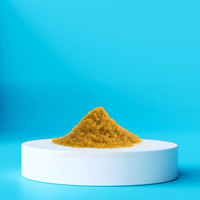
Filter media for water filtration
Filter media are materials used in water treatment systems, whose main task is water purification. Most often, they take the form of a filtration material placed inside a filter or tank, where they are responsible for reducing specific contaminants and improving water parameters.
At MojaWoda.com, you will find high-performance filter media of various types, suited to domestic and industrial applications. These include, among others, softening media based on polystyrene, strongly acidic gel-type cation exchange resin, demineralizing media using two types of ion exchange resins, multifunctional media for comprehensive water treatment, and activated carbon with a high capacity for adsorbing organic contaminants.
A properly selected filtration medium makes it possible to effectively reduce water hardness, remove iron, manganese, ammonium ion, or organic compounds, and obtain water suitable for the specific needs of an installation. Choose high quality and explore the MojaWoda.com filter media range.
Filter
Brand
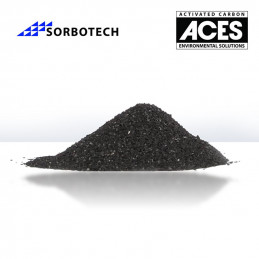
Choosing the right filter medium is crucial for the effectiveness of the entire water treatment system. It is the filtration medium that is responsible for removing specific contaminants, improving the taste and smell of water, reducing hardness, and protecting installations and devices from scale or corrosion. In this category, you will find media designed for both domestic and professional applications.
In the Filter media category, there are media available for various water treatment tasks: softening media, demineralizing media, multifunctional media, activated carbon, ion exchange resins, and media used for removing iron, manganese, and nitrates. Individual solutions are selected according to raw water quality, the expected filtration effect, and the type of installation.
What is the role of a filter medium?
Filter medium is a working material placed in a filter or tank, whose task is to purify water from selected contaminants. Depending on the type, it may work through adsorption, ion exchange, or by combining several mechanisms at the same time.
In practice, this means the possibility of matching the medium to a specific water problem: excessive hardness, the presence of iron and manganese, nitrates, ammonium ion, organic contaminants, unpleasant odor, or the need to obtain water of very high purity.
Types of filter media and their application
Softening media and ion exchange resins
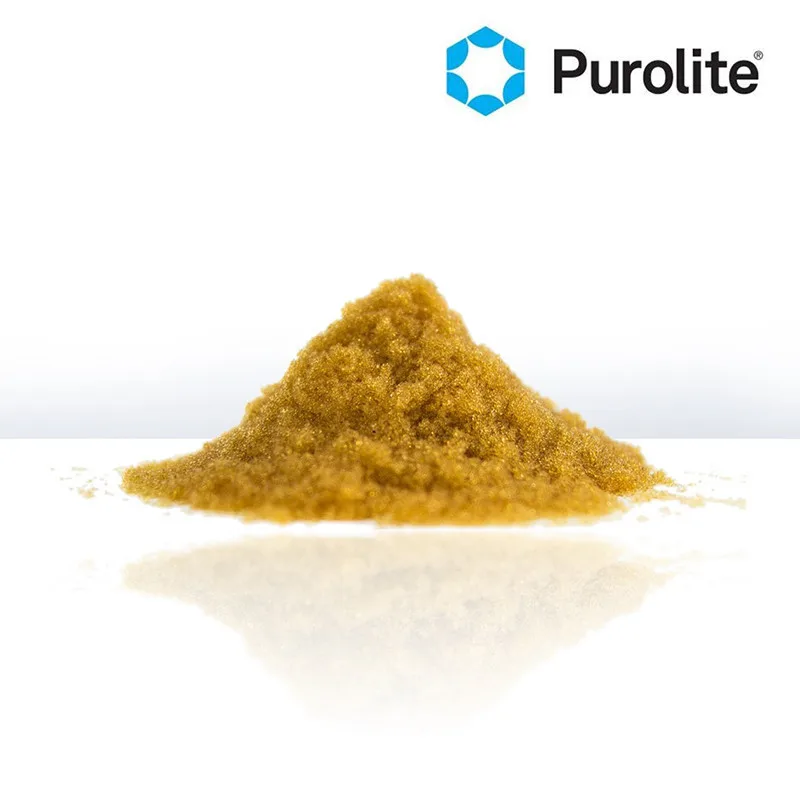
Softening media are used to reduce water hardness in domestic and utility installations. They use polystyrene, strongly acidic gel-type cation exchange resin, which enables the exchange of calcium and magnesium ions for sodium ions. This process is responsible for water softening.
Ion exchange resins are also valued for their ability to remove heavy metals and radionuclides. In practice, they help protect fittings, household appliances, heating installations, and water systems against scale buildup.
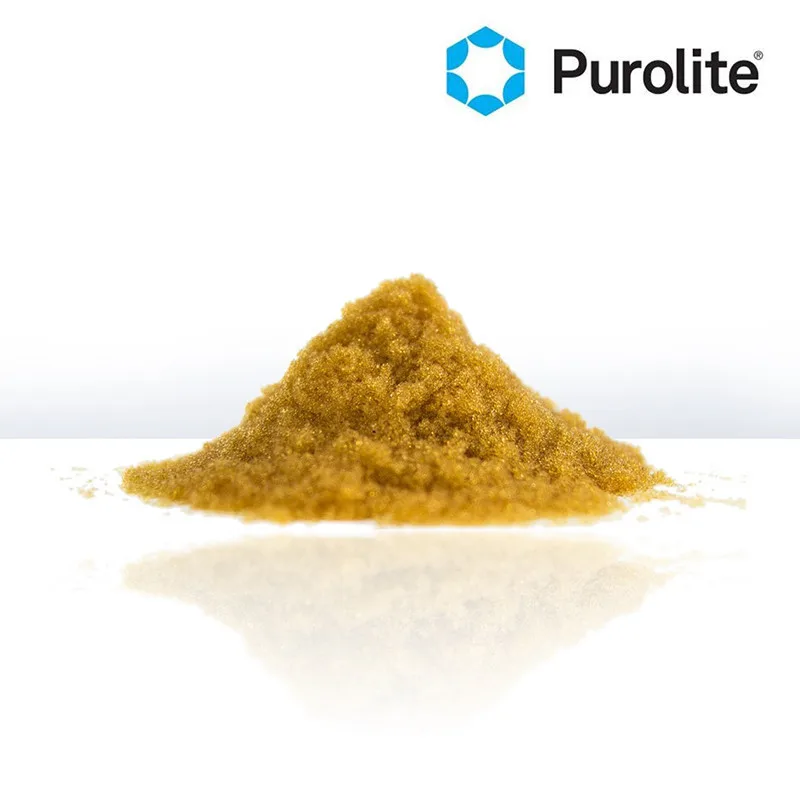
Nitrate resin
A special type of ion exchange resin is resin for removing nitrates from water. This type of medium is particularly important in agricultural areas, where nitrates may seep into groundwater. Effective reduction of their concentration is important for health reasons, among others due to the risk of methemoglobinemia in infants.
Demineralizing media
Demineralizing media are used when chemically pure water is needed. Their effectiveness results from the use of two ion exchange resins: a strongly acidic cation resin and a strongly basic anion resin. They make it possible to remove nearly all minerals from water.
Such solutions are indispensable wherever very high process precision is required, for example in laboratories or the pharmaceutical industry.
Multifunctional media
Multifunctional media are comprehensive filtration media that combine different purification methods. Thanks to this, one medium can be responsible for several processes at the same time.
Their properties allow, among other things:
- water softening,
- hardness removal,
- iron reduction,
- manganese reduction,
- ammonium ion removal,
- reduction of organic contaminants.
This is a practical solution for users who expect efficiency and compactness in one system.
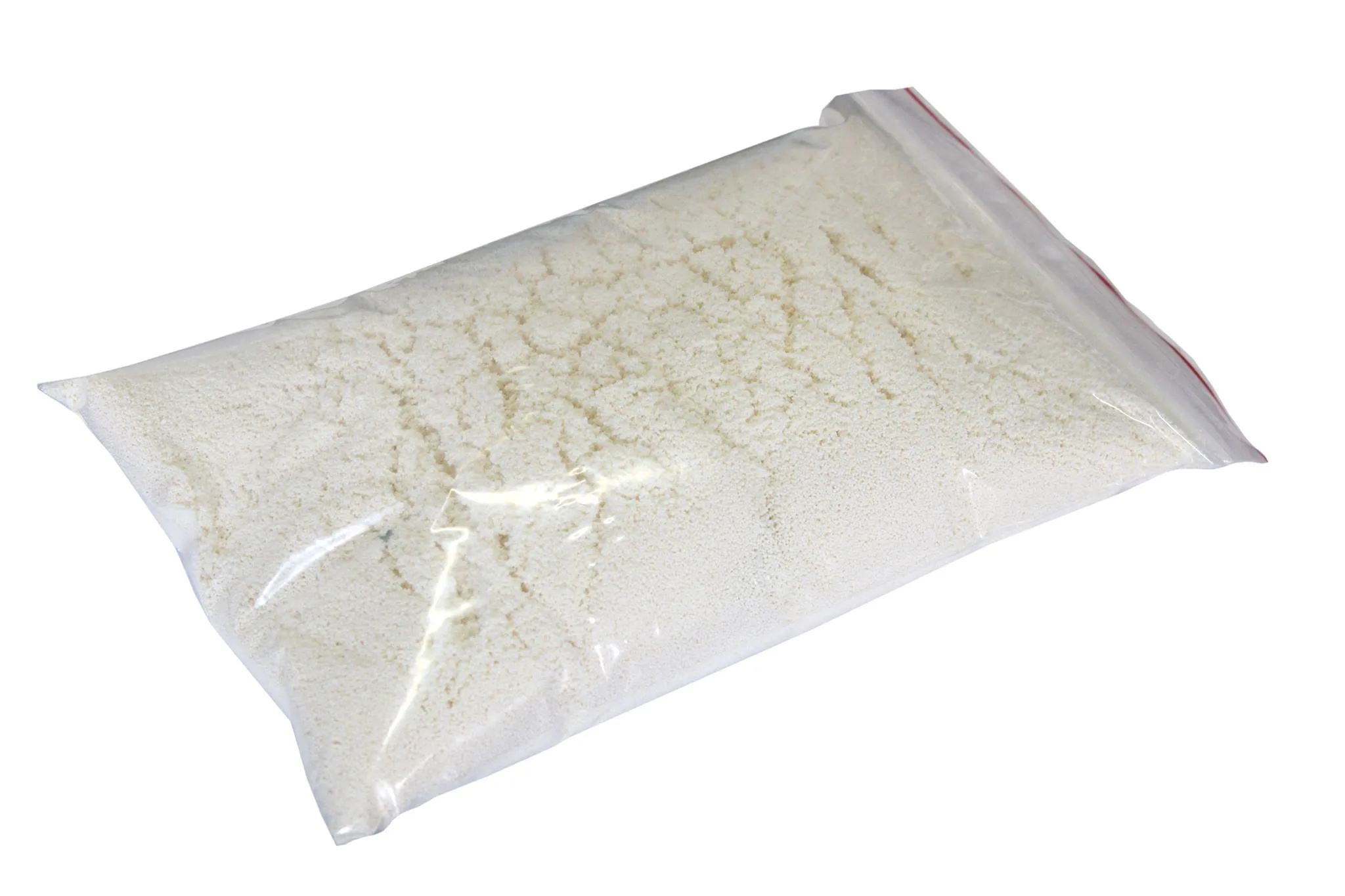
Activated carbon
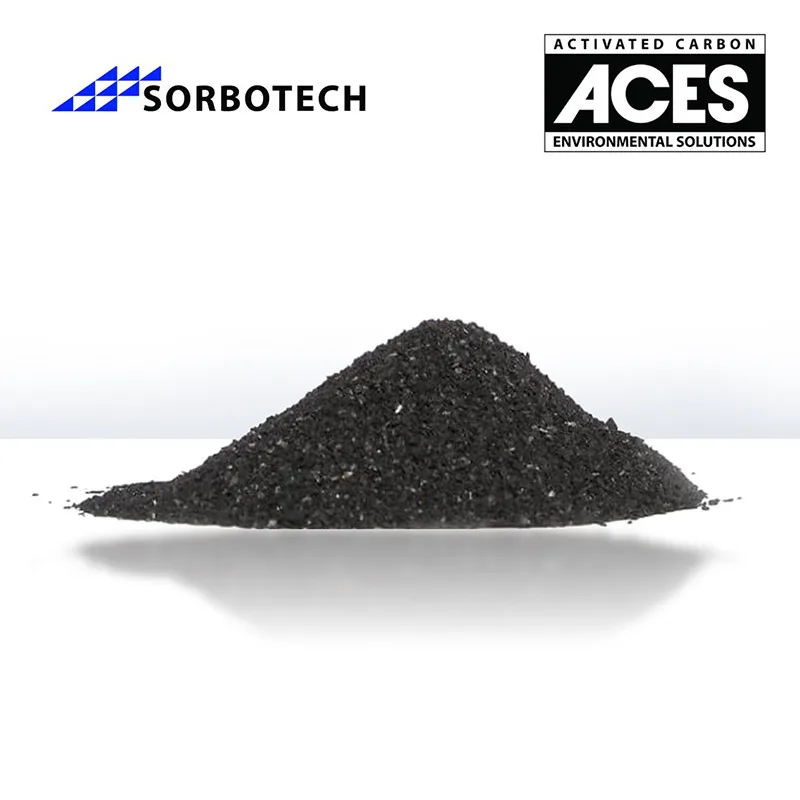
Activated carbon, obtained mainly from coconut shells, is one of the most popular filtration media. Its porous structure provides a very high adsorption capacity, thanks to which it effectively reduces chlorine, unpleasant odors, and many organic contaminants. It may also reduce the presence of pesticides, organic solvents, and certain substances that negatively affect water taste.
Activated carbon is produced by burning the material at a specific temperature and then subjecting it to a gasification process, which activates its porous structure. Its use goes beyond water filtration and also includes medicine, cosmetics, skin and hair care, dental care, and horticulture. In the context of water treatment, it is valued both in household filters and in large industrial treatment stations.
Good to know: activated carbon used in water filters is considered safe for health. Its role is to improve water quality through the adsorption of contaminants affecting taste, smell, and performance parameters.
Media for iron removal filters
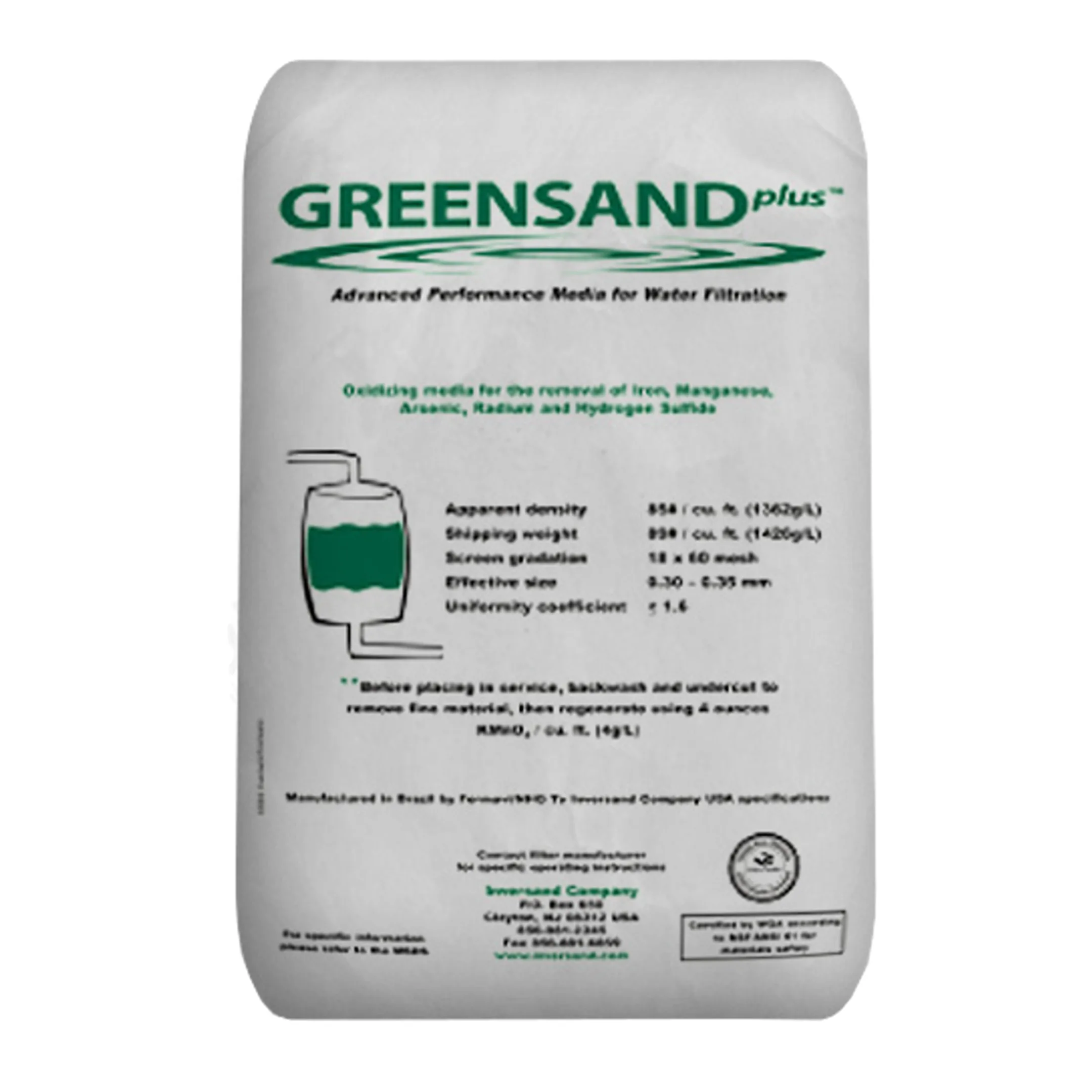
Media for iron removal filters are intended for treating water with elevated iron and manganese content. Their use helps improve water clarity and freshness, as well as protect the installation from corrosion and the buildup of iron and manganese compounds.
To remove these contaminants, media based on manganese oxides are often used, which effectively adsorb metals present in water.
Why does the right medium selection matter?
The effectiveness of filtration depends not only on the device, but above all on properly matching the filtration medium to the water quality problem. A correctly selected medium can bring real practical and operational benefits:
- improvement of water taste and smell,
- reduction of scale buildup,
- protection of fittings and household appliances,
- reduction of iron, manganese, nitrates, or organic compounds,
- obtaining very high purity water for specialist applications,
- greater efficiency of the entire treatment system.
How to choose a filter medium?
Before making a purchase, it is worth determining what effect you want to achieve and what water problem you are dealing with. The most important selection criteria are:
- type of contaminants – hardness, iron, manganese, nitrates, chlorine, organic compounds,
- application – domestic installation, water intake point, industrial or laboratory use,
- expected effect – softening, demineralization, improvement of taste and smell, iron removal,
- compactness of the solution – single medium or multifunctional medium,
- intensity of use – frequency of operation and water consumption.
| Type of medium | Main application | Key action |
|---|---|---|
| Softening medium | Reduction of water hardness | Exchange of calcium and magnesium ions for sodium ions |
| Demineralizing medium | Obtaining chemically pure water | Removal of nearly all minerals thanks to cation and anion resin |
| Multifunctional medium | Comprehensive treatment | Softening, reduction of iron, manganese, ammonium ion, and organic contaminants |
| Activated carbon | Improvement of the organoleptic quality of water | Adsorption of chlorine, odors, and organic contaminants |
| Nitrate resin | Nitrate reduction | Removal of nitrate compounds from water |
| Medium for iron removal filter | Removal of iron and manganese | Improvement of water clarity and installation protection |
Short guide to replacing filter media
Regular inspection and replacement of the filtration medium is very important for the effective operation of a water treatment station. The basic process of replacing the medium is as follows:
- Turn off the filter and disconnect the device from the power source.
- Drain the tank of water.
- Remove the old medium according to the manufacturer's instructions.
- Thoroughly clean the tank of residues.
- Install the new medium, distributing it evenly.
- Fill the tank with water and restore power to the device.
- Flush the system to remove contaminants generated during replacement.
The replacement frequency depends on the type of medium, water quality, and the intensity of installation use. Therefore, it is worth regularly assessing the condition of the filtration medium and following the device manufacturer's recommendations.
Summary
Filter media are the foundation of effective water treatment. They are responsible for softening, demineralization, removal of iron, manganese, nitrates, and the reduction of organic contaminants and unpleasant odors. A conscious choice of the right medium and regular system servicing allow you to enjoy clean, healthy, and safe water every day.
Which medium should I choose for an iron removal filter?
For removing iron and manganese from water, media based on manganese oxides are most commonly used, as they effectively adsorb these metals and help improve water clarity.
What medium is used in a water softener?
Ion exchange resins are most commonly used in water softeners. They replace calcium and magnesium ions responsible for water hardness with sodium ions, making the water softer.
When should the medium in a water treatment station be replaced?
The replacement time depends on the type of medium, water quality, and intensity of use. In general, regular assessment of the medium condition is recommended, and in many cases inspection is worth carrying out every 2–3 years.
How often should the medium in a water softener be replaced?
The medium in a water softener is replaced on average every 5–10 years. The actual lifespan depends on the device's operating conditions, raw water quality, and proper use.
Is activated carbon safe?
Yes, activated carbon used in water filters is safe for people. It is a natural medium, often obtained from wood or coconut shells, used for adsorbing chlorine, toxins, and organic contaminants.
What are the benefits of activated carbon filtration?
Activated carbon filtration improves the taste and smell of water and helps remove chlorine, pesticides, organic solvents, and many other organic contaminants. It may also reduce compounds such as trihalomethanes that affect water quality.
What are demineralizing media used for?
Demineralizing media are used to obtain chemically pure water. They are used wherever very high purity is needed, including in laboratories and in the pharmaceutical industry.
When is it worth choosing multifunctional media?
Multifunctional media work well when the user wants to reduce several water quality problems at the same time, for example hardness, iron, manganese, ammonium ion, and some organic contaminants, using one compact solution.
Can ion exchange resin remove nitrates?
Yes, a properly selected ion exchange resin can be used to remove nitrates from water. This is especially important in agricultural areas, where nitrates may seep into groundwater.