
- There are no more items in your cart
- Shipping
- Total 0.00 zł



- Bestsellers
- Wholesale
- Water filters
- Whole house filters
- Kitchen filters
- Bathroom filters
- Aquarium filters
- Reverse osmosis
- Water demineralizers
- Filter cartridges
- UV bactericidal lamps
- Alkaline water ionizers
- Industrial water filters
- Accessories, parts, and others
- Descaling filters for the coffee machine
- Water softeners and iron removers
- Water saturators
- ACES
- AMBERLITE
- AQUA VITA
- AQUAFILTER
- AQUAPHOR
- AQUATOR
- BASSAU
- BERG
- BIOCERA
- BIONIQ
- BLUEFILTERS
- CHEMOFORM
- CINTROPUR
- DAFI
- DELONGHI
- DIAMOND
- DOM WODY
- ECOWATER
- FILMTEC
- FIT ALCO
- FITAQUA
- GREEN FILTER
- HANNA INSTRUMENTS
- HELIXPRO
- HELLO PURE
- HIDROTEK
- HM-DIGITAL
- HONEYWELL
- Ibo
- JAVEL
- KLARWOD
- KRUPS
- MIDEA
- OTOWODA
- OTTONE
- Palintest
- PENTAIR
- PHILIPS
- PLATINUM WASSER
- PUROLITE
- SIEMENS
- Steingraf
- SUPREME
- TAB-SOL
- TOP FILTER
- UST-M
- USTM
- VONTRON
- WODARO
-
PayU

Tips
-
The water in the osmosis system is constantly flowing to the sewage - what to do?
-
Hydrogen water – effects, benefits, reviews – is it a scam?
-
Reverse osmosis - operating costs
-
Elimination of chlorine from water – why is it worth doing?
-
Pesticides in water - what they are, health risks, how to remove them
-
The water in the osmosis system is constantly flowing to the sewage - what to do?
-
Organic compounds in water – harmfulness, removal, and where do they come from?
-
Ammonia in water – where does it come from, is it harmful, and how to remove it?
-
Water filtration - why? Hit or miss?
-
Drinking water - effects after a month, skin and weight loss
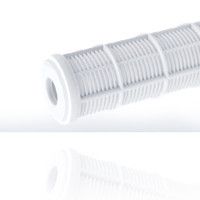
Reusable mechanical filters
Reusable water filter cartridges are a solution designed for repeated cleaning and reinstallation. Their design makes it possible to rinse out trapped contaminants under running water, so one cartridge can operate longer and more economically than standard disposable elements.
These types of mechanical water filters help protect the other filters in the system while also removing typical solid impurities from water, such as silt, sand, suspended solids, and rust. The MojaWoda.com range includes cartridges from renowned brands Top Filter and Aquafilter, available in pleated and mesh versions.
If you want precise water filtration right from the initial stage and prefer convenient, economical operation, choose reusable cartridges matched to your water treatment system.
Filter
Price
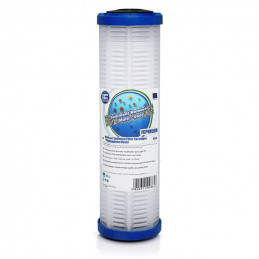


Reusable mechanical filters are a practical choice for people who want to effectively retain solid contaminants in water while also reducing the need for frequent cartridge replacement. These types of solutions work well as the first stage of filtration, helping protect the water system, appliances, and subsequent treatment stages.
In this category, you will find reusable mechanical filters designed to remove contaminants from water such as silt, sand, suspended solids, and rust. The cartridges can be cleaned under running water and reinstalled, which translates into ease of use, more economical operation, and less waste. The range includes solutions from Top Filter and Aquafilter, in mesh and pleated variants.
How do reusable mechanical filters work?
Reusable water filters use a mesh or woven filter medium to retain particles present in flowing water. In the case of mesh filters, the filter element takes the form of a metal or synthetic mesh that can be removed, thoroughly cleaned, and reused.
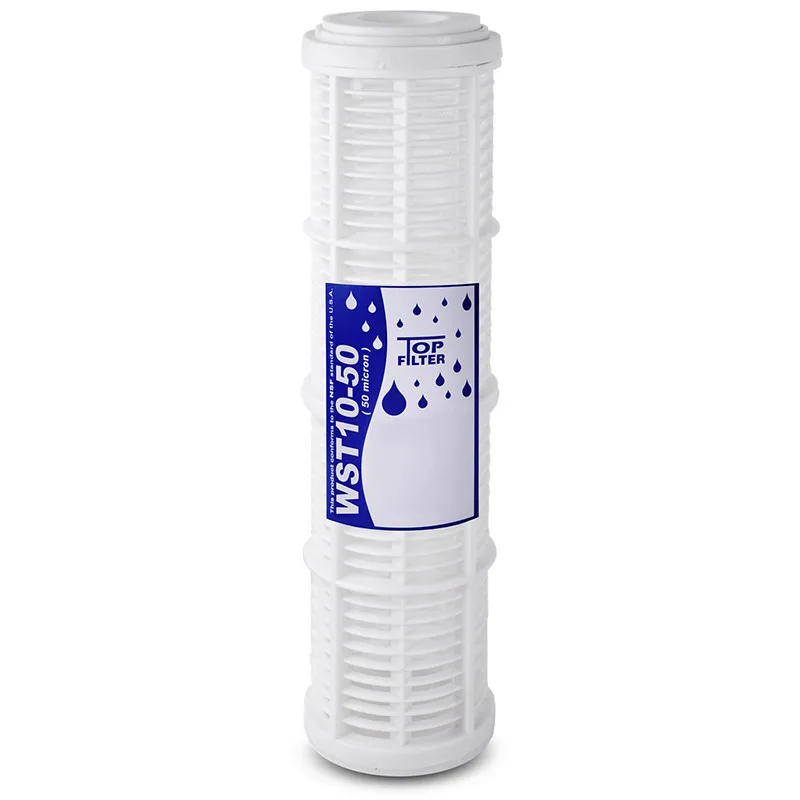
This design allows the same cartridge to be used more than once. After retaining deposits, simply rinse the contaminants away under running water and reinstall the cartridge in the filter housing. This solution is especially valued where larger solid particles regularly appear in the water.
Key benefits of use
Reusable mechanical filters combine simple operation with real practical benefits.
- Economy – they reduce the need for frequent cartridge replacements, which helps lower the operating costs of the filtration system.
- Ecology – the ability to clean and reuse them means less waste than with disposable cartridges.
- Efficiency – they effectively retain mechanical impurities, supporting water cleanliness.
- System protection – they help protect pipes, fittings, pumps, and water-using appliances from deposits.
- Protection of subsequent filtration stages – they capture larger particles, so the remaining filters in the system are under less strain.
- Ease of maintenance – cleaning the cartridge is quick and does not require complicated servicing procedures.
What contaminants do they remove?
Reusable cartridges are designed mainly to retain mechanical impurities, meaning solid particles present in water that may be visible or invisible to the naked eye.
- silt,
- sand,
- suspended solids,
- rust.
These are solutions for mechanical filtration. They are not intended to remove chemical or biological contaminants such as bacteria, viruses, or substances dissolved in water. In such cases, additional treatment stages are used.
Where are reusable filters suitable?
Water mesh filters and other reusable cartridges are used in many areas – from basic household installations to more demanding technical systems.
- in household water systems,
- in installations supplied with mains water or well water,
- in pressure tank systems,
- in agricultural applications,
- in selected industrial applications.
They are especially useful in pressure tank systems, where they help protect pumps and other system components from damage caused by larger particles present in the water.
Variants available in this category
The MojaWoda.com offer includes reusable cartridges from renowned manufacturers, including Top Filter and Aquafilter. The category mainly includes two popular construction types.
| Cartridge type | Characteristics | Application |
|---|---|---|
| Mesh | Uses a metal or synthetic mesh that can be removed and cleaned. | For retaining larger solid particles and protecting the system. |
| Pleated | Increased filtration surface area thanks to the folded medium design. | As an effective stage of mechanical filtration in various water treatment systems. |
How to choose the right reusable cartridge?
It is worth basing the choice of the right cartridge on the type of installation and the nature of the contaminants present in the water.
- Check the filter application – a household installation has different needs than a pressure tank system or a technical setup.
- Assess the type of contaminants – mechanical filters work best with deposits such as sand, rust, silt, and suspended solids.
- Pay attention to the cartridge design – the mesh and pleated variants may differ in the way they work and in how easily they fit a specific system.
- Verify compatibility – before purchasing, make sure the cartridge fits your existing housing or filtration system.
- Consider the cleaning frequency – the more contaminants in the water, the more often the filter will require inspection and rinsing.
Operation and cleaning
One of the most important advantages of this product category is the possibility of reuse after cleaning. Regular inspection of the cartridge helps maintain filtration effectiveness and protect the system from reduced performance.
It is most often recommended to check the condition of the filter every 1–3 months, although the actual frequency depends on water quality and the amount of contaminants. In places where the water carries a lot of sediment, inspection may be needed more often.
Why is it worth using them at the beginning of filtration?
Reusable mechanical filters work very well as a preliminary treatment stage. By stopping larger solid particles right at the inlet, they help reduce the load on subsequent cartridges and system components. In practice, this means better protection for the entire installation and more orderly operation of multi-stage filtration.
FAQ – frequently asked questions
What are reusable mechanical filters?
These are filter cartridges designed to remove mechanical impurities from water, which can be cleaned and reinstalled after becoming dirty. Thanks to this, they can be used more than once.
How do reusable water filter cartridges work?
They work by retaining solid particles on the filter medium, most often mesh or woven. Contaminants remain on the surface of the cartridge, and after cleaning, the filter can return to operation.
What contaminants do reusable filters remove?
They mainly remove mechanical impurities such as sand, silt, suspended solids, and rust. They are used to protect the installation and other components of the filtration system.
How often should reusable mesh filters be cleaned?
The cleaning frequency depends on water quality and the amount of sediment. Usually, it is recommended to inspect and clean the filter every 1–3 months, and even more often with more contaminated water.
Are mesh filters suitable for every type of contamination?
No. Mesh filters effectively retain larger solid particles such as sand or rust, but they are not intended to remove chemical and biological contaminants, for example bacteria, viruses, or dissolved substances.
What are the main differences between mesh filters and activated carbon filters?
Mesh filters remove solid particles and can be reused after cleaning. Activated carbon filters work differently – they are mainly responsible for reducing selected chemical and organic contaminants through adsorption, and their cartridges require regular replacement.
Are reusable mechanical filters suitable for a pressure tank system?
Yes, this is one of their common applications. In pressure tank systems, they help protect pumps and other installation components from damage caused by larger particles present in the water.
Is using reusable filters cost-effective?
For many users, yes, because the ability to clean and reuse them reduces the need for frequent purchases of new cartridges. This results in more economical system operation.
Why is it worth installing such a filter at the beginning of the system?
Because it stops larger contaminants already at the preliminary filtration stage. Thanks to this, it helps protect downstream cartridges, fittings, appliances, and the entire installation from excessive sediment load.