
- There are no more items in your cart
- Shipping
- Total 0.00 zł



- Bestsellers
- Wholesale
- Water filters
- Whole house filters
- Kitchen filters
- Bathroom filters
- Aquarium filters
- Reverse osmosis
- Water demineralizers
- Filter cartridges
- UV bactericidal lamps
- Alkaline water ionizers
- Industrial water filters
- Accessories, parts, and others
- Descaling filters for the coffee machine
- Water softeners and iron removers
- Water saturators
- ACES
- AMBERLITE
- AQUA VITA
- AQUAFILTER
- AQUAPHOR
- AQUATOR
- BASSAU
- BERG
- BIOCERA
- BIONIQ
- BLUEFILTERS
- CHEMOFORM
- CINTROPUR
- DAFI
- DELONGHI
- DIAMOND
- DOM WODY
- ECOWATER
- FILMTEC
- FIT ALCO
- FITAQUA
- GREEN FILTER
- HANNA INSTRUMENTS
- HELIXPRO
- HELLO PURE
- HIDROTEK
- HM-DIGITAL
- HONEYWELL
- Ibo
- JAVEL
- KLARWOD
- KRUPS
- MIDEA
- OTOWODA
- OTTONE
- Palintest
- PENTAIR
- PHILIPS
- PLATINUM WASSER
- PUROLITE
- SIEMENS
- Steingraf
- SUPREME
- TAB-SOL
- TOP FILTER
- UST-M
- USTM
- VONTRON
- WODARO
-
PayU

Tips
-
The water in the osmosis system is constantly flowing to the sewage - what to do?
-
Hydrogen water – effects, benefits, reviews – is it a scam?
-
Reverse osmosis - operating costs
-
Elimination of chlorine from water – why is it worth doing?
-
Pesticides in water - what they are, health risks, how to remove them
-
The water in the osmosis system is constantly flowing to the sewage - what to do?
-
Organic compounds in water – harmfulness, removal, and where do they come from?
-
Ammonia in water – where does it come from, is it harmful, and how to remove it?
-
Water filtration - why? Hit or miss?
-
Drinking water - effects after a month, skin and weight loss
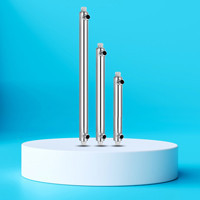
UV bactericidal lamps for water
UV lamps for water are a modern and effective disinfection solution that helps improve water quality in homes, businesses, and systems supplied from a private water source. Thanks to the action of UV-C radiation, it is possible to reduce bacteria, viruses, and other unwanted microorganisms that conventional treatment methods do not always handle effectively enough.
Household bactericidal lamps are recommended for people who want to take care of the hygiene and safety of drinking and utility water. This solution is valued for its high effectiveness, ease of use, and the ability to operate as part of a household water treatment system.
In this category, you will find UV bactericidal lamps for various applications. We explain how they work, what types are available, and what to pay attention to when choosing the right model.
Filter
Price
Brand
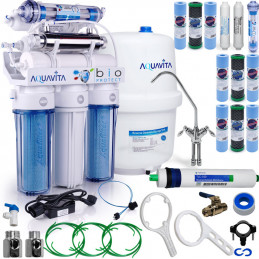
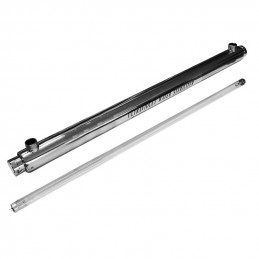
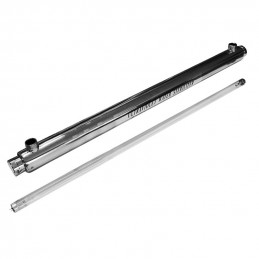
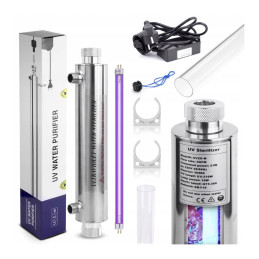
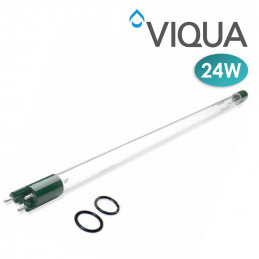

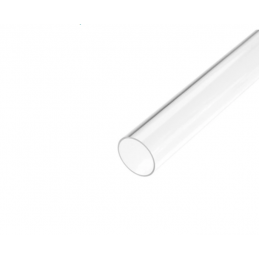
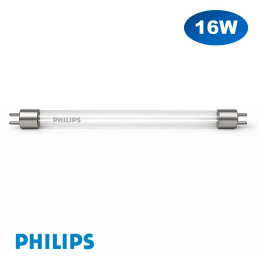
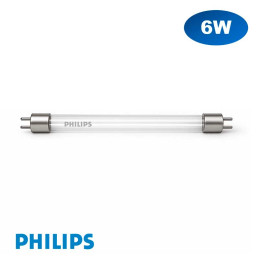
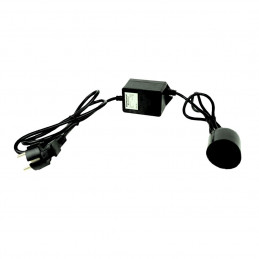
POWER SUPPLY FOR UV6 LAMP FOR WATER UV LAMP
UV bactericidal lamps are a proven component of modern water treatment systems. They are used wherever effective disinfection is needed without changing the chemical composition of the water. The solutions available in this category help reduce bacteria, viruses, fungi, and other microorganisms, and when properly selected and installed, they provide important protection for drinking and utility water.
What will you find in this category?
These are UV-C lamps for water disinfection intended, among others, for homes, systems supplied with well water, drinking water systems, and selected specialist applications such as aquariums. Their operation is based on UV-C radiation, which damages the DNA structure of microorganisms and prevents them from multiplying. When choosing, it is worth considering the water source, required flow rate, device power, design, and the manufacturer's recommendations for installation and maintenance.
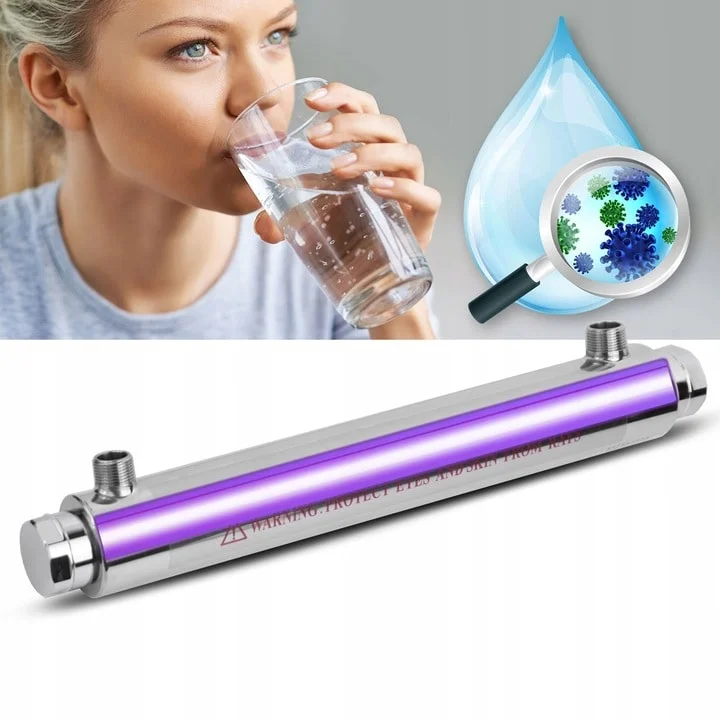
What is an ultraviolet lamp and how does UV light work?
An ultraviolet lamp emits UV light, which is electromagnetic radiation invisible to the human eye with a wavelength shorter than visible light but longer than X-rays. Ultraviolet radiation is divided into three main ranges: UV-A, UV-B, and UV-C. In the disinfection process, UV-C is the key range.
UV-C radiation with a wavelength of 100-280 nm acts at the molecular level. It damages the DNA bonds of bacteria, viruses, and other pathogens, preventing them from multiplying further. As a result, a UV bactericidal lamp effectively supports water disinfection and is also used for surface and air disinfection.
Why choose a UV lamp for water disinfection?
A properly selected UV lamp is a solution that increases the safety of water use wherever there is a risk of microbiological contamination or where water quality requires additional protection.
- helps eliminate bacteria, viruses, cysts, and other microorganisms,
- supports the disinfection of drinking and utility water,
- does not change the chemical composition of the water,
- works well in homes, businesses, and with private water intakes,
- can protect the entire system when installed on the main water line,
- is an efficient and convenient solution for everyday use.
Types of UV bactericidal lamps
UV bactericidal lamps differ in application, power, and design. The right choice depends on the type of water, the size of the system, and water demand.
UV lamp for an aquarium
Aquarium sterilizers are specialized UV-C lamps designed to maintain clean water in aquatic tanks. They help remove bacteria, viruses, and algae harmful to fish health, while also improving water clarity. Thanks to this, aquarium owners can better care for the condition of their aquatic pets and the aesthetics of the tank.
UV lamp for well water
For users relying on a private water intake, a flow-through bactericidal lamp is a very practical solution. The device is installed on the water line, and the water flowing through the chamber with the emitter is exposed to UV-C. Such disinfection effectively eliminates microorganisms present in water from natural sources and helps ensure safe use of drinking and utility water.
In well water filtration, UV lamps are used universally and effectively reduce harmful microorganisms without interfering with the chemical composition of the water.
UV-C lamp for drinking water
UV-C lamps for drinking water are an important part of water treatment systems in homes and businesses. Thanks to their ability to reduce bacteria, viruses, and cysts, they support the preparation of clean and safe water for consumption. This is a particularly recommended solution wherever water quality is uncertain or there is a risk of microbiological contamination.
UV-C lamp for home use
In household conditions, bactericidal lamps for home use are increasingly becoming part of a complete treatment system. They can be installed on main water lines, providing protection against pathogens throughout the entire building. Flow-through UV-C lamps are effective and safe when used in accordance with the manufacturer's recommendations.
UV lamp for water – how to choose the right model?
The choice of a UV lamp for water depends on several practical factors. The better you match the device to the system, the easier it is to achieve the expected disinfection effectiveness.
- Water source – a system supplied with municipal water has different needs than one based on well water.
- Water composition and quality – it is worth considering the risk of microbiological contamination and the overall condition of the water.
- Lamp capacity – the device should match the actual demand for drinking and utility water.
- Lamp power – this affects operating conditions and performance in specific applications.
- Device design – the installation method, service access, and ease of emitter replacement all matter.
- Safety certificates – it is worth choosing solutions that meet quality and operating requirements.
If you are not sure which model to choose, it is worth consulting experts when selecting a UV lamp. Properly matching the device to the water source and system is very important for disinfection effectiveness.
Installing a UV lamp for water – step by step
Installing a UV lamp is not complicated, but it requires precision and compliance with the manufacturer's instructions. The summary below organizes the most important stages of installation.
| Stage | What it involves |
|---|---|
| Preparing the installation site | Choose a location that is easily accessible for regular maintenance and emitter replacement. |
| Shutting off the water source | Before starting work, close the main water valve to avoid flooding. |
| Preliminary installation | Install the mounting brackets on a wall or another stable surface to ensure convenient access to the lamp and its components. |
| Connecting the water pipes | Connect the pipes to the lamp inlet and outlet and check the tightness of the connections. |
| Installing the UV emitter | Place the emitter in the chamber according to the manufacturer's instructions. Do not touch the glass part of the emitter so as not to contaminate it with grease from your fingers. |
| Connecting the power supply | Connect the device to a properly protected power source that meets the lamp's voltage requirements. |
| Operation test | After starting the system, check the water flow and the correct operation of the UV lamp. |
To maintain disinfection effectiveness, the condition of the device should be checked regularly and the emitter should be replaced in accordance with the manufacturer's recommendations.

Operation and maintenance
Even the best UV lamp requires regular servicing. In practice, the most important thing is to ensure timely replacement of the emitter and periodic checking of the correct operation of the entire device. According to the category information, the emitter is usually replaced every 9-12 months, depending on the model and intensity of use.
Energy consumption of ultraviolet lamps is usually relatively low. Average models may consume about 15-25 W per hour, although the exact value depends on the design and power of the specific device.

UV bactericidal lamps for homes, businesses, and special systems
This category includes solutions intended for various applications: from household water treatment systems, through systems supplied from private wells, to systems supporting the maintenance of drinking water quality and selected aquarium uses. These are versatile devices that help build a safer water use system wherever hygiene and reliability matter.
The store offers a wide range of bactericidal lamps with high efficiency and durability. Orders are processed quickly, and shipping takes place within 24 hours.
FAQ – frequently asked questions
Does a UV lamp kill bacteria in water?
Yes. Ultraviolet light emitted by a UV-C lamp effectively affects bacteria, viruses, and other microorganisms by damaging their DNA and preventing them from multiplying. The condition for high effectiveness is proper device selection, correct installation, and regular maintenance.
Does a UV lamp remove viruses and fungi?
Yes, UV lamps are used to reduce not only bacteria, but also viruses, fungi, and other microorganisms. This is why they are a popular solution in drinking and utility water disinfection systems.
How often should the UV emitter in a water lamp be replaced?
The emitter is usually replaced every 9-12 months. The exact interval depends on the lamp model and the intensity of operation, so it is always worth following the manufacturer's instructions.
How much electricity do ultraviolet lamps consume?
Energy consumption depends on the power and model of the device. The category descriptions indicate that an average UV lamp consumes about 15-25 W per hour, which usually means a relatively low operating cost.
Is a UV bactericidal lamp safe?
Yes, provided it is used in accordance with the manufacturer's recommendations. UV radiation should not directly affect the skin and eyes, which is why devices are designed to limit the risk of exposure during normal operation.
Does a UV lamp change the chemical composition of water?
No. One of the most important advantages of UV lamps used for water is that they disinfect water without changing its chemical composition. Their action is based on neutralizing microorganisms through UV-C radiation.
Where is the best place to install a UV lamp in the system?
The lamp should be installed in a place that provides easy access for maintenance and emitter replacement. In practice, it is often installed on the main water line or at the point designated by the water treatment system design.
Is a UV lamp suitable for well water?
Yes. UV lamps are very often used in systems drawing from a private water source. They help reduce microorganisms present in well water and support the safe use of drinking and utility water.
How to choose a UV lamp for home use?
When choosing, it is worth considering the water source, its quality, the required flow rate, device power, and lamp design. Safety certificates and future maintenance conditions are also important.