
- There are no more items in your cart
- Shipping
- Total 0.00 zł



- Bestsellers
- Wholesale
- Water filters
- Whole house filters
- Kitchen filters
- Bathroom filters
- Aquarium filters
- Reverse osmosis
- Water demineralizers
- Filter cartridges
- UV bactericidal lamps
- Alkaline water ionizers
- Industrial water filters
- Accessories, parts, and others
- Descaling filters for the coffee machine
- Water softeners and iron removers
- Water saturators
- ACES
- AMBERLITE
- AQUA VITA
- AQUAFILTER
- AQUAPHOR
- AQUATOR
- BASSAU
- BERG
- BIOCERA
- BIONIQ
- BLUEFILTERS
- CHEMOFORM
- CINTROPUR
- DAFI
- DELONGHI
- DIAMOND
- DOM WODY
- ECOWATER
- FILMTEC
- FIT ALCO
- FITAQUA
- GREEN FILTER
- HANNA INSTRUMENTS
- HELIXPRO
- HELLO PURE
- HIDROTEK
- HM-DIGITAL
- HONEYWELL
- Ibo
- JAVEL
- KLARWOD
- KRUPS
- MIDEA
- OTOWODA
- OTTONE
- Palintest
- PENTAIR
- PHILIPS
- PLATINUM WASSER
- PUROLITE
- SIEMENS
- Steingraf
- SUPREME
- TAB-SOL
- TOP FILTER
- UST-M
- USTM
- VONTRON
- WODARO
-
PayU

Tips
-
The water in the osmosis system is constantly flowing to the sewage - what to do?
-
Hydrogen water – effects, benefits, reviews – is it a scam?
-
Reverse osmosis - operating costs
-
Elimination of chlorine from water – why is it worth doing?
-
Pesticides in water - what they are, health risks, how to remove them
-
The water in the osmosis system is constantly flowing to the sewage - what to do?
-
Organic compounds in water – harmfulness, removal, and where do they come from?
-
Ammonia in water – where does it come from, is it harmful, and how to remove it?
-
Water filtration - why? Hit or miss?
-
Drinking water - effects after a month, skin and weight loss
Water pressure gauges and pressure meters for measuring pressure
If you want to be sure that your water system maintains the correct pressure, water pressure gauges and pressure meters are essential devices for ongoing system performance monitoring. They work well both in domestic water supply systems and with filters and other setups where stable pressure is important for proper operation.
A properly selected pressure gauge helps monitor system parameters and detect problems more quickly, such as weak water flow, clogged pipes, or the risk of damage to the water system. In our offer, you will find a wide selection of solutions tailored to various technical requirements and installation methods.
Filter
Price
Brand
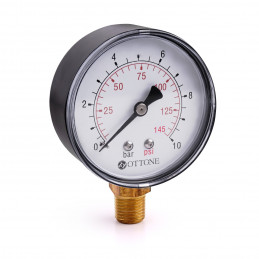
Brass manometer pressure gauge 1/4 10 bar
Water pressure meters and pressure gauges are practical monitoring components used in water, filtration, heating, and industrial systems. They make it easier to assess system performance, help maintain proper parameters, and support quick diagnostics of pressure drops or increases. This category includes solutions for various applications — from simple domestic installations to more demanding technical systems.
In this category, you will find pressure gauges and pressure meters for measuring water pressure and other media in closed systems. The available solutions differ, among other things, in connection type, dial diameter, measuring range, accuracy class, and intended application. These products are useful for monitoring the operation of filters, domestic systems, heating systems, ventilation systems, and selected industrial applications.
What is a pressure gauge used for and how does it work?
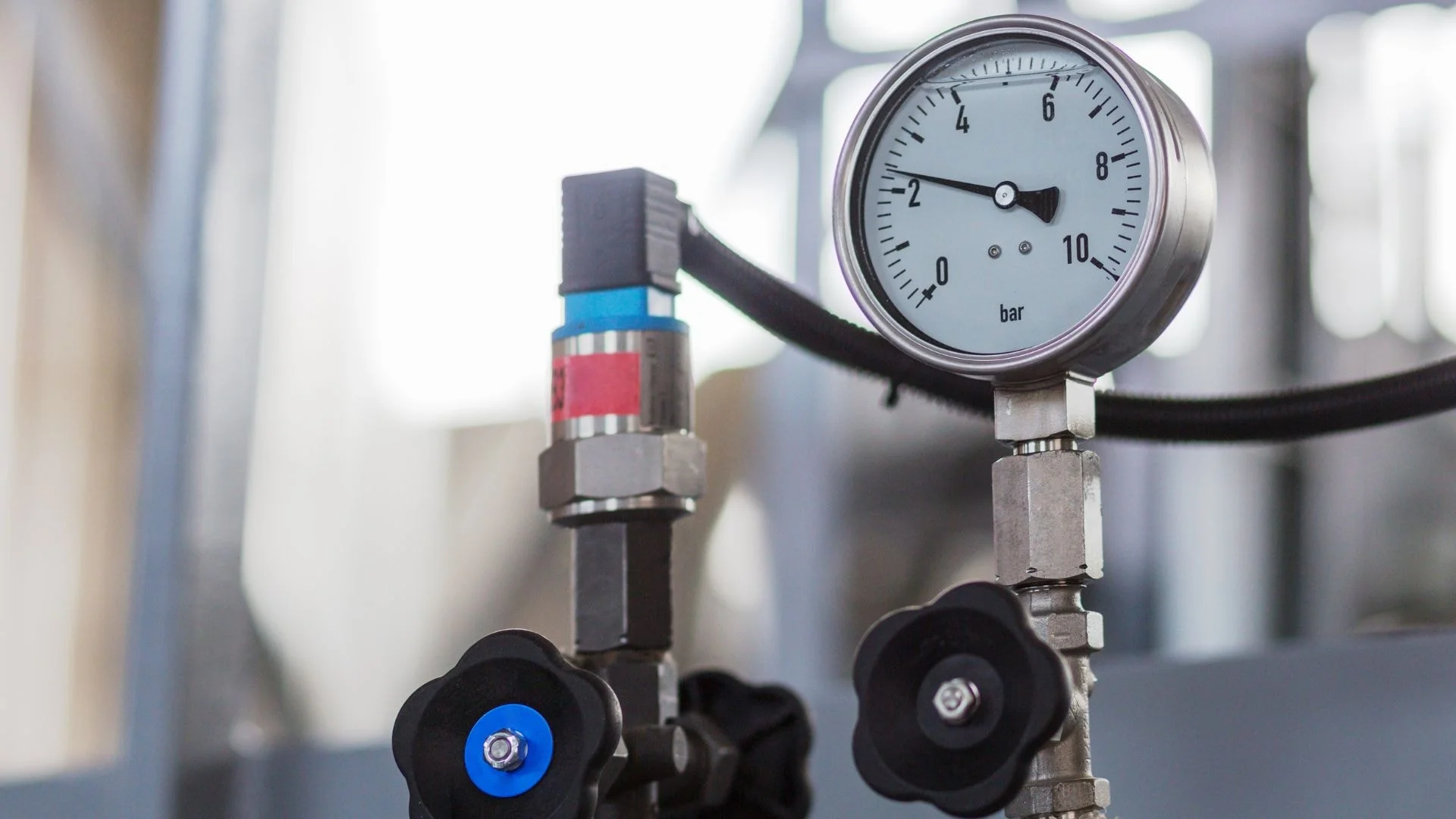
A pressure gauge is a precise measuring device used to determine the pressure of liquids and gases in closed systems. In a domestic water supply system, it is extremely useful for monitoring the correct water pressure, which is very important for maintaining system efficiency and preventing problems such as clogged pipes or weak water flow.
The operating principle of a pressure gauge is based on measuring the pressure difference between the tested substance and atmospheric pressure. The most popular mechanical models use flexible elements, such as diaphragms or Bourdon tubes, which deform under pressure. This deformation is then converted into pointer movement on the dial, allowing an accurate reading of the value.
Why is it worth monitoring pressure in the system?
Regular pressure measurement is a simple way to gain better control over the operation of the system and water-related devices.
- it allows faster detection of pressure drops or fluctuations,
- it makes it easier to assess the operation of filters and other system components,
- it helps reduce the risk of damage to the water system,
- it supports diagnosing problems with weak water flow,
- it enables better adjustment of the system's operating parameters.
Types of pressure gauges and pressure meters
The variety of pressure gauges available on the market makes it possible to match the device to the user's specific needs. They differ in design, intended use, measurement accuracy, dial diameter, connection type, and operating range.
Bottom connection pressure gauges
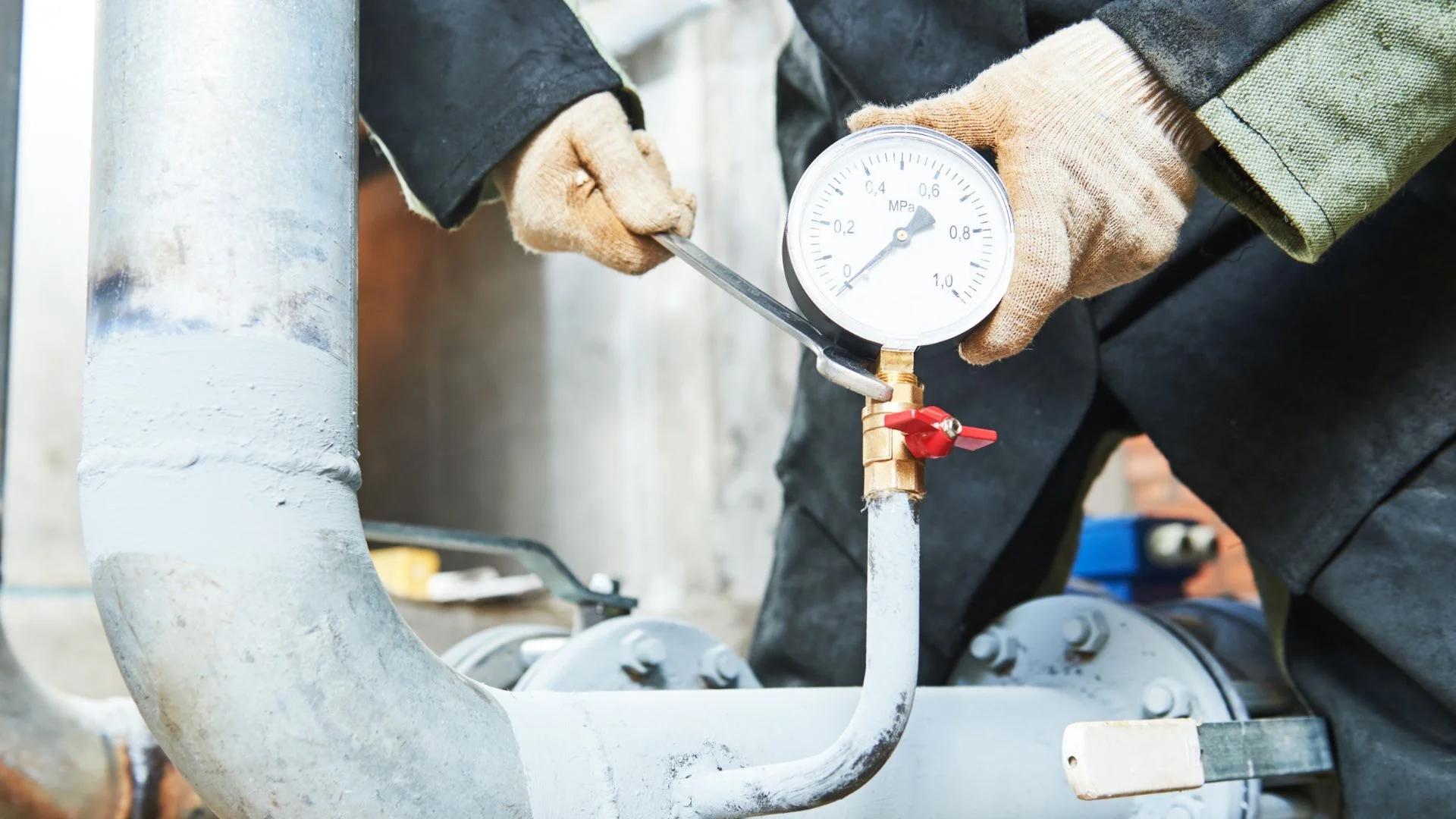
This is a classic choice for installation on vertical pipes or in places where the pressure reading is easily accessible at eye level. They are often used both in domestic installations and in industry.
Back connection pressure gauges
The connection located at the rear of the device enables installation on control panels and control boards. This is a good solution wherever the pressure gauge is to be built into a housing or cabinet.
Panel pressure gauges
They are intended for installation in panels and control boards. They provide convenient reading and an aesthetic finish for the workstation or device housing.
Models by thread and diameter
In practice, selecting the correct thread and dial diameter is very important. The most common pressure gauges have 1/4 inch and 1/2 inch threads. Popular dial diameters are 63 mm and 100 mm, although models ranging from Ø40 to Ø160 are also available.
Vacuum gauges
Vacuum gauges are used to measure vacuum pressure. They are used where the pressure is lower than atmospheric pressure, including in vacuum installations and ventilation systems.
Chemical pressure gauges
Chemical models are intended for use with aggressive media that could damage standard measuring devices. They are made of corrosion-resistant materials such as stainless steel or suitable plastics.
Contact pressure gauges and models with contact devices
Devices of this type, equipped with additional electrical contacts, can trigger alarms or support automatic process control. They are suitable for more advanced control systems.
Precision, diaphragm, and glycerine-filled pressure gauges
Precision pressure gauges are used where very high measurement accuracy is required. Diaphragm pressure gauges work well with viscous media or media containing solid particles because the diaphragm protects the measuring mechanism. Glycerine-filled models, on the other hand, offer more stable readings and better resistance to vibrations.
Other specialist solutions
Depending on the application, you may also find capsule pressure gauges for low pressures and differential pressures, differential pressure gauges, stainless steel models, heating pressure gauges for central heating systems, and devices with wide measuring ranges, even from -1 to 1000 bar.
How to choose the right water pressure meter?
When choosing, it is worth paying attention to several basic parameters that determine compatibility and ease of use.
- Connection type — bottom, back, or panel, depending on the installation location.
- Thread — most commonly 1/4 inch or 1/2 inch.
- Dial diameter — a smaller one will work well in limited space, while a larger one will improve readability from a greater distance.
- Pressure range — it should be matched to the operating conditions of the system.
- Accuracy class — especially important where precise measurement is required.
- Type of medium — for aggressive or viscous media, or in applications exposed to vibrations, it is worth choosing specialist models.
Organized technical information
| Feature | Category information |
|---|---|
| Connection types | bottom, back, panel |
| Popular threads | 1/4 inch, 1/2 inch |
| Popular dial diameters | 63 mm, 100 mm |
| Wider diameter range | from Ø40 to Ø160 |
| Pressure range | from -1 to 1000 bar |
| Accuracy classes | from 0.1% to 4% |
| Example scale divisions | 0.1 bar, 0.5 bar, 1 bar, 2 bar |
| Specialist versions | vacuum gauges, chemical, contact, differential, precision, glycerine-filled, heating, diaphragm, capsule, stainless steel |
How to install a pressure gauge?
Pressure gauge installation affects reading accuracy and device durability, so it is worth following the basic installation principles.
- Choose a location where the reading will be convenient and the pressure gauge itself will remain protected from mechanical damage.
- In installations exposed to vibrations, use solutions that limit the impact of vibration, such as suitable brackets or models better adapted to such conditions.
- During installation, use the proper sealing to reduce the risk of leaks.
If the pressure gauge is to operate in more demanding conditions, pay special attention to material resistance, measuring range, and reading stability. In practice, proper device selection is just as important as the installation itself.
Accuracy classes and scale divisions
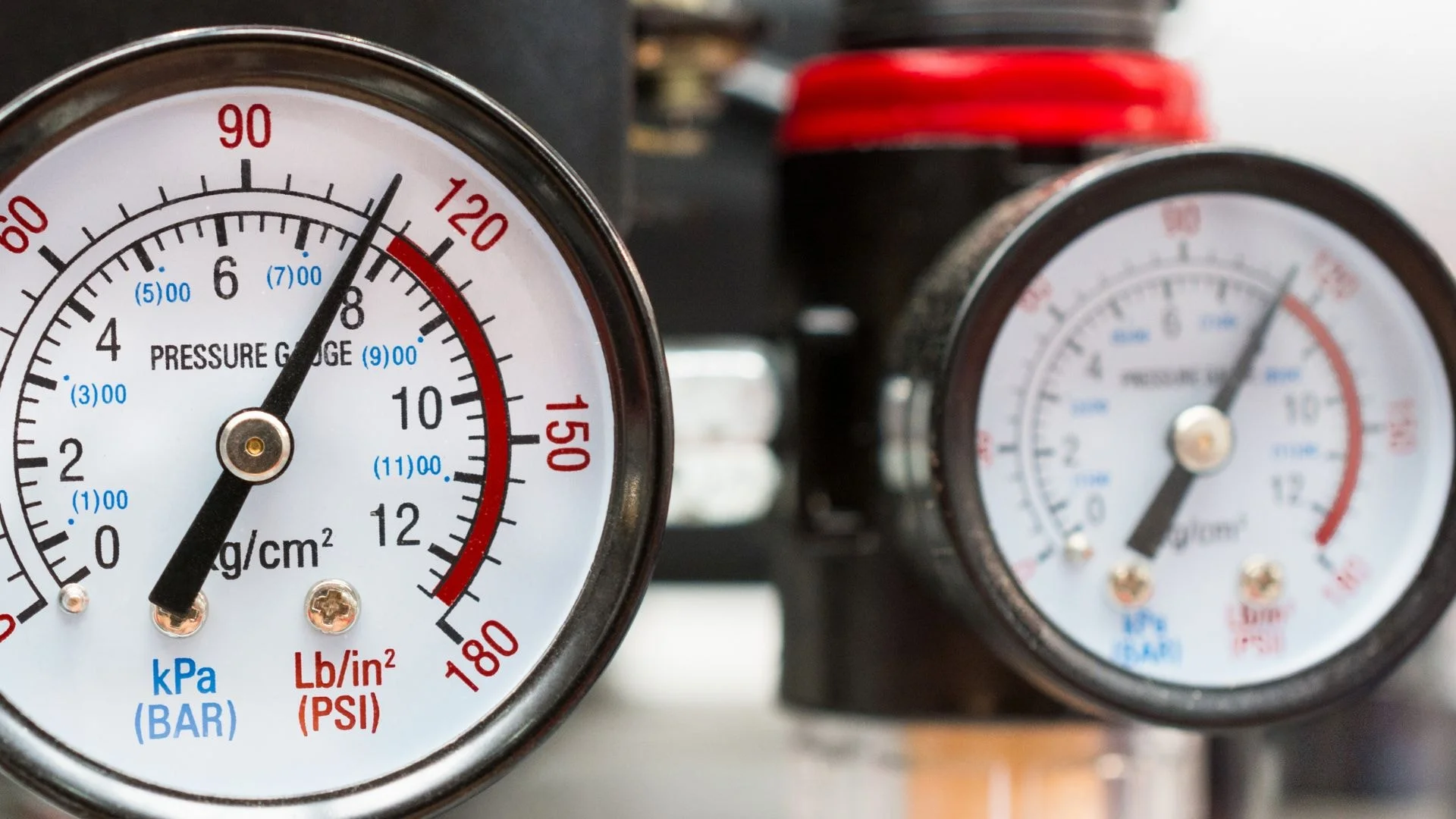
Measurement accuracy is one of the key parameters of a pressure gauge. Accuracy classes are usually marked on the dial and can range from 0.1% to 4%. Higher accuracy matters in precise technological processes, while in many domestic applications, models with standard parameters are sufficient.
The scale on the dial is also important, as it affects reading convenience. Common values include 0.1, 0.5, 1, and 2 bar. Choosing the right scale helps achieve a clear and practical reading within a specific operating range.
Water pressure meters for filters and domestic systems
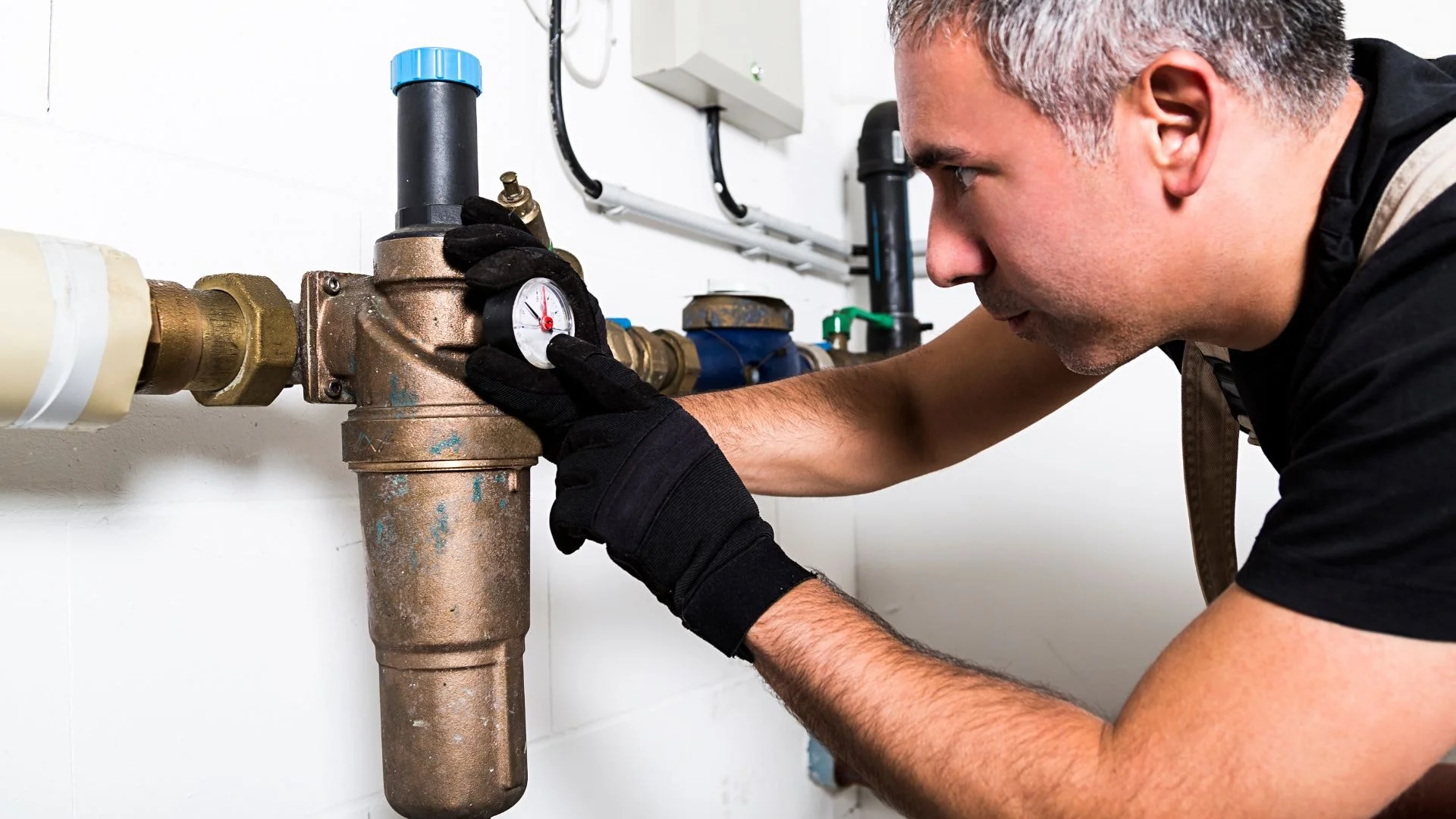
In this category, you will find water pressure meters useful for monitoring the operation of filters and domestic systems. These are practical solutions for people who want to continuously monitor system parameters and respond more quickly to irregularities. Proper pressure measurement makes everyday use easier and supports the safe operation of the entire installation.
FAQ
What is a water pressure meter used for?
A water pressure meter is used to measure pressure in a system. It helps monitor the operation of the system, filters, and other devices working with water.
Are a pressure gauge and a pressure meter the same thing?
In practice, these terms are often used interchangeably. A pressure gauge is a device for measuring the pressure of liquids and gases in closed systems, and in this category it mainly concerns measuring water pressure.
Which pressure gauge thread should I choose?
The most common threads are 1/4 inch and 1/2 inch. The choice should be compatible with the connection and requirements of the specific installation.
Which dial diameter will be best?
It depends on the installation location and the expected readability. 63 mm models are popular and versatile, while 100 mm dials make reading easier from a greater distance.
When is it worth choosing a glycerine-filled pressure gauge?
A glycerine-filled pressure gauge works well where vibrations occur. The glycerine filling stabilizes the indication and improves reading comfort.
What is a vacuum gauge used for?
A vacuum gauge is used to measure vacuum, that is, pressure lower than atmospheric pressure. It is used, among other things, in vacuum systems and selected technical installations.
How do I read the accuracy class of a pressure gauge?
The accuracy class is usually marked on the device dial. It indicates how precisely the pressure gauge measures pressure and helps select the right model for a specific application.
What should I pay attention to when installing a pressure gauge?
The most important things are: the proper installation location, good dial visibility, protection against mechanical damage, limiting the effects of vibrations, and using the appropriate sealing.
Does a pressure gauge help diagnose system problems?
Yes. Regular pressure monitoring can help detect problems such as weak water flow, installation blockage, or improper operation of parts of the system.