
- There are no more items in your cart
- Shipping
- Total 0.00 zł



- Bestsellers
- Wholesale
- Water filters
- Whole house filters
- Kitchen filters
- Bathroom filters
- Aquarium filters
- Reverse osmosis
- Water demineralizers
- Filter cartridges
- UV bactericidal lamps
- Alkaline water ionizers
- Industrial water filters
- Accessories, parts, and others
- Descaling filters for the coffee machine
- Water softeners and iron removers
- Water saturators
- ACES
- AMBERLITE
- AQUA VITA
- AQUAFILTER
- AQUAPHOR
- AQUATOR
- BASSAU
- BERG
- BIOCERA
- BIONIQ
- BLUEFILTERS
- CHEMOFORM
- CINTROPUR
- DAFI
- DELONGHI
- DIAMOND
- DOM WODY
- ECOWATER
- FILMTEC
- FIT ALCO
- FITAQUA
- GREEN FILTER
- HANNA INSTRUMENTS
- HELIXPRO
- HELLO PURE
- HIDROTEK
- HM-DIGITAL
- HONEYWELL
- Ibo
- JAVEL
- KLARWOD
- KRUPS
- MIDEA
- OTOWODA
- OTTONE
- Palintest
- PENTAIR
- PHILIPS
- PLATINUM WASSER
- PUROLITE
- SIEMENS
- Steingraf
- SUPREME
- TAB-SOL
- TOP FILTER
- UST-M
- USTM
- VONTRON
- WODARO
-
PayU

Tips
-
The water in the osmosis system is constantly flowing to the sewage - what to do?
-
Hydrogen water – effects, benefits, reviews – is it a scam?
-
Reverse osmosis - operating costs
-
Elimination of chlorine from water – why is it worth doing?
-
Pesticides in water - what they are, health risks, how to remove them
-
The water in the osmosis system is constantly flowing to the sewage - what to do?
-
Organic compounds in water – harmfulness, removal, and where do they come from?
-
Ammonia in water – where does it come from, is it harmful, and how to remove it?
-
Water filtration - why? Hit or miss?
-
Drinking water - effects after a month, skin and weight loss
Water leak sensors - flood sensors
Water leaks can lead to serious material and financial damage, and may also pose a threat to the health and safety of occupants. That is why quick detection of the problem is crucial both at home and in commercial facilities.
Water leak sensors are an effective solution that helps detect the presence of water or excessive moisture early and quickly take appropriate preventive action. In this category, you will find models that support installation protection and help limit the effects of failures and flooding.
Filter
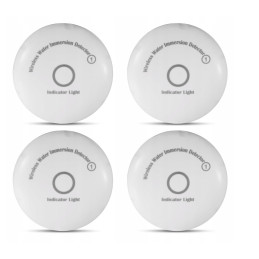
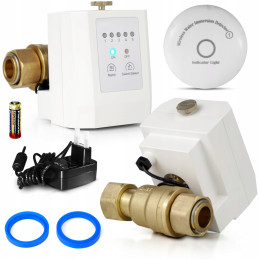
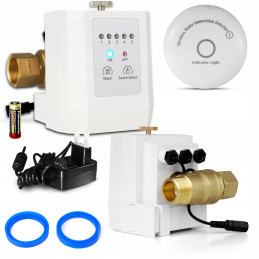
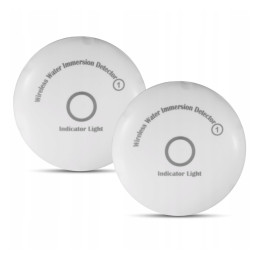
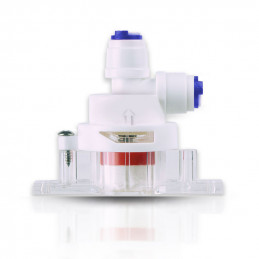
AQUA STOP anti-flood valve
Water leak sensors are a practical safeguard for water installations in homes, apartments, and commercial buildings. Their task is to quickly detect the presence of water or an increase in moisture in places exposed to failures, so that immediate action can be taken and losses can be limited.
This category includes solutions designed for faster flood detection, property protection, and improving user safety. Depending on the model, the sensor may only alert about a problem or cooperate with an alarm system, relay, or a shut-off valve that cuts off the water supply.
In short: water leak sensors monitor the presence of water or the moisture level in places such as the basement, bathroom, kitchen, or utility room. This group includes, among others, wired sensors, wireless sensors, models using electrical conductivity, optical technology, or ultrasonic technology, as well as solutions with a relay and sensors cooperating with a valve that can automatically shut off the main water supply after a leak is detected.
How do water leak sensors work?
Water leak sensors are devices that monitor moisture levels or the presence of water in a specific area. They are most often installed where the risk of leakage is highest: near water supply installations, household appliances, sanitary fittings, and in technical rooms.
After detecting water, the device triggers an alarm or sends a signal to the main system. In more advanced configurations, it is also possible to activate a relay or automatically close the main valve, which helps limit further damage.
Types of water leak sensors
Depending on the technology used and the method of integration with the installation, several basic types of sensors can be distinguished.
Conductive liquid sensors
They use a change in the electrical conductivity of water to detect its presence. When liquid enters the monitored area, the electrical conductivity changes, which causes the alarm to activate.
Optical sensors
They operate based on light radiation. When water covers the sensor's working element, the light intensity changes, which triggers the alarm.
Ultrasonic sensors
They use sound waves with a frequency above the hearing range of the human ear. The presence of water changes the reflection of ultrasonic waves, which leads to alarm activation.
Wireless water flood sensor
It communicates with the central alarm system using wireless technology such as Bluetooth, Zigbee, or Wi-Fi. Its advantage is easy installation in the selected location and a quick response to water leaks.
Wired sensor
This is a traditional type of sensor connected by cable to the central alarm system. It responds to the presence of water through a change in electrical conductivity or another detection technology.
Water flood sensor with relay
It not only informs about the presence of water, but can also activate a relay that, for example, shuts off the main water valve or activates an audible alarm.
Water flood sensor with valve
This is an advanced solution that can automatically close the main water valve after detecting a leak, preventing further damage.
Where are water leak sensors used?
Flood sensors are used wherever even a small leak can cause costly consequences. They work well in both residential buildings and commercial facilities.
- Domestic water supply installations – in basements, boiler rooms, and utility rooms where pipes and installation components are located.
- Sanitary and utility rooms – in bathrooms, kitchens, and near washing machines, dishwashers, sinks, and bathtubs.
- Commercial facilities – in offices, shops, warehouses, and restaurants, where a failure can cause serious material and financial damage.
Key benefits of using flood sensors
- Fast leak detection – devices respond immediately after detecting the presence of water.
- Property protection – they help reduce the risk of flooding and damage to equipment and installations.
- Greater user safety – they help prevent hazards related to damp rooms and electrical wiring.
- Saving time and money – earlier detection of a failure can reduce repair and renovation costs.
- Remote monitoring – selected models allow real-time monitoring of installation status and send notifications to mobile devices.
How to choose the right water leak sensor?
The choice should depend on the installation location, the response method to flooding, and the level of automation you expect. One model will work well under a dishwasher or washing machine, while another will be suitable in an advanced protection system for the entire building.
- Identify the risk location – check whether the sensor is supposed to protect a single device, a specific room, or the entire installation.
- Choose the communication method – wired models work well in permanent installations, while wireless ones make quick installation and system expansion easier.
- Decide on the system response – a simple alarm is sufficient in many applications, but where the risk is higher, it is worth considering a model with a relay or cooperation with a water shut-off valve.
- Check integration – if you use an alarm system or automation, pay attention to compatibility with the communication technology in use.
In practice, the sensor should be installed as close as possible to the potential source of the leak, at the lowest point of the floor or in a place where water will appear first. This makes the system response faster and more effective.
Summary of the most important information
| Area | Information |
|---|---|
| What do they detect? | The presence of water or an elevated moisture level in the monitored location. |
| Typical technologies | Electrical conductivity, optical detection, ultrasonic detection. |
| Connection method | Wired and wireless models, communicating for example via Bluetooth, Zigbee, or Wi-Fi. |
| Possible responses | Alarm, notification, relay activation, shutting off the main water valve. |
| Places of use | Basements, bathrooms, kitchens, boiler rooms, technical rooms, commercial facilities. |
Water flood sensor at MojaWoda.com store
Water leak sensors are an effective way to find leaks faster and limit the effects of room flooding. Thanks to various threat detection technologies, they can be an important element of property and water installation protection.
If you want to increase the safety level of your facility and avoid the costly consequences of flooding, choose a solution tailored to the installation location and the expected method of operation. A properly selected sensor can not only warn about a failure, but also help stop it at a very early stage.
FAQ - frequently asked questions
What is a water leak sensor used for?
A water leak sensor is used to detect the presence of water or excessive moisture in a place exposed to flooding. After detecting a problem, it can trigger an alarm, send a notification, or cooperate with other elements of the security system.
Where is the best place to install a flood sensor?
It is best to place it where the risk of leakage is highest, for example near a washing machine, dishwasher, under the sink, near a bathtub, in the basement, boiler room, or utility room. It is important that the sensor is located as close as possible to the potential source of failure.
What is the difference between a wired and a wireless sensor?
A wired sensor is connected to the central alarm system by cable, while a wireless model communicates using technologies such as Bluetooth, Zigbee, or Wi-Fi. Wireless solutions are usually easier to install and expand.
Can a water leak sensor shut off the water supply?
Yes, selected models or sets cooperating with a valve can automatically shut off the main water supply after detecting a leak. Such a solution helps limit the extent of damage in the event of a failure.
Does every water leak sensor send notifications to a phone?
Not all of them. The remote monitoring and mobile notification function is available in selected models. Before purchasing, it is worth checking whether a given sensor supports communication with an app or a smart home system.
In which places do leak sensors work best?
They are most commonly used in bathrooms, kitchens, basements, boiler rooms, technical rooms, and near sanitary appliances and household appliances. They are also widely used in offices, shops, warehouses, and restaurants.
What water detection technologies are used in sensors?
Depending on the design, sensors may use a change in electrical conductivity, optical detection, or ultrasonic technology. Each of these methods is used for fast detection of the presence of water in the monitored area.
Is it worth using a flood sensor at home?
Yes, because even a small leak can lead to costly damage to floors, walls, furniture, or appliances. Early information about a failure allows for a faster response and helps reduce repair costs.
Does a water leak sensor improve user safety?
Yes. Quick water detection helps limit the effects of dampness in rooms and reduces the risk of problems related to water coming into contact with the electrical installation.