
- There are no more items in your cart
- Shipping
- Total 0.00 zł



- Bestsellers
- Wholesale
- Water filters
- Whole house filters
- Kitchen filters
- Bathroom filters
- Aquarium filters
- Reverse osmosis
- Water demineralizers
- Filter cartridges
- UV bactericidal lamps
- Alkaline water ionizers
- Industrial water filters
- Accessories, parts, and others
- Descaling filters for the coffee machine
- Water softeners and iron removers
- Water saturators
- ACES
- AMBERLITE
- AQUA VITA
- AQUAFILTER
- AQUAPHOR
- AQUATOR
- BASSAU
- BERG
- BIOCERA
- BIONIQ
- BLUEFILTERS
- CHEMOFORM
- CINTROPUR
- DAFI
- DELONGHI
- DIAMOND
- DOM WODY
- ECOWATER
- FILMTEC
- FIT ALCO
- FITAQUA
- GREEN FILTER
- HANNA INSTRUMENTS
- HELIXPRO
- HELLO PURE
- HIDROTEK
- HM-DIGITAL
- HONEYWELL
- Ibo
- JAVEL
- KLARWOD
- KRUPS
- MIDEA
- OTOWODA
- OTTONE
- Palintest
- PENTAIR
- PHILIPS
- PLATINUM WASSER
- PUROLITE
- SIEMENS
- Steingraf
- SUPREME
- TAB-SOL
- TOP FILTER
- UST-M
- USTM
- VONTRON
- WODARO
-
PayU

Tips
-
The water in the osmosis system is constantly flowing to the sewage - what to do?
-
Hydrogen water – effects, benefits, reviews – is it a scam?
-
Reverse osmosis - operating costs
-
Elimination of chlorine from water – why is it worth doing?
-
Pesticides in water - what they are, health risks, how to remove them
-
The water in the osmosis system is constantly flowing to the sewage - what to do?
-
Organic compounds in water – harmfulness, removal, and where do they come from?
-
Ammonia in water – where does it come from, is it harmful, and how to remove it?
-
Water filtration - why? Hit or miss?
-
Drinking water - effects after a month, skin and weight loss
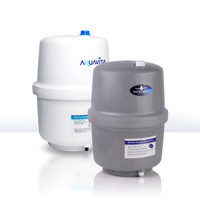
Pressure tanks for osmosis and water systems
Pressure tanks play a key role in water treatment, storage, and distribution systems. In reverse osmosis installations, nanofiltration, and other water systems, they are responsible for convenient water storage and maintaining the continuous operation of the entire setup.
In this category, you will find pressure tanks for RO in various capacities, made of durable materials such as stainless steel, carbon steel, or plastics. These solutions are designed for reliability, corrosion resistance, and efficient cooperation with both household and more demanding water installations.
Filter
Price
Brand
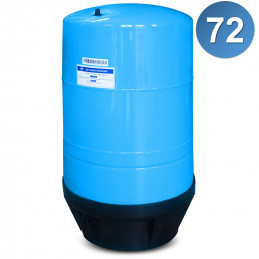
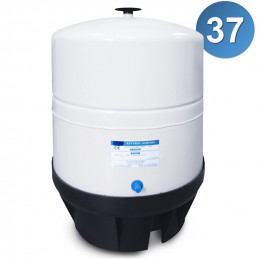
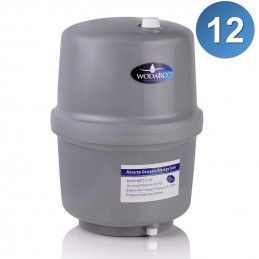
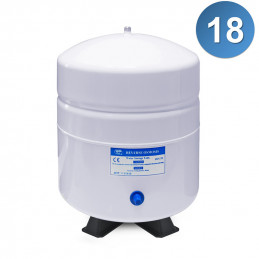
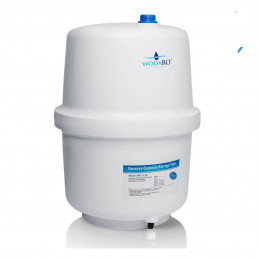
A pressure tank is one of the most important components of a reverse osmosis installation and other water treatment systems. It is responsible for storing filtered water under the appropriate pressure, making water withdrawal convenient while keeping the entire system stable and efficient. In practice, a properly selected tank affects both user comfort and installation reliability.
In this category, you will find pressure tanks for RO systems and water applications, designed for storing water under specific pressure. The offered solutions include models with capacities from 12 liters to 72 liters, made from materials such as stainless steel, carbon steel, and plastics. These tanks support the operation of reverse osmosis installations, nanofiltration, as well as selected domestic and industrial systems, ensuring continuous water supply, corrosion resistance, and ease of installation and use.
What are pressure tanks?
Pressure tanks are devices designed to store water under specific pressure. Their main task is to ensure stable pressure in water systems, which is crucial for the proper functioning of the installation. Solutions of this type are used both in household filtration setups and in more advanced water treatment systems.
In reverse osmosis systems, the tank stores purified water so that it is available immediately after turning on the faucet. Thanks to this, the user does not have to wait for the osmotic membrane to produce the required amount of water at that moment.
Key benefits and applications
Pressure tanks are used in various applications — from standard household systems to industrial installations. Their presence translates into more convenient water use and better organization of the entire system's operation.
- Water storage under pressure — enables quick water withdrawal whenever it is needed.
- Stable system operation — helps maintain the continuity of the water installation.
- Support for RO and nanofiltration systems — allows filtered water to be stored and ensures its constant availability.
- Use in household and industrial installations — a wide range of capacities and designs makes it easier to match specific needs.
- Corrosion resistance — properly selected materials increase the tank's durability.
- Ease of installation and operation — important in both new and upgraded systems.
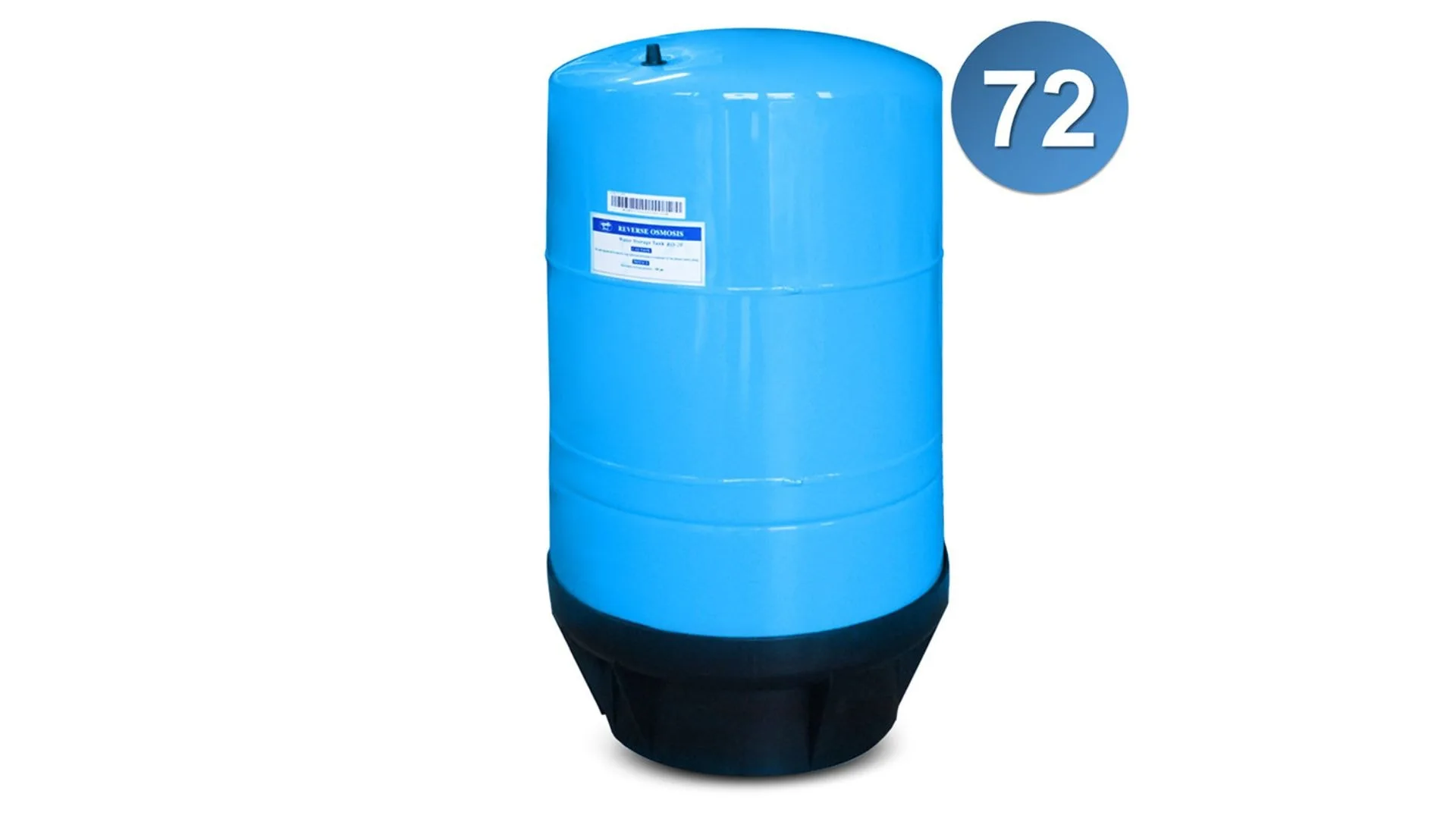
Types of pressure tanks
Hydrophore tanks
Hydrophore tanks are used to store water from a private intake, most often from a well, under pressure. Thanks to this, they can support the efficient use of water in household and industrial systems.
Reverse osmosis and nanofiltration tanks
Specialized pressure tanks for reverse osmosis and nanofiltration systems ensure an uninterrupted supply of clean water. They allow convenient storage of filtered water and help improve water quality in everyday use. The use of corrosion-resistant materials translates into their service life and reliability.
Materials and construction
The tanks available in this category are made from materials selected for durability, corrosion resistance, and the ability to operate under high pressure. In practice, the tank material has a direct impact on its service life and range of applications.
Stainless steel
Stainless steel tanks stand out for their high corrosion resistance and great mechanical strength. This is a good choice for applications in which the water may contain more aggressive chemical compounds.
Carbon steel
Tanks made of carbon steel perform well where resistance to high pressure is the key parameter. For this reason, they are also widely used in many industrial applications.
Plastics
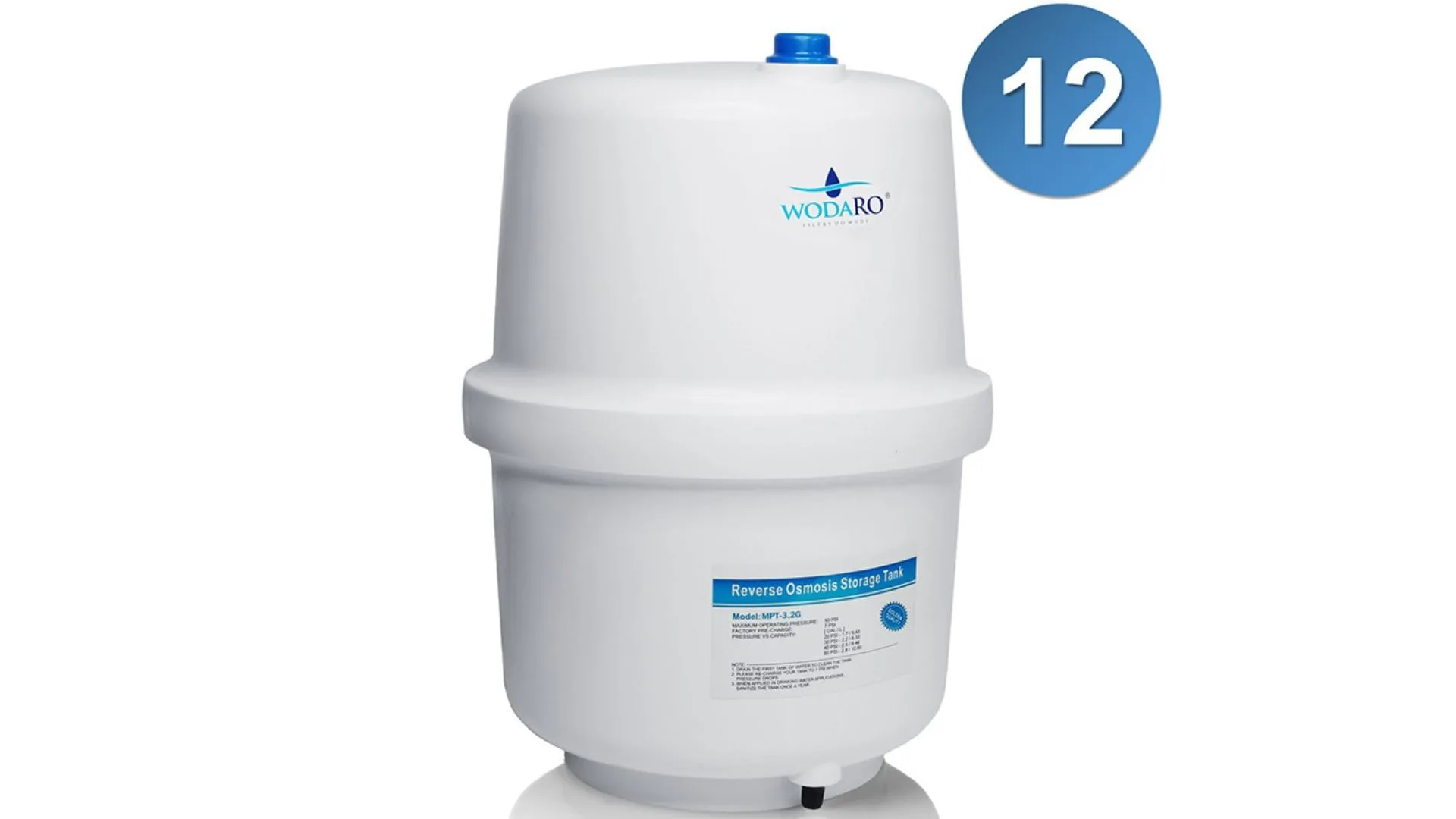
Models made of plastic are lightweight, corrosion-resistant, and easy to install. The source offer includes, among others, the 3.2G 12L tank, which, thanks to its low weight and durability, works well wherever ease of installation and reliable operation in various conditions matter.
The use of a diaphragm in tanks provides additional protection against corrosion and contributes to a longer service life of the entire solution.
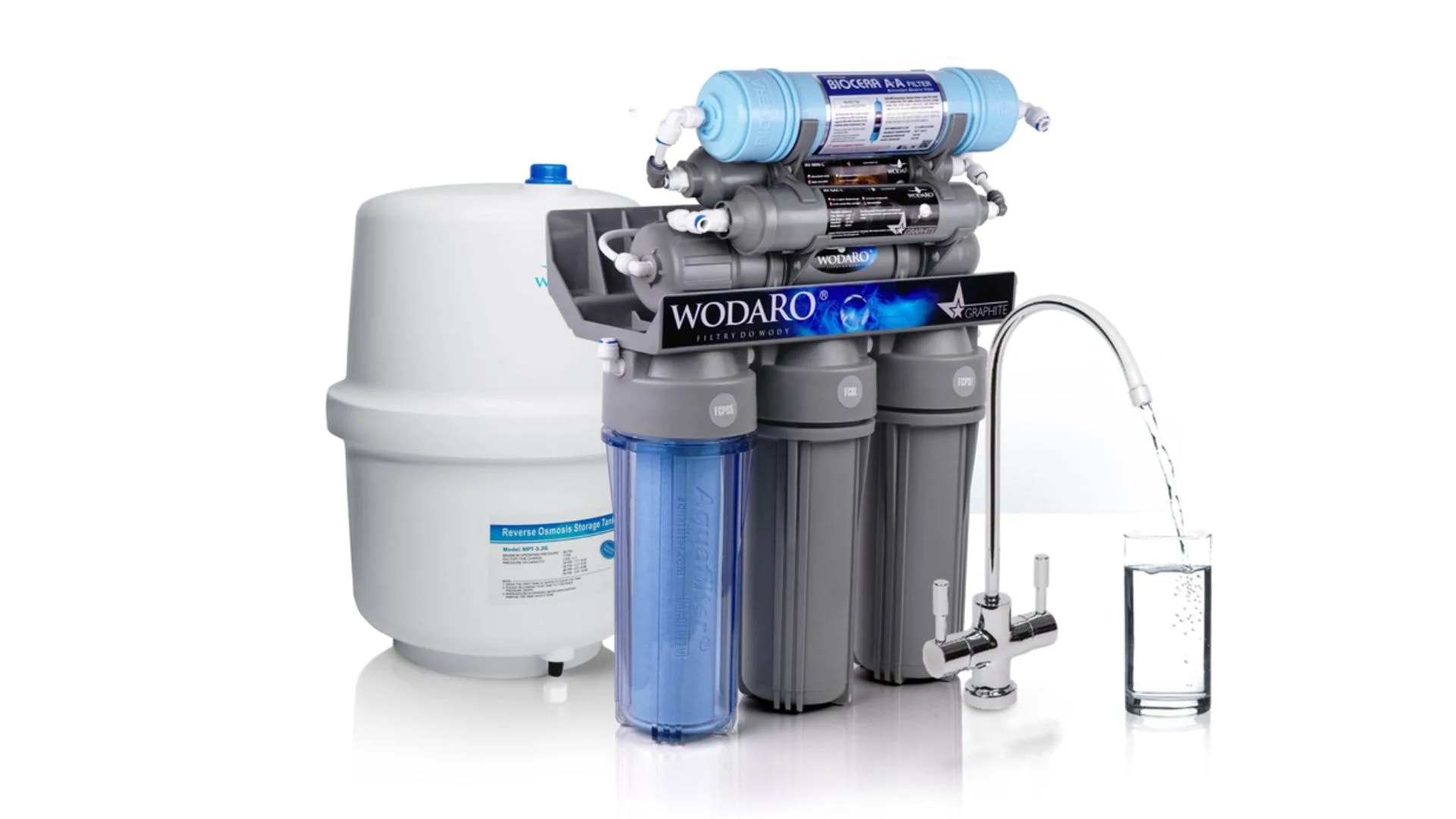
How do pressure tanks work?
The operating principle of a pressure tank is based on storing water under pressure, often with the involvement of a pump. Water enters the tank, where it remains under pressure maintained by compressed air. When the system needs water, the pressure enables it to flow out of the tank, ensuring continuity of supply and convenience of use.
Scope of applications
- Reverse osmosis systems — for collecting high-purity water and convenient withdrawal.
- Nanofiltration — for storing filtered water free from many contaminants and undesirable substances.
- Household water installations — wherever pressure stability and user comfort matter.
- Industrial systems — for storing water under high pressure in technological processes.
How to choose the right pressure tank?
Tank selection should be based on several basic criteria. This helps avoid compatibility issues and match the product to the actual intensity of use.
1. Tank capacity
The capacity should match the system's water demand. The offer includes tanks from 12 l to 72 l, which makes it easier to choose a solution both for smaller household installations and larger systems.
2. Material
Stainless steel works well where high corrosion resistance is important. Carbon steel is a good choice for applications requiring resistance to high pressure. Plastic will be practical when lower weight and easy installation are the priorities.
3. Operating pressure
The maximum operating pressure of the tank should be matched to the requirements of a specific water system. This is one of the basic parameters determining the safe and reliable operation of the installation.
4. Installation space and ease of servicing
Before purchase, it is worth checking the available installation space and the way the tank is connected. In practice, this makes later maintenance and possible replacement of consumable components easier.
| Selection criterion | What to pay attention to |
|---|---|
| Capacity | Match it to water demand; models from 12 l to 72 l are available. |
| Material | Stainless steel, carbon steel, or plastic — the choice depends on operating conditions and installation requirements. |
| Corrosion resistance | Especially important in continuously operating systems and demanding conditions. |
| Operating pressure | The tank should be compatible with the operating parameters of the entire system. |
| Diaphragm construction | Helps protect the tank against corrosion and supports a longer service life. |
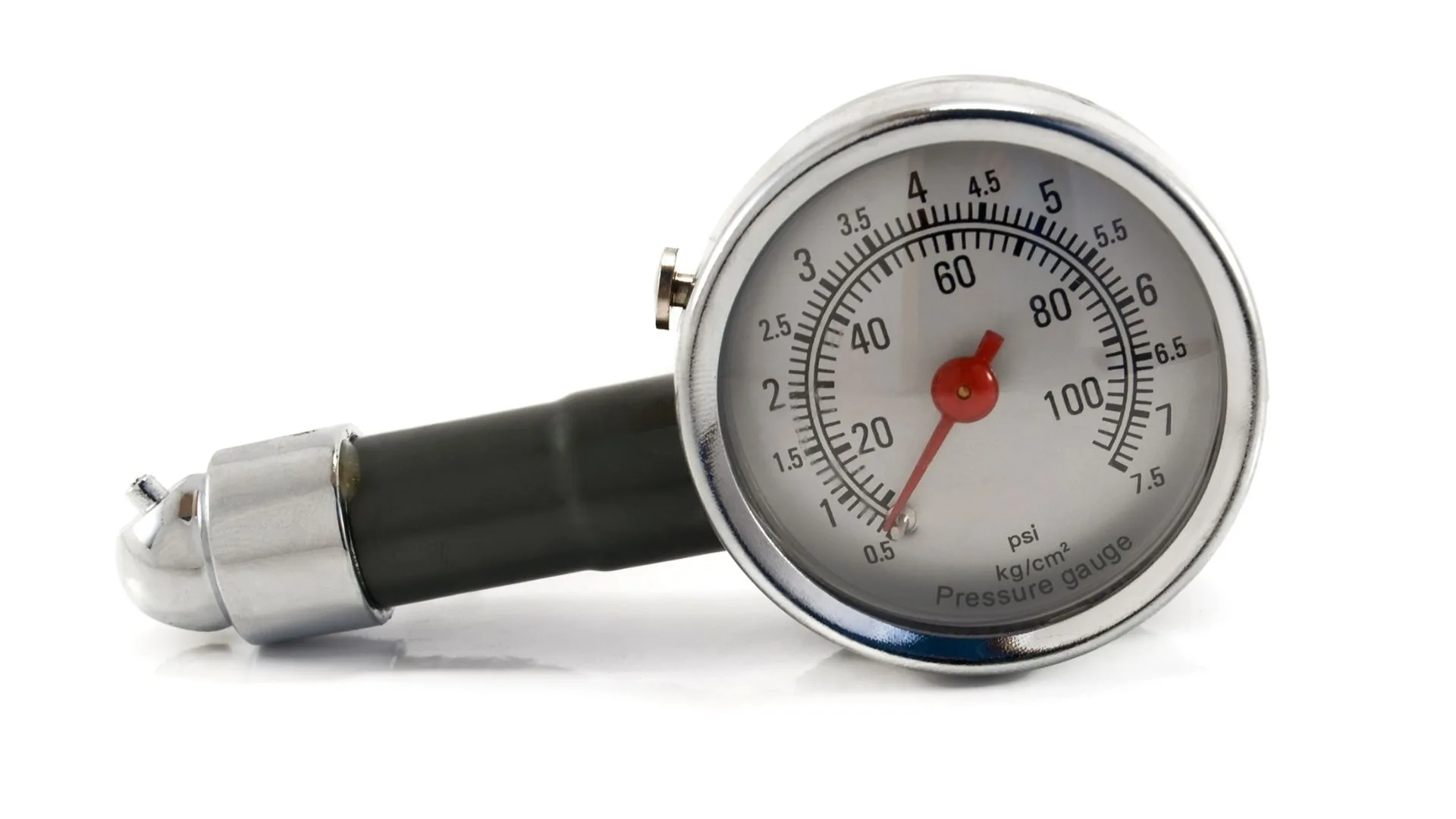
Why choose a tank from this category?
The offer includes solutions designed for durability, ease of use, and a wide range of applications. It is a practical choice for people who want to ensure efficient operation of an RO system and other water installations.
- High build quality — materials selected for durability and reliability.
- Wide range — various capacities and specifications for household and industrial systems.
- Easier matching to the installation — availability of different designs and materials.
- Professional advice — help in selecting the right solution for a specific application.
- Availability and fast shipping — efficient order processing and shorter waiting time.
If you are not sure which tank to choose for your reverse osmosis installation, pay attention above all to capacity, material, and the required operating pressure. These are the three basic criteria that most often determine the correct product selection.

FAQ — frequently asked questions
What is a pressure tank used for in a reverse osmosis system?
The tank is used to store purified water under pressure. Thanks to this, water is available immediately after turning on the faucet, and using the RO system becomes more convenient.
Is a pressure tank necessary in an RO installation?
In many standard RO systems, the tank is a very important component because it is responsible for collecting filtered water and stabilizing system operation. This solution significantly improves everyday comfort of use.
How to choose tank capacity for osmosis?
The capacity should be matched to water demand and the way the installation is used. In this category, models from 12 l to 72 l are available, which makes it possible to select a variant for both smaller and more demanding systems.
Which tank material is best?
It depends on operating conditions. Stainless steel provides high corrosion resistance, carbon steel performs well at high pressure, and plastic is lightweight, corrosion-resistant, and easy to install.
What are the benefits of using a diaphragm in a tank?
The diaphragm provides additional protection against corrosion and helps extend the tank's service life. It is an important structural component affecting the durability of the device.
Are pressure tanks suitable only for osmosis?
No. In addition to reverse osmosis systems, they can also be used in nanofiltration, household water installations, as well as selected industrial applications.
What should you pay attention to before buying a pressure tank?
The most important factors are capacity, material, corrosion resistance, permissible operating pressure, and compatibility with the existing installation. It is also worth considering the available installation space.
Is a lightweight plastic tank a good choice?
Yes, especially when ease of installation, low weight, and corrosion resistance matter. The offer includes, among others, the 3.2G 12L model made of high-quality plastic.
Why is stable pressure in a water system so important?
Stable pressure affects the proper operation of the installation and user comfort. It allows continuous, predictable water withdrawal and supports the efficient operation of the entire treatment system.