
- There are no more items in your cart
- Shipping
- Total 0.00 zł



- Bestsellers
- Wholesale
- Water filters
- Whole house filters
- Kitchen filters
- Bathroom filters
- Aquarium filters
- Reverse osmosis
- Water demineralizers
- Filter cartridges
- UV bactericidal lamps
- Alkaline water ionizers
- Industrial water filters
- Accessories, parts, and others
- Descaling filters for the coffee machine
- Water softeners and iron removers
- Water saturators
- ACES
- AMBERLITE
- AQUA VITA
- AQUAFILTER
- AQUAPHOR
- AQUATOR
- BASSAU
- BERG
- BIOCERA
- BIONIQ
- BLUEFILTERS
- CHEMOFORM
- CINTROPUR
- DAFI
- DELONGHI
- DIAMOND
- DOM WODY
- ECOWATER
- FILMTEC
- FIT ALCO
- FITAQUA
- GREEN FILTER
- HANNA INSTRUMENTS
- HELIXPRO
- HELLO PURE
- HIDROTEK
- HM-DIGITAL
- HONEYWELL
- Ibo
- JAVEL
- KLARWOD
- KRUPS
- MIDEA
- OTOWODA
- OTTONE
- Palintest
- PENTAIR
- PHILIPS
- PLATINUM WASSER
- PUROLITE
- SIEMENS
- Steingraf
- SUPREME
- TAB-SOL
- TOP FILTER
- UST-M
- USTM
- VONTRON
- WODARO
-
PayU

Tips
-
The water in the osmosis system is constantly flowing to the sewage - what to do?
-
Hydrogen water – effects, benefits, reviews – is it a scam?
-
Reverse osmosis - operating costs
-
Elimination of chlorine from water – why is it worth doing?
-
Pesticides in water - what they are, health risks, how to remove them
-
The water in the osmosis system is constantly flowing to the sewage - what to do?
-
Organic compounds in water – harmfulness, removal, and where do they come from?
-
Ammonia in water – where does it come from, is it harmful, and how to remove it?
-
Water filtration - why? Hit or miss?
-
Drinking water - effects after a month, skin and weight loss

Hydraulic fittings - connectors and fittings for pipes and water filters
Hydraulic fitting and fitting for pipes and water are essential components of every water, heating, and filtration system. They are responsible for secure, leak-tight, and durable connections, while also making it easier to expand the system, change the flow direction, and match pipe diameters.
In this category, you will find practical connectors and fittings for water filters, RO systems, and pipes, selected with connection safety and reliable operation of the entire system in mind. These solutions are useful both for new installations and during servicing, modernization, or replacement of installation components.
Thanks to a carefully selected range, you can more easily choose components suited to your needs and ensure trouble-free operation of your water treatment system or plumbing installation.
Filter
Price
Brand
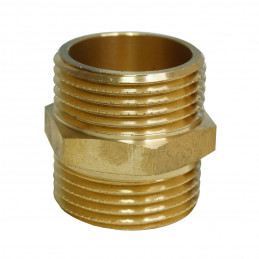
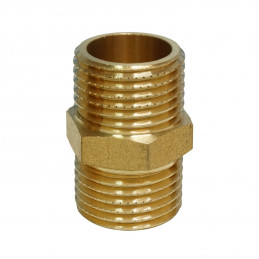
Connectors and fittings are small components on which, in practice, the tightness, durability, and convenience of installation of the entire system depend. In water, heating, industrial, and reverse osmosis systems, they are responsible not only for joining pipes and lines, but also for changing the flow direction, creating branches, and making transitions between different diameters.
In a well-designed system, a properly selected fitting shortens installation time, facilitates servicing, and reduces the risk of leaks. That is why, when choosing, it is worth paying attention not only to the size, but also to the material, connection type, and intended use of a specific component.
This category includes hydraulic fittings and connectors for pipes, water filters, and RO systems. These include solutions used in water, heating, industrial, and filtration installations, including quick connectors for osmosis systems, compression fittings, plastic fittings, and components for various types of pipes. Their purpose is to ensure tight, durable, and safe connections and to facilitate installation and modernization of the system.
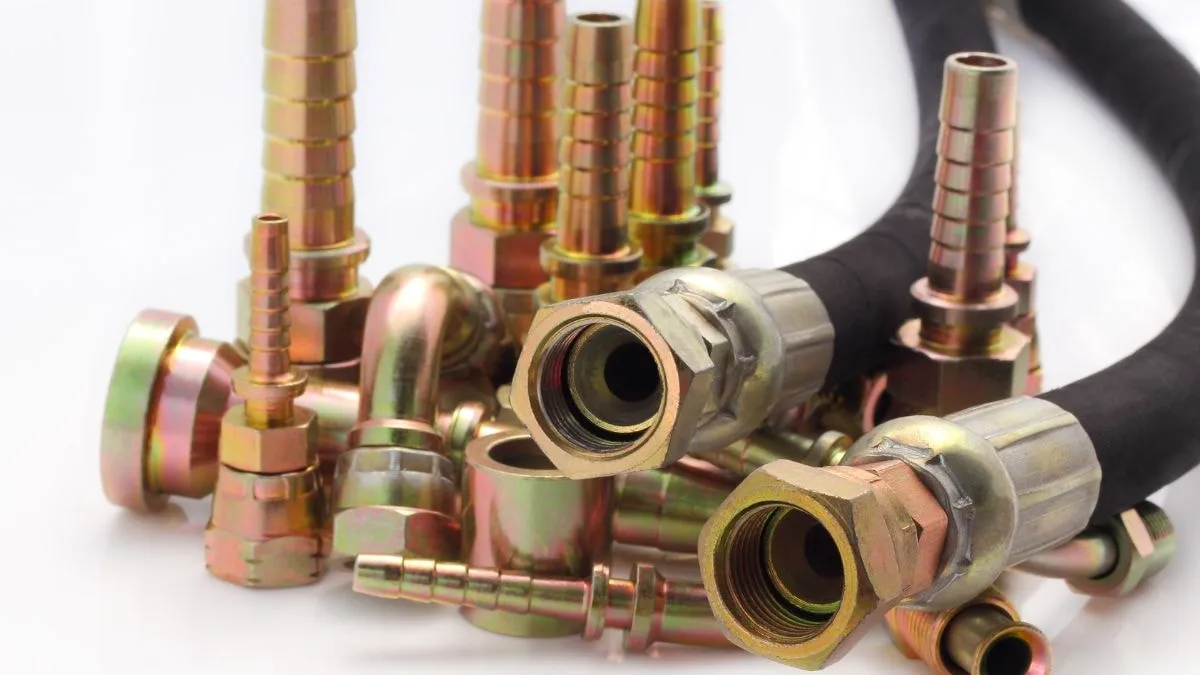
What are hydraulic fittings and connectors used for?
A hydraulic connector is a component used to join pipes in water, heating, or industrial installations. Depending on the design and material, fittings can operate in different conditions and with different media. They are responsible for the proper connection of individual sections of the system and for maintaining its tightness.
Fittings also perform other important practical functions:
- they allow the flow direction to be changed,
- they make it possible to create branches in the installation,
- they enable transitions between different pipe diameters,
- they facilitate connection of water filters and accessories,
- they make it possible to design the installation in a flexible way tailored to the user's needs.
The most important benefits of properly selected fittings
- Connection tightness – crucial for trouble-free system operation.
- Durability – the right material helps ensure a long service life of the system.
- Operational safety – especially important in household and filtration systems.
- Easier installation and servicing – important during modernization, maintenance, and replacement of parts.
- Fit for a specific application – from simple connections to more complex systems with branches and reducers.
Types of connectors and fittings – what is worth knowing?
Polypropylene (PP) connectors and fittings
PP fittings are made of polypropylene, a material resistant to corrosion and chemical agents. They are mainly used in cold and hot domestic water systems as well as in heating systems. Their advantage is low weight, which facilitates transport and installation, while also offering good service durability.
The main advantages of PP fittings:
- resistance to high temperatures up to 95°C,
- low roughness coefficient reducing pressure losses,
- easy installation by polyfusion welding,
- favorable price-to-durability ratio.
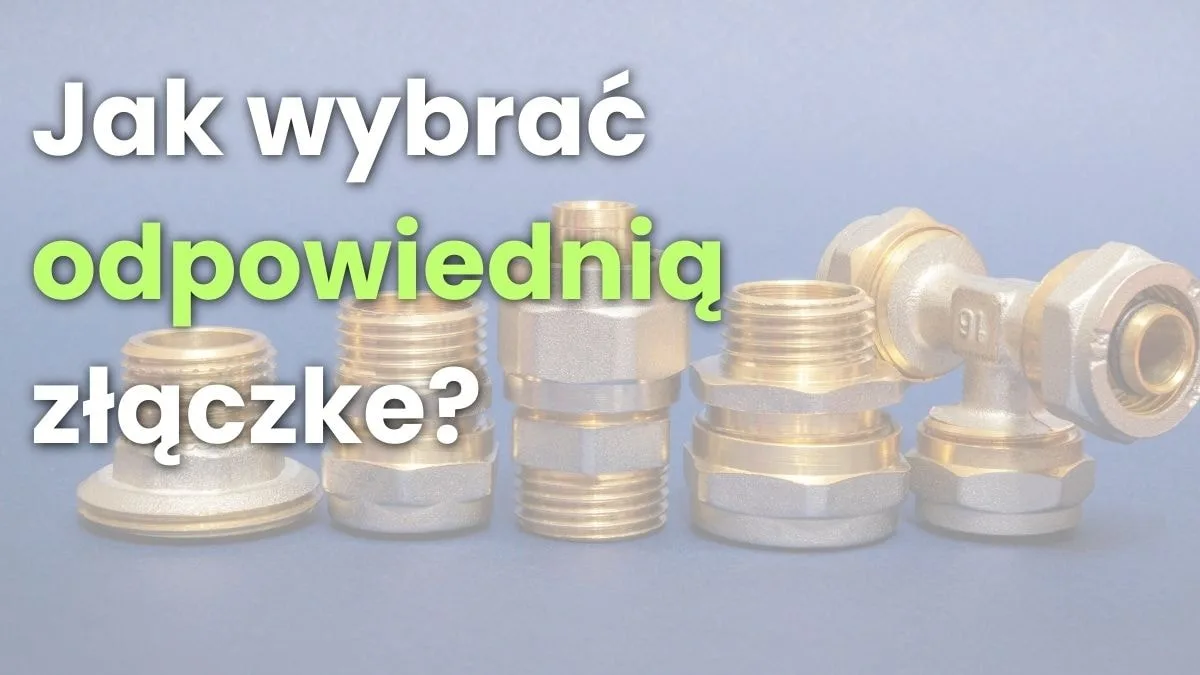
Compression hydraulic fittings
Compression fittings are among the most universal components used in water and heating installations. They are most often made of brass or steel. They provide high-quality threaded connections, and their additional advantage is easy assembly and disassembly, which facilitates later servicing work.
The most common features of compression fittings:
- availability in various sizes and shapes, such as elbows, tees, or nipples,
- the possibility of multiple use thanks to replaceable seals,
- resistance to high pressures and temperatures,
- use in water, heating, and gas installations.
Garden hose connectors
Garden hose connectors allow you to quickly and securely connect different hose sections and attach accessories such as sprinklers or water spray guns. They are made of plastic or metal and perform well in outdoor conditions.
- they enable connection of hoses with different diameters,
- they make it possible to quickly connect the installation to a tap or pump,
- they facilitate creating branches in the irrigation system.
Connectors for non-threaded steel pipes
In steel pipe installations, connectors that allow pipes to be joined without threading are often used. This solution shortens installation time and helps reduce labor costs. These types of components are used in water, heating, and industrial systems.
- installation is carried out by crimping or welding,
- the connectors feature high mechanical strength,
- they are resistant to high pressures.
Connectors for copper pipes
Connectors for copper pipes are popular in water and heating installations. Copper stands out for its high thermal conductivity, corrosion resistance, and resistance to bacteria, which is why it has remained a proven installation material for years.
In practice, several methods of joining such components are used:
- soft or hard soldering,
- press fittings,
- compression fittings with seals.
Crimp copper fittings
Crimped copper fittings are a modern solution that allows quick installation without using an open flame. This increases the safety of installation work and speeds up making connections. Such components are compatible with various systems and provide durable connections.
- installation time can be up to 50% shorter than with soldering,
- no need to use an open flame,
- high tightness and pressure resistance.
Plastic water fittings
In water installations, plastic fittings made of materials such as PVC, PE, or PEX are often used. They are lightweight, corrosion-resistant, and easy to install. They perform well in cold and hot water systems, both in residential and commercial construction.
- flexibility makes it easier to fit them to the installation layout,
- resistance to scale buildup and corrosion,
- long service life without the need for frequent maintenance.
Metal hydraulic fittings
In demanding applications, metal fittings made of stainless steel or brass are used. These are solutions designed to work under heavier loads and in more difficult conditions.
- they perform well in high-pressure systems,
- they are used in industrial and chemical installations,
- they withstand high temperatures and mechanical damage well.
Quick connectors for osmosis systems and water filters
In water treatment systems, including reverse osmosis installations, quick connectors play a very important role. They enable easy installation, expansion, and servicing of filters, while helping maintain system tightness. In such applications, workmanship quality and the safety of materials that come into contact with water are especially important.
- they allow installation without tools,
- they are resistant to chemicals used in filtration,
- they are compatible with various water treatment systems.

How to choose the right connector or fitting?
Choosing the right component has a direct impact on connection safety and the durability of the entire installation. It is worth analyzing several basic criteria before purchase.
1. Material
A hydraulic fitting should be made of a material suitable for the operating conditions and the medium flowing through the installation. Good-quality materials such as copper, stainless steel, brass, or high-grade plastics help ensure durability and reliability.
- check the material's corrosion resistance,
- make sure it can withstand the expected pressure and temperature,
- verify compatibility with the medium, e.g. water or another working fluid.
2. Connection type
Depending on the system, you may encounter the following connection types:
- threaded,
- soldered,
- crimped,
- glued.
The choice of connection type affects installation ease, the possibility of later disassembly, and the tightness of the entire system.
3. Diameter and size
Accurate matching of the fitting size to the diameter of the pipe or line is crucial. An ill-fitting component may make installation difficult or lead to leaks. In the case of water filters and osmosis systems, it is also worth paying attention to line diameters and connection type.
4. System operating conditions
Before purchasing, it is worth considering the installation location, pressure load, operating temperature, and servicing frequency. A domestic filtration system requires different solutions than an industrial or heating system.
Shopping tip: if you are selecting fittings for water filters or an RO system, it is best to compare the connection type, line diameter, and mounting method with the component already used in the system. This is the easiest way to reduce the risk of mistakes.
Summary of the most important information
| Type of connector / fitting | Typical materials | Application | Distinctive features |
|---|---|---|---|
| PP | Polypropylene | Cold and hot water installations, heating systems | Corrosion resistance, up to 95°C, installed by welding |
| Compression | Brass, steel | Water, heating, gas installations | Easy assembly and disassembly, threaded connections |
| For garden hoses | Plastics, metal | Irrigation and garden work | Quick connection of hoses and accessories |
| For non-threaded steel pipes | Metal | Water, heating, industrial installations | No threading required, installed by crimping or welding |
| For copper pipes | Copper, crimp and compression elements | Water and heating installations | Soldering, press, or compression connections |
| Plastic for water | PVC, PE, PEX | Cold and hot water installations | Lightweight, resistant to scale and corrosion |
| Metal hydraulic | Stainless steel, brass | High-pressure, industrial, chemical systems | High resistance to pressure, temperature, and damage |
| Quick connectors for osmosis systems and filters | Water-safe plastics | Water filters, reverse osmosis | Tool-free installation, convenient service, good tightness |
What should you pay attention to when buying fittings for water filters and RO?
- check the diameter of the line or connection,
- match the fitting to the specific type of filtration system,
- make sure the material is suitable for contact with water,
- consider whether you need a straight connector, elbow, tee, nipple, or reducer,
- if you plan frequent servicing, choose solutions that make disassembly and reassembly easier.
FAQ – frequently asked questions
What is a hydraulic fitting used for?
A hydraulic fitting is used to connect pipes or lines in water, heating, industrial, and filtration installations. It may also allow a change in flow direction, creation of a branch, or transition between different diameters.
How to choose the right fitting size?
The fitting should match the diameter of the pipe, line, or connection used in the installation. In water filter and RO systems, it is best to compare the new component with the part already in use or check the manufacturer's markings.
What is the difference between compression fittings and quick connectors?
Compression fittings use threaded connections and are often chosen where solidity and the possibility of disassembly are important. Quick connectors usually allow very fast installation without tools, which is why they are popular in water filters and reverse osmosis systems.
Are PP fittings suitable for hot water?
Yes, polypropylene fittings are used in cold and hot domestic water installations, as well as in heating systems. The description indicates their resistance to temperatures up to 95°C.
What materials are most commonly used in connectors and fittings?
The most common fittings are made of copper, steel, brass, polypropylene, and other plastics such as PVC, PE, or PEX. The choice of material depends on the type of installation and operating conditions.
Do quick connectors for osmosis systems require tools for installation?
In many cases, no. One of their main advantages is the possibility of quick installation without tools, which facilitates assembly and later servicing of the filtration system.
When is it worth choosing metal fittings?
Metal fittings are worth choosing where the installation operates under high pressure, at elevated temperature, or in more demanding operating conditions. They are often used in industrial and high-pressure systems.
Why does the connection type matter?
The connection type affects tightness, ease of installation, and the possibility of later disassembly. Depending on your needs, threaded, soldered, crimped, or glued connections can be used.
Must fittings for water filters be made of safe materials?
Yes, in water treatment systems it is important that components in contact with water are intended for such use. This matters both for the tightness of the system and for safe operation of the installation.