
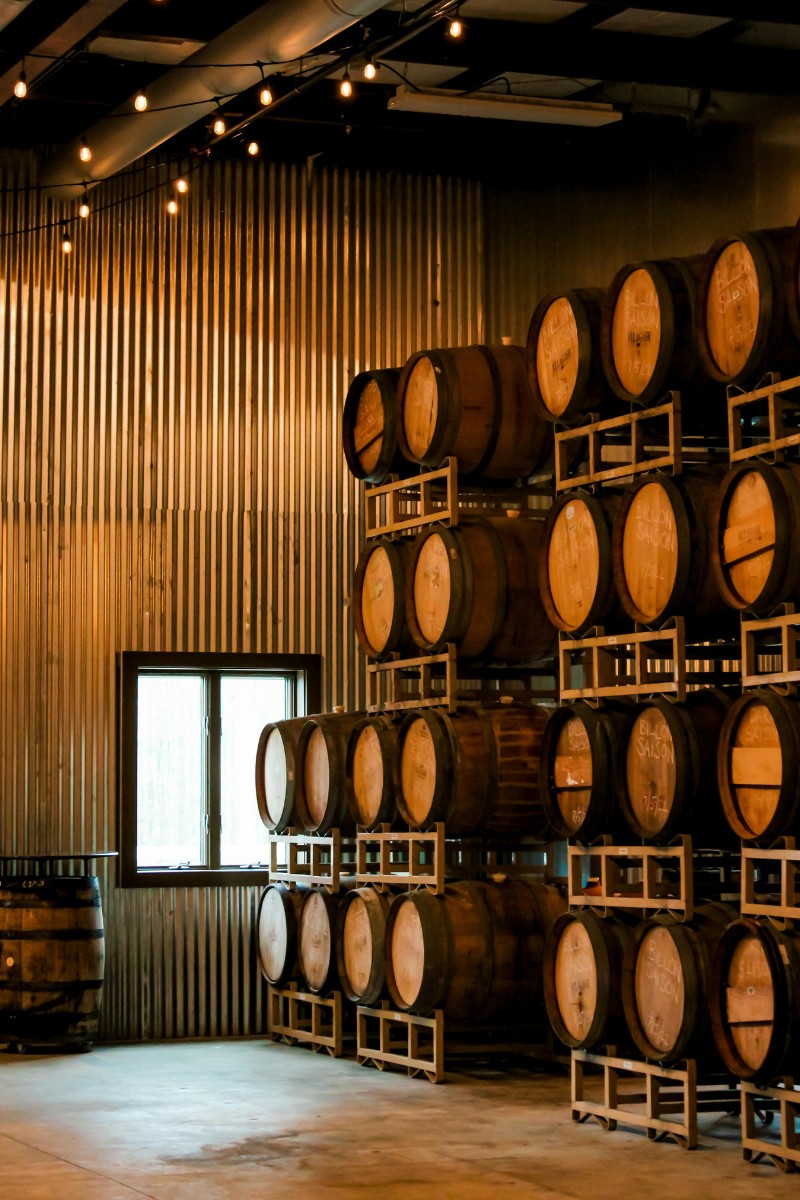
Solutions for breweries and distilleries
Controlled water quality for mashing, lautering, preparing wort, cleaning, and CIP – less sediment, stable sensory profile of the product.
Who is it for? For craft and industrial breweries, brewpubs, craft distilleries, distilleries, and beverage producers.alcoholic. We select the setup after analyzing the recipes, processes, and water source.
Need a quick quote?
Fill out a short form — we will call you back, discuss the processes, and propose specificsolutions.
Industry description
In breweries and distilleries, water is the dominant part of the product and is a key medium in the processes of mashing, lautering, dilution, cleaning, CIP/SIP, steam preparation, and media.auxiliary.
Its composition (hardness, alkalinity, sulfates, chlorides, sodium, iron, manganese, chlorine) affects the sensory profile of beer, distillate, process efficiency, and the durability of equipment.
After analyzing the raw water, beer/distillate styles, used technologies, and quality requirements, we select a system so that water is a predictable and repeatable ingredient in the recipe.
Most common water issues in breweries and distilleries
- High hardness and alkalinity – scale in brewing kettles, heat exchangers, and coils
- Chlor and chloramines in tap water – risk of undesirable aromas (e.g., chlorophenols)
- Iron and manganese – impact on color, taste, and deposits in the system
- Unstable water quality throughout the year – variationsin the profiles of beer/product
- High service costs for heat exchangers, boilers, and CIP installations due to deposits

What we offer
- Filtration and dechlorination (e.g. activated carbon) of raw water for mashing and lautering
- Softening or partial softening of water for boilers, heat exchangers, and CIP circuits
- RO systems / mixed treatment with the ability to "build" a water profile for specific styles
- Solutions for technical water (washing, CIP, steam) to avoid wasting high-quality water where it is not needed
- Installation, commissioning, training of production staff, and service with monitoring of key parametersparameters
Your benefits
- Stable water profile – consistent taste of beer and spirits between brews/batches
- Less scale in boilers, heat exchangers, and CIP circuits – lower maintenance costs
- Better control over mash pH, efficiency of lautering, and enzyme activity
- Lower risk of undesirable tastes and aromas associated with water
- Predictable operating costs of the treatment system and easier planning of service downtimes
Micro-scenarios
- Craft brewery: filtration system + RO with the ability to blend with raw water, building different water profiles forpilsner, IPA, and stout.
- Restaurant brewery: softening for the brewing kettle and heat exchanger, dechlorination of tap water, more stable mash pH, and less scale.
- Craft distillery: RO/demineralization for process water and dilution of distillates, repeatable dilution profile, and less sediment in bottles.
- Facility with intensive CIP: treatment of CIP supply water and steam boilers,less stone, shorter downtime for descaling and cleaning equipment.
Do you want a stable water profile in your brewery or distillery?
Send your water profile (if you have one) and information about the processes — we will prepare a step-by-step proposal.