
- There are no more items in your cart
- Shipping
- Total 0.00 zł



What water filter for a single-family home in 2025? Ranking, prices, and reviews
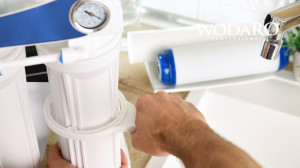
If you're wondering which filter to choose for a single-family home, you've come to the right place. The topic of water filtration is becoming increasingly important, and choosing the best solution can benefit the entire household. In this article, you will find answers to the question of which water filters to choose for a single-family home, practical tips, and detailed rankings. You will also learn what to pay attention to in order to enjoy clean and tasty water for many years.lat.
In this article, you will learn
- Why water filtration at home is so important.
- What to consider when choosing a filter, taking into account water source analysis (municipal vs. well).
- What are the filtration solutions for the whole house (central systems, water softeners,iron removers, UV lamps).
- What are the popular drinking water filters (pitchers, under-sink filters, reverse osmosis).
- Ranking of the best filters for single-family homes depending on the water source.
Why is water filtration in a single-family home important?
Nowadayswater filters in single-family homes are gaining popularity as more and more people understand that water quality directly affects health and quality of life. Whether you use tap water or well water, filtering water is particularly important. Especially when the water contains contaminants, heavy metals, or bacteria. Additionally, it positively impacts the condition of bathroom fixtures, household appliances, and the overall appearance of laundry. All of this contributes to reducingof home operating costs and improves your quality of life.
Key thought: Regardless of the source, clean water is essential. Water filtration not only protects health but also extends the lifespan of household appliances and enhances daily life comfort.
What to consider when choosing a water filter for a single-family home?
When choosing a water filter for the homewhen considering a single-family home, it is important to pay attention to several key aspects. The most important is to determine what type of contaminants are present in your water source and what your individual needs are. This way, you can avoid overpaying for solutions that may turn out to be too elaborate or mismatched.
Analysis of the water source (municipal vs. well)
First of all, you need to determine where the water in your home comes from.single-family: whether it is a water supply or a private well. In the case of tap water, a simple hardness test for about 20 PLN is usually sufficient. However, for a well, it is recommended to conduct a full laboratory analysis. This will help you find out what microorganisms and elements may pose a threat.
- Tap water – usually, the water from it is quite safe, although it may contain chlorine, compoundsiron, manganese, and stone.
- Well water – iron removal, manganese removal, and sometimes disinfection may be necessary.
Water testing and parameters
Secondly, it's always worth checking the quality and composition of your water to avoid overpaying for filters that you won't need. The key is to test the water for heavy metals, iron,manganese, bacteria, or nitrates. Only based on specific laboratory results can the entire filtration system be effectively selected.
Key selection criteria
- Efficiency and capacity: Available for water softeners and flow filters to avoid pressure drop.
- Type of contaminants: You need to know what harmfulsubstances you want to remove (e.g. hardness, iron, manganese, chlorine).
- Operating costs: A filter is not just the purchase price, but also regular replacement of cartridges or regeneration.
- Number of users: A large family will need a system with higher performance.
- Available space: Make sure you have enough space forinstallation.

Filtration solutions for the entire single-family home
When considering which water filter for a single-family home is most suitable, it is worth looking at various systems dedicated to filtering the entire building. There are solutions on the market that effectively work with both tap water andused in conjunction with other filtration systems to enhance water quality. The choice depends on the type of contaminants and expectations.chosen for their simplicity and low operating costs.
- Advantages: Relatively low price, easy installation, possibility of replacing individual cartridges.
- Disadvantages: In the case of heavily contaminated water, they may not be sufficient; they also do not always remove iron and manganese to zero levels.
Water softenerswater
Water filters for single-family homes that soften water are currently among the most sought-after devices. With the growing awareness of the effects of hard water (scale in kettles, rapid wear of washing machines or dishwashers), more and more people are opting for water softeners. Modern water softeners can have built-in activated carbon, which further improves the taste and smell of water by removing heavy metals orpesticides.
They allow for softening water to 0 degrees hardness (this can be problematic when rinsing foam from hair), which is why specialists often advise leaving a small residual hardness (3-6 degrees).
- Advantages: User comfort, protection of fixtures and devices, better taste of water.
- Disadvantages: Necessityof regular salt replenishment and performing periodic maintenance.
Iron and manganese removers
These devices are essential when the water has elevated levels of iron and manganese. This situation mainly concerns people using their own wells. In such cases, so-called multifunctional stations are installed, where the medium removes not only iron and manganese but also softens the water and eliminates other contaminants. The final selectionparameters and type of the deposit should be based on water analysis, as concentrations of harmful substances in wells can vary greatly.
UV Lamps in a Single-Family Home
UV lamps can be useful whether you use tap water or well water. Installing a UV lamp eliminates the risk of bacterial or viral infections in the water. Based on our over 25 years of experience, it turns out that about 50% of the water fromwells can be contaminated with microorganisms. Similarly, in water supply systems, there can also be short-term contaminations at the municipal or county level. A UV lamp is a simple yet effective safeguard against such surprises.

Solutions for drinking water in single-family homes
In addition to whole-house systems, many people are also interested in water filtration.through kitchen appliances. Drinking water should be as pure as possible, free from chlorine, pesticides, heavy metals, and microorganisms. The choice depends on the budget, space, and expectations regarding water quality.
Pitcher and bottle filters
Pitcher and bottle filters are available in almost every supermarket. At a basic level, they help reduce chlorine and mechanical impurities, but they are not infully effective in eliminating, for example, heavy metals or pesticides. Their biggest advantage is the low purchase price.
- Advantages: Very low price, mobility, easy cartridge replacement.
- Disadvantages: Limited effectiveness, cartridges need to be replaced frequently, low efficiency.
Under-sink filtersmulti-stage
If you are looking for a more advanced filtration system in the kitchen, under-sink water filters for single-family homes are an interesting solution. They usually consist of several stages of purification (e.g., activated carbon, ultrafiltration membrane, iron-removing media) and can provide significantly better quality water without generating high purchase costs. They are particularly useful when we do not want to invest inreverse osmosis system or we have a limited budget.
Reverse osmosis systems
This is the most precise method of treating drinking water and a great water filter for single-family homes when you care about maximum safety and quality. Osmotic membrane removes bacteria, viruses, fungi, microplastics, and many other contaminants, which is why it is often chosen byparents for themselves and their children. The wide variety of models means that you can find devices suited to every budget, providing clean and tasty water.
- Advantages: Highest quality of purification, very clean and safe water.
- Disadvantages: The purchase price can be higher, and you need to remember to regularly replace the cartridges.

Prices of water filters for single-family homes
Many people ask: what is the price of water filters in a single-family home? The answer is not straightforward. Even within a single category of devices, the differences can be significant. For example, a simple mechanical filter can be purchased for just a few dozen zlotys, but a complete stationWater treatment can cost several thousand zlotys. The system you choose should depend on your actual needs and financial capabilities. It’s worth remembering: Don’t focus solely on the price of the device, but also consider the operating costs. In the case of water softeners, you will need to buy salt, and for osmotic systems, you will need to regularly replace membranes and cartridges.
Ranking TOP 3 filters for single-family homes (tap water)
Are you wondering which water filter to choose for your single-family home? Below we present three of the most popular devices for tap water. In our opinion, they also represent solid and proven solutions.
- Place 1: Wodaro Bambo Carbon Mono 32Monospheric softener
- An affordable option combining carbon media and softening resin.
- Easy to maintain: just add salt and drain impurities from the filter once a month.
- Comprehensively cleans water with minimal effort.
- Place 2: Water Softener 36l Wodaro3-in-1 Carbon Filter
- A more advanced and expensive solution than the above.
- It features a softening bed, two carbon beds, and KDF bacteriostatic.
- It effectively reduces a wide range of contaminants.
- Place 3: 3-stage filtermechanical, softening, carbon
- The most popular filter in Poland, a sales hit.
- An economical solution for reducing many pollutants.
- It won't replace a full-sized softener, but it's perfect for less demanding users.

TOP 3 Rankingfilters for a single-family home (well water)
If you have your own water source, you are probably wondering which water filter for a single-family home will be the best. Unfortunately, the answer depends on the results of water tests, where you will find information about the concentrations of iron, manganese, or nitrates. Nevertheless, we present three most recommended models:
- Place 1: Wodaro Bambo Multi30 Iron Remover Station Multi
- The modern BAMBO series, proven in thousands of households.
- Multifunctional resin removes iron, manganese, and softens water.
- Simple maintenance, just add salt and drain impurities from the pre-filter with the drain valve (service tasks take 2 minutes, about once a month).
- Lifespan 10-15lat.
- Place 2: EcoWater Comfort 500 EcoMulti Multifunction Station
- Premium class product, equipped with Wi-Fi module and remote configuration features.
- Designed for those who are demanding and appreciate modernity.
- Lifespan of 15 years.
- Place 3: Wodaro EcoMulti 50 BNT Iron Remover Multi Station
- Larger amount of media, effective filtration even at high levels of contamination.
- Separate salt tank, requires a bit more space.

Ranking TOP 3 devices for drinking water in a single-family home
Finally, let's take a look at systems dedicated to clean drinking water. Are you wondering which drinking water filter will work best in a single-family home? There are plenty of options to choose from. Therefore, below we present the three most popular proposals.
- Place 1:Reverse Osmosis RO600 MINI + Mineralizer
- Universal and quite affordable solution.
- Tankless design, water rejection ratio 1:1.5 l.
- Equipped with a pump, works even at low pressure, reminds you to replace the cartridges.
- Place 2: RO600 Reverse Osmosis + Ionizer + Structurer
- Also based on the RO600 model, but more advanced (4 cartridges instead of 2).
- Designed for those who value health-promoting water: mineralized, ionized, and structured.
- Rejection ratio also 1:1.5 l, built-in pump, full automation of exchanges.
- Place 3: Reverse Osmosis RO8 AQUA VITA + ionizer + structurer
- An economical tank solution that stores about 8-9 L of ready-to-drink water. (it takes about an hour to refill later)
- Designed for those who value healthy, mineralized, ionized, and structured water.
- The rejection ratio is slightly higher, depending on the water pressure, its quality, and temperature, ranging from 1:3.5 to 1:8.

User reviews and online forums – what to pay attention to?
Many people search the web, typing into forums "what water filter to choose for a single-family home?". User opinions can be valuable, butRemember that what has worked for someone else may not necessarily work in your conditions. Every water has its own specifics, and our experience shows that unfortunately, sometimes the choice of a filter is based on myths circulating on the internet.
- Myths and misunderstandings: It is often heard that the equipment must be expensive and professional; otherwise, filtration does not work. Meanwhile, the key is to match it to specific parameters.water.
- The biggest benefits: People who invested in water softener enjoy the absence of deposits and streaks, while reverse osmosis users appreciate the taste and purity of the water.
Summary and recommendations
Choosing the ideal filtration system requires some work and consideration of many factors. Think about what filter todrinking water in a single-family home best meets your needs. The most important thing will be to conduct water tests (if you are using a well), and for tap water, at least check its hardness. Only on this basis can you decide whether you need a water softener, iron remover, or reverse osmosis system.
Remember that water is a fundamental source of your health. By choosing the right filter, you are investing in betterwell-being and longer lifespan of household appliances. If you still have doubts, consult with us, we will help you choose the most beneficial solution.
Recommended product:
You can find all products, filters, and water treatment solutions for single-family homes on our website.

Frequently Asked Questions (FAQ)
What is the most important step before purchasing a filter?
The most important step is to test the quality of your water. For well water, a full analysis is recommended, while for tap water, a simple hardness test is sufficient.
Does every filter removestone?
No. Special filters, such as water softeners, are used to remove limescale (hard water). Other filters, like carbon filters, mainly reduce chlorine and improve taste.
Are under-sink filters effective?
Yes, under-sink filters, especially multi-stage ones, offer significantly better filtration than pitcher and bottled filters. They effectively remove chlorine, heavy metals, and many other contaminants,and they are economical.
Is a UV lamp necessary?
A UV lamp is particularly recommended for well water, but also for tap water, to provide additional protection against bacterial and viral contamination.
What are the operating costs of filters?
Operating costs depend on the type of filter. In the case of water softeners, salt needs to be regularly replenished, and inIn the case of reverse osmosis systems – it is necessary to replace the cartridges and membranes. It is worth considering this, not just the purchase cost.
Should a drinking water filter be the same as one for the whole house?
Not necessarily. Central systems filter water throughout the entire house (e.g., water softeners), while for drinking, additional, more advanced under-sink filters or reverse osmosis systems are often used, which provide the highest quality water.
What is the difference between tap water and well water?
Tap water is usually pre-treated and safe, although it may contain chlorine and limescale. Well water may contain more contaminants, such as iron, manganese, or bacteria, which requires more thorough analysis and more advanced filtration systems.
Does water hardness matter only for household appliances?
Hard water not only causes limescale deposits in appliances but also negatively affects laundry (stiffer fabrics) and the condition of bathroom fixtures. Leaving a slight residual hardness (3-6 degrees) is often recommended for user comfort.
