
- There are no more items in your cart
- Shipping
- Total 0.00 zł



Polypropylene (PP) - what it is, properties, applications, harmfulness
Polypropylene (PP) is one of the most commonly encountered plastics in the world, which has revolutionized both the packaging and installation industries. Due to its chemical neutrality and high thermal resistance, it is a key material in modern water treatment systems. In this article, we explain why PP is considered a "safe plastic," where it is used, and how to distinguish it from other materials.
Table of contents
- What is polypropylene (PP) and what does it mean?
- Properties of polypropylene PP – why is it so popular?
- Polypropylene applications – from suitcases to water filters
- Polypropylene harmfulness – is it safe for health?
- PP Pipes and Welding – A Practical Guide
- Summary
In this article, you will learn:
- What does the symbol "5" in the triangle on plastic packaging mean.
- Why water filter cartridges are mainly made of polypropylene.
- What is the temperaturemelting of PP and how it affects heating installations.
- Does polypropylene release harmful substances into food and water?
What is polypropylene (PP) and what does it mean?
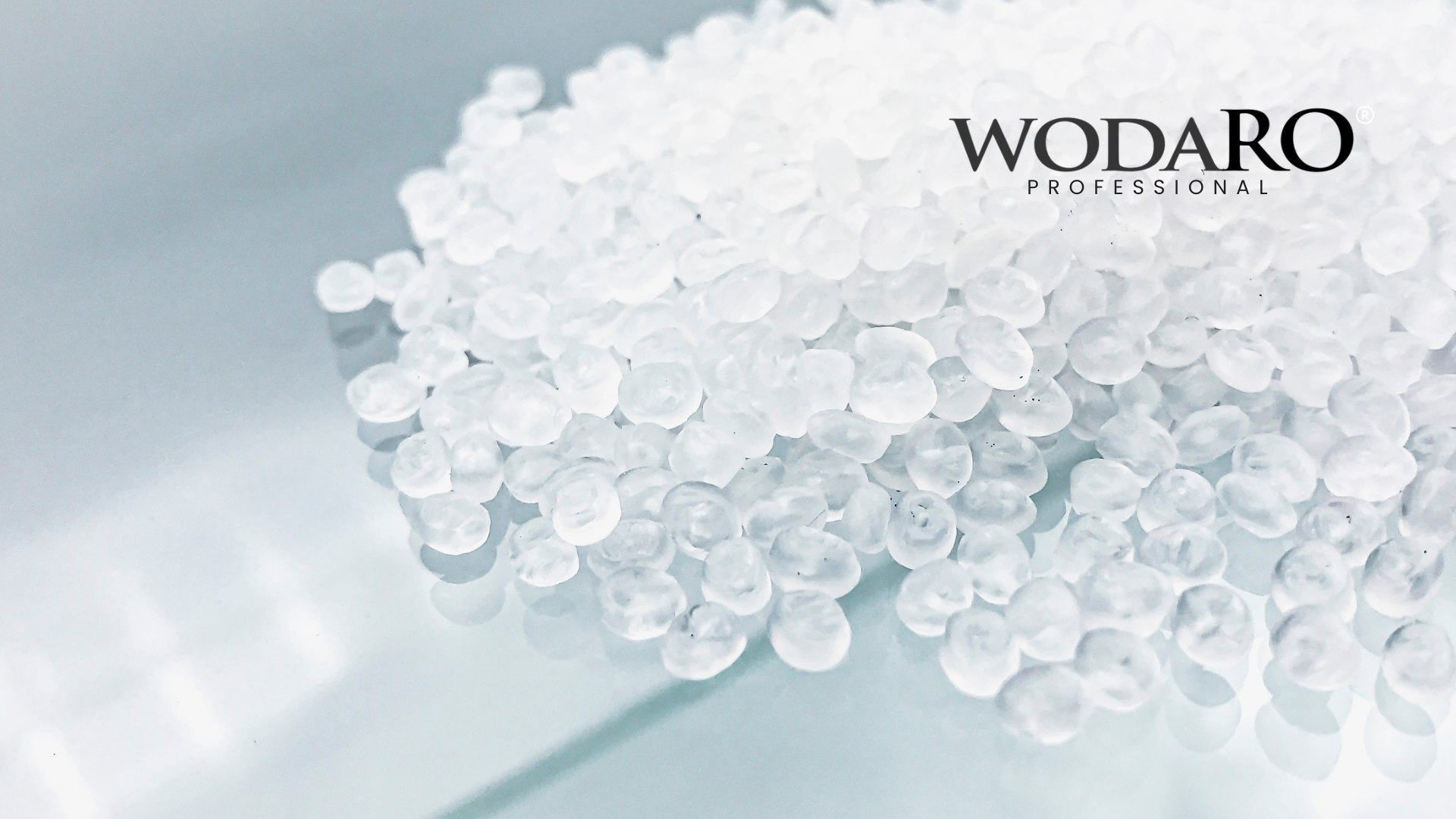
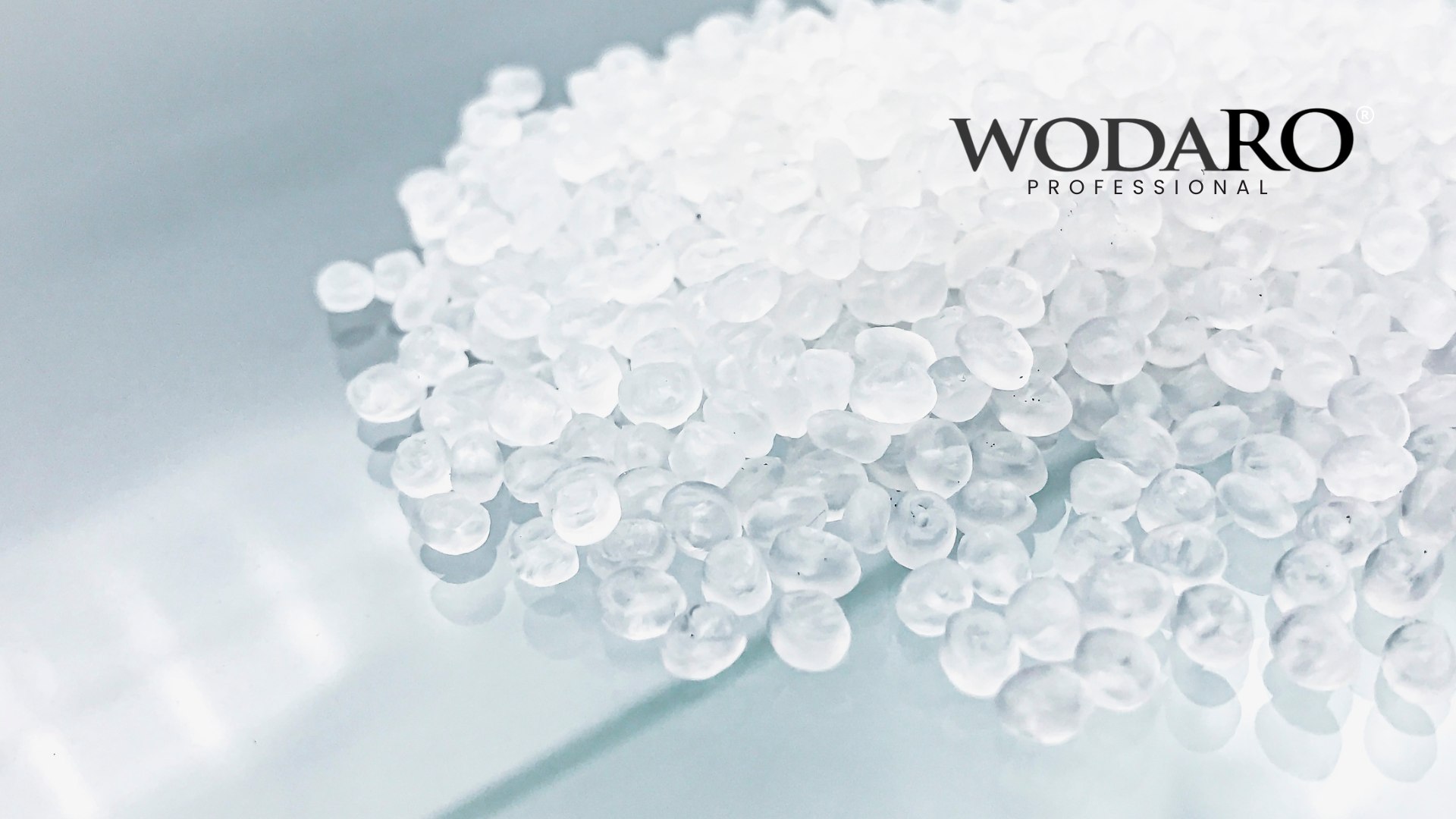
Many people ask themselves: pp what does it mean in the context of product markings. This abbreviation comes from the English name Polypropylene. It is an organic compounda chemical polymer from the polyolefin group, obtained through the polymerization of propene. Simply put – it is a thermoplastic material that becomes flexible under high temperature and hardens upon cooling, retaining the shape given to it.
This polypropylene material is characterized by the lowest density among widely used polymers, making it an extremely lightweight yet durable material. In the industryIt is marked with the recycling symbol with the number 05 in a triangle and the letters PP below.
Properties of polypropylene PP – why is it so popular?
Unique physicochemical characteristics make pp material indispensable in many industries. The most important properties include:
- Physiological inertness: It does not react with water, acids, bases, and salts. This ensures that it does not alter the taste or smell of the stored substances.
- High thermal resistance: Polypropylene melting temperature of the crystalline form ranges from 160–170°C. This allows for the sterilization of PP products and their use in hot water systems.
- Low water absorption: PP practically does not absorb moisture, which is crucial in filtration technology.
- Corrosion resistance: Unlike metal, pp plastic does not rust.
Polypropylene applications – from suitcases to water filters
Versatile polypropyleneapplication encompasses almost every area of life. In the logistics industry, polypropylene tape is popular for securing loads, and in travel, durable polypropylene suitcases are valued for withstanding impacts better than those made of ABS.
However, from our perspective, the most important application is in sanitary engineering and water treatment. Due to its chemical purity, PPis the standard in the production of filtration system components.
Polypropylene filter cartridges
Polypropylene foam or polypropylene string are the basic materials used to make mechanical water filter cartridges. They act like a sieve, trapping sand, silt, rust, and suspensions. Why PP?
- It does not dissolve inwater.
- It is resistant to the growth of bacteria (although it does not kill them, it does not provide nourishment for them).
- It ensures excellent depth filtration.
Most commonly, we encounter water filter cartridges made of polypropylene with micron ratings from 1 to 50 microns. They are the first stage of protection in systems such as kitchen water filters or advancedreverse osmosis.
.jpg)
Are you looking for reliable mechanical filters made of pure polypropylene? Check out our offer of foam and string filters that will effectively protect your installation.
Polypropylene harmfulness – is it safe forhealth?
There are often questions online about polypropylene toxicity. The short answer is: Polypropylene (PP) is considered one of the safest plastics for human health.
According to current knowledge and standards (including WHO and PZH guidelines), pure polypropylene:
- Does not contain Bisphenol A (BPA Free).
- Does not exhibit carcinogenic properties.
- Does not react with food (it is widely used in yogurt packaging, caps, and food containers).
Key thought: If you are looking for a safe plastic for contact with drinking water, look for the PP marking or the number 5 in the recycling triangle.
However, one principle should be kept in mind: safety concerns clean material. Cheap substitutes from unverified sources may contain impurities or lower quality dyes. Therefore, in water treatment systems, it is advisable to use certified components, such as those available in the offer of water softeners from reputable brands.
PP Pipes and Welding – A Practical Guide
In construction, pp pipes are almost entirelysteel installations in single-family homes. PP-R (random polypropylene) systems are lightweight, inexpensive, and do not accumulate scale. Their connection is made using the thermal fusion method, commonly known as welding.
Temperature and welding time of PP pipes
A proper connection of pipes determines the tightness of the installation for years. Here are the key parameters of the process:
- TemperatureWelders: Optimal temperature is 260°C (+/- 10°C).
- Heating time: Depends on the pipe diameter. For a 20 mm pipe, it is usually 5-7 seconds, for 25 mm – 7-9 seconds.
- Critical error: Overheating the material causes the pipe's lumen to narrow (the so-called "melting"), which drastically reduces water pressure.
If you are planning an upgradeinstallations, remember that PP pipes are rigid. In places requiring high flexibility, PEX pipes are used, but PP is the king of rigid verticals and horizontal water levels.
Summary
Polypropylene is a material that combines seemingly contradictory features: it is lightweight yet durable; inexpensive to produce, yet safe and chemically inert. From food packaging to suitcases withpolypropylene, all the way to advanced water filters – PP is the foundation of modern life.
In the context of drinking water, the choice of polypropylene components (pipes, filter housings, cartridges) is a decision that guarantees no corrosion and no migration of harmful substances into the water. If you have doubts about the quality of water in your home and want to select the appropriate mechanical filters (PP), contact us.
Frequently Asked Questions (FAQ)
Is polypropylene harmful to health?
No, polypropylene (PP) is considered one of the safest plastics. It is chemically inert, does not contain BPA, and is approved for contact with food and drinking water.
What is the melting temperature of polypropylene?
Pure polypropylene melts attemperatures around 160–170°C. This allows it to withstand contact with hot water in heating and hot water systems (where temperatures rarely exceed 80-90°C).
How to recognize polypropylene?
Look for the recycling symbol (triangle with arrows) with the number "05" inside or the letters "PP" underneath. This material is usually translucent (milky), unless it has been dyed.
Can PP pipes be used for hotwater?
Yes, pipes made of PP (especially PP-R stabilized with fiberglass or aluminum) are standard in hot water and central heating installations.
What does it mean that the filter cartridge is polypropylene?
It means that the filtering element is made of PP foam or string. Such a cartridge is used for mechanical filtration – it captures physical impurities without changing the composition.chemical water.
Is polypropylene plastic?
Yes, polypropylene is a type of plastic (synthetic polymer), but unlike many other materials, it is easy to recycle and biologically safe.
Sources:
- https://isap.sejm.gov.pl/ - Regulations regarding materials and products intended for contact withfood.
- https://plastics-europe.org/ - Technical data on polyolefins and their applications in Europe.
- WHO Guidelines for Drinking-water Quality - Guidelines on the safety of materials in contact with water.
Author: Maciej Waliduda - Expert in water treatment technology and installation systems.Last updated: 2026-02-08.
