- There are no more items in your cart
- Shipping
- Total 0.00 zł



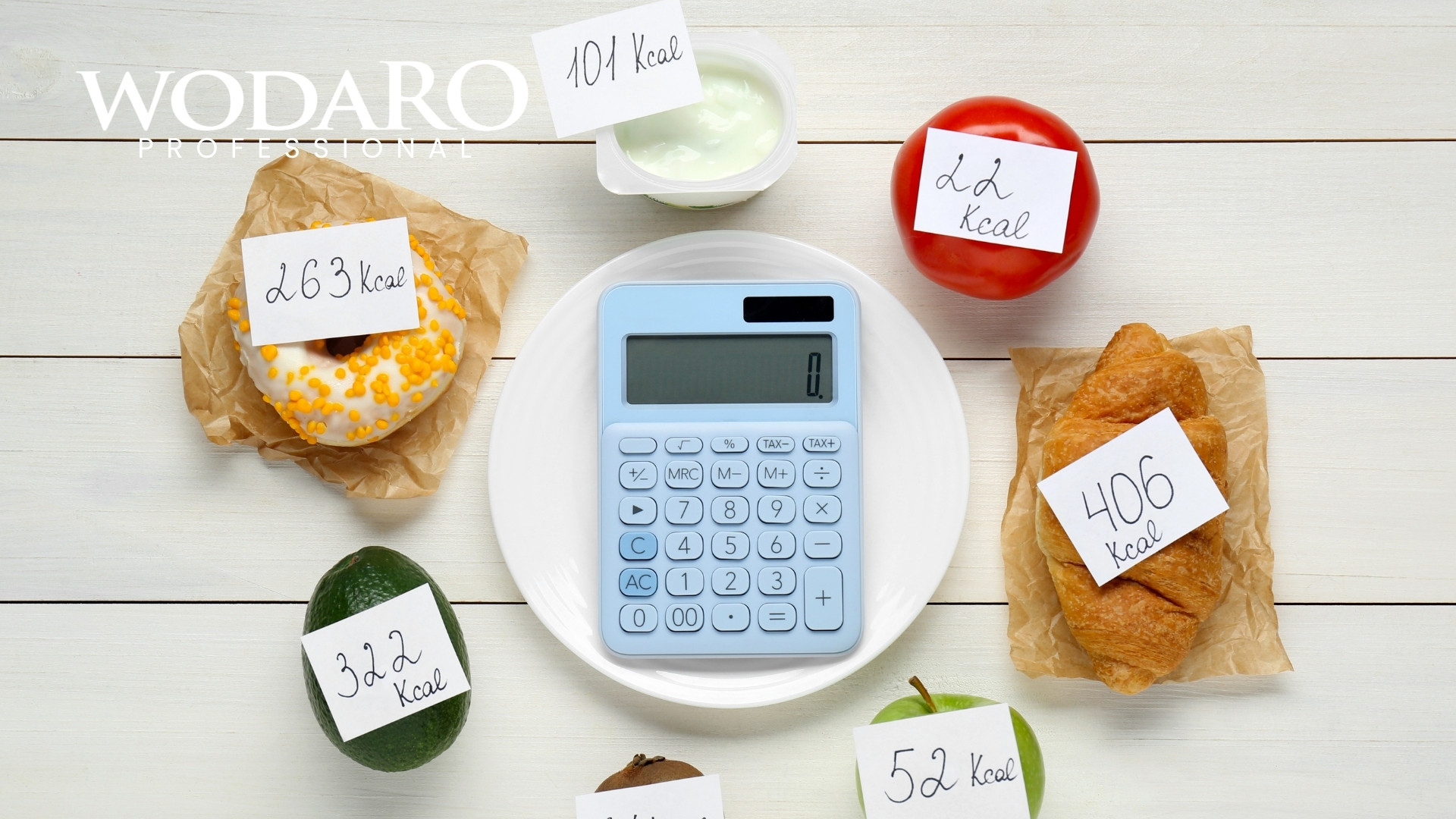
If you're counting calories, you've probably wondered at least once whether water has calories and if you need to include it in your food diary. The good news is that in most cases, plain water has 0 kcal, but water with lemon, honey, juice, or flavored varieties can have quite a bit. Below you will find a simple "comparison table" in the form of a readable list, as well as practical tips on how to choose beverages.
Table of Contents
- Does water have calories? A short answer and the basics
- Types of water and their calorie content – a "table" in list form
- Does water burn calories and what are "negative calories"?
- How to choose drinks if you are counting calories?
- Summary: whatremember
- Frequently Asked Questions (FAQ)
- Sources
In this article, you will learn:
- Benefit 1: what is the short, specific answer to the question of whether water has calories
- Benefit 2: how many kcalthey have different types of water – from tap water to coconut and flavored water
- Benefit 3: does water burn calories and where did the "negative calories" theory come from
- Benefit 4: how to choose drinks so as not to "consume" calories in liquid form and better take care of health
Does water have calories? A short answer and the basics
Short answer:pure water (tap, spring, mineral, both still and sparkling) practically has no calories, as it contains no proteins, fats, or carbohydrates. Calories only appear when we add something caloric to the water, such as juice, honey, sugar, or flavored syrup.
The question of whether water has calories often arises among people who monitor their body weight, use calorie counting apps, or simply want to distinguish"safe" drinks from those that easily turn the energy meter.
From a dietary perspective, the answer is simple: pure water has 0 kcal. Therefore, if you are wondering how many kcal water has or how many calories water contains, it can honestly be said that it is a negligible value – practically zero.
What sometimes misleads is the labels of drinks that look "like water" but are sweetened with sugar, juice, or syrup. They are legallyare treated like beverages, not just plain water, precisely because of the calories and additives.
Key point: pure tap or bottled water has 0 kcal, and all the calories in "flavored waters" come from additives, not from the water itself.
Types of water and their calorie content – a "table" in list form
Instead of a classic table, below you will find a simple list thatYou can treat it as a comparison of calories in popular types of water. The values are approximate and refer to about 1 cup (250 ml), unless stated otherwise.
- Tap water / spring water / still mineral water: approx. 0 kcal (0 kcal in a glass).
- Sparkling water (without additives): approx. 0 kcal (0 kcal in a glass).
- Water withlemon (slice or a bit of juice): about 5–10 kcal per glass.
- Lemon water with a teaspoon of honey: about 40–60 kcal per glass (depending on the amount of honey).
- Coconut water (natural, no sugar): about 40–50 kcal per glass.
- Pickle juice (brine, no sugar): about 5–15 kcal per glass, but verya lot of salt.
- Flavored water sweetened with sugar: usually about 25–50 kcal per glass (depending on the sugar content)
- Fruit juice water (e.g. 1 part juice to 3–4 parts water): about 25–60 kcal per glass, depending on how much juice you add.
- Birch water (natural, unsweetened): usually about 40–60 kcal per glass,because it contains natural sugars.
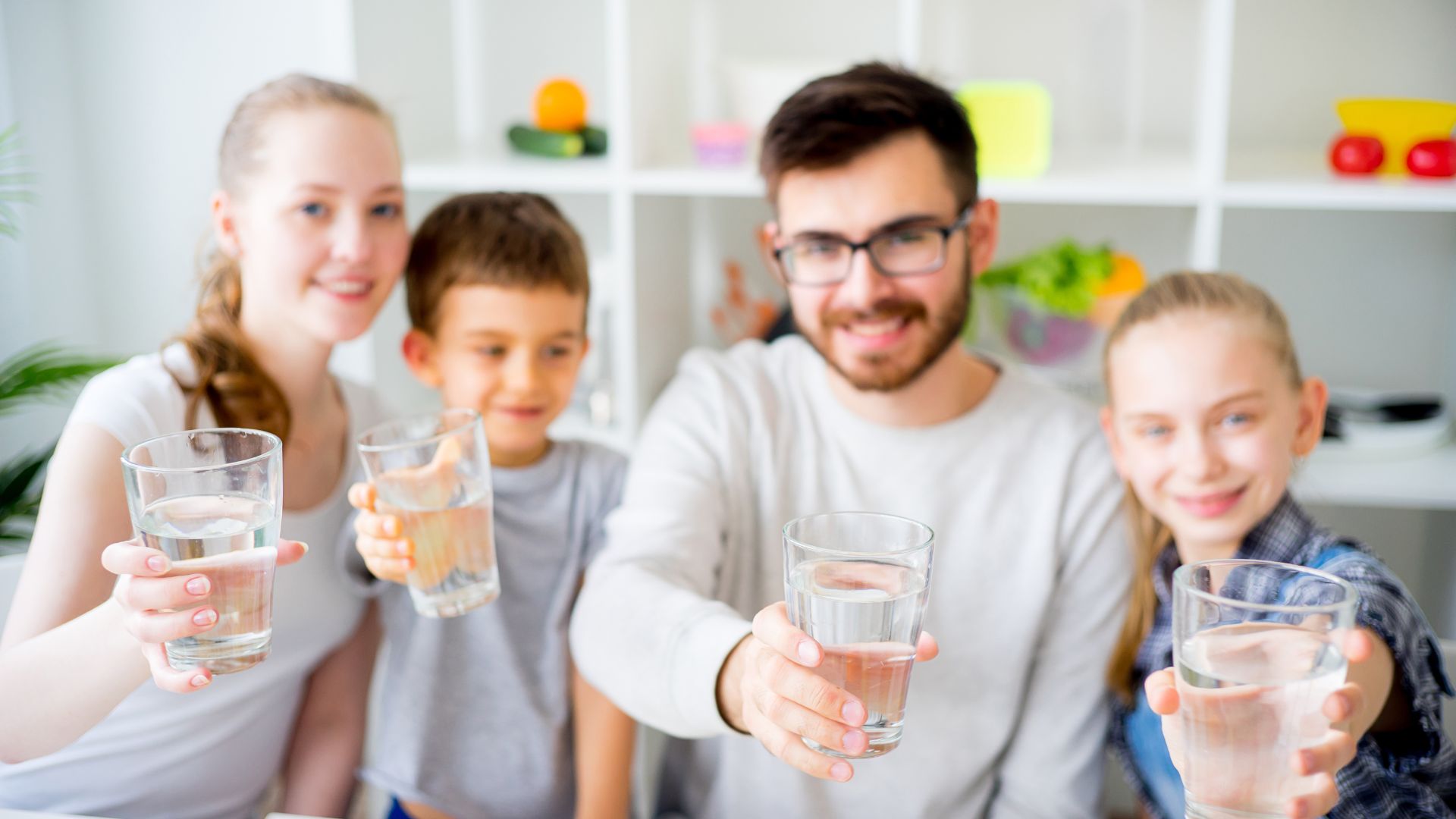
Tap water and mineral water
Tap water (especially after filtration) and good quality spring or non-carbonated mineral water provide minerals but do not provide energy. This means that if you are wondering how many calories mineral water has, the answer is: 0 kcal per 100 ml and 0 kcal pera glass. Different levels of calcium, magnesium, or sodium do not affect the calorie content, as they are not energy macronutrients.
Sparkling water
Carbon dioxide added to water has no energy, so plain sparkling water without sweeteners and sugar also has 0 kcal. Therefore, the most common answer to the question of whether sparkling water has calories is: no, provided that it is just water and gas, without syrups oramount, they are negligible. Lemon has calories, but in such athe dilution is really symbolic. Therefore, the question of whether lemon water has calories can be summarized as follows: it has very few, usually around 5–10 kcal per glass.
If you want to calculate more precisely how many calories lemon water has, check how much juice you actually add. About 30 ml of lemon juice is approximately 7–10 kcal. For most people, this is practically negligible, but in restrictive diets, you may want to take it into account.
Lemon waterwith lemon and honey
Here the situation changes quite a bit, as honey is a concentrated source of simple sugars. A teaspoon of honey (about 10–12 g) is approximately 30–40 kcal. When you add it to a glass, the water with lemon and honey becomes a normal, caloric drink.
Depending on how much honey you add, the calories in water with lemon and honey can range from about 40 to even 80 kcal per glass. That's about the same as a small "light" candy bar,So when it comes to weight loss, it's worth counting it like any other sweet drink.
Coconut water
Natural coconut water (not to be confused with coconut milk) contains a lot of potassium and some natural sugars. Therefore, it is closer to a light juice than to water. People who train often ask how many kcal coconut water has, as they use it instead of isotonic drinks.
Depending on the manufacturer, 100ml is usually around 18–25 kcal, so a glass has roughly 40–50 kcal. This is still less than classic juice, but definitely more than 0 kcal, which regular water has.
Pickle juice
Pickle juice, or more precisely the brine from pickles, is a combination of water, salt, spices, lactic acid, and small amounts of sugars. The energy from such amounts of sugar is low, so the answer to the question of how many calories pickle juice has ispickled cucumbers usually contain a few to several kcal per glass.
Much more important here is the huge amount of sodium. For people with hypertension or kidney problems, such brine should not be a daily drink – it's more of a "seasoning" for meals than a way to hydrate the body.
Flavored water and water with fruit juice
Store-bought flavored waters can lookvery "fit", but contains almost as much sugar as sweet carbonated drinks. Usually, the number of calories in flavored water depends on the amount of sugar – with 3–5 g of sugar per 100 ml, it gives about 12–20 kcal per 100 ml, which is 25–50 kcal per glass.
Homemade water with juice is another common case. If you add a little juice to water, it's easy to overdo it. The number of calories in fruit juice water depends on the proportions – with 1 part juice to 3–4 parts water, count roughly 25-60.calories.
The only exception is flavored "zero" waters, sweetened with sweeteners. Their calorie content is usually close to 0 kcal, although it is still worth being moderate and reading labels.
Birch water
Birch water is the sap from the trunk of a birch tree, naturally containing simple sugars. Hence, the question of how many calories birch water has is justified, as it is not ordinary water, but a slightly sweet beverage. In its unsweetened version, a glassit can have approximately 40–60 kcal, and in products sweetened with sugar or syrup – even more.
It's an interesting, seasonal product, but if you're counting calories, treat it more like an occasional juice than a substitute for water.
Key takeaway: pure water (tap, mineral, sparkling) has 0 kcal, while water with additives – lemon, honey, juice, sugar, or flavors – can have severalup to several dozen kcal in one glass.
Does water burn calories and what are "negative calories"?
The question of whether water burns calories and the theory of "negative calories" often appears online, especially when it comes to very cold water. Indeed, the body uses a bit of energy to warm the ingested water to body temperature, but these amounts are negligible.
To illustrate: drinkinga very cold glass of water can "cost" the body a few extra calories to warm it up. In practice, if at the same time you eat one small biscuit, you will provide many times more energy than the water will burn to warm up.
Water itself does not burn fat tissue. However, it helps maintain proper hydration, which promotes better metabolic function, can support appetite control, and makes it easier to choose lower-calorie beverages instead ofsweetened.
Also remember that any weight loss advice is general. In case of health issues, chronic diseases, or significant weight reduction, it is always advisable to consult a doctor or dietitian.
Key thought: water does not have "negative calories" – it may slightly increase energy expenditure, but the key to weight loss is what you eat and drink overall, not just the water itself.drink temperature.
How to choose drinks if you are counting calories?
Now that you know how many calories are in different types of water, it's time to put that knowledge into practice. For health-conscious individuals, the calorie content of water is important, but even more important is what drinks you consume throughout the day.
- On a daily basis, choose water without additives – tap water after filtration, spring water.or mineral, sparkling or still.
- Consider lemon water as practically calorie-free, but treat lemon water with honey like a regular sweet drink.
- Count flavored water and fruit juice water as other sweet beverages – their calories can add up faster than you think.
- Regard coconut water and birch water more as gentle functional juices than "regular water" for sipping throughout the day.day.
- Read the labels – pay special attention to the "energy/kcal" and "of which sugars" sections.
If you want to simplify your life as much as possible, assume that pure tap or bottled water has 0 kcal, and everything that has the taste of fruits, sweets, honey, or flavors should be counted as you would count a regular drink (unless it is a "zero" version).
In service practice, we often see that people whoinvested in a good water filter, it becomes much easier to adopt the habit of drinking pure water instead of sugary drinks. The quality and taste of home water stop being an excuse, and counting calories in liquids becomes much simpler.
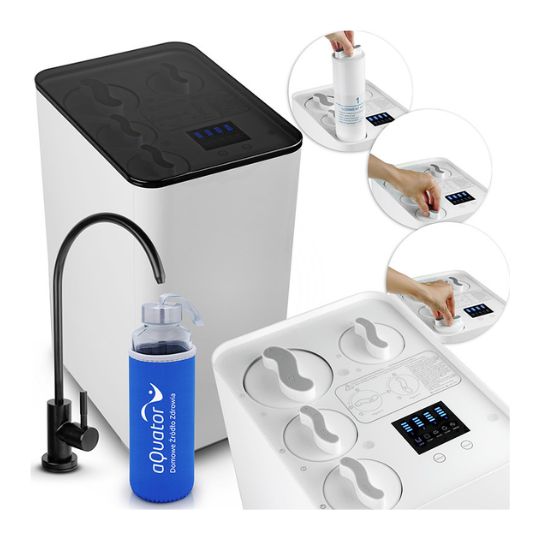
If you care about your health and want to drink tasty, clean water straight from the tap, check out the water filters in our store: https://mojawoda.com. If you have questions about choosing a filtration system for your home orapartments, feel free to contact us.
Key takeaway: the best everyday drink for someone counting calories is pure, filtered water, and treat all "flavored" additives as regular, caloric beverages.
Summary: what to remember about calories inwater
Finally, a quick reminder of the most important facts that help organize the topic of calories in water and water-based drinks.
- Pure water (tap water after filtration, spring water, mineral water, carbonated) has 0 kcal.
- Water with a minimal addition of lemon has negligible amounts of kcal, but water with lemon and honey is already a full-fledged sweet drink.
- WaterCoconut, birch, flavored, and fruit juice water have several dozen kcal or more per glass and should be recorded in your food diary.
- Water itself does not burn calories, but it helps control appetite and replace sugary drinks.
- If you have any doubts, always read the label or consult a specialist – especially when on a weight loss diet or dealing with chronic illnesses.
Key takeaway: treat water as the default, zero-calorie drink, and all additives – lemon, honey, juices, sugar – as separate sources of energy that need to be accounted for in your daily balance.
Frequently Asked Questions (FAQ)
How many kcal are in 1 liter of pure water?
1 liter of pure tap water, spring water, or mineral water, bothboth carbonated and non-carbonated water has 0 kcal. For those counting calories, this means that you don't need to account for the energy from the water itself, as long as you don't add anything caloric to it.
Do you need to count calories from lemon water on a diet?
If you only add a slice of lemon or a small amount of juice, it is only a few kcal in a glass, and most people do not need to take this into account. However, if you have a very restrictive diet plan, you mayadd a few kcal to the daily balance.
Is sparkling water worse than still water if I care about my health?
In terms of calorie content, plain sparkling water is just as "light" as still water – both have 0 kcal. The differences may only concern individual tolerance of the digestive system (some people find that sparkling water increases bloating) and the mineral content in specific brands.
When is it worth
Coconut water is a good option for replenishing electrolytes after exercise or in the heat, but remember that it provides several dozen calories per glass. It's a good choice "from time to time," not a daily substitute for regular water if you're counting calories.
Can children drink flavored water every day?
Flavored water with sugar is essentially a sweet drink, so it's not a gooda choice for everyday use, neither for children nor for adults. It is better for the base to be pure water, while flavored waters and juices should appear occasionally - at most as an addition to a meal.
How often can you drink pickle water?
In terms of calories, such water is not a problem, but it contains a lot of salt. With hypertension, heart, or kidney issues, it should be treated as an occasional addition, not a daily drink.If in doubt, it is worth consulting a doctor.
Is water with fruit juice a good substitute for sweet drinks?
Diluted juice usually has fewer calories than pure juice or a classic soda, but it still provides energy and sugar. It's a moderately better choice, but when losing weight, it's best for hydration to be based on pure water.
Is it worth investing in water filters?if I drink a lot of it?
If you drink a lot of water, a good filter improves the taste, removes impurities, and allows you to stop buying plastic. This makes it easier to choose water instead of sugary drinks, which benefits both health and body shape. In the offer at https://mojawoda.com, you will find various filtration systems tailored for homes and apartments.
Sources:
- https://www.who.int —World Health Organization information on sugar consumption and sweetened beverages
- https://www.efsa.europa.eu — European Food Safety Authority, data on the nutritional values of food and beverages
- https://www.ncez.pzh.gov.pl — National Center for Nutrition Education, educational materials on drinking water and hydration
- https://www.fao.org — Food and Agriculture Organization, general materials onfood and nutrition
Last updated: 2025-11-22.
