
- There are no more items in your cart
- Shipping
- Total 0.00 zł




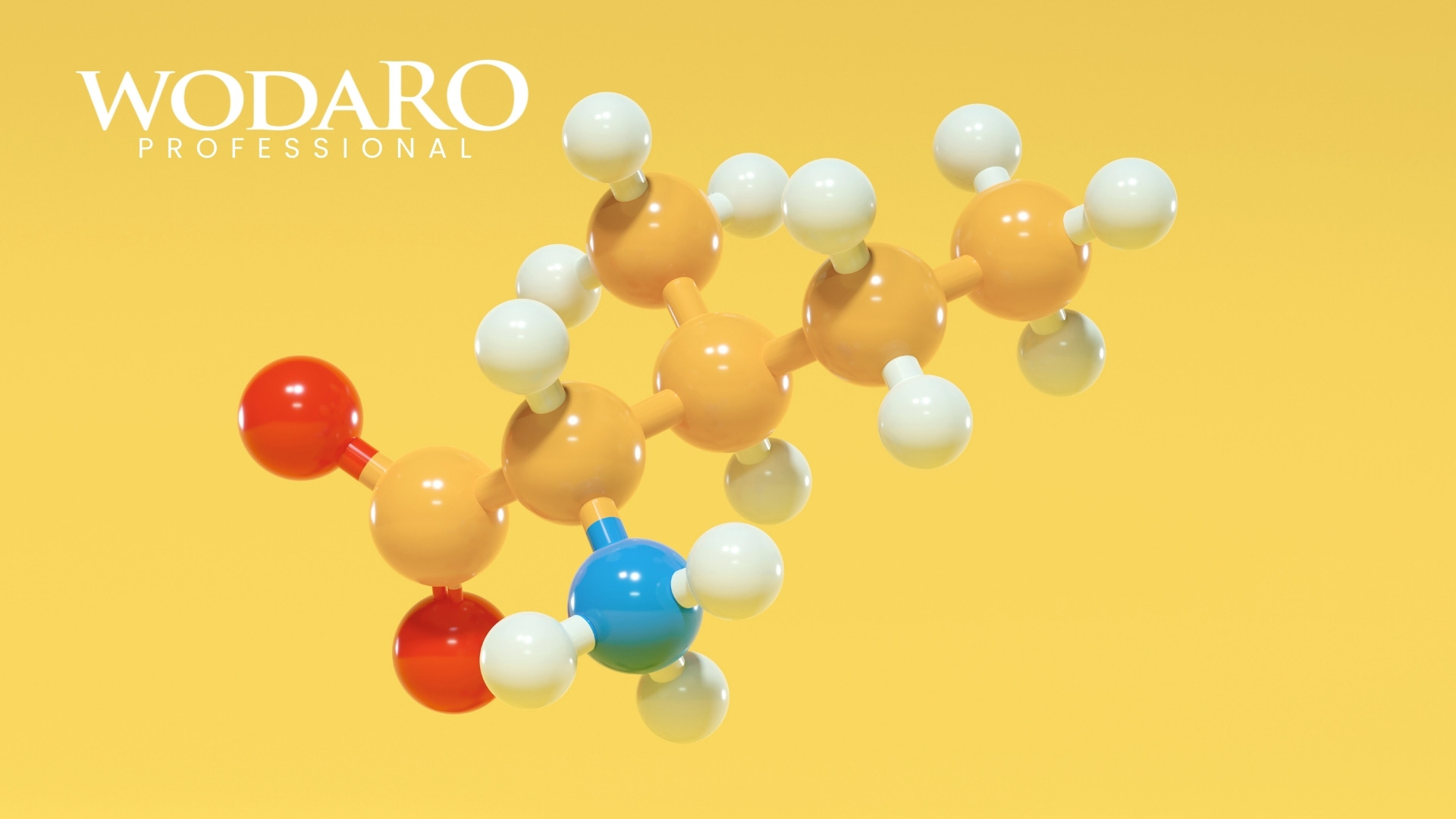
Organic compounds in water - what they are, removal
Organic compounds in water is a topic that is increasingly appearing in discussions about water quality at home and in the garden. In this article, we explain what organic compounds are, where they come from in water, what problems they can cause, and how to approach their removal step by step using home filtration systems.
Table of Contents
- What are organic compounds in water?
- Organic and inorganic compounds - basics of water chemistry
- What problems do organic compounds cause in water?
- How to check if there are elevated organic compounds in your water?
- How to remove organic compounds from water at home - step by step
- Methods of removing organic compounds - a technology overview
- How to recognize that the organic compound filter is working properly?
- Key conclusions in brief
- Summary - why is it worth addressing organic compounds in water?
- Frequently Asked Questions (FAQ)
In this article, you will learn:
- Benefit 1: what organic chemical compounds are in water and where they come from in a home installation
- Benefit 2: what organic compounds are most commonly found in well water and tap water
- Benefit 3: how to recognize by symptoms that water may contain elevated organic substances
- Benefit 4: how to approach the removal of organic compounds from water at home step by step
- Benefit 5: which filtration technologies (activated carbon, reverse osmosis, ultrafiltration) work well in practice
- Benefit 6: how to monitor the filter's operation and when to schedule maintenance and replacement of cartridges
What are organic compounds in water?
Short answer: organic compounds in water are a large group of substances containing carbon, originating from living organisms (plants, animals, microorganisms) and from human activities (e.g., pesticides,detergents, fuels). In themselves, they are not always harmful, but at elevated concentrations, they can worsen the taste, smell, and color of water, create deposits, and also react with chlorine, leading to the formation of undesirable by-products.
In water chemistry, an organic compound is a substance whose molecule contains carbon atoms bonded to hydrogen and often to oxygen, nitrogen, sulfur, or other elements. This group includes both natural organic substances,as well as many compounds produced by humans.
A common question is: what are organic compounds in general, not just in water? Simply put: they are organic chemical compounds associated with living matter and the products of its decomposition, but also with industrial synthesis (e.g., solvents, plastics). It is these organic substances that can enter water sources along with precipitation, wastewater, or runoff from fields.
In everyday language, the word"Organic" is associated with "eco" or "healthy." In chemistry, "what does organic mean" simply indicates that we are dealing with a carbon compound, not a guarantee that a given substance is safe. Some organic compounds are neutral, while others can be toxic or carcinogenic.
In practice, in water, we primarily encounter a mixture of many organic compounds of various origins. Their overall amount is described by parameters such as total organic carbon (TOC) oroxidation indicators, whose values are limited by regulations concerning drinking water.
Key thought: an organic compound in water is simply a carbon substance of natural or synthetic origin; in small amounts it is usually neutral, but in excess it deteriorates water quality and may be undesirable for health and installations.

Organic and Inorganic Compounds - Basics of Water Chemistry
To consciously approach the quality of water at home, it is worth understanding the difference between organic and inorganic compounds. This simple distinction helps to better interpret water test results and select the appropriate treatment technology.
Natural Organic Substances in Water
Natural organic substances appearin water mainly as a result of the decomposition of plant and animal matter. In practice, these include:
- humic and fulvic acids giving the water a tea-like, yellow-brown hue,
- products of the decomposition of leaves, grass, peat, and other plant residues in the catchment area of the intake,
- compounds released by algae and bacteria residing in water bodies,
- microscopic fragmentsbiofilm from the inside of pipes and wells.
In water from wells, especially shallow ones or those located near forests or wetlands, such an "organic trace of nature" is very common. From a chemical point of view, these are also organic chemical compounds, although we do not associate them with industrial chemistry.
Synthetic organic compounds in water
The second group consists of substances derived fromhuman activity. These include, for example:
- pesticides and herbicides used in gardening and agriculture,
- detergents from powders and liquids for washing and cleaning agents,
- volatile organic compounds (VOCs), such as solvents, gasoline, fuels, or products of their evaporation,
- plasticizers and other components of plastics,
- Pharmaceutical and cosmetic residues entering surface waters.
These organic compounds in water are usually the most undesirable, as they not only worsen usability parameters but can also pose health risks. Their presence in drinking water requires special attention and appropriately selected filtration.
Organic and inorganic compounds - how do they connect in practice?
In every water, both organic and inorganic compounds are present simultaneously. The former are carbon substances that we mentioned above. The latter are mainly minerals and salts, such as calcium, magnesium, iron, manganese, nitrates, or chlorides.
A typical example: water can have hardness caused by calcium and magnesium compounds (inorganic compounds), while simultaneously being slightly yellowed by humic acids (organic compounds). To remove these two groupsdifferent technologies are often needed.
Key thought: organic and inorganic compounds always coexist in water; the former require filtration mainly on activated carbon and membranes, while the latter require softening, iron removal, or other typically "mineral" processes.
What problems do organic compounds cause in water?
The presenceThe presence of organic compounds in water does not always indicate a threat, but it often translates into typical, noticeable everyday problems. In service practice, we most often see that users start to take an interest in the topic when the water begins to "smell strange" or changes color.
Impact on the taste, smell, and appearance of water
Elevated organic substances can cause, among other things:
- yellow or tea-colored water from the well,
- earthy, musty, "swampy" aftertaste,
- smell of a pond, algae, or sludge, especially in summer,
- cloudiness of water after boiling.
Even if the analysis does not show any exceedances of standards, such water usually does not encourage drinking and preparing meals.
Technical effects in
Organic compounds also affect the water installation and household devices:
- they can accelerate the formation of deposits and biofilm in pipes,
- clog filter cartridges, shortening their lifespan,
- create unpleasant slimy deposits in tanks and toilets,
- increase the consumption of disinfectants.(np. chlorine).
Reactions with chlorine and disinfection by-products
It is particularly important that organic compounds in drinking water react with chlorine used for disinfection. As a result, disinfection by-products such as trihalomethanes (THMs) or other halogenated organic compounds may be formed. Their concentration is regulated by regulations and monitored by the water supplier, but an excessive amount of substancesthe presence of organic compounds in raw water makes it difficult to maintain water quality in the network.
In the home, this often manifests as a characteristic "pool" smell or a taste of chlorine, which can be more bothersome especially with higher organic loads.
Impact on the garden, plants, and animals
For homeowners with gardens, the issue of organic compounds also arises when watering plants and in backyard ponds.water or fish farming. An excessively high load of organic matter can promote algal blooms, worsen the water quality in a pond or garden aquarium, and even cause problems with drip irrigation systems (clogging of emitters with biofilm).
Key point: elevated organic compounds spoil the taste, smell, and appearance of water, burden the system, and promote the formation of disinfection by-products, which is why it is worthIt is important to monitor even when the water formally meets standards.
How to check if your water has elevated organic compounds?
Before choosing a filter, it's worth knowing exactly what you're dealing with. Organic compounds cannot always be assessed "at a glance," although the first clues come from the taste, smell, and color of the water.
Parameters from water tests that are worth paying attention to
In professional water testing, information about organic load is mainly conveyed by aggregate indicators such as:
- TOC (total organic carbon),
- permanganate index or oxidizability,
- COD (chemical oxygen demand) and BOD5 (biochemical oxygen demand) in raw water tests,
- color, turbidity, odor, and taste are described.quality.
In laboratory reports, you will often find information about specific compounds if it was requested, such as pesticides, certain volatile organic compounds, or selected aromatic hydrocarbons.
How to order a water test?
The safest option is to order tests at an accredited laboratory or a local sanitary-epidemiological station. In the case ofIt is worth asking for an extended testing package for well water that includes organic indicators. This is particularly important for homeowners with gardens, especially if there are cultivated fields nearby, intensively fertilized lawns, or areas where a lot of pesticides are used.
The test results will not only answer the question "what organic compounds are in my water," but also help select the appropriate filtration technology and assess whether additional measures are needed.protection against microbiological contamination.
Self-assessment of water at home
Without a specialized laboratory, you cannot accurately determine the concentration of organic substances, but you can pay attention to a few warning signs:
- a persistent smell of earth, mud, pond, or "cellar",
- a yellowish color of the water, especially noticeable in a white bathtub orin a glass,
- slimy deposits on the walls of tanks,
- frequent clogging of the screens in faucets or pre-filters with slimy deposits.
If you notice such symptoms, it is worth treating them as a signal to conduct analyses and select the appropriate treatment system.
Key thought: simple observations at home area good starting point, but a conscious choice of a filter for removing organic compounds should be based on water test results conducted in a reliable laboratory.
How to remove organic compounds from water at home - step by step
Short answer: choose a filtration method based on water tests and the intended use of the water. For basic removal of organic substances, it is usually sufficient toa good filter with activated carbon for drinking water, and in more difficult cases, a combination of pre-filters, activated carbon, reverse osmosis, or ultrafiltration is used, supplemented with a UV lamp. The key is also regular replacement of cartridges according to the manufacturer's recommendations.
Step 1: Gather information about the water and define the problem
At the beginning, answer a few questions for yourself:
- where do you get your water -from the water supply network, dug well or deep well,
- do you have current test results and which parameters are elevated,
- does the problem only concern taste and smell, or also color, turbidity, and sediments,
- are there sources of pollution in the area (farmland, workshops, intensively fertilized lawns).
The better you define the problem, the easier it will be to choosesolution, instead of "shooting" filters blindly.
Step 2: Determine what you need the treated water for
Other solutions are used when you want to improve only the water for drinking and cooking, and others when you also care about the quality of water throughout the house (bathing, laundry, garden). Consider:
- whether an under-sink filter is sufficient for the kitchen,
- whether the water should bepurified also in bathrooms,
- are you planning to water sensitive plants or a water reservoir in the garden.
Step 3: Choose the treatment technology
The most commonly used methods for removing organic compounds at home are:
- activated carbon filters (inline cartridges, cartridge housings, carbon columns),
- systemsreverse osmosis for the kitchen,
- systems with activated carbon and catalytic beds for the whole house,
- ultrafiltration and nanofiltration, especially when you care about very high-quality water.
In the next section, we will discuss these solutions in more detail, along with practical tips.
Step 4: Plan the installation and subsequent operation
A well-chosen filter will work effectively only if it is properly installed and regularly serviced. Always follow the manufacturer's instructions, especially regarding:
- the frequency of replacing carbon cartridges (usually every 6–12 months, depending on water quality and usage)
- periodic disinfection of the system, if recommended by the manufacturer.
In case of doubts - contact us.
Key thought: effective removal of organic compounds is not about "putting on any filter," but about consciously going through the steps: water diagnosis, determining needs, selecting technology, and regular operation.
Removal methodsorganic compounds - technology overview
Now let's move on to specific technical solutions used in homes and apartments. Homeowners with gardens usually have the most options here, as they can combine point-of-use filtration (e.g., in the kitchen) with solutions for the entire building.
Activated carbon - the basis for the filtration of organic compounds
Activated carbon is the most popular medium used toremoval of organic compounds from water. It works on the principle of adsorption: organic molecules "stick" to the large surface area of the porous medium. Activated carbon is particularly effective in removing:
- substances responsible for taste and odor,
- some pesticides and herbicides,
- selected chlorinated organic compounds,
- many volatile compounds.organic.
In homes, both carbon inserts in under-sink filters and larger carbon columns for the entire building are used. The key is the appropriately selected contact time of water with carbon and regular replacement or regeneration of the medium before it becomes "saturated."
Reverse osmosis - precise purification of drinking water
Reverse osmosis systems use semi-permeable membranes,through which only water and very small molecules pass under pressure. Most organic compounds are retained and discharged into the sewage system along with the concentrate. Reverse osmosis removes both organic substances and many inorganic compounds (e.g., nitrates, some metals).
This type of solution is ideal as a point-of-use system for preparing drinking and cooking water in the kitchen, especially when you care about maximum water quality forfamilies.
Ultrafiltration and Nanofiltration
Ultrafiltration uses membranes with pore sizes in the range of tenths or hundredths of a micrometer. It effectively retains colloidal particles, some larger organic compounds, and microorganisms. On the other hand, nanofiltration somewhat combines the features of reverse osmosis and classical membrane filtration, removing, among other things, some hardness and organic compounds with lower rejection.water.
Advanced oxidation processes, ozone, and UV
In municipal installations to reduce organic compounds, oxidation processes (ozonation, hydrogen peroxide, UV radiation combined with oxidants) are also used. In homes, such methods are less commonly used independently, but a UV lamp can be a good complement to a system based on activated carbon and membrane filtration when safety is also a concern.microbiological.
Combining technologies in practical home systems
In practice, a layered system is often used:
- mechanical filter at the entrance to the house (stops sand and sediment),
- column with activated carbon or carbon cartridge for the whole house,
- water softener (if hardness is high),
- reverse osmosis or ultrafiltration system in the kitchen,
- UV lamp as an additional protection against bacteria.
This reduces organic compounds both throughout the system and particularly effectively in the drinking water.
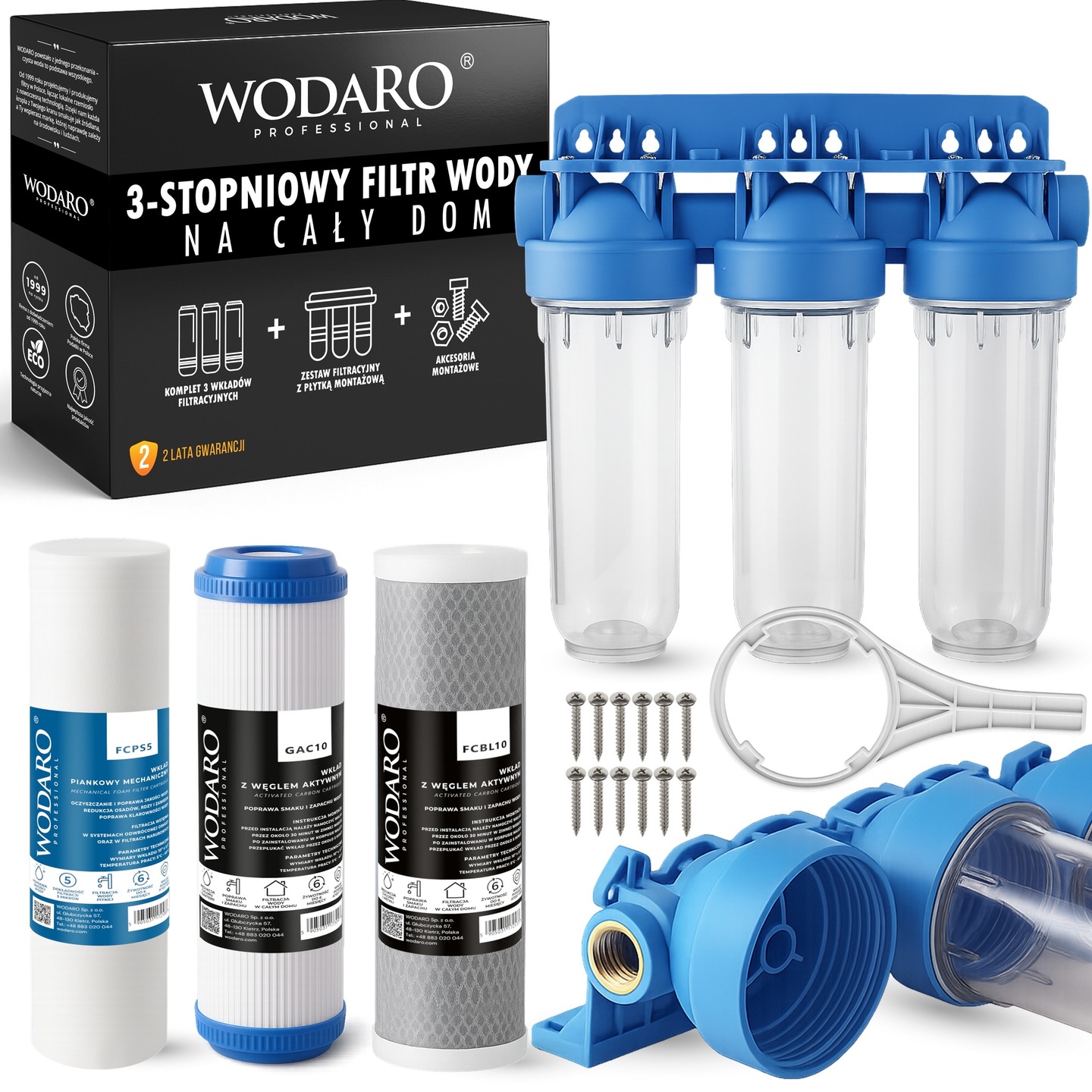
If you are looking for a practical solution for the kitchen or for the whole house, check out carbon filters.active and reverse osmosis systems available in the store https://mojawoda.com. You will find, among others, compact under-sink filters and advanced systems for single-family homes.
Key thought: there is no "one magic filter" for all problems; the most effective are the setscombining mechanical, carbon, and membrane filtration, tailored to specific water test results.
How to recognize that the organic compounds filter is working properly?
After installing the filter, it's natural to wonder: does it really remove organic compounds effectively? Fortunately, some effects can be noticed in everyday use.
Change in taste, smell, and appearance of the water
The easiest way to assess the filter's performance is by comparing the water before and after filtration:
- the earthy or musty smell disappears,
- the water stops having a tea-like hue,
- the taste becomes "neutral," making it more appealing for household members to drink.
Flow and pressure parameters
A filter clogged with organic sediment canto start limiting the flow. If the water significantly slows down and the cartridges are long overdue for replacement, it is a sign that the medium is already exhausted and has stopped effectively adsorbing organic compounds.
Water quality control tests
The most reliable method is to commission periodic control tests from the same unit that conducted the initial testing. This allows for a comparison of parameters before and after filtration and an assessment of how much the indicators have decreased, such ashow TOC or oxidizability.
If health issues are involved (e.g., the presence of specific pesticides), consult the results with a doctor or a public health specialist. The article is for informational purposes; in case of health concerns, it is always advisable to seek individual advice.
Common user mistakes
The most frequently encountered mistakes are:
- too infrequent replacement of carbon filters ("after all, the water is still running"),
- lack of pre-filters before the carbon, causing the cartridges to clog quickly,
- failure to rinse new cartridges according to the instructions,
- selecting a filter "by eye," without any water testing.
By following the manufacturer's recommendations and test results, you will avoid most of theseproblems.
Key takeaway: you can simply confirm the effectiveness of the filter for organic compounds with your senses and a water quality test; however, regular replacement of cartridges and proper operation of the system are essential.
Key conclusions in brief
To organize the topic, here are the key points worth remembering.
- Organic compounds in water come from both nature and human activity; they can worsen the taste, smell, and color of water and affect the installation.
- The difference between organic and inorganic compounds is important when selecting treatment technology.
- The primary tool for removing organic substances is activated carbon, often supplemented by reverse osmosis, ultrafiltration, and UV lamp.UV.
- The choice of filter should be based on water test results, especially for well water and in areas of intensive agriculture.
- Regular replacement of cartridges and following the manufacturer's instructions are essential for the filter to work as you expect.
Key thought: a conscious approach to organic compounds in water not only allows for improvementits taste and smell, but also realistically increase the comfort and safety of using water at home and in the garden.
Summary - why is it worth addressing organic compounds in water?
Organic compounds are a natural element of the aquatic environment, but their excess in utility and drinking water is simply problematic. They spoil the taste and smell, hinder disinfection, and can affect health and plants inin the garden.
A properly selected treatment system allows for effective reduction of organic substances, while also addressing other issues such as iron, manganese, or excessive hardness. The key is to combine reliable water testing with a well-designed filtration system.
If you're wondering where to start, take the first step: order a water test and list your expectations (drinking, cooking, garden, pool, pond).Based on this, it will be easier to choose a filter that actually meets your needs.
If you are looking for ready-made solutions, you can check out the offer of kitchen filters, reverse osmosis systems, and whole house treatment stations available at the store https://mojawoda.com. If in doubt, it is worth consulting the selection of devices with us.
Frequently Asked Questions (FAQ)
What does it meanorganic in the context of water chemistry?
In chemistry, "what does organic mean" refers to compounds containing carbon bonded to hydrogen and often other elements such as oxygen or nitrogen. This does not automatically mean that a substance is healthy or eco-friendly; it merely defines its chemical structure.
What are organic compounds in drinking water and where do they come from?
Organic compounds in waterthat they are not important for health, as they play crucial roles in various biological processes.However, the vitamins present in water are an essential source of nutrition; their amounts in water are usually negligible.
Are proteins organic compounds?
Yes, proteins are complex organic compounds made up of amino acids. In the context of water, proteins may appear more as a trace part of the overall organic matter load rather than as individual, isolated substances.
What are organic compounds?
In well water, natural organic substances dominate: humic acids, products of plant and microorganism decomposition, and sometimes traces of pesticides or herbicides if there are agricultural fields nearby. Their presence is most often indicated by a yellowish tint and an earthy smell of the water.
How to check if the water in the house has too many organic compounds?
The most reliableone way is to test the water in an accredited laboratory for indicators such as TOC or oxidizability and any potential pesticides. Treat changes in color, an intense "pond" smell, or slimy deposits in the system as a warning signal.
Do carbon filters remove volatile organic compounds from water?
Well-chosen activated carbon filters are effective in reducing many compounds responsible for the odor and taste of water, in the volatile organic compounds. The condition is a sufficiently long contact time between water and carbon, and regular replacement of the cartridges before the bed becomes saturated.
When is it worth using reverse osmosis to remove organic compounds?
Reverse osmosis is particularly recommended when you want to have very well purified drinking water, and the water test results show both organic compounds and other contaminants (e.g.nitrates, metals). It also works well when there are small children or individuals with sensitive digestive systems in the house.
How often should you replace the carbon filter that removes organic compounds?
Typically, carbon cartridges are replaced every 6–12 months, but the exact period depends on the water quality and its usage. Always follow the manufacturer's instructions for the specific filter, and replace the cartridge earlier if the taste or smell of the water worsens.
How much does a filter for removing organic compounds at home cost?
The simplest under-sink activated carbon filters usually cost from several dozen to several hundred zlotys, while more advanced reverse osmosis systems or carbon columns for the whole house are more expensive. The final cost depends on whether the filter is to serve only drinking water or the entire house, as well as how contaminated the source water is.
Sources:
- https://www.who.int — general information on drinking water quality and organic substances in water
- https://eur-lex.europa.eu — EU legal acts regarding drinking water quality for humans
- https://www.sanepid.pl — information on water testing for households
