
- There are no more items in your cart
- Shipping
- Total 0.00 zł




How to winterize your pool – tips and advice
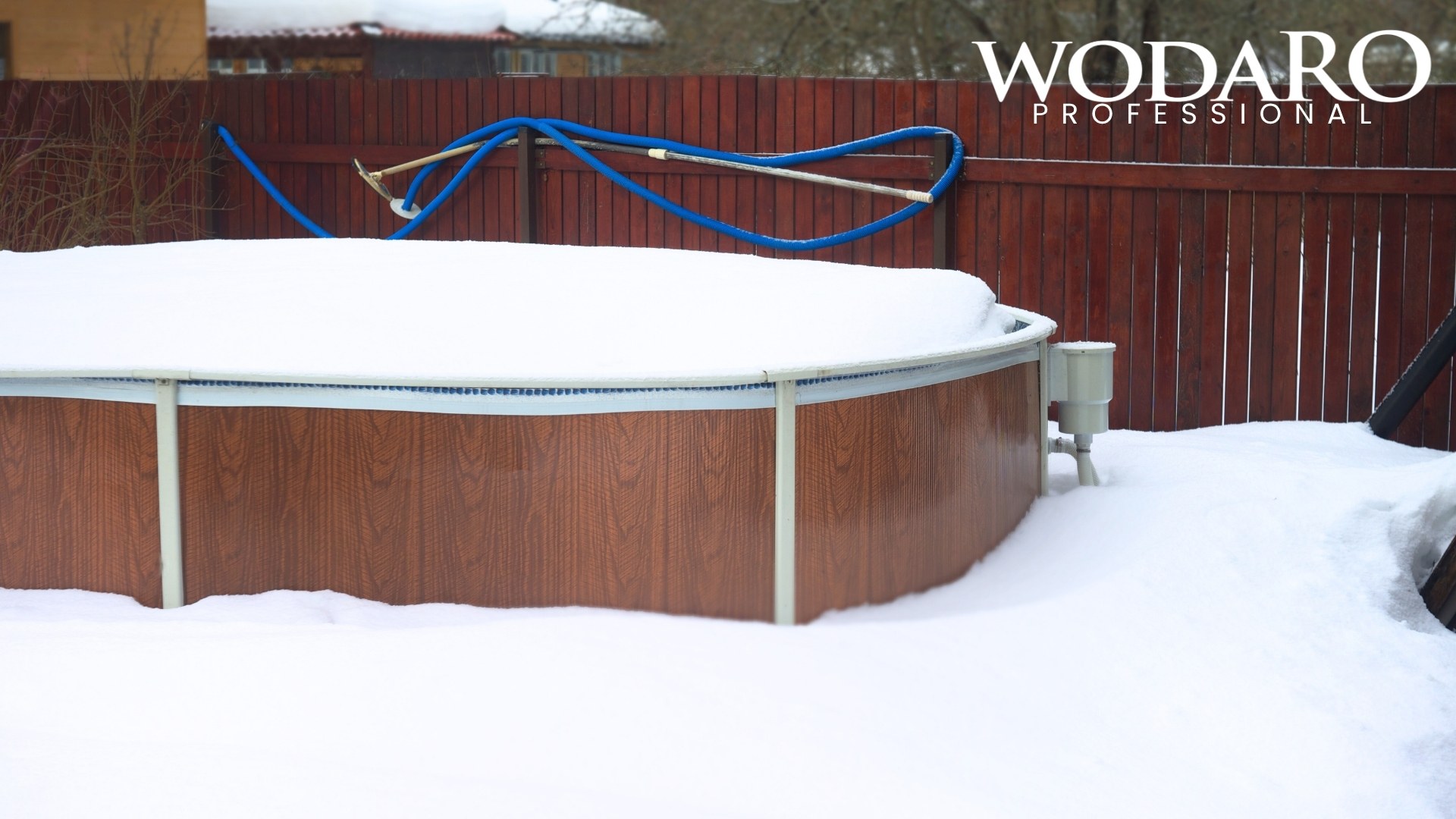
Shorter days and falling leaves remind us that the swimming season is coming to an end. Proper winterizing of the pool is key to avoiding costly repairs in the spring and maintaining water quality and structure. In this article, you will find a complete guide – from cleaning, through winterization methods, to reopening after winter.
Last updated:2025-10-08.
Table of Contents
- Can the pool be left for winter?
- How to clean the pool after the season?
- Winterizing the pool by type of pool
- Cleaning the pool after winter – where to start?
- Winterizing the pool – summary
- Frequently Asked Questions
In this article you will learn:
- Why it is worth securing the pool and what are the consequences of neglect
- How to prepare the pool after the season – products, techniques,actions order
- How to winterize pools of different types – frame, concrete, vinyl
- How to start up the pool after winter and maintain cleanliness
Can the pool be left over winter?
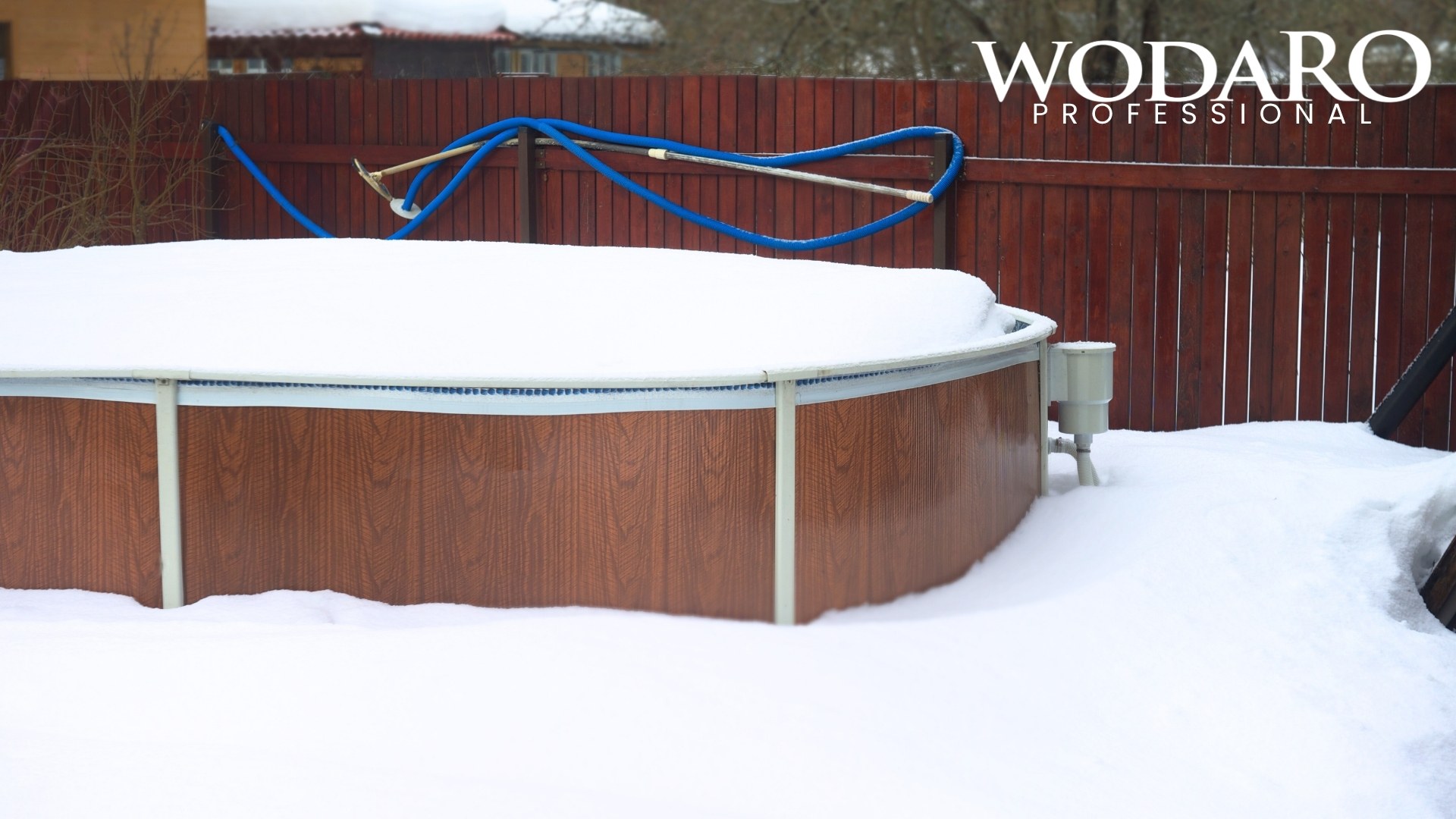
Before we move on to the technical steps, we need to answer a key question: can the pool be left over winter without majorconsequences? The answer depends on the pool's construction, local climate, and the method of protection.
In the case of mild winters (without prolonged freezing), it is possible to leave part of the installation – however, without appropriate actions, you risk damaging the structure, cracking pipes, or degrading materials. In practice, most experienced users choose to actively winterize the frame pool or fully drain it andprotection of certain elements.
It's worth remembering: even if winters are mild, the lack of proper protection often leads to pipe and coating failures – it's better to act preventively.
How to clean the pool after the season?
Properly cleaning the pool after the season is a key step before preparing the entireinstallation for winter. It is worth knowing how to clean the garden pool after the season to avoid deposits, algae, and corrosion.
The following steps and products are recommended:
- Emptying the water (to the level indicated by the manufacturer or partially leaving it considering freezing).
- Using a gentle pH-neutral agent or a special pool cleaner, diluted according to the instructions.producer.
- Brushing the walls and floor – preferably with a soft brush or pool pads (avoid sharp tools).
- Rinsing with clean water, leaving the parts that will be disassembled to dry.
- Cleaning auxiliary equipment – skimmer, pumps, filters (after disconnecting and draining the water).
If the water had a high levelpollutants, one can consider using oxalic acid or other preparations, but only with caution and according to the instructions.
Key thought: proper pool cleaning after the season minimizes the risk of damage and facilitates the entire winterization process.
Winterizing the pool according to the type of pool
Different typesDifferent types of pools require various methods of protection. Below is a description of the most common structures winterizing the pool in practice.
How to secure a frame pool for winter?
Frame pools are popular due to their simple construction. When winterizing a frame pool, it is worth considering the following steps:
- Partially drain the water to a level below the jets and the lineskimmera.
- Disconnecting and drying pumps, filters, and hoses – storing in a dry place.
- Installing winter floats, overflow pipes, pressure equalization hoses – to prevent ice from exerting destructive pressure.
- Installing a permanent or seasonal winter cover – preferably made of polypropylene or UV-resistant material.
- Securing the cover with ropesor with a clamp system, with a slight tension – to prevent standing water on the cover.
If the frame pool is part of a complete system of pipes and connections – it is also worth using a safety plug and protective drains.
How to secure a masonry pool / made of prefabricated elements?
A masonry pool (concrete or made of prefabricated elements) requires a detailed plan:
- Lowering the water level to the lowest inlets or drainage line.
- Draining auxiliary systems – pipes, pumps, filters – and securing them (drying, disassembly, or ballasting).
- Use of winter chemicals (stabilizers, algaecides, corrosion inhibitors) in proportions recommended for the given pool volume.
- Installing a solid cover – Floating "bubble" covers made of reinforced material are recommended.
- Using a slightly submerged rope or drainage system over the cover – to reduce the accumulation of rainwater.
How to secure a foil pool (inflatable / foil liner)?
Foil and inflatable pools are more delicate structures, but they also require winterizing:
- Partial water drainage (usually up to half the height, but depending on the instructions).
- Gentle cleaning of the material – avoiding aggressive chemicals that may damage the film.
- Use of foam inserts or inflatable floats to maintain the balance of ice forces.
- Installation of a cover fitted to the diameter – secured with elastic straps or
- Avoiding snow accumulation on the cover – regular (light) snow removal as needed.
Key thought: the choice of method winterizing the pool largely depends on the construction – use appropriate measures for a frame, masonry, or vinyl pool.
Cleaning the pool after winter – where to start?
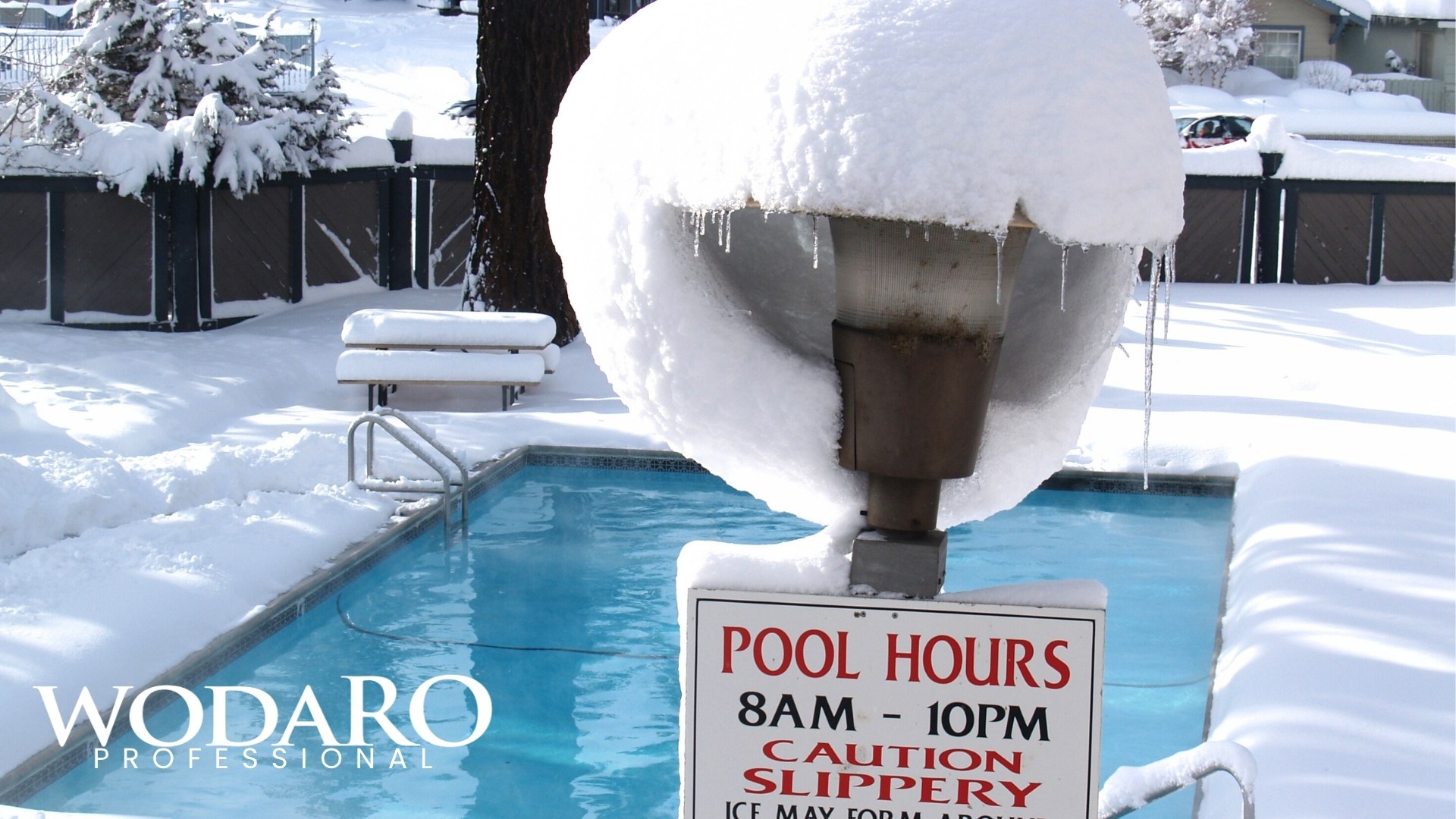
When the ice melts and the first spring days arrive, it's time to safely start up the pool. Below are the steps for cleaning the pool after winter step by step:
- Removing the cover – carefully, to avoid letting leaves or debris into the interior.
- Refillingwater to the working level.
- Restarting the pump and filter – preferably at the lowest speed.
- Adding a shock treatment to the water (chlorine or another disinfectant) – according to the instructions.
- Brushing the walls and bottom, vacuuming the suction bottom.
- Adjusting pH, alkalinity, and testing the values (e.g., pH 7.2–7.6).
- Monitoring for the first few days – check clarity, filters, chlorine level.
Key thought: quick and methodical cleaning of the pool after winter prevents algae growth and restores optimal bathing conditions.
Winterizing the pool – summary
Proper how to secure the pool for winter is a multi-step process – simply covering it is not enough. To ensure that the structure, installations, and water quality survive the winter, methods appropriate to the type of pool must be applied, everything must be thoroughly cleaned, and seasonal restoration should be done in spring.
If you take these steps consistently, you will significantly reduce the risk of failure, improve the longevity of the equipment, and maintain the comfort of using the pool innext seasons.
Frequently Asked Questions (FAQ)
Can the filter and pump be left in the pool over the winter?
Not recommended — freezing water can burst the pipes and the interior of the pump. It's better to dry them and store them indoors.
What chemicals should be used for winterizing?
Use stabilizers, corrosion inhibitors, andlong-term action algicides – in doses recommended for the volume of the pool. All available in our online store mojawoda.com
Is the winter cover enough to protect the pool?
The cover is an important element, but without draining the water, relieving the structure, and securing the installation, it will not be sufficient.
When is the best time to start winterizing?
When the air temperature regularly drops below 10 °C and forecasts indicate nighttime frosts — then start the winterization process.
Do I need to dismantle the entire pool?
In the case of frame pools, you can sometimes leave the structure, but some components (pumps, filters, hoses) should be removed and stored in a dry place.
How long does it take to start up the pool in spring?
Usually, 1–2 days are enough for filling, starting the filters, adding chemicals, and cleaning — depending on the condition of the pool and weather conditions.
Do I need to check the cover from time to time during winter?
Yes — especially after precipitation or strong winds, you should check if the cover is not overloaded with excess water or snow, which could damage it.
What to do if the pool was poorlysecured and there were damages?
First, remove the damages (patches, pipe repairs), conduct intensive cleaning, and reinforce the security system — then treat this season as a lesson for the future.
Sources:
- Industry literature and manufacturer instructions (pool chemicals, covers) – internal materials
- Articles andpool industry guides – own analysis
Author: Maciej Waliduda — specialist in water treatment and pool filtration.
