
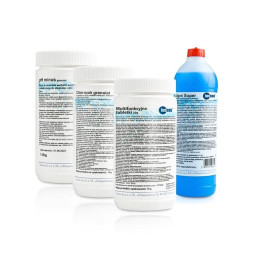
Solutions for HVAC and cooling towers
Stable water parameters in cooling and heating circuits – less scale, corrosion, and biofilm, more efficiency of systems.
For whom? For facilities with extensive HVAC installations, cooling towers, chillers, and air conditioning units. We selectsolutions after analyzing the installation and water parameters.
Need a quick quote?
Fill out a short form — we will call you back, discuss water circuits, and indicate areas for improvement.
Industry description
In HVAC installations and cooling towers, water (or glycol solution) operates in a closed or open-loop system, often for many years.
Its quality directly affects the efficiency of heat exchange,energy consumption, the lifespan of exchangers, pumps, and fittings, as well as hygienic safety.
After analyzing the circuits (open, closed, glycol), installation materials, and operating conditions, we select solutions that reduce scale, corrosion, and the growth of microorganisms.
The most common problems in HVAC systems and cooling towers
- Scale and deposits onin heat exchangers, in towers and pipes
- Corrosion of steel and mixed (steel/copper/aluminum) elements
- Formation of biofilm, sludge, and biological contaminants in circuits
- Decrease in cooling/heating efficiency and increase in energy consumption
- Hygienic problems in cooling towers (risk of bacterial growth, unpleasant odors)
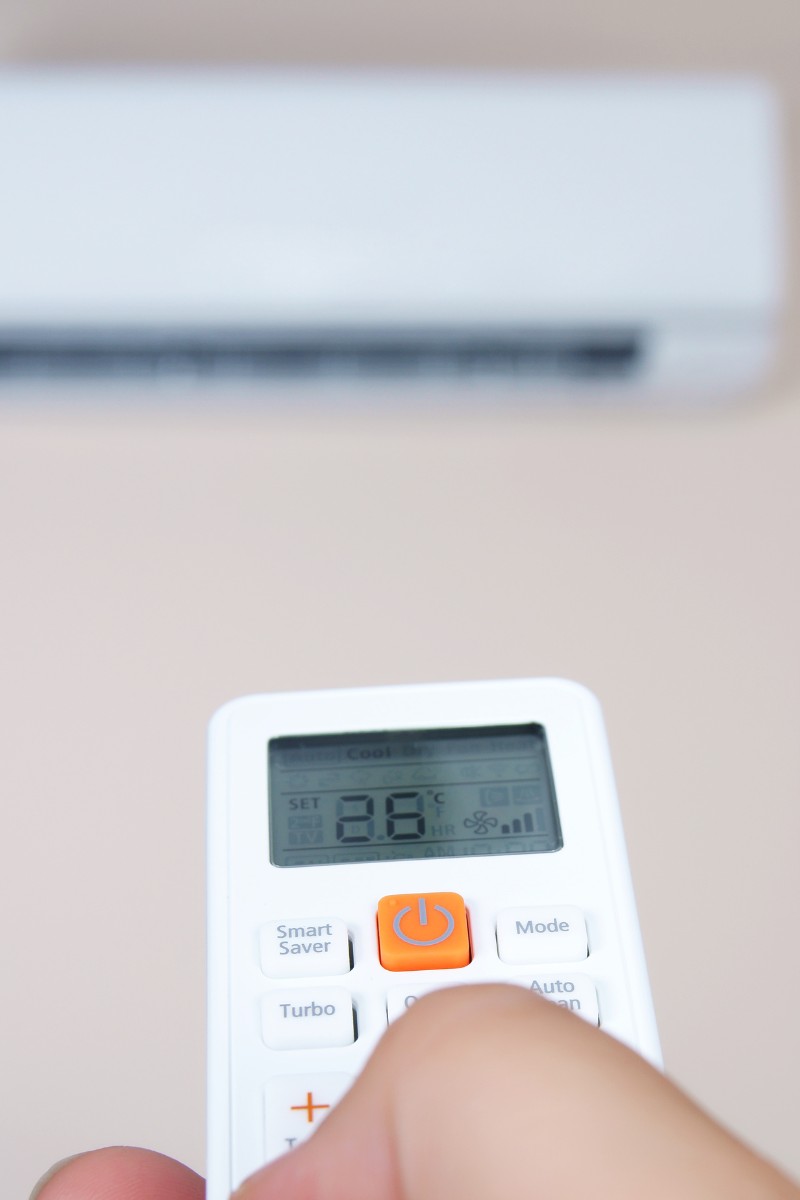
What we offer
- Selection and treatment of make-up water for cooling and heating circuits
- Solutions to reduce scale, corrosion, and deposits in heat exchangers
- Support in water quality control in circuitsglycol and ice water
- Mechanical filtration, separation of impurities, and support for flushing the system
- Delivery, installation, commissioning, operator training, and periodic service
Your benefits
- Higher efficiency of heat exchangers and lower energy consumption
- Fewer pump, valve, and cooling tower component failures
- Reduced risk of corrosion, leaks, and emergency shutdowns of the installation
- Better control over water parameters and easier service planning
- Support in meeting hygiene and documentation requirements
Micro-scenarios
- Office building with air conditioning units and a cooling tower: selection of make-up water treatment and circulation filtration, reduction of deposits on heat exchangers and efficiency drop.
- Industrial plant with chilled water circulation: analysis of water and glycol solution composition, selection of filtration and solutions to reduce corrosion in a mixed installation (steel, copper, aluminum).
- Object with sludge and biofilm issues: installation of contaminant separation systems, flushing of installations, and treatment of make-up water, stabilization of pump and heat exchanger operation.
- Modernization of an older HVAC system: equipping with water treatment and filtration points, preparing a phased concept for improving water quality in circuits.
Do you want to improve the efficiency of cooling and heating?
Send the installation diagram, water test results, and a brief description of the problems — we will prepare a step-by-step proposal.