
- There are no more items in your cart
- Shipping
- Total 0.00 zł




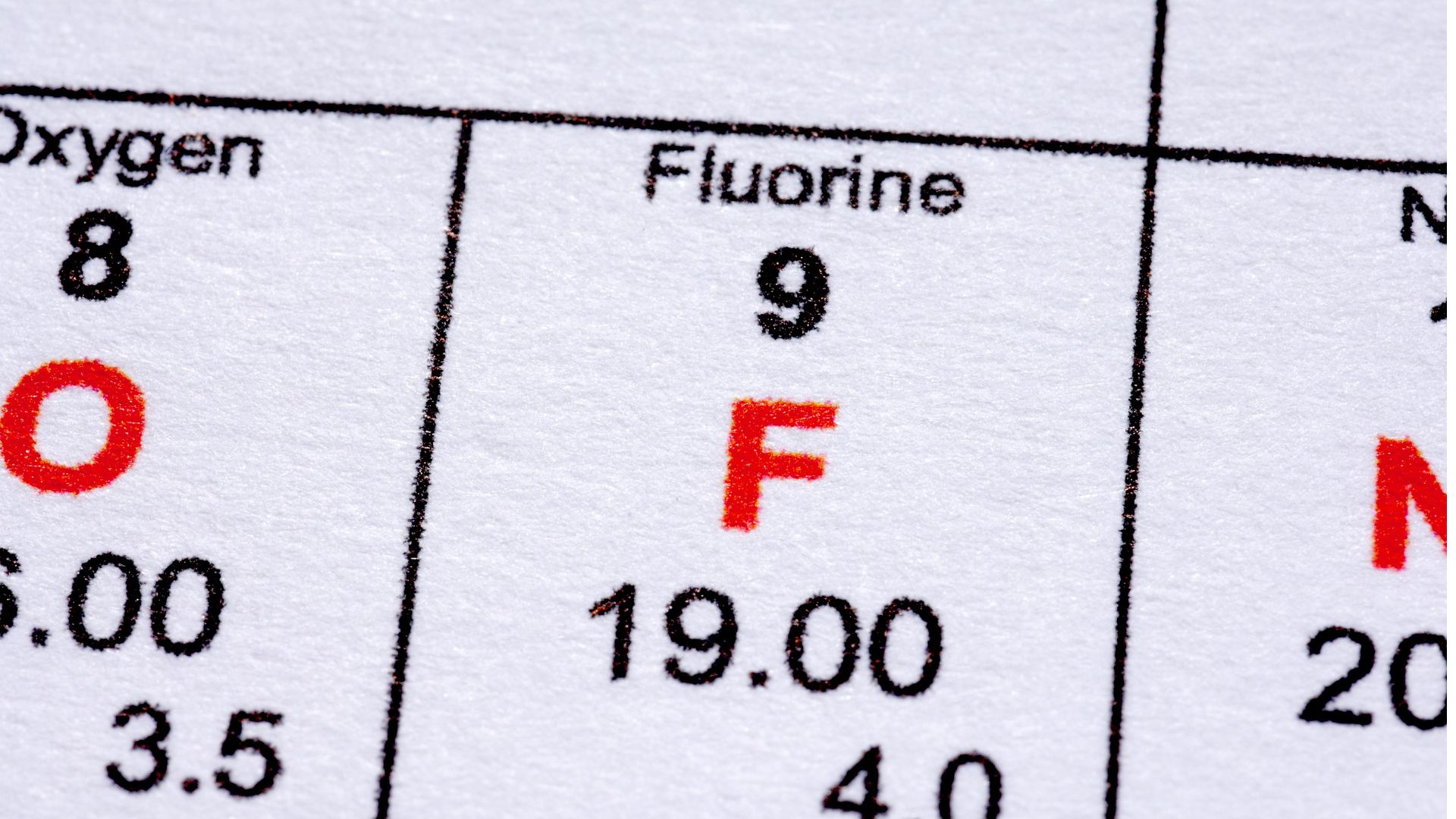
How to remove fluoride from water?

Fluor is a chemical element that occurs naturally in nature and is also sometimes added to drinking water to provide better protection for teeth against cavities. However, excessive exposure to fluoride can lead to various health problems. Therefore, it is sometimes necessary to reduce its concentration in water.
Last updated: August 26, 2025
From thisyou will learn from the article…
- Why is removing fluoride from water important?
- What are the methods of removing fluoride from water?
- What is reverse osmosis filtration?
- What is filtration using activated carbon?
- What isWhat is distillation?
- What is adsorption on activated alumina?
- What is the selection of the appropriate filtration method for removing fluoride?
- What does fluoride removal from water involve – summary?
Why is fluoride removal from water important?
Although fluoride is beneficial for dental health, its excess can have toxic effects on the human body. The most striking example is fluorosis, the first symptoms of which appear as white spots on the enamel. Over time, these can darken, leading to numerous cracks. Fluoride poisoning is associated with vomiting or diarrhea, and in extreme cases, it can damage the kidneys or liver. It is also worth mentioning that too high a concentration of this element can negativelyaffect the synthesis of neurotransmitters and their receptors in the brain, the muscular system, or the reproductive system. For the above reasons, the World Health Organization (WHO) recommends that the concentration of fluoride in drinking water should not exceed 1.5 mg/l.
It is important to remember: Regular monitoring of fluoride levels in drinking water is crucial for health.
Methods of removing fluoride from water
Reverse Osmosis Filtration
Reverse osmosis (RO) is one of the most effective methods for removing fluoride from water. This technology involves passing water through a semi-permeable membrane that retains most contaminants, including fluoride ions. Water under high pressure passes through the osmotic membrane, which retains particles larger than H2O. Fluoride is effectively removed at a rate of 90-95%.
Filtrationusing activated carbon
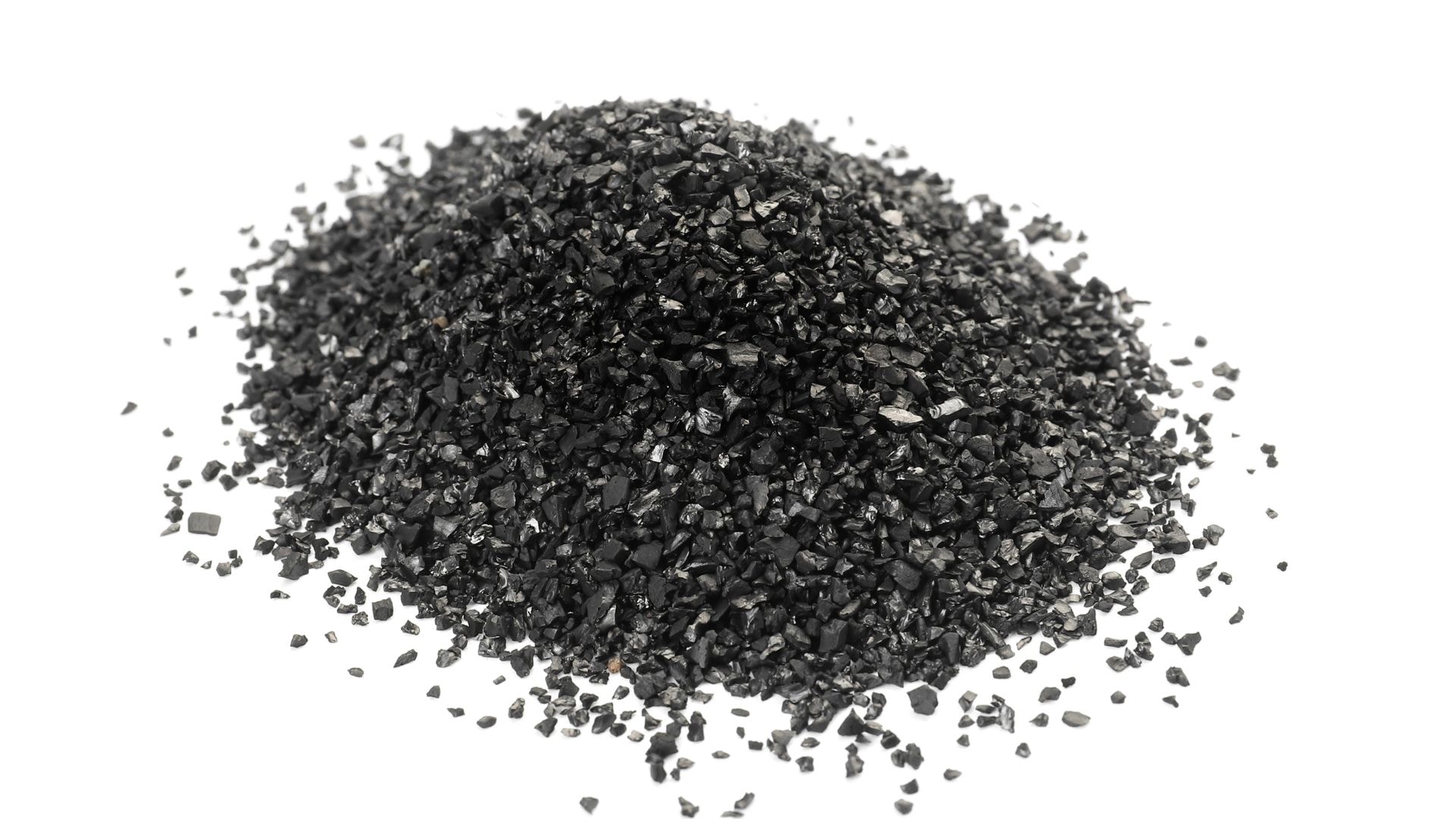
Activated carbon is commonly used to remove organic contaminants and certain chemicals from water, including fluoride. This is because it has a large adsorption surface area that allows for effective removal of unwanted substances.
Distillation
Distillation is a process that involves heating water to its boiling point, and then the condensation of water vapor, which leads to the separation of impurities, including fluoride. This method works by heating the liquid until it begins to evaporate, and the resulting water vapor is then collected and condensed, creating pure water free from any contaminants.
It is worth remembering: RO systems require regular membrane replacement to maintain their efficiency.
Adsorption onactive aluminum oxide
Active aluminum oxide (AAO) is an effective adsorbent used for the removal of fluoride from water. It has the ability to bind fluoride ions to its surface, leading to their complete removal from water. This process is particularly effective at low pH levels of water.
Choosing the right filtration method for fluoride removal
The choice of the appropriate method for removing fluoride from water depends onseveral factors, such as: the concentration of fluoride in water, installation and operating costs, maintenance requirements, and the effectiveness of removing other contaminants. Additionally, it is worth considering what other contaminants may be present in the water to choose a method that will be effective in their elimination.
It is important to remember: Carbon filters should be replaced every few months to maintain their effectiveness.
Fluoride removal from water – summary
For households, the best solution may be a reverse osmosis system or activated carbon filters. They are easy to install and offer a high level of effectiveness in removing fluoride. In the case of large industrial facilities, where a greater amount of clean water is required, methods of fluoride removal such as distillation or ion exchange may be more cost-effective due to their higher efficiency.performance and the possibility of regeneration. It is also important to regularly monitor the fluoride concentration in drinking water to ensure health safety.
Frequently Asked Questions (FAQ)
What are the health effects of excess fluoride?
Excess fluoride can lead to fluorosis, kidney damage, and neurological disorders.
Is reverseIs reverse osmosis effective in removing fluoride?
Yes, reverse osmosis removes fluoride by 90-95%.
How often should carbon filters be replaced?
Carbon filters should be replaced every few months.
Is distillation time-consuming?
Yes, distillation takes more time, but it is effective.
What otherCan pollutants be removed by filtration?
Filtration methods can remove organic pollutants, heavy metals, and other chemical substances.
Is activated alumina safe?
Yes, activated alumina is safe to use for water filtration.
Author: MaciejWaliduda — a specialist at MojaWoda.com, an expert in water treatment and filtration technology.
