
- There are no more items in your cart
- Shipping
- Total 0.00 zł




How to save water - 30 ways to conserve water
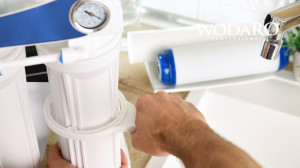
Saving water is crucial for our environment and our wallets. By reducing water consumption, we not only lower our bills but also protect water resources that are limited. Many regions around the world suffer from shortages of drinking water, which is why saving water is a step towards a sustainable future. So how can we save water? Below we present 30 ways to save water!
Last updated: August 26, 2025
In this article, you will learn…
- Why is saving water important?
- How to save water at home?
- What is Effective Water Saving?in the bathroom?
- What is Water Saving in the Kitchen - Practical Tips?
- How to use water efficiently in the garden?
- What is the change of habits during hand and teeth washing?
- How to save water whilewashing?
- What does collecting gray water and reusing it involve?
- What does using modern technologies for irrigation involve?
- How to save water in public places?
- What does using technology to monitor consumption involve?water?
- What is education and awareness of household members?
Why is saving water important?
Reducing household costs
Reducing water consumption directly translates to lower water bills. Simple daily activities can lead to significant water savings, which in turn will affectpositively on the household budget.
Protection of natural resources
By saving water, we help protect our natural environment. Freshwater resources on Earth are limited, and excessive consumption can lead to serious ecological problems, such as droughts or shortages of drinking water.
How to save water at home?
Saving water at home can be achieved by making a few simple changes. Following the tips below will help reduce water consumption in your apartment and positively contribute to your household budget.
Quick showers instead of baths
A quick shower uses less water than a bath. By choosing a shorter shower, we can save hundreds of liters of water each month. Do you have a shower cabin?Shower? Use it by limiting the time spent in the shower to just a few minutes. Water-saving showerhead is another step that will help reduce its consumption.
Repairing leaking faucets and toilets
A leaking faucet or toilet can waste thousands of liters of water each year. It's worth regularly checking plumbing and promptly fixing any issues.
Effective water saving in the bathroom
You might be surprised, but saving water in the bathroom also includes showers and baths in cool water! Mixing hot and cold water from two taps uses more water, leading to waste. We recommend single-handle faucets, which make it easier to control water temperature and reduce waste.
Installation of water-saving shower heads - efficient flow restrictor
The most water-efficient shower head can reduce water consumption by up to half. It is worth investing in a water-saving shower head that limits flow without sacrificing bathing comfort.
The use of dual-flush toilets fortoilet
Dual flush systems allow you to choose the amount of water used for flushing the toilet, which contributes to water savings. This solution not only reduces water consumption but is also more environmentally friendly. The dual-function flushing system can be found in most new homes.
Choose a shower instead of a bathtub! Eco-friendlybath
Worth remembering: Saving water is not only a financial benefit but also an environmental protection.
A shower uses significantly less water than a bath, which contributes to water savings and lower bills. A bath typically uses 150-200 liters of water, while a five-minute shower uses only about 50 liters.
Water savingin the kitchen - Practical tips
The kitchen is a place where a significant amount of water is used. Below we present proven ways to save water in the kitchen!
Dishwasher vs. hand washing
Using a dishwasher is more economical than hand washing dishes, especially if we use full loads. If you must resort to hand washing, removescraps of food from dishes before washing, and then fill the sink with water instead of washing them under running water.
Using full loads in the dishwasher
Always run the dishwasher only when it is full. Avoid washing a few dishes with the tap running, as this contributes to waste. Use running water only when you really need it, instead of letting it flow uselessly down the drain.to save water while maintaining performance. Investing in water-saving faucets and taps is a great way to reduce water flow and decrease water consumption in the kitchen. These devices are equipped with a water aerator, which is designed to minimize water flow without sacrificing efficiency.significant savings.
How to use water efficiently in the garden?
The garden is another place where we can save water by using appropriate flower watering techniques.
Drip irrigation systems
Drip irrigation systems deliver water directly to the roots of plants, minimizing water loss due to evaporation. This allows forwe can effectively water the plants, saving water.
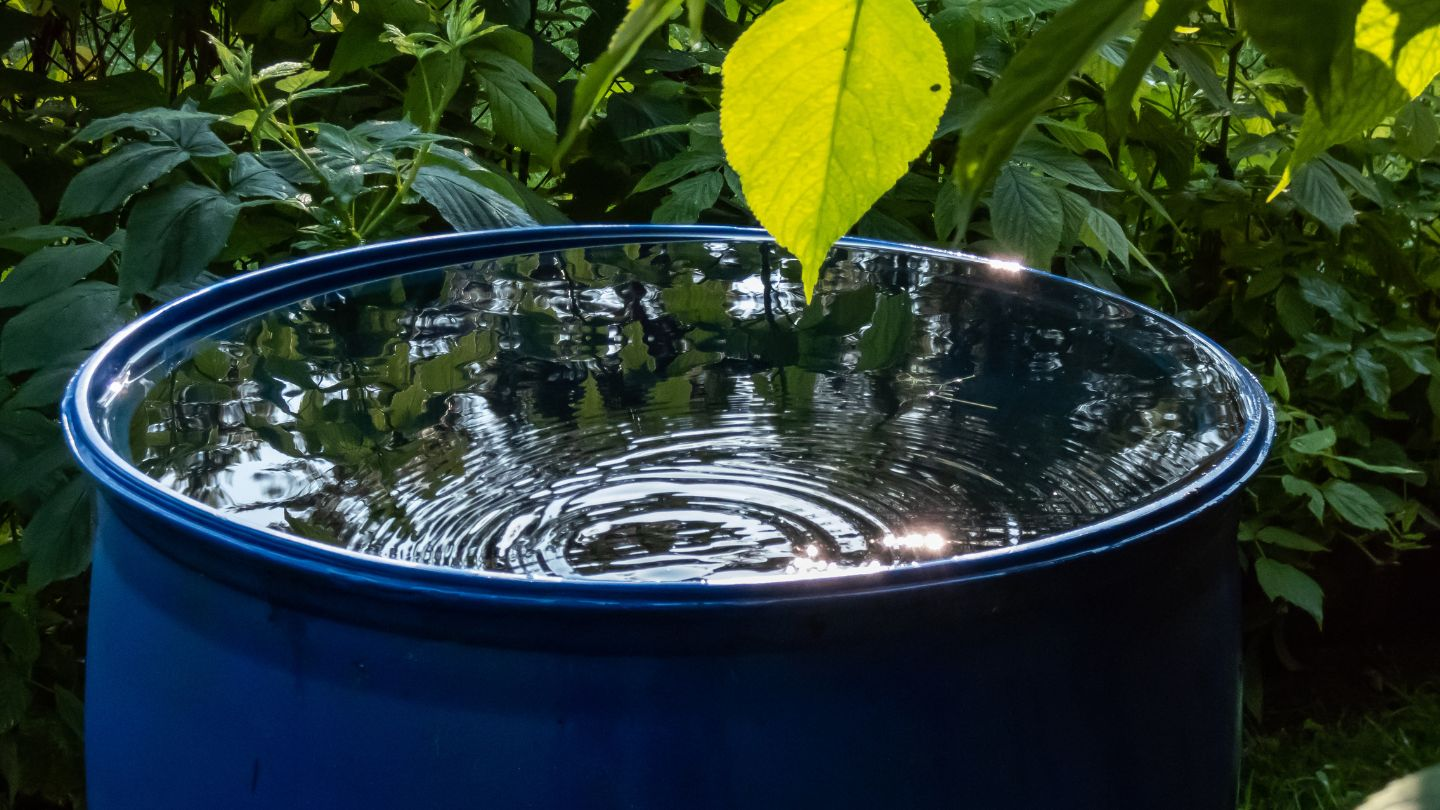
Collecting rainwater in special tanks and then using it to water the garden. It's a simple way to save, especially when watering
Collect rainwater during dry periods. Collect rainwater and use it to water plants, washof the car, and even for washing floors.
Changing habits while washing hands and teeth
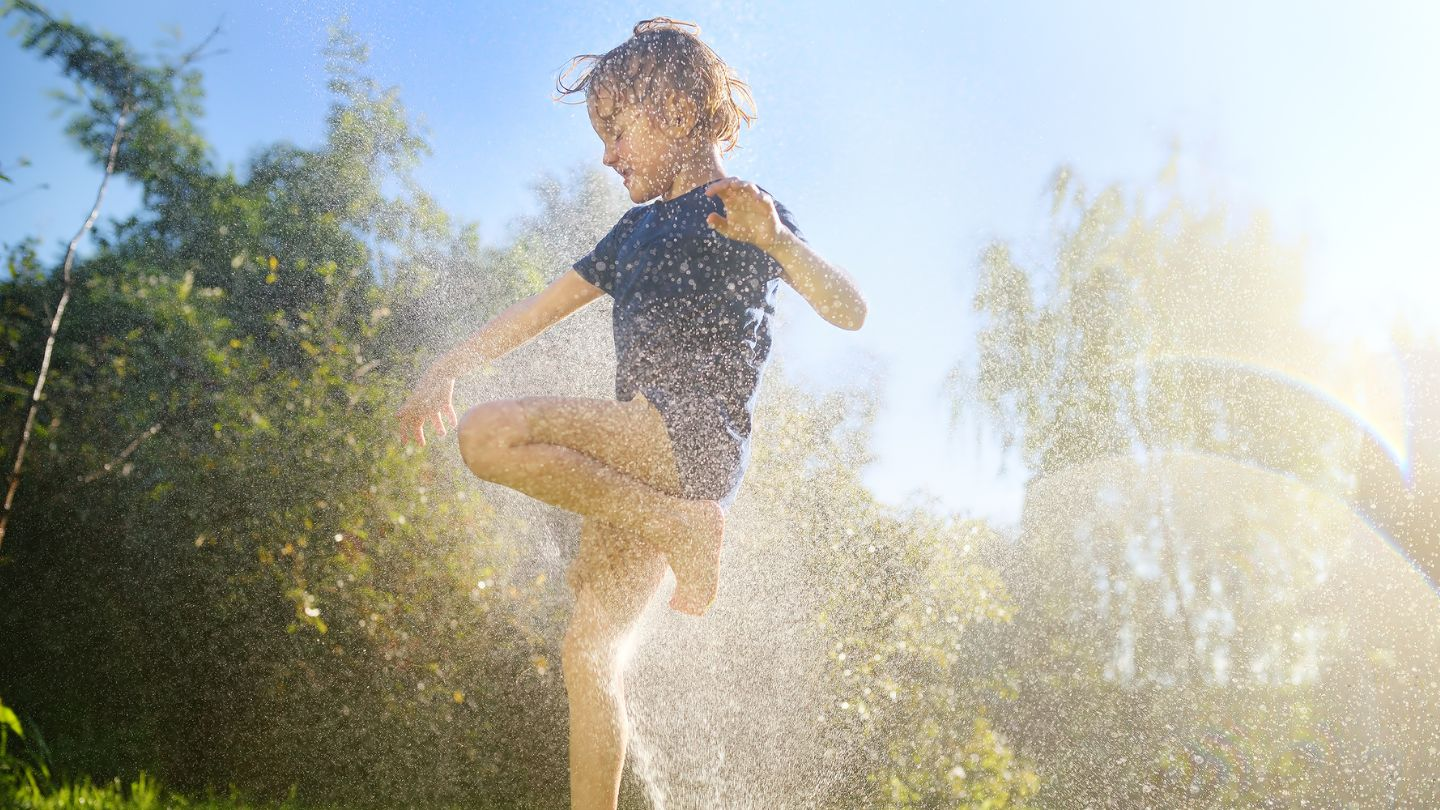
Small changes in daily habits can lead to significant water savings.
Turning off the tap while brushing teeth
When brushing your teeth, turn off the water instead of leaving it running. Save water, using it onlywhen it is necessary.
Using a rinsing cup
Instead of using running water, use a cup to rinse your mouth after brushing your teeth. This is another way to reduce water consumption. This approach not only limits water waste but also teaches children the right habits related to saving it.
How to save water while doing laundry?
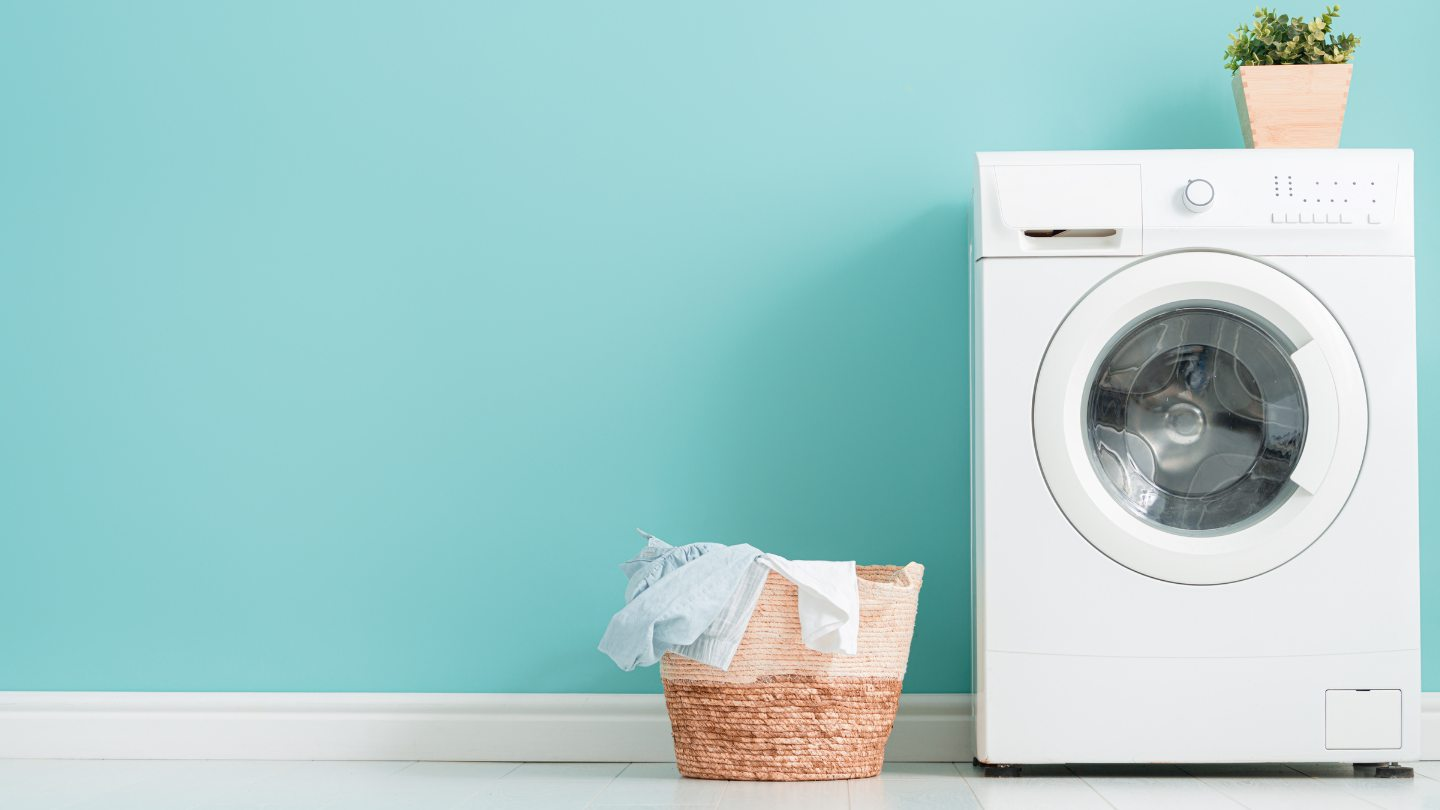
Washing is an activity that requires large amounts of water. Here’s how to save water while doing laundry.
Washing full loads
The washing machine uses the same amount of water regardless of the load size. Therefore, washing full loads is more efficient and helps save water resources.
Choosing eco-friendly programs
Select programswater-saving washing machines that use less water and energy. Hand washing should be used only when necessary to reduce water consumption.
Collecting gray water and reusing it
Gray water is water that has been used in the home and can be reused for certain purposes.
Using shower water totoilet flushing
You can collect water from the shower and use it to flush the toilet. This is an effective way to reduce the consumption of many liters of drinking water.
It's worth remembering: Regular inspections of water systems can prevent significant water loss.
Installing gray water recycling systems
Installing systems toGray water recycling allows for the reuse of water in the household. It is an investment that significantly reduces water consumption, leading to substantial long-term savings.
Using modern irrigation technologies
Modern technologies and water-saving devices can help manage water more efficiently in the garden.
Smart systemsIrrigation
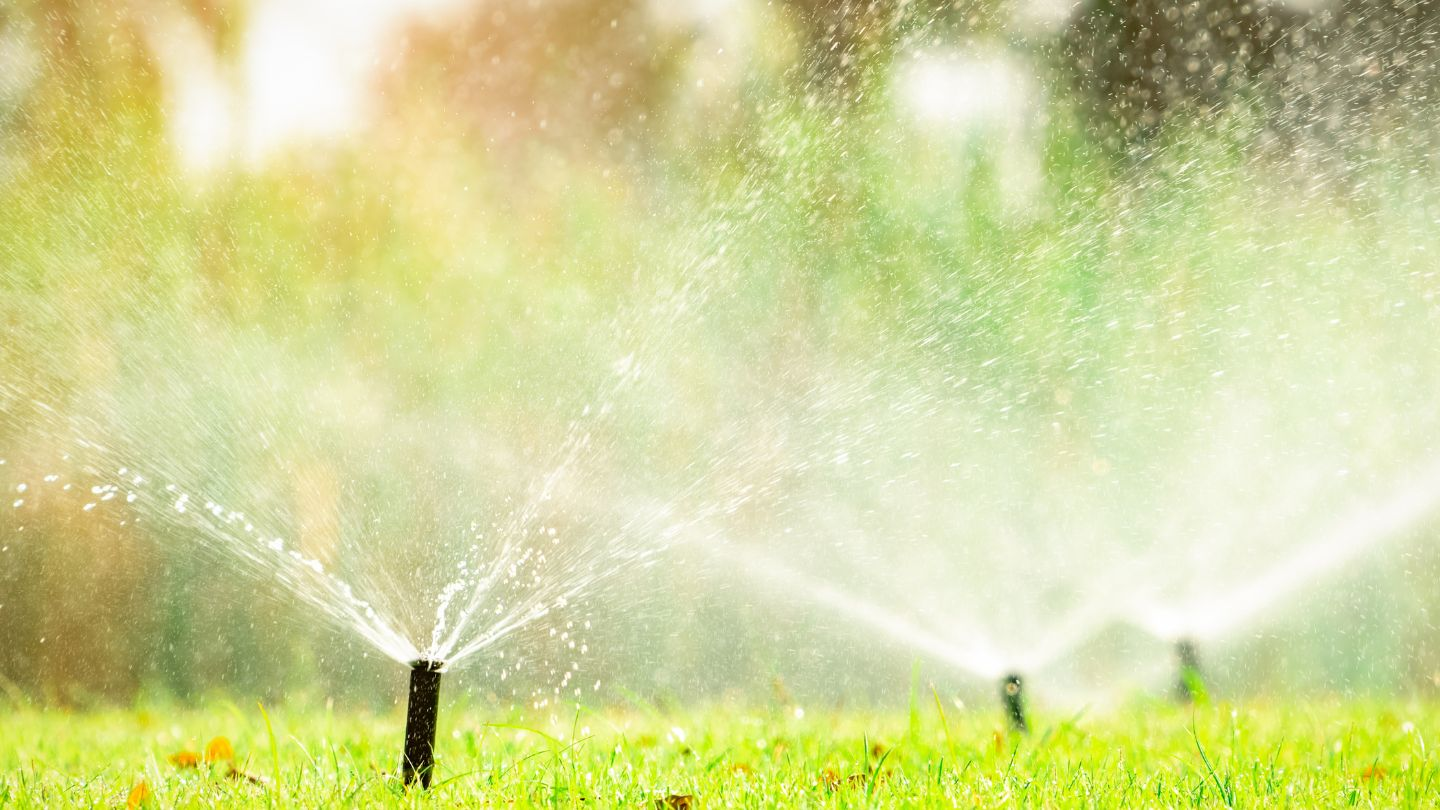
Intelligent irrigation systems automatically adjust the amount of water to the needs of the plants, highlighting water savings. Thanks to soil moisture sensors, these systems deliver water exactly where it is needed, minimizing resource waste.
Soil moisture sensors
Soil moisture sensors help determine when plants truly need water,preventing overwatering and wasting water. These are advanced tools that can be easily integrated with irrigation systems to ensure optimal water usage.
How to save water in public places?
The water saved doesn't stop at home. Here are simple ways to save water in public places.
Choosing public restrooms with water-saving features
Choose public toilets equipped with water-saving flush systems that use less water. Encourage the use of such facilities to collectively care for water resources.
Encouraging conscious water usage
Raise awareness among others about minimizing water consumption. Small steps by many people can lead to significant changes.
Using technology to monitor water consumption
Monitoring water consumption allows for more conscious management of its quantity.
Installation of water meters
Installing water meters enables real-time tracking of water usage, which helps identify areas where savings can be made.
Mobile applications formonitoring consumption
Mobile applications for monitoring water consumption provide information about water usage, helping to save effectively. These modern tools allow for precise tracking, analysis, and optimization of water consumption in the home.
Education and awareness of household members
Education on effective water management is crucial for implementinglasting changes.
Organizing lessons and training!
Organize lessons and training to educate household members about the rational use of water. Sharing knowledge and experiences is an effective way to implement changes.
Informing children about the importance of saving water
Educating children about reducing wasteWater from an early age shapes their habits for the future. Saving water for children should be conveyed in an understandable and interesting way.

Minimizing water waste during cooking
Cooking is another area where we can save tap water.
Turning off the water while rinsingfood
When rinsing vegetables and fruits, turn off the tap and use a filled bowl. Avoid washing products under running water because huge amounts of water are wasted in the process.
Cooking with a lid to avoid excessive evaporation
Cooking with a lid reduces evaporation and helps save water. Additionally, cooking on a lower heat canalso contribute to energy savings.
It's worth remembering: Choosing a shower instead of a bath is one of the simplest methods to save water.
Regularly checking water installations
Regularly checking water installations can prevent unnecessary losses, positively impacting water resources.
Inspecting pipes andfittings for leaks
Regularly check pipes and fittings for leaks and repair them promptly. Even small leaks can lead to significant water loss.
Professional plumbing inspections
Hire professional plumbing inspections to ensure that water systems are in good condition.
Utilization of natural resourceswater
Utilizing natural water sources is an effective way to save.
Collecting rainwater
Collect rainwater and use it for watering your garden and for other purposes. It's a simple way to save water and reduce the consumption of drinking water.
How to save water on a daily basis?
Saving water every day is a collection of small habits that lead to big savings.
Small changes, big savings
Small changes in daily habits can lead to significant water savings. Turn off the tap while brushing your teeth, use full loads in the washing machine and dishwasher, and fix leaking faucets.
Daily habits that bringDaily actions, such as using water-saving showerheads or collecting rainwater, contribute to reducing water consumption. Summary and benefits of water savings Saving water benefits both our wallet and the environment. With simple changes and conscious use of water resources, we can contribute to the protection of resources.sweet water, reduce water consumption in the household, and educate others about the importance of proper water resource management. Save water, to collectively care for the future of our planet.
Frequently Asked Questions (FAQ)
What are the simplest ways to save water?
The simplest ways areturning off the tap while brushing teeth, quick showers, and fixing leaking faucets.
Does saving water affect bills?
Yes, reducing water consumption leads to lower water bills.
What devices help save water?
Devices such as water-saving showerheads, single-handle faucets, and dishwashers are helpful in saving water.wody.
How to collect rainwater?
Collect rainwater in special tanks that can be used for watering the garden.
Can gray water be used?
Yes, gray water from the shower or sink can be used for flushing toilets.
What are the benefits of saving water?
Benefitslower bills, environmental protection, and reduced pressure on water resources.
Author: Maciej Waliduda — a specialist at MojaWoda.com, dealing with water conservation and environmental protection.
