
- There are no more items in your cart
- Shipping
- Total 0.00 zł




Water Pollution – Problems, Causes, and Solutions

Water pollution is one of the most serious ecological challenges in the world. Water, as a fundamental element of life on Earth, is essential for the health of people, animals, and plants. Unfortunately, water pollution has become a widespread problem, affecting the quality of drinking water, aquatic ecosystems, and the economy. In this article, we will examine the various types of water pollution, their causes, and methods for preventing and neutralizing these threats. At the end, we will propose effectivesolutions that will help protect our water resources.
Last updated: August 26, 2025
In this article you will learn…
- What are the causes of water pollution?
- What is natural water pollution?surface?
- What are the types of water pollution?
- What are the effects of water pollution?
- What is the impact on groundwater?
- What does prevention and neutralization of water pollution involve?
- What isWhat is the significance of wastewater treatment plants?
- What does Supporting sustainable agriculture involve?
- What does Summary involve?
Causes of water pollution
Water pollution can come from many different sources, both natural andanthropogenic. Key causes of water pollution include:
- Municipal wastewater – The discharge of untreated sewage from homes and cities directly into rivers, lakes, and oceans.
- Agriculture – The use of plant protection products, fertilizers, and other chemicals in agriculture that wash off from fields into water bodies, causing agricultural pollution.Agricultural pollutants can also come from livestock farming, where large amounts of organic waste are produced.
- Industry – The discharge of untreated industrial waste into water bodies, containing heavy metals, chemicals, and other toxins. Industrial effluents from manufacturing plants are one of the main sources of water pollution.
- Transport – Leaksoil and other chemical substances from floating units and road transport.
- Plastic waste – Microplastics and larger plastic waste that end up in the oceans, destroying marine ecosystems.
Natural surface water pollution
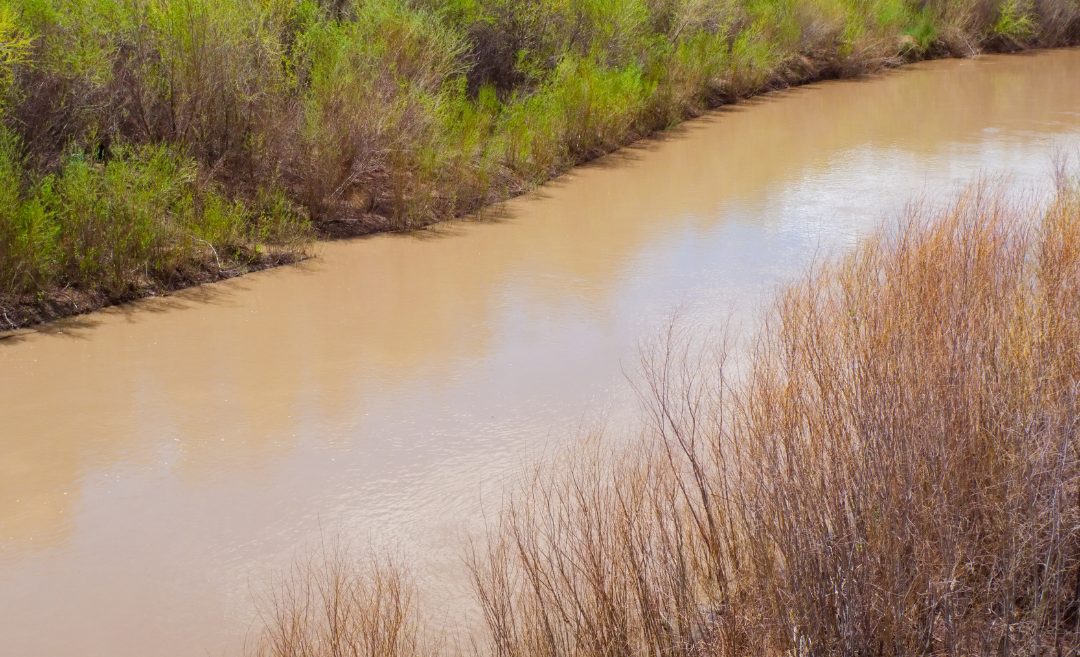
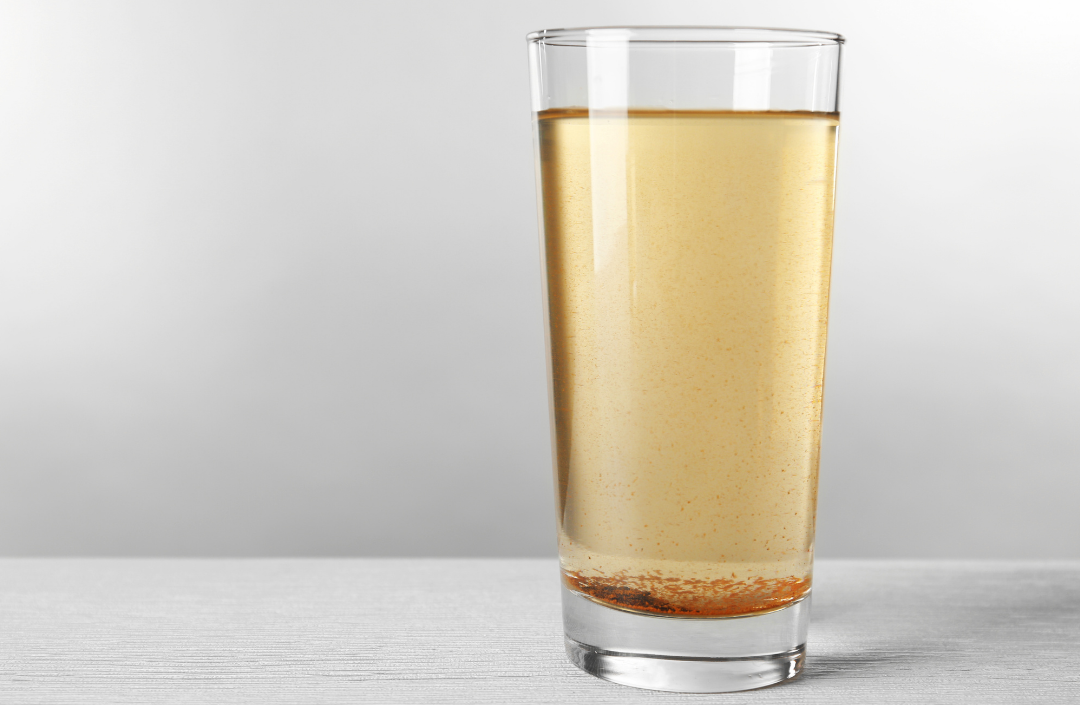
Natural pollutants can also affect water quality. The mainnatural sources of water pollution are geological and biological processes that introduce substances such as iron compounds, sulfur, or other minerals into the water. For example, pollution with iron compounds can occur in areas where groundwater comes into contact with iron-rich rock formations.
Types of water pollution
Water pollution can be divided into several main categoriescategories, depending on their origin and nature:
It's worth remembering: Groundwater is a key source of drinking water, and its contamination can lead to long-term health effects.
- Chemical pollutants – Include heavy metals (e.g., mercury, cadmium), pesticides, herbicides, and other chemical substances that are toxic to organisms.water and people.
- Biological pollutants – Microorganisms such as bacteria, viruses, and parasites that can cause infectious diseases.
- Physical pollutants – Solid particles such as sand, silt, and debris that change water clarity and can damage aquatic habitats.
- Thermal pollutants –The increase in water temperatures caused by industrial processes, which can disrupt the balance of aquatic ecosystems.
- Organic pollutants – Organic matter, such as animal waste and plant residues, which can lead to a decrease in oxygen content in the water, caused by the introduction of organic substances. They often contain harmful organic substances that can be toxic to ecosystems.water.
- Artificial pollutants – Substances introduced into water by human activity that do not occur naturally in the aquatic environment.
- Industrial pollutants – A specific category of pollutants associated with the activities of industrial plants and the discharge of industrial wastewater into water.
Pollutants can also be divided into biodegradable pollutants and non-biodegradable pollutants. Biodegradable pollutants are those that can be naturally broken down by microorganisms in water. An example is organic waste. Non-biodegradable pollutants, such as plastics and heavy metals, remain in the environment for a long time, causing lasting damage to ecosystems.
Effects of Water Pollution
Water pollution has a wide impact on the environment and public health. Here are some of the main effects of water pollution:
- Impact on Human Health – Consuming contaminated water can lead to many diseases, such as cholera, diarrhea, heavy metal poisoning, and diseasesleathers.
- Ecosystem degradation – Water pollution leads to the death of aquatic organisms, a decrease in biodiversity, and disruptions in food chains. Surface water pollution can kill living organisms, both plant and animal, leading to the degradation of aquatic ecosystems.
- Destruction of natural resources – Water is a key resourcefor agriculture, industry, and households. Contaminated water sources affect the efficiency and quality of production. In many cases, water pollution prevents the use of water for consumption, agricultural, or recreational purposes.
- Economic costs – Treating contaminated water and removing the effects of pollution are expensive and require significant financial investment.
Impact on groundwater
Water pollution also has a serious impact on the quality of groundwater. These resources are often less accessible for monitoring, which means they can be contaminated for long periods without our knowledge. Groundwater contamination can be caused by chemical leaks from industrial facilities, improperly stored waste, or the use of pesticides in
Prevention and neutralization of water pollution
Protecting our water resources requires an integrated approach that includes actions at various levels. Here are some effective strategies for preventing and neutralizing water pollution:
- Wastewater treatment plants – Construction and modernization of wastewater treatment plants,which effectively remove water pollutants before they are introduced into the aquatic environment.
- Sustainable agriculture – Promoting agricultural practices that minimize the use of plant protection products and supporting organic farming.
- Legal regulations – Introducing and enforcing strict regulations regarding the discharge of industrial and municipal waste towater. Effective legal regulations can significantly reduce water pollution from wastewater originating from various sources.
- Education and awareness – Educational campaigns aimed at raising public awareness about the importance of water protection and ways to reduce pollution. Informed consumers can make decisions that lessen their environmental impact.
- Water purification technology – Investing in modern technologies, such as water filters, that can effectively remove water contaminants and improve the quality of drinking water.
The importance of sewage treatment plants
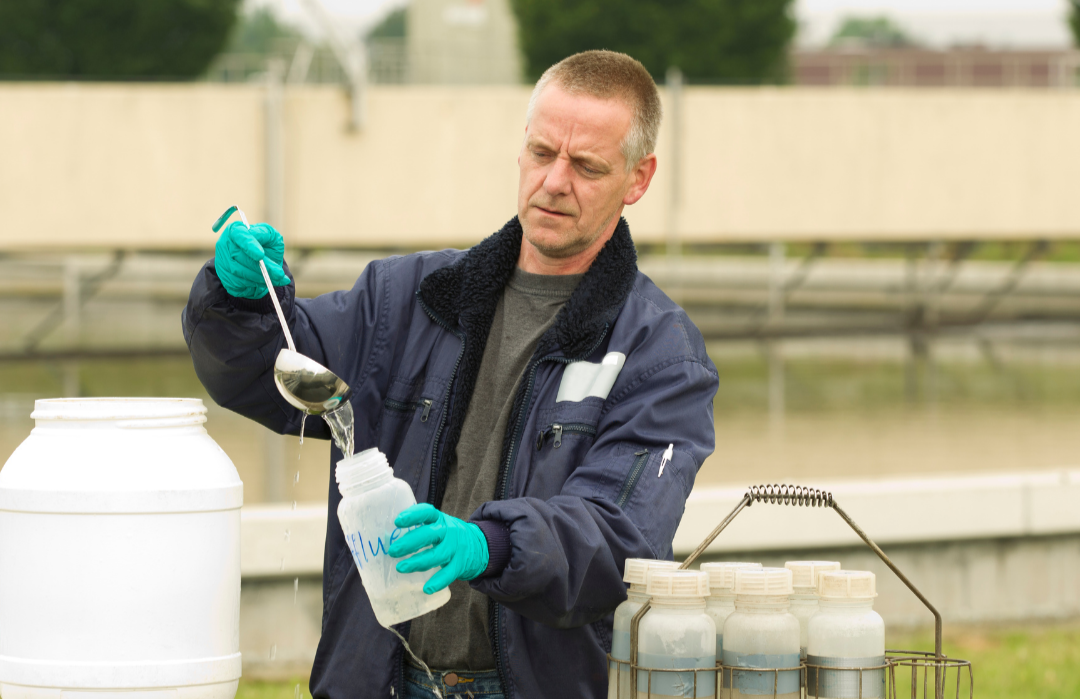
Sewage treatment plants play a key role in preventing water pollution. Modern purification technologiesallow for the removal of a wide range of pollutants, including organic substances and heavy metals. This not only improves water quality but also protects aquatic ecosystems from the harmful effects of pollution.
Supporting sustainable agriculture
Sustainable agriculture is another essential element in the fight against water pollution. Minimizing the use of pesticides and fertilizersArtificial, promoting agricultural practices based on natural methods of plant protection, as well as appropriate management of waste from livestock farming, can significantly reduce pollution in surface waters and deep water zones.
It is worth remembering: Sustainable agriculture not only protects water but also supports soil health and biodiversity.
Summary
Water pollution is a serious problem that requires immediate action. Awareness of the various sources of pollution and types of water contaminants allows for a better understanding of this issue and the implementation of effective measures to prevent them. By investing in modern purification technologies, such as water filters, we can significantly improve the quality of our drinking water and protect valuable resources.water for future generations.
Protecting water is our shared responsibility, and each of us can contribute through conscious choices and actions. Let’s take care of our water resources to ensure healthy and clean water for everyone.
Frequently Asked Questions (FAQ)
What are the effects of water pollution on human health?
Polluted water can lead to many diseases, including cholera, diarrhea, and heavy metal poisoning.
What are the main sources of water pollution?
Sources of pollution include municipal sewage, agriculture, industry, transportation, and plastic waste.
How can water pollution be prevented?
This can be done by building treatment plants,legal regulations, education, and sustainable agriculture.
What are the types of water pollution?
The types of pollution include chemical, biological, physical, thermal, organic, and artificial pollution.
Why are wastewater treatment plants important?
Wastewater treatment plants remove pollutants, which improves water quality and protects ecosystems.
What technologies can be used for water purification?
Technologies such as water filters can effectively remove chemical, biological, and physical contaminants.
Author: Maciej Waliduda — a specialist in water resource protection and purification technologies. He has many years of experience in the industry.ecological.
