- There are no more items in your cart
- Shipping
- Total 0.00 zł




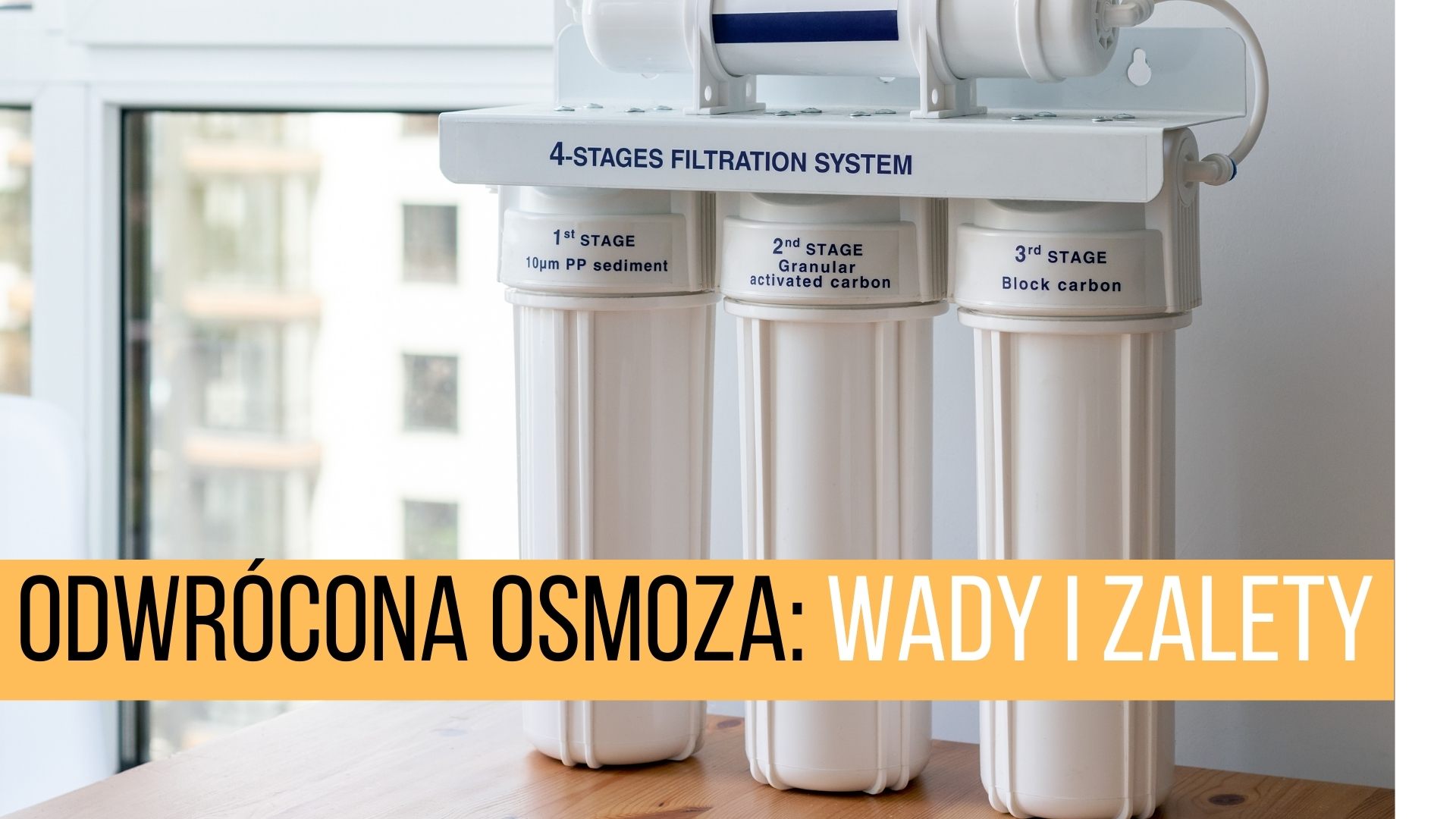
Reverse Osmosis Systems: Advantages and Disadvantages
Reverse osmosis systems are a popular solution for water treatment, both in homes and public places. Like any technology, they have their pros and cons. In this article, we will present the most important aspects to consider before deciding to install a reverse osmosis system. In light of the growing interest in drinking water quality, these systems are becoming increasingly common, and their use brings both health benefits andecological.
Last updated: August 26, 2025
In this article you will learn…
- What are the benefits of reverse osmosis systems?
- What is 1. Effective removal of contaminants?
- What is 2. improvement of taste and odorwater?
- What is 3. health protection?
- What is 4. economics and ecology?
- What is 5. ease of use?
- What are the disadvantages of reverse osmosis systems?
- How much does it cost 1. High costsinitial?
- What is 2. Water wastage?
- What is 3. Mineral removal?
- What is 4. Low throughput?
- What is 5. Installation complexity?
Advantages of reverse systemsosmozy
1. Effective removal of contaminants
One of the greatest advantages of reverse osmosis systems is their ability to remove a wide range of contaminants, including:
- Heavy metals (lead, mercury, cadmium)
- Chlorine and its derivatives
- Bacteria, viruses, and cysts
- Chemical contaminants, such aspesticides and herbicides
2. Improvement of taste and smell of water
Filtered water using reverse osmosis is free from unpleasant tastes and odors, making it more enjoyable to drink. This is particularly important for those who dislike the taste of chlorine or other contaminants present in tap water. Additionally, improving water quality can encourage greater fluid intake, which positively affectsimportant. By eliminating harmful substances, reverse osmosis systems can contribute to the improvement of users' health. Regular consumption of clean, filtered water can help reduce the risk of diseases associated with water pollution. In the context of the increasing number of studies on the impact of water quality on health, the importance of clean water is becoming more and more evident.is obvious.
It's worth remembering: Reverse osmosis systems are among the most efficient water treatment technologies available on the market.
4. Economy and ecology
Although installing a reverse osmosis system involves some initial costs, it can lead to savings in the long run. Users of reverse osmosis systems buy bottled water less frequently, which does notnot only reduces costs but also limits the amount of plastic waste, contributing to environmental protection. In the era of global ecological challenges, such solutions can be of significant importance.
5. Ease of use
Modern reverse osmosis systems are designed with ease of use in mind. Filter replacement is simple and does not require specialized knowledge. Additionally, many systems have filter usage indicators thatthey inform when they need to be replaced. This allows users to enjoy clean water without unnecessary difficulties.
Disadvantages of reverse osmosis systems
1. High initial costs
The installation of a reverse osmosis system can be expensive, especially compared to other water treatment methods. Costs may include the purchase of the device, installation, and regular filter replacement. However, it is worth noting thatthis investment can pay off in the long run due to savings on bottled water.
2. Water Waste
One of the main criticisms of reverse osmosis systems is water waste. The filtration process can generate significant amounts of rejected water that is not suitable for drinking. In some systems, there can be several liters of rejected water for every liter of filtered water. Therefore, for peoplefor those concerned about water savings, this can be a significant issue.
3. Removal of minerals
Reverse osmosis systems remove not only contaminants but also beneficial minerals such as magnesium and calcium. For some users, this can be a disadvantage, as the filtered water is demineralized. Some manufacturers offer remineralization systems that restore minerals to the filtered water, which can be an attractive option.a solution for those seeking high-quality water.
4. Low throughput
Reverse osmosis systems typically have a lower throughput compared to other filtration methods. This means that the purification process may be slower, which can be problematic in households with high water consumption. It is worth considering whether a given system will meet the needs of the family orusers.
It's worth remembering: Reverse osmosis systems typically have a lower throughput compared to other filtration methods.
5. Installation complexity
Although the operation of the system is usually straightforward, the installation itself may require professional assistance. Installing a reverse osmosis system often involves modifications to the plumbing, which can be complicated forthe average user. Therefore, it is advisable to seek the advice of a specialist before making a purchase decision.
Summary of the advantages and disadvantages of reverse osmosis systems
Reverse osmosis systems offer many benefits, such as effective removal of contaminants, improvement of water taste and odor, and health protection. However, they also have their drawbacks, including high initial costs, water wastage, and removal of beneficial minerals. Before making a decisionWhen making a decision about installation, it is important to carefully consider all the pros and cons in order to choose a solution that best meets individual needs. The final choice should depend on specific conditions and user preferences.
Frequently Asked Questions (FAQ)
What are the main advantages of reverse osmosis systems?
The main advantages are effective removal ofpollutants, improvement of water taste, and health protection.
What are the disadvantages of reverse osmosis systems?
Disadvantages include high initial costs, water wastage, and removal of minerals.
Are reverse osmosis systems expensive to operate?
Operating costs can be significant, especially related to filter replacement.
How oftenShould filters in the reverse osmosis system be replaced?
The frequency of filter replacement depends on the specific model, but it usually ranges from 6 to 12 months.
Is water from the reverse osmosis system safe to drink?
Yes, water from the reverse osmosis system is safe to drink and free from contaminants.
Is it worth investing in a reverse osmosis system?osmozy?
Investing in a reverse osmosis system can be profitable, especially for those who care about water quality.
Author: Maciej Waliduda — a specialist in water treatment with many years of experience in the industry. He helps clients choose the right water filtration systems.
