- There are no more items in your cart
- Shipping
- Total 0.00 zł




Water treatment in the food industry
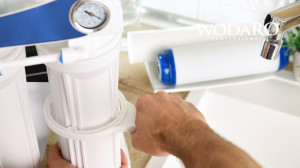
Water is a key raw material in the food industry, and its quality directly affects the safety and taste of products. In this article, we will discuss the water treatment process, its applications, and the filtration methods used in the food industry that ensure appropriate quality standards. Understanding these issues is essential for any company involved in food production.
Last updated: August 26
In this article, you will learn…
Water in the food industry
The prevalence of water in the food sector is evidenced by its wide range of applications. It is used, among other things, for:
It is worth remembering: Water is not onlya raw material, but also a key element in many technological processes in the food industry.
- washing and rinsing;
- blanching, which is the thermal treatment of food (vegetables and fruits);
- pasteurization;
- cooling;
- steam generation;
- fire protection systems;
- disinfection of equipment.
Water classification in the food industry
The water used in the food industry can be divided intothree types:
- technological water, which is part of the product and is used for its processing and washing. Its quality should comply with consumption standards; however, in many cases, it meets much more stringent requirements (e.g., in terms of microbiological standards);
- technical water, which is used for intermediate purposes such as servicing and powering machines;
- secondary water, derived from recovery after technological processes to reduce its consumption. Such water must undergo a process before being reused.treatment.
Water used in the food industry can have various parameters; however, there are certain criteria that must be met regardless of the technology used, equipment, production process, or final product. Regardless of its purpose, it should not contain: substances that affect organoleptically, disrupt production processes, or promote sediment formation. Additionally, the composition of waterused in the food industry must not contain solid particles and suspensions.
Methods of water treatment in the food industry
The choice of water filtration method depends on the parameters of the water and its intended use. Each food company has slightly different needs, so the method of treatment is an individual matter. It is also important toalso the type of capture.
If the facility uses tap water, the situation is simplified. In this case, an efficient mechanical filter – pipe or multi-cartridge – will effectively remove all particles and suspensions from the liquid. Additionally, filtration processes are often supported by the use of water softeners, carbon columns, or reverse osmosis filters.
It's worth remembering: Water quality is crucial for the safety and quality of food products.
More effort is needed when the water comes from a private source. In this case, the problem may be a high concentration of ammonium compounds, iron, and manganese. This can be effectively solved by using industrial iron and manganese removers. Thanks to them, the water will not be cloudy, and its color will remain correct.shade.
It is important to remember that regardless of the type of capture, one must protect oneself from harmful microorganisms. For this purpose, UV germicidal lamps are most commonly used. It also happens that too high a concentration of chlorine poses a problem – for example, when a company is involved in beverage production. In such a situation, chlorine can negatively affect the taste qualities. How to get rid of it? The solution lies in filters that use carbon.active.
Industrial water filters available at MojaWoda.com
Our wide range of water treatment solutions also includes equipment designed for industrial applications. At MojaWoda.com, you will find both industrial filtration stations, as well ascommercial reverse osmosis systems.
The selection of appropriate filters is crucial for ensuring the effectiveness of purification processes. Industrial water filters are tailored to diverse needs, including the removal of chemical and biological contaminants, which is essential in food production. It is important to pay attention to filtration parameters and manufacturer recommendations,to select a solution that best meets the requirements of the facility.
It is worth remembering: The use of appropriate water treatment technologies is crucial for ensuring high-quality food products.
If you are looking for effective water treatment solutions, it is advisable to consult with experts who can help select the right equipment and filtration methods,ensuring optimal water quality.
Frequently Asked Questions (FAQ)
What is the use of water in the food industry?
Water in the food industry is used for washing, blanching, pasteurizing, cooling, generating steam, and disinfecting equipment.
What are the types of water in the industry?food industry?
Water is divided into technological, technical, and secondary water, each having different applications.
What water treatment methods are used in the food industry?
Treatment methods include mechanical filtration, softening, iron removal, manganese removal, and disinfection using UV lamps.
What industrial filters are available forfilters on the market?
A variety of industrial filters are available on the market, including filtration stations and reverse osmosis systems.
What are the water quality criteria in the food industry?
Water used in the food industry should not contain organoleptically active substances, solid particles, or suspensions.
What are the advantages of using active filters?Activated carbon filters effectively remove chlorine and other chemical substances from water, improving its taste and quality. Author: Maciej Waliduda — a water treatment specialist with many years of experience in the industry. He helps companies select appropriate technologies and solutions.
