
- There are no more items in your cart
- Shipping
- Total 0.00 zł



Water treatment in the pharmaceutical industry
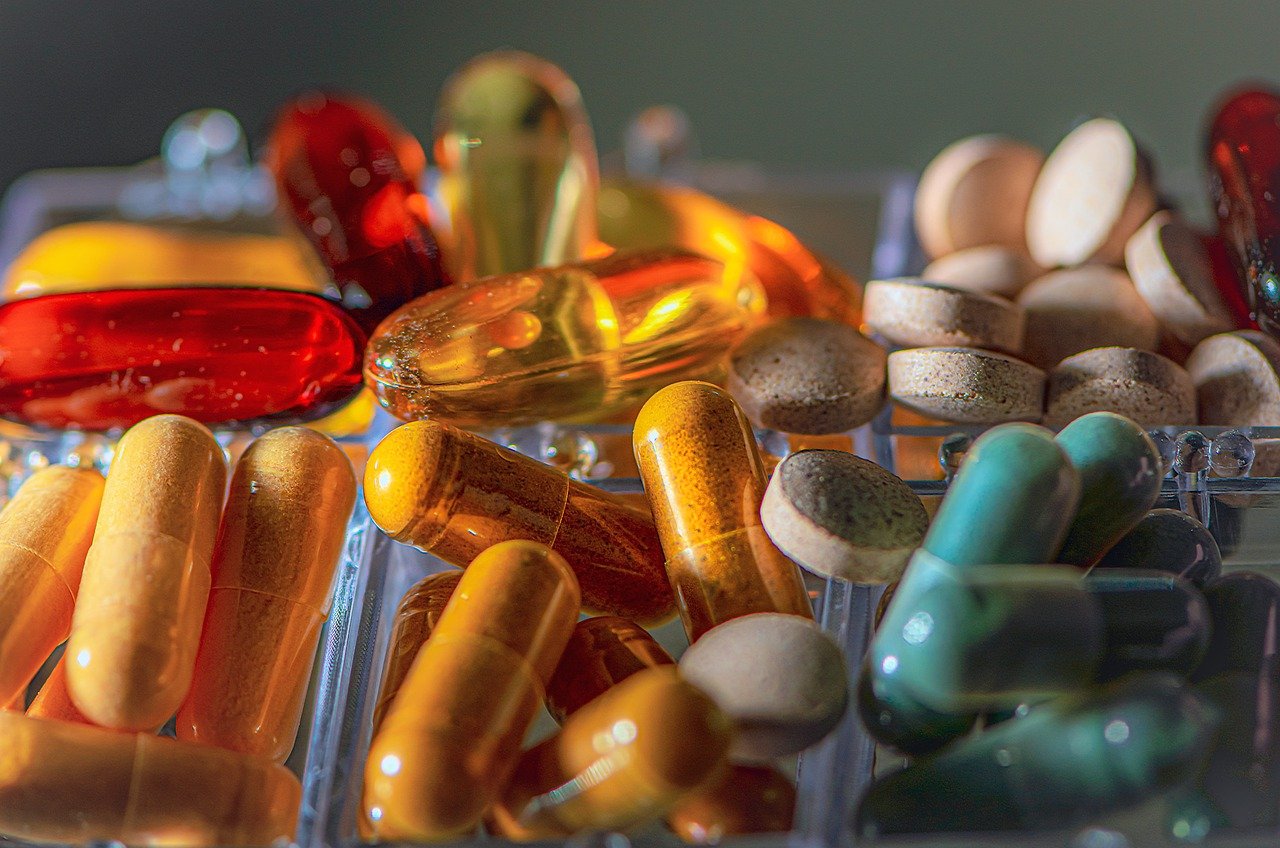
Water plays a key role in the pharmaceutical industry, where it is essential for the production of medicines and the creation of disinfectant solutions. Therefore, water treatment in this sector is an extremely important process aimed at ensuring the highest quality of raw material that meets stringent sanitary and epidemiological standards.
Last updated: August 26, 2025
In this article you will learn…
Water purification in the pharmaceutical industry
Water treatment in the pharmaceutical sector involves removing contaminants so that the resulting liquid is of a quality that allows for the production of pharmaceutical products, active ingredients, analytical reagents, orintermediates. Water used in the pharmaceutical industry must meet high standards, which require the absence of bacteria or viruses. This is primarily aimed at ensuring the safety of patients and the reliability of pharmaceutical products.
Degrees of water treatment in the pharmaceutical industry
The water treatment process in the pharmaceutical industry usuallyincludes several stages, such as mechanical, chemical, and bacteriological filtration. Depending on the chosen treatment method and the degree of purification, different types can be distinguished, such as:
It is important to remember: Pharmaceutical water must be free from any contaminants to avoid negatively affecting the quality of medications.
- waterpurified – to obtain it, demineralization, distillation, reverse osmosis, or ion exchange must be performed. Its range of applications is wide. It is used, among other things, for the production of tests, assays, and chemicals, cleaning equipment, and as an ingredient in medications;
- water for injection – it is obtained through distillation or reverseosmosis. It is a liquid that, in addition to the requirements for purified water, must also meet the specification for bacterial endotoxins. Water for injection is primarily used as a solvent in the production of parenteral preparations. Additionally, in the pharmaceutical industry, two more types of the above liquid are distinguished:
osterilized water for injection;
for bacteriostatic water for injection;
- sterilized water forflushing – used for bathing and utilized during urological procedures;
- sterilized water for inhalation – it is not subject to as strict standards as injection water. It is mainly used in inhalers and inhalation solutions.
Water purification processes used in the pharmaceutical industry
In the pharmaceutical industry, regular water is not sufficient because it contains salts and other undesirable substances that can contaminate the product or damage equipment. Therefore, it is essential to obtain ultra-pure water for production processes. For this purpose, various methods are used.the following treatment processes:
- filtration – elimination of mechanical impurities and undesirable substances (to obtain water of the highest possible quality, filtration systems that use reverse osmosis are employed);
- softening – removal of calcium and magnesium ions;
- disinfection – elimination of all bacteria and viruses present in the water;
- demineralization –reduction of the electrical conductivity of water to about 0.5 µS/cm.
The choice of water treatment method in the pharmaceutical industry depends on three factors – water quality, target requirements, and operating conditions. As technology advances, new treatment methods, such as nanofiltration or UV, are becoming increasingly popular, and their effectiveness in eliminating contaminants is becoming a key element in the production process.pharmaceutical.
It's worth remembering: Are you looking for an industrial filter for your business?
Industrial filters at MojaWoda.com
Are you looking for an industrial filter for your business? Choosing the right filtration system is crucial for ensuring water quality.used in production processes. It is worth paying attention to various treatment technologies to tailor them to the specific needs of the pharmaceutical industry. In addition to standard solutions, there are also innovative systems that ensure the optimization of filtration processes.
Author: Maciej Waliduda - specialist at MojaWoda.com
Frequently Asked Questions (FAQ)
What are the main methods of water treatment in the pharmaceutical industry?
The main methods are filtration, softening, disinfection, and demineralization.
What are the differences between purified water and water for injection?
Water for injection must meet additional standards regarding bacterial endotoxins.
Why is filtration so important inin the pharmaceutical industry?
Filtration eliminates mechanical impurities, which is crucial for the quality of pharmaceutical products.
What is demineralization of water?
Demineralization is the process of reducing the electrical conductivity of water, which allows for the production of ultra-pure water.
What are the applications of sterilized water for injection?
It is used in the production of parenteral preparations and in medical procedures.
What innovations in water filtration are currently available?
New technologies, such as nanofiltration and UV, are becoming increasingly popular in water treatment.
