- There are no more items in your cart
- Shipping
- Total 0.00 zł



Does a stone in water cause harm?
Limescale in tap water is a fairly common problem. Besides being unsightly, "decorating" sanitary devices, it also brings other negative consequences. In this article, we will discuss what exactly limescale in water is, what its effects are, and how it can be removed. You will also learn whether drinking hard water is harmful to health and what solutions can help in combating this problem.
Lastupdate: August 26, 2025
In this article, you will learn…
What is stone in water?
When talking about stone in tap water, it refers to sediment originating from various substances – primarily calcium and magnesium ions. They are largely responsible for the increased hardness of water, which according to the regulation of the Minister of Health from December 2017 should be within the range of 60 to 500 mg.CaCO3/l.
It's worth remembering: Limescale in water can be the result of natural processes, but its presence in large quantities is problematic.
Limescale from tap water does not necessarily have to be the result of hard water. Very often, deposits also appear due to the precipitation of mineral salts.
Is there limescale inIs tap water harmful?
As previously mentioned, limescale in water is responsible for hard water, which can cause a number of problems. Here are the main downsides associated with it:
- negative impact on household appliances such as: washing machine, dishwasher, or coffee maker – limescale significantly reduces their efficiency, leading to more frequent,costly faults requiring professional service;
- decreased efficiency of water heating elements – the presence of limescale requires longer time and power supply, which in turn leads to higher bills;
- problems with water flow;
- corrosion of the plumbing system;
- unattractive appearance.
Does drinking hard water harm?
And what about drinking hard water? Is it dangerous? Well, no! Hard water with visible deposits of calcium and magnesium salts will not have a negative impact, as these are minerals essential for the proper functioning of the body.Similarly, it is with soft water, which in no way disrupts the mineral balance.
It is worth remembering: Problems related to limescale in water can lead to increased operating costs of household appliances.
How to get rid of limescale from water?
There are ways to get rid of limescale fromThere are several types of water. Here are our suggestions:
- purchase of an efficient water softener that replaces calcium and magnesium ions with neutral sodium ions;
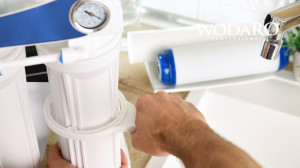
- buying a comprehensive solution in the form of stationis a multifunctional device that can remove from water: iron, manganese, ammonia, hardness, and natural organic substances. Of course, we can also act on a temporary basis by using descaling agents for fittings; however, this method has only one advantage – it is cheap. Besides, it is a short-term solution that does notsolves the problem.
It's worth remembering: Hard water provides minerals that are beneficial for health.
Remember to take care of the quality of the water coming from your tap. Limescale in water is a lot of unnecessary problems that can be easily and effectively dealt with!
Frequently askedquestions (FAQ)
Can limescale in water be removed with home remedies?
Yes, various cleaning agents can be used, but the effects will be short-lived.
What are the symptoms of hard water?
Symptoms include deposits on fixtures, reduced efficiency of household appliances, and higher bills.
Is hard water harmful to health?
No, hard water provides essential minerals for the body.
How often should household appliances be descaled?
It is recommended to clean them regularly every few months, depending on the hardness of the water.
What are the most effective methods of water softening?
The most effective are water softeners and multifunctional stations.
Can you drink water with hardness?
Yes, drinking hard water is safe and has no negative impact on health.
Author: Maciej Waliduda — a specialist in water quality, with many years of experience in analyzing and improving drinking water quality.
