
- There are no more items in your cart
- Shipping
- Total 0.00 zł




How to remove chlorine from water?
Have you ever turned on the tap and smelled pool water? If so, it's probably due to chlorine. In such a situation, it's worth considering where its presence comes from and whether it is harmful. You will find the answers to these questions in our latest blog post! In the article, we will also discuss the side effects of using chlorinated water and ways to effectively treat it to improve the water quality in our homes.
Last updated: August 26, 2025
In this article you will learn…
Chlorinated tap water – where does it come from?
The presence of chlorine in tap water can be easily explained. This happens because before the water reaches us, it must go through treatment processes, whichincludes disinfection. It is carried out using chlorine compounds, which protect against the growth of microorganisms.
It is worth remembering: Water disinfection is a key process that ensures the safety of drinking water.
Is chlorinated water harmful?
Water disinfection is a necessity and its completeexclusion is simply impossible. Its low concentration is not alarming. The problem arises when chlorine combines with other substances during water flow. This leads to the formation of disinfection by-products, with chloroform being the most notable.
Side effects of using chlorinated water
The downsides of chlorinated water include:
It is worthRemember: High concentrations of chlorine can lead to serious health problems, so it is worth monitoring water quality.
- toxicity and carcinogenicity in the case of high concentration;
- negative impact on the organoleptic properties of liquids such as smell and taste;
- harmful effects on the lipid layer of the skin and the condition of hair.
The problem of excessively chlorinated water occurs especially in summer. This happens because high temperatures promote the growth of bacteria and increase the risk of contamination. Enhanced disinfection of water is therefore a necessity.
How to remove chlorine from water?
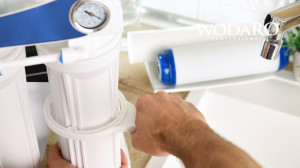
To treat water by eliminating the negative effects of chlorine and its derivatives, it is worth equipping yourself withan effective water softener. Equipment of this type can of course be found in our store. The biggest advantages of using a water softener are as follows:
It is worth remembering: Water softeners can significantly improve the quality of drinking water, which positively affects health and well-being.
- better taste of beverages such as coffee or tea and prepared dishes;
- better skin condition (e.g. no increased allergic reactions) and hair (e.g. they are not overly dry).
Chlorine – like everything, it has its pros and cons
In summary, chlorine is necessary, however, it has its downsides. Although it occurs naturally in our body, in higher concentrations it is toxic and carcinogenic. Therefore, it is worth taking care to ensure thatthe water flowing from our tap did not contain this element in excess!
Frequently Asked Questions (FAQ)
What are the symptoms of excess chlorine in water?
Symptoms may include skin irritation, breathing problems, and an unpleasant smell of water.
Is chlorine in drinking water safe?
Yes, inIn small concentrations, chlorine is safe, but its level should be monitored.
What are the alternatives to chlorine for water disinfection?
Alternatives include ozonation, UV radiation, and carbon filtration.
What are the side effects of chlorine in water?
Side effects may include skin problems, allergies, and a negative impact on the taste and smell of water.
How long does it take to remove chlorine from water?
Removing chlorine from water can take from a few minutes to a few hours, depending on the method.
Can chlorine be removed from water at home?
Yes, this can be done by boiling water or using carbon filters.
Author: Maciej Waliduda — specialist at MojaWoda.com, expert in water treatment and filtration technology.
