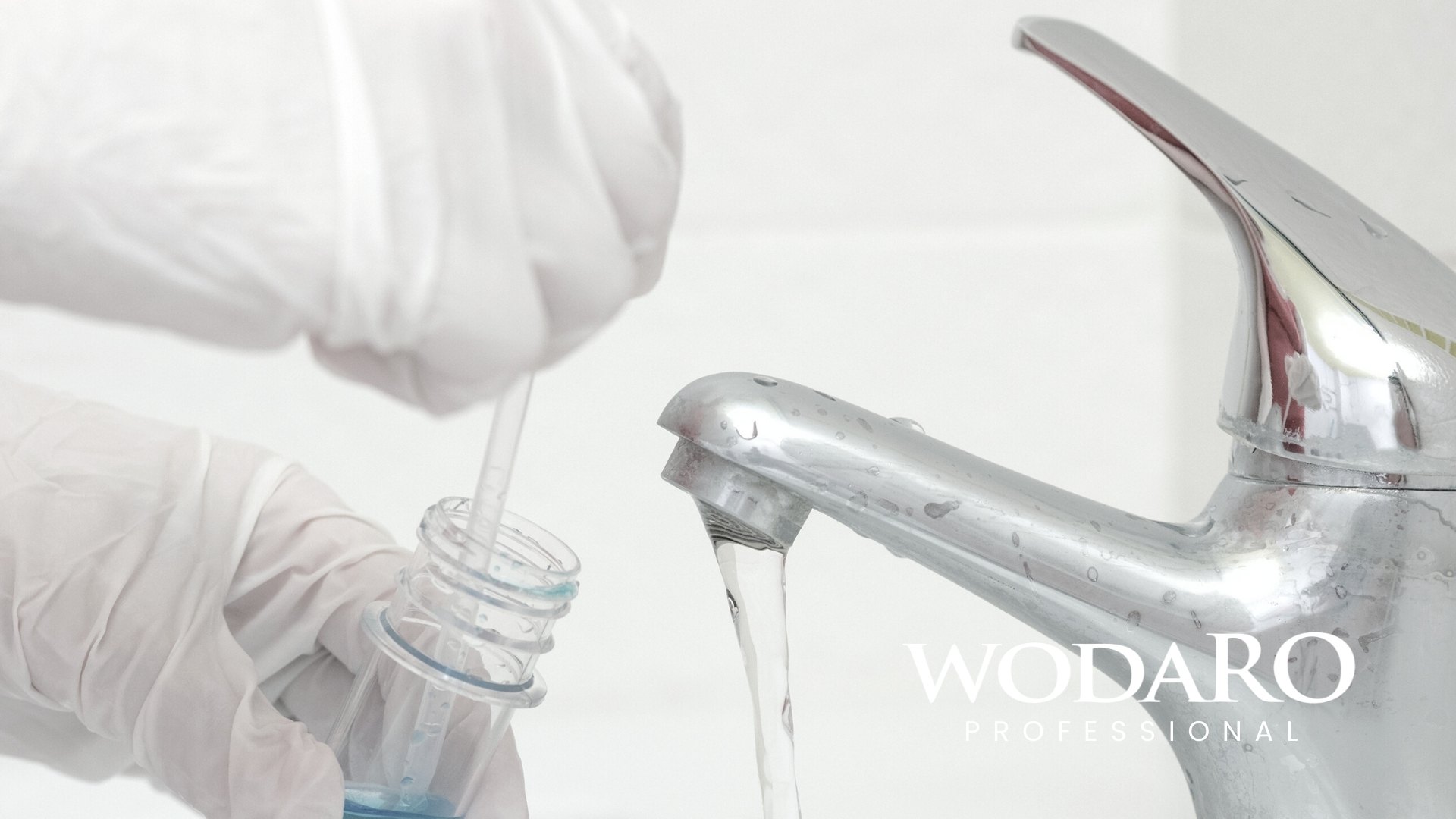
If you use your own well, testing the water is not a luxury, but a necessity. With a professional analysis, you will find out if the water is safe for drinking, washing, and cooking, as well as which parameters require further treatment. In this article, we explain what well water testing looks like, how much it roughly costs, which parameters are checked, and how to interpret the results according to current standards.
Table of contents
- Why is testing well water so important
- What parameters does water analysis cover
- Water quality standards – permissible values of selected parameters
- Where to test well water and tap water
- How much does water testing cost – sanitary inspection,laboratories, home tests
- How to test well water step by step
- What to do after receiving water analysis results
- Summary – when is water testing worth it
In this article, you will learn:
- Why testwater from the well: what risks are associated with drinking it without analysis and how often should tests be repeated.
- What parameters does water analysis check: which physicochemical and microbiological indicators are the most important in practice.
- What are the water quality standards: what permissible values apply, among others, for nitrates, iron, manganese, turbidity, and bacteria.
- How much does water testing cost: what are the approximate prices at the sanitary-epidemiological station, private laboratories, and for home tests.
- What to do after receiving the results: when a simple filter is sufficient, and when a full water treatment system is needed.
Why testing well water is so important
Well water often looksclear and tastes good, but that does not mean it is safe. Contaminants chemical and bacteria are invisible to the naked eye, and their presence may result from field fertilization, leaking septic tanks, industrial activities, or the natural composition of the soil. Testing well water allows you to check whether the water meets the requirements for drinking water for humans specified inwater regulations.
Water analysis is particularly important when there are children, pregnant women, elderly people, or those with weakened immunity living in the house. It is also a crucial step before selecting a water treatment system – without an up-to-date result, it is easy to overpay for an overly complex device or to buy a solution that does not address the real problem. In practice, we often see that only the test results clarify the issue.and shows whether the main problems are bacteria, excess iron and manganese, too high nitrates, or simply hard water.
Key thought: testing well water is the foundation for the safe use of your own water source and the starting point for the proper selection of filters and treatment stations.
What parameters does the water analysis cover
Professional water testing usually includes a dozen to several dozen parameters. In practice, they can be divided into three main groups: physicochemical, microbiological, and additional parameters. This way, water analysis not only indicates whether the water is safe but also suggests what type of treatment will be needed.
Physicochemical parameters
- pH (water reaction) – shows, whether the water is acidic, neutral, or alkaline; it affects taste, corrosive aggressiveness towards installations, and the operation of filters.
- Electrical conductivity – a general indicator of the amount of dissolved mineral salts; high values suggest greater salinity and potential problems with scale or corrosion.
- Total hardness – indicates the content of calcium and magnesium; it determines the formation ofof scale and detergent consumption, and the hardness of water is often tested even with tap water.
- Color – indicates whether the water has any coloration (e.g., yellowish, brown); changes in color are most often due to the presence of iron, manganese, or organic compounds.
- Turbidity – describes the clarity of the water; increased turbidity indicates the presence of suspensions, particlesmineral or organic and often accompanies problems with microbiological quality.
- Odor and taste – the water should be organoleptically acceptable; an unpleasant odor may indicate the presence of hydrogen sulfide, chlorine, organic compounds, or microbiological issues.
- Ammonium ion (ammonia) – its presence may indicate contamination with sewage,decomposition of organic matter or inadequate disinfection; an important indicator for wells near septic tanks.
- Nitrates (NO3-) – a typical result of fertilizing fields and leaky sewage tanks; at high concentrations, they can be particularly dangerous for infants and small children.
- Nitrites (NO2-) – a form of nitrogen often indicating recent contamination; even lowerconcentrations are more undesirable than in the case of nitrates.
- Iron – responsible for brown stains, metallic taste, deposits in the installation and devices; a common problem in groundwater.
- Manganese – at high concentrations causes black or gray deposits, darkens laundry, leaves stains on sanitary fixtures.
- Chlorides – their elevated levels can affect the salty taste of water and accelerate the corrosion of installations.
- Sulfates – high concentrations can cause gastrointestinal discomfort in sensitive individuals and accelerate the corrosion of installations.
- Total Organic Carbon (TOC) – indicates the total amount of organic substances;is essential, among others, when selecting filters with activated carbon.
Microbiological parameters
- Escherichia coli (E. coli) – a primary indicator of fecal contamination; its presence in water intended for consumption indicates that it is unfit for drinking.
- Coliform bacteria – a broader groupintestinal bacteria; their detection requires further diagnostics, and they should not be present in drinking water.
- Fecal enterococci – an additional, sensitive indicator of fresh fecal contamination.
- Clostridium perfringens (including spores) – particularly significant in surface and mixed waters; resistant spores indicate the possibility of the presence of otherpathogens.
- Total number of microorganisms at 22°C – indicates the overall "biological purity" of the water; sudden deviations and "abnormal changes" are significant, not a single value.
Additional and special parameters
- Trace metals – including arsenic, lead, nickel, chromium, cadmium, copper; near wells in the vicinityold landfills, industrial plants, or old installations made of steel or copper pipes.
- Fluorides – elevated concentrations may occur locally; significant with long-term consumption.
- Pesticides – important in areas of intensive agriculture; studies usually cover the most commonly used substances.
- Side effectsdisinfection products – e.g. trihalomethanes, bromates, chlorates; usually significant in drinking water after intensive well disinfection.
Not every water test includes the full set of the above parameters – standard well water tests usually focus on the most important physicochemical and microbiological indicators that determine the suitability of water for consumption and the selection of filters.
Key thought: good water analysis does not consist of examining "everything," but rather wisely selecting parameters that realistically affect safety and the subsequent choice of treatment.
Water quality standards – permissible values of selected parameters
In Poland, the requirements for water intended for human consumption are defined by the regulation of the Minister of Health. In the tablesIn the regulations, you will find permissible values for nitrates, nitrites, ammonium ion, iron, manganese, turbidity, and microbiological parameters, among others. Below, we have gathered the most important values for the parameters that most frequently appear in water test results from wells:
- pH – permissible range: 6.5–9.5.
- Turbidity –it should be acceptable and without any irregular changes; it is recommended that after treatment it does not exceed approximately 1.0 NTU.
- Color – acceptable and without any irregular changes; approximately no more than about 15 mg Pt/l.
- Electrical conductivity – a maximum of 2500 µS/cm in25°C.
- Water hardness (converted to CaCO₃) – desired range 60–500 mg/l (recommended value, not an absolute limit).
- Ammonium ion – maximum 0.50 mg/l.
- Nitrates (NO₃⁻) – maximum 50 mg/l.
- Nitrites (NO₂⁻) – maximum 0.50 mg/l, with the following combined condition: nitrate concentration/50 + nitrite concentration/3 ≤ 1 (in mg/l). In already treated water supplied to the network, the concentration of nitrites should not exceed 0.10 mg/l.
- Iron – maximum 200 µg/l (0.20 mg/l).
- Mangan – maximum 50 µg/l (0.05 mg/l).
- Chlorides – maximum 250 mg/l.
- Sulfates – maximum 250 mg/l.
- Fluorides – maximum 1.5mg/l.
- Escherichia coli – 0 cfu/100 ml (none in 100 ml of water).
- Coliform bacteria – 0 cfu/100 ml.
- Fecal enterococci – 0 cfu/100 ml.
- Clostridiumperfringens (including spores) – 0 cfu/100 ml (for selected types of samples).
- Total number of microorganisms at 22°C – should be "without abnormal changes"; it is often assumed that in water supplied to the network it should not exceed 100 cfu/ml, and at the consumer's tap 200 cfu/ml.
Remember that the standards refer to waterintended for human consumption. For private wells, the same values are used as a reference point – even if the water is not formally introduced into the water supply network, the health risk from exceedances remains the same.
Key thought: when interpreting the results, look not only at whether the parameter is "within the norm," but also how close it is to the upper limit and whether it does not accumulate with others.risk factors (e.g. high nitrates + elevated nitrites).
Where to test well and tap water
When the question arises of where to test well water, there are usually three options to choose from: the local sanitary inspection, accredited private laboratories, and companies specializing in water testing and equipment selection. In any case, it is crucial that the water analysis is performed in accordance withnorms and covered the range of parameters appropriate for the intended use of water.
Sanepid (state sanitary and epidemiological station) – a classic solution, especially when you need water testing for the acceptance of a building, nursery, guesthouse, or collective nutrition facility. Water testing by Sanepid includes parameters specified in the regulation and concludes with an official assessment of water quality.
Free water testing inSanitary inspections are mainly possible when the health inspection suspects a public health threat (e.g., after a network failure, contamination, or flooding of a well). The term "free water testing at the sanitary inspection" refers specifically to such exceptional situations, not a standard request by the well owner.
Accredited private laboratories – offer packages of physicochemical and microbiological tests, often described as water testing fromwells, monitoring control or water testing in accordance with group A parameters. Such analyses are accepted when selecting water treatment stations and usually do not differ significantly in price from tests conducted by the sanitary inspection.
Companies specializing in water filtration – some stores and installation companies collaborate with accredited laboratories and sell ready-made water testing packages from wells (with sample collection by a sampler or self-the results). The advantage is that along with the results, you receive a proposal for specific solutions: a suitable water treatment station, water softener, or kitchen filter.
For tap water, comprehensive water testing is usually not necessary, as the water utility conducts regular monitoring. In practice, apartment owners more often opt for a simple water test or hardness test to assess whether it is worth installing a water softener orkitchen filter.
Key thought: in the case of your own well, it is crucial that the water testing from the well is conducted in an accredited laboratory – regardless of whether you order it through the sanitary inspection or a private company.

How much does water testing cost – sanitary inspection, laboratories, testsThe short answer: the cost of water testing depends on the range of parameters and the location of the analysis. Basic physicochemical and microbiological packages for well water usually cost several hundred zlotys, a complete analysis of water from a deep well (physicochemistry + microbiology) typically amounts to 350–600 zlotys, while home test strips or drop tests range from several dozen to several hundred zlotys, but they have limited accuracy.
Water testing at the sanitary-epidemiological station
At the sanitary-epidemiological station, the price of water testing depends on the range of parameters ordered and the local price list. For example:
- the physicochemical package (pH, conductivity, turbidity, hardness, ammonium ion, nitrates, iron, manganese, color, odor) typically costs around 350–500 PLN gross,
- a complete water test from a well (physicochemistry + microbiology) can be pricedfor about 400–550 PLN gross,
- there is also the cost of sample collection (usually about 100–150 PLN) and any fee for issuing a water quality assessment.
For those looking for answers to the question of how much water testing costs at the sanitary station, it is safest to check the current price list on the website of the local sanitary-epidemiological station – differences between regions are noticeable.
Private laboratories and research companies
In accredited commercial laboratories, typical packages for testing water from deep wells (physicochemical + microbiology) usually cost around 450–550 PLN gross, depending on the number of parameters. Control monitoring (extended water testing from wells) typically costs about 499 PLN gross. Water testing according to the parameters of group A (basic parameters of the regulation) oscillates around similarwell water testing – how much does it really cost? From the perspective of a well owner, the costs look as follows: well water testing – complete package physicochemistry + microbiology: approx. 350–600 PLN (sanitary inspection or private laboratory),well only microbiological: usually 100–250 PLN (depending on the number of indicators tested),
- how much does tap water testing cost – in practice, similar to well testing, but often limited to selected parameters (e.g., iron, manganese, hardness, bacteria).
Water test and water testing kitdrinking
Home water test, that is, strip or drop kits for testing drinking water, are useful as a preliminary screening, but they cannot replace laboratory analysis. They are most often used for a rough check of hardness, nitrates, or iron. Most laboratories send the client a drinking water testing kit – bottles, instructions, and an order form – and samples are collected independently according to their guidelines.
Key thought: testing well water is a one-time cost of several hundred zlotys, but it allows you to choose the filtration precisely – this way, you will avoid both overpaying and having an inadequate water treatment system.
How to test well water step by step
If you are wondering how to test well water in practice, it is worth following a few simple steps.Thanks to this, the results will be reliable, and the water analysis will truly reflect the quality of the water you drink every day.
- Step 1 – choose the water testing location
You decide whether to commission the water testing to the sanitary inspection, a private laboratory, or an intermediary company. Choose a scope that includes both physicochemical testing of well water and basic microbiological indicators. - Step 2 – order the test package and receive the bottles
The laboratory will provide you with a kit for testing drinking water (bottles, forms, and instructions) or a sampler will come to you. Pay attention to the expiration date of the collected samples – the microbiological sample must reach the laboratory within a short time, usually within 24 hours. - Step 3 – collect the samples properly
Fillbottles exactly according to the instructions. It is most often required, among other things, to disinfect the faucet outlet (e.g., with a flame or disinfectant), let the water run for a few minutes, and avoid touching the inside of the cap or the neck of the bottle. - Step 4 – deliver the samples to the laboratory
Store the samples in a cool place and deliver them as soon as possible. Along with the samples, you should provide a completed order form and information about whether the water comes fromwell water, deep well, or from a water supply. - Step 5 – receive results and interpretation
You will usually receive the water test results in the form of a table with measured and permissible values. Sometimes the laboratory adds a brief interpretation. If anything raises doubts, it is worth consulting the results with an experienced water treatment advisor.
Testing water from wells is a good idea.repeat every 1–2 years, and additionally after any significant change in the environment (e.g., construction of a neighboring septic tank, intense flooding of the area, change in the smell or color of the water).
Key thought: the water analysis itself is just the first step – it is equally important for someone to translate the results into specific decisions: whether and which treatment station to choose.
What to do after receiving the analysis resultswody
When you have the water test results from the well in hand, it is crucial to calmly analyze which parameters exceed the norms and which are close to acceptable values. In practice, the most common issues are: elevated iron and manganese, high hardness, exceeded nitrates or nitrites, and the presence of coliform bacteria.
- Exceeding iron and manganese – this usually requiresapplications of manganese and iron removal station, often with aeration and appropriate filtration media.
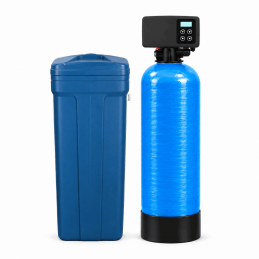
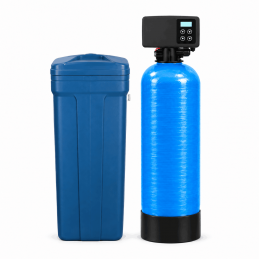
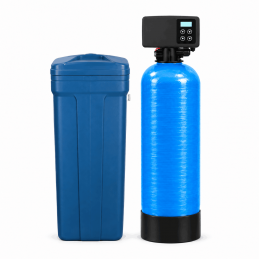
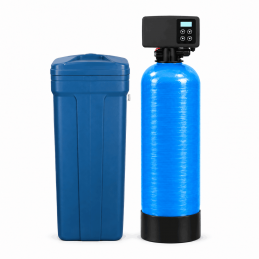
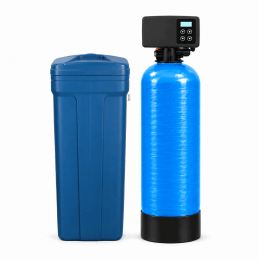
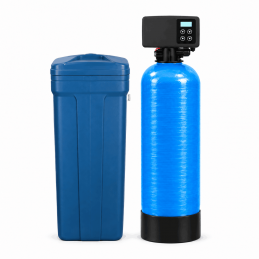
- Very hard water – in such cases, a water softener based on ion exchange resin is used; testing the hardness of the water will indicate how large and efficient the device will need to be.
- Nitrate exceedances orazotynów – indicate the need for the use of specialized media for removing nitrogen compounds, reverse osmosis or other technologies, and in extreme cases also the need to improve the protection of the well itself (sealing, changing wastewater management).
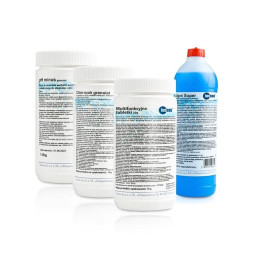
- Microbiological problems – the presence of E. coli and enterococci requires decisive actions: water disinfection (e.g., chlorine,potassium permanganate, UV radiation), sometimes the temporary non-use of water for drinking and verification of the well's condition and its protection against the influx of contaminants.
- Excessive chlorides, sulfates, high salinity – here membrane technologies (e.g., reverse osmosis for the whole house) or individual solutions tailored by a specialist are often needed.
.jpg)
Based on the analysis results, we can select a water treatment station tailored to your well – from simple softeners to advanced systems that remove iron, manganese, nitrogen compounds, and bacteria. If you are looking for ready-made solutions, check the offer at mojawoda.com or contact us for a personalized consultation.
Remember that each case is different – two wells located just a few meters apart can have completely different water compositions. Therefore, the best practice is to send the test results to our water treatment specialist, who will propose a specific set of devices based on those results, rather than a "universal filter for everything."
Keythought: water analysis is a diagnostic tool – only the comparison of results with practical experience allows for the selection of effective and simultaneously cost-effective filtration solutions.
Summary – when is water testing worth it
Testing water from a well is a one-time expense, but the benefits are multi-level: health safety, reduced risk of corrosion and system failures, informed selection of filters, andthe absence of frustration associated with ineffective "universal" solutions. In the case of tap water, a simple hardness test or home water test is usually sufficient, but with your own water source, a full water analysis is absolutely essential.
If you use a dug or deep well, have small children at home, or notice a change in the color, smell, or taste of the water – it’s not worth postponing the testing. The analysis result provides specific numbers that can be compared withstandards and based on that select a water treatment station. And if you need help interpreting the results, you can always send them to us – we regularly select devices for waters with very different exceedances.
Key thought: the real cost of water testing is small compared to the costs of treating the effects of contaminated water, replacing installations, or purchasing random filters that do not solveof the appropriate problem.
Frequently Asked Questions (FAQ)
How often should well water be tested?
For wells used as the main source of drinking water, it is recommended to test the water every 1–2 years, and additionally after any significant changes in the well's surroundings (new septic system, flooding, noticeable changes in taste, smell, or color). In cases of previously identified exceedancesIt is worth checking the water even more frequently to assess the effectiveness of treatment.
Is water testing by the sanitary inspection mandatory?
Water testing by the sanitary inspection is required, among others, when receiving a building supplied from its own well, in public utility facilities, collective catering establishments, or guesthouses. For a private single-family home, the formal obligation may be less strict, but from a health perspective, it is not worth neglecting it.resign.
Can water testing at the sanitary-epidemiological station be free of charge?
Free water testing at the sanitary-epidemiological station is mainly possible when the station itself orders tests due to suspected public health threats, e.g., after a network failure or reported poisoning incidents. Standard testing ordered by the well owner is chargeable.
How much does it cost to test water from a well?from a deep well?
A full water test from a deep well, including physicochemical and microbiological analysis, usually costs around 350–600 PLN, depending on the laboratory and the number of parameters tested. Additionally, there may be a fee for sample collection by the sampler and possible interpretation of the results.
Is it necessary to test water from the water supply?
Water from the water supply is regularly tested by the water utility company, so separate testing of tap water is usually not necessary. In practice, apartment owners more often decide to test water hardness or conduct a simple quality test to assess the feasibility of installing a water softener or kitchen filter.
What parameters are most important when testing well water?
The absolute minimum includes microbiological parameters (E. coli, coliform bacteria, enterococci) and basic physicochemical indicators: turbidity, color,which the water quality must meet specific standards.
Will a home water test replace laboratory analysis?
No. A home water test (strip or drop) can be useful as a preliminary orientation, but it does not provide the precision or reliability of laboratory analysis. It is also not recognized during building acceptance, where the water quality must meet specific standards.sanitary inspection or when selecting certified water treatment stations.
What to do if water test results show exceedances of standards?
First of all, stay calm and do not give up on well water without consultation. Exceedances of iron, manganese, or hardness can usually be effectively removed by water treatment stations. However, in the case of serious exceedances of nitrates, nitrites, or bacteria, it is necessary to combine treatment withthe security of the well and the temporary restriction of water use for drinking and cooking.
Do I need to test the water again after installing the treatment station?
Yes. After starting the treatment station, it is advisable to repeat the water testing to check the effectiveness of filtration and confirm that all key parameters are within the standards. Later, control tests can be conducted every 1–2 years, and additionally after significant changes inthe installation or surroundings of the well.
Sources:
- Regulation of the Minister of Health of December 7, 2017, on the quality of water intended for human consumption.
- Selected informational materials from the State Sanitary Inspection regarding the quality of water intended for consumption.
- Sample price lists of accredited laboratories dealing withwater testing (sanitary inspection and private laboratories).
- Technical data from manufacturers of water treatment devices (iron removers, manganese removers, water softeners, membrane systems).
Author: Maciej Waliduda — specialist in water treatment and selection of filtration systems for single-family homes and businesses.
Last updated: [2025-11-23].