
- There are no more items in your cart
- Shipping
- Total 0.00 zł




Stone in the washing machine - removal and prevention
Do you have the impression that your washing machine is washing worse and worse, smells bad, or leaves residue on your clothes? It is very likely that the cause is limescale in the washing machine. In this guide, I will show you how to descale your washing machine step by step, using both home remedies and chemical agents, as well as how to permanently reduce the problem with filters and water softeners.
Table of contents
- Limescale in the washing machine - where it comes from and what it causessymptoms?
- How to descale a washing machine? Quick answer step by step
- Home remedies: vinegar, baking soda, and citric acid
- Ready-made chemical agents for descaling a washing machine
- How to prevent limescale in the washing machine for longer?
- Key takeaways in brief
- Frequently Asked Questions (FAQ)
- Sources
In this article, you will learn:
- Benefit 1: how to recognize the symptoms of limescale in the washing machine before a breakdown occurs
- Benefit 2: how to descale a washing machine at home step by step using vinegar, baking soda, and citric acid
- Benefit 3: when it's better to reach for ready-made chemical agents and how to do it safely
- Benefit 4: how to reduce limescale formation throughout the house using filters and water softeners
Limescale inlimescale - where it comes from and what symptoms it causes?
Limescale in the washing machine is formed from hard water, which contains a lot of calcium and magnesium compounds. When the water is heated in the drum and on the heating element, calcium deposits precipitate, which over time coat the heating element, tank, hoses, and other parts of the washing machine. The higher the washing temperatures and the harder the water, the faster the deposits accumulate.
Limescale in the washing machine has various symptoms - including longer heating times for water,louder operation of the device, graying of clothes, white residue on dark fabrics, unpleasant smell from the drum, and more frequent errors and failures related to heating. In extreme cases, limescale can lead to burning out the heating element or damaging seals.
If you notice such symptoms, it is worth not only reacting temporarily but also starting to think about how to remove limescale from the washing machine and limit its formation in the future. Hard water is harmfulnot only washing machines, but also kettles, dishwashers, or bathroom fixtures.
Key thought: limescale in the washing machine is a result of hard water and high washing temperatures, and symptoms include poorer washing quality, residue on clothes, loud operation, and heating element failures.
How to descale a washing machine? Quick step-by-step answer
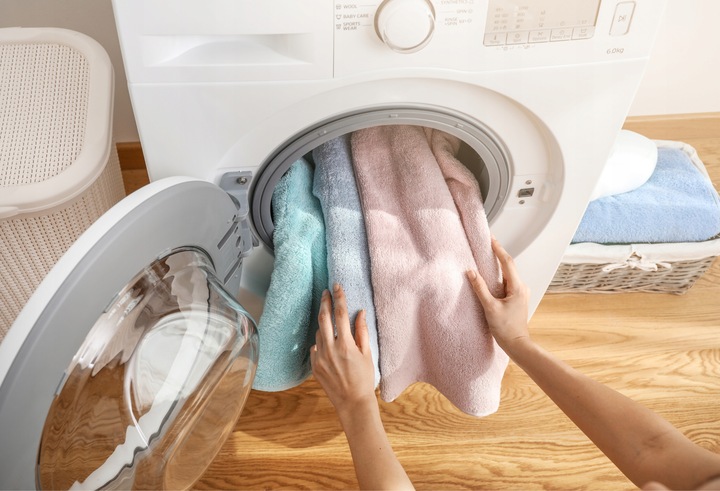
Short answer: how to descale a washing machine in the simplest way? Select an empty program with a high temperature (60–90°C), pour or add a descaling agent (homemade or store-bought) into the drum, run the wash without clothes, and after it's finished, wipe the rubber seals and the detergent drawer. Repeat this procedure regularly every 4-6 months, especially if you have hard water.
Descaling a washing machine is not complicated, but it's worth doing it consciously. Everythe manufacturer may have slightly different recommendations, so always check the instructions before the first cleaning. Too aggressive agents or using them too frequently can shorten the life of seals and rubber components.
In practice, we often see two extremes: people who do not descale their washing machine at all, and those who constantly experiment with strong vinegar or citric acid. The best results come from a sensible combination of regular maintenance,delicate agents and a long-term solution in the form of water softening.
Key thought: how to effectively descale a washing machine? Run a cycle at high temperature with the appropriate descaling agent, and repeat the treatment regularly, following the manufacturer's recommendations (on average every 4-6 months depending on water hardness).
Homemademethods: vinegar, baking soda, and citric acid
Homemade remedies are cheap, easily accessible, and for many people, the "first choice" when limescale appears in the washing machine. The most common ideas are descaling the washing machine with vinegar, descaling with citric acid, and combining vinegar with baking soda. Let's see how to use them wisely.
Descaling the washing machine with vinegar - when does it make sense?
Spirit vinegar is acidic, sodissolves part of the limescale deposit. A typical recipe for descaling a washing machine with vinegar looks like this: you pour about 0.5–1 liter of vinegar diluted with water into the drum or detergent drawer, select a program of 60–90°C, and run the wash without clothes.
Opinions on the topic of cleaning a washing machine with vinegar are divided, however. Supporters praise the low cost and effectiveness, while opponents point out that using strong vinegar too frequently can accelerate the wear of some rubber components.or aluminum. Therefore, it is worth maintaining moderation, not overdoing the amount, and always checking the manufacturer's recommendations for the washing machine.
How to clean a washing machine with vinegar and baking soda?
Some ask how to clean a washing machine with vinegar and baking soda in one cycle. It is usually done in two stages: first, a solution of vinegar is poured into the drum and a hot program is started, and after it ends, baking soda is added to the seal, drawer, and drum, gently scrubbing andrun a short rinse program.
Baking soda helps remove dirt and neutralize the smell of vinegar, but it does not dissolve limescale as effectively as acids. It should be treated as a supplement to cleaning, not the main solution for limescale.
How to descale a washing machine with citric acid?
Citric acid is another popular home remedy. How to descale a washing machine with citric acid? Usually, about100–200 g of citric acid directly into the drum or drawer, then start the program at 60°C. Descaling with citric acid is less pungent than vinegar and also helps remove some deposits and unpleasant odors.
The rule of common sense applies here as well: it's better to use citric acid a few times a year than every week. After the program is finished, it's a good idea to wipe the seal, drawer, and front of the washing machine to remove any remaining dirt, hair, anddetergents.
How to descale a washing machine at home - pros and cons
If you are wondering how to descale a washing machine at home, you can choose vinegar, citric acid, or a combination of them with baking soda. The advantage is the price and availability, while the disadvantage is the risk of irritating some components and the fact that home remedies will not stop the influx of hard water. It is more of a periodic cleaning of the effects of the problem rather than its cause.
Always use reasonable amounts and do not combine multiple aggressive agents in one cycle. If in doubt, consult the cleaning method with the service or the washing machine manufacturer and stick to their recommendations.
Key thought: home remedies for limescale in the washing machine (vinegar, citric acid, baking soda) are cheap and helpful, but require moderation and will not replace a long-term solution in the form of water softening.
Ready-made chemical agents for descaling washing machines
Besides home methods, you have specialized descaling products for washing machines at your disposal. They most commonly come in the form of powder or liquid, which you pour or sprinkle into the drum, and then run an empty cycle at high temperature. Their composition is designed to dissolve limescale and deposits while being safe fordevice elements.
Ready-made agents usually have clearly described dosing and frequency of use (e.g., once every 2–4 months, depending on water hardness). This is a good solution for those who prefer to stick to the manufacturer's instructions, avoid experimenting with vinegar, and ensure that descaling the washing machine is done in a controlled manner.
Remember to always use the agents according to the instructions on the packaging. Do not mix them with others.using household acids. If in doubt, it is better to use a smaller amount more often than to overdo the single dose.
Key thought: branded descaling agents for washing machines are convenient and effective, provided you use them according to the instructions and do not mix them with other products.
How to prevent limescale in the washing machine for longer?
One-time cleaning helps, but if you have hard water in your home, limescale will return anyway. Therefore, it's worth combining descaling your washing machine with preventive actions that will reduce the amount of sediment throughout the system.
Changing laundry habits
- Washing at lower temperatures (30–40°C) results in less limescale precipitation than frequent washing at 60–90°C.
- Use as muchdetergent, as recommended by the manufacturer. Excess powder or liquid promotes the formation of deposits and sludge in the drum.
- Regularly clean the pump filter, detergent drawer, and door seal to prevent dirt and detergent residues from "catching" limescale.
Filters and water softeners only for washing machines
One of the intermediate solutions is filters installed on the water supply to the washing machine, which are designed to reduce limescale in the washing machine. These can be mechanical filters that capture solid particles, or polyphosphate cartridges that bind calcium and magnesium ions. Such washing machine cartridges are used exclusively for technical water (e.g., for washing machines or dishwashers), and not for drinking water.
This solution can be a good compromise if you cannot install a whole house water softener for now, but you want to at least relieve the washing machine andthe dishwasher. However, the washing machine filter requires regular replacement of the cartridge to be effective.
Whole house water softener - a "one-time, good solution"
The most effective way to prevent limescale in the washing machine from being a problem is to soften the water right at the entry point to the system. A whole house water softener removes most calcium and magnesium ions from the water, turning hard water intosoftened. This benefits not only the washing machine but also the kettle, dishwasher, fixtures, shower cabin, and heat exchangers.
In practice, this means less scale on the washing machine's heating element, better detergent effectiveness, lower consumption of washing agents, and significantly fewer malfunctions related to limescale. If you're wondering which water softener to choose for your home, feel free to contact us for personalized advice.
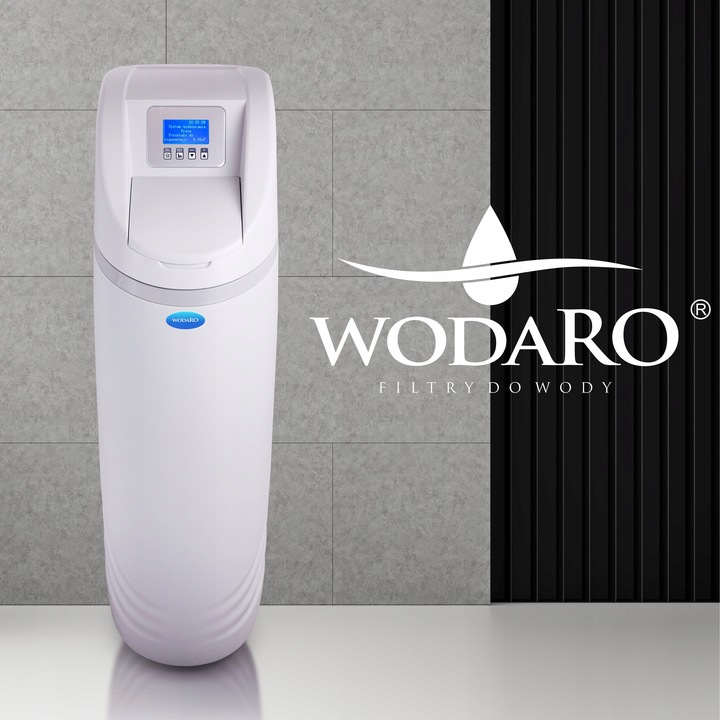
Do you want to solve the hard water problem not only in your washing machine but throughout your home? Check out the water softeners and anti-scaling filters available in our store: mojawoda.com If you need help with selection, contact us, describe your installation and water hardness – we will advise you on specific solutions.
Key takeaway: in the short term, you can remove limescale with home remedies or chemicals, but in the long term, it is most beneficial to soften water throughout the house and limit sediment formation at the source.
Key conclusions in summary
Finally, let's gather the most important information in one place so you can quickly return to the key points.
- Limescale in the washing machine is a result of hard water and high washing temperatures, and it manifests itself, among other things, as residue on clothes, loud operation, and heater failures.
- How to descale the washing machine temporarily? Use a high-temperature program with vinegar, citric acid, or a professional descaling agent, without clothes.
- How to descale the washing machine using home methods? Use vinegar, citric acid, and baking soda wisely, rememberingabout the manufacturer's recommendations for the device.
- With very hard water, home remedies are not enough – it is worth considering a washing machine filter or a water softener for the whole house.
- Regular maintenance (cleaning, lower temperatures, appropriate amount of detergent) extends the life of the washing machine and improves washing quality.
Key thought: combine regular descalingwashing machines with smart prevention and water softening, and the problem of limescale in the washing machine will no longer keep you awake at night.
Frequently Asked Questions (FAQ)
How to recognize that there is too much limescale in the washing machine?
The most common signals are: louder operation of the washing machine, longer water heating, cold washing at high temperatures, white residue on dark clothes, graying of fabrics, an unpleasant smell from the drum and more frequent heater failures. These are typical symptoms of limescale in the washing machine that should not be ignored.
How to descale a washing machine with vinegar step by step?
Pour about 0.5 liters of vinegar diluted with water into the drum or drawer, select a program of 60–90°C, and run a wash without a load. After finishing, wipe the seal, drawer, and door. Use vinegar for descaling the washing machine in moderation and always check if the washing machine manufacturer advises against it.vinegar in the instructions.
Is cleaning the washing machine with vinegar safe for seals?
When used occasionally in moderate amounts, there is usually no problem, but frequent and highly concentrated cleaning can accelerate the wear of some components.
How to descale the washing machine safely with citric acid?
Pour about 100–200 g of citric acid into the drum orthe drawer, set the program to 60°C and run the washing machine without clothes. After washing, wipe the seal and the drawer. Perform descaling with citric acid a few times a year, not with every wash.
How to remove limescale from the washing machine using a home method when the machine is heavily scaled?
If there is a lot of limescale, descaling the washing machine with a home method may no longer be sufficient. It is worth combining gentle cleaning with citric acid or a chemical agent with a call forthe service that will assess the condition of the heating element and seals. With very hard water, also consider a water softener.
How many times a year should you descale the washing machine?
With average water hardness, descaling the washing machine every 4–6 months is usually sufficient. With very hard water, it is advisable to do it more often or invest in a water softener, which will significantly reduce the formation of scale.
Will washing machine filters be enough toGet rid of limescale?
Inlet filters for the washing machine help, especially those with polyphosphate, but they only work locally. They do not solve the limescale problem in the kettle, faucets, or other appliances. If the limescale in the washing machine is just part of a bigger issue, a water softener for the whole house may be a better choice.
Why install a water softener if I only see the problem in the washing machine?
The washing machine is often the first place where limescale makes its presence known, but hard water also damages kettles, dishwashers, faucets, shower cabins, and heating systems. A water softener protects the entire system, reduces detergent consumption, and improves daily comfort, so the investment pays off in many areas.
Sources:
- Manufacturer instructions for popular washing machine brands (sections regardingmaintenance and descaling of devices).
- Manufacturer information materials for washing machine descaling agents (recommended doses and frequency of use).
- Industry publications on the impact of water hardness on the lifespan of household appliances and heating systems.
Author: The mojawoda.com Team — we help you choose filters andwater softeners for homes and apartments, and in service practice, we regularly encounter the problem of limescale in washing machines and other appliances.
Last updated: 2025-11-22.
