
- There are no more items in your cart
- Shipping
- Total 0.00 zł





Water treatment at home – effective methods
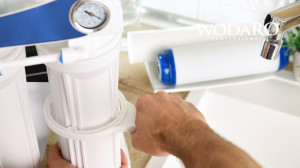
Water is essential for the proper functioning of the human body. However, not all water is suitable for use. Before it reaches our tap, it must be purified. Only through the treatment process can we safely pour it into a glass or use it during a bath. Water treatment is a key element in ensuring health safety and improving the quality of life in every household.
Last updated: 26August 2025
In this article, you will learn…
What is water treatment?
In general terms, water treatment involves improving its quality through physical, chemical, or physico-chemical processes. Let's briefly go through what each of the mentioned methods entails.
It's worth remembering: Physical filtration is crucial for protecting water supply systems and ensuring clean water.
Water physical filtration
Mechanical filtration is a fundamental method of water treatment that allows for the removal of the largest contaminants such as dust, sand, rust, or fragments of sealing materials. This way,the installation is protected from damage. The physical processes of water treatment include the following methods:
- filtration through porous material,
- filtration using activated carbon media,
- filtration utilizing various types of cartridges,
- membrane filtration.
Chemical water filtration
Water treatment can also occur through chemical processes. Most often, liquid disinfection is performed by adding chlorine, chlorine dioxide, or ozone.
Chlorination of water is an effective and relatively inexpensive way to eliminate microorganisms. To carry out this process,chlor is used in gaseous form or sodium hypochlorite. Unfortunately, a downside of chlorination is the deterioration of the taste and smell of water.
It's worth remembering: Ozonation is increasingly preferred due to its beneficial taste and health properties.
Another method is ozonation, which uses ozone, a triatomic oxygen with strong oxidizing properties. The wholethe process involves mixing it with water for a few minutes, during which harmful elements such as microorganisms, pesticides, or surfactants are removed. Unlike chlorination, ozonation makes the water taste better.
Physical-chemical water filtration
The last method of purification involves the use ofcoagulation or flocculation followed by sedimentation aimed at removing impurities by separating solids from water. The coagulation process involves adding chemical substances that bind impurities into larger particles, which then settle at the bottom of the tank.
Flocculation, on the other hand, is the process in which the formed particles are collected and removed from the water, significantly improving its clarity. This method is often used inwastewater treatment plants and waterworks.
It's worth remembering: Physical-chemical filtration is effective in removing organic and inorganic contaminants.
In summary, water treatment is a key process that affects our health and quality of life. Proper treatment methods not only eliminate contaminants but also improveof the taste and smell of water, which is particularly important in daily use.
Frequently Asked Questions (FAQ)
What are the main methods of water treatment?
The main methods are physical filtration, chemical, and physico-chemical.
What is the difference between physical and chemical filtration?
Physical filtrationinvolves the removal of mechanical contaminants, while chemical involves the elimination of microorganisms and chemical substances.
Is ozonation safe?
Yes, ozonation is a safe treatment method that does not introduce harmful substances into the water.
What contaminants does membrane filtration remove?
Membrane filtration removes, among others, bacteria, viruses,mineral salts and other chemical contaminants.
How often should filters be replaced in water treatment systems?
The frequency of filter replacement depends on their type and the quality of the water, usually every 6-12 months.
Does water treatment affect its taste?
Yes, appropriate treatment methods can improve the taste of water by eliminating unpleasant odors andflavors.
Author: Maciej Waliduda — a specialist in water treatment, with experience in designing water supply and filtration systems.
