
- There are no more items in your cart
- Shipping
- Total 0.00 zł



Cyanobacteria in water - what it is, symptoms, dangers, removal

Cyanobacteria are small but extremely influential organisms. Blooms, changes in water color, and toxin production can pose a real threat to health. Learn what cyanobacteria look like, when their blooms occur, and how to protect yourself from them. In this article, you will find useful information about control methods and the role of water filters.
Last updated: August 26, 2025
In this article, you will learn…
- What is cyanobacteria in water?
- When does cyanobacteria bloom and how do their clusters form?
- What is cyanobacteria – symptoms of infection?
- What is cyanobacteria – symptoms onin the lake?
- What are cyanobacteria in the lake – everything you need to know?
- What do cyanobacteria look like in the lake?
- What are cyanobacteria in the aquarium – everything you need to know?
- What are cyanobacteria by the sea – everything you need to know?Do you want to know?
- What do cyanobacteria look like in the sea?
- What are the dangers posed by cyanobacteria?
- How to remove cyanobacteria?
- What is cyanobacteria in water – summary?
What is cyanobacteria inblue-green algae?
Blue-green algae in water is a colloquial term for microorganisms known as cyanobacteria. Although they are often referred to as "algae," they are actually bacteria capable of photosynthesis. Under natural conditions, they can play important roles in the environment, but when they proliferate excessively, a phenomenon known as a bloom, they become dangerous to humans and animals.
Cyanobacteria are found in lakes, rivers, ponds, and even seas and aquariums. Althoughthey produce oxygen, their rapid growth causes them to start releasing toxins. Their name refers to the characteristic blue-green coloration they can take on.
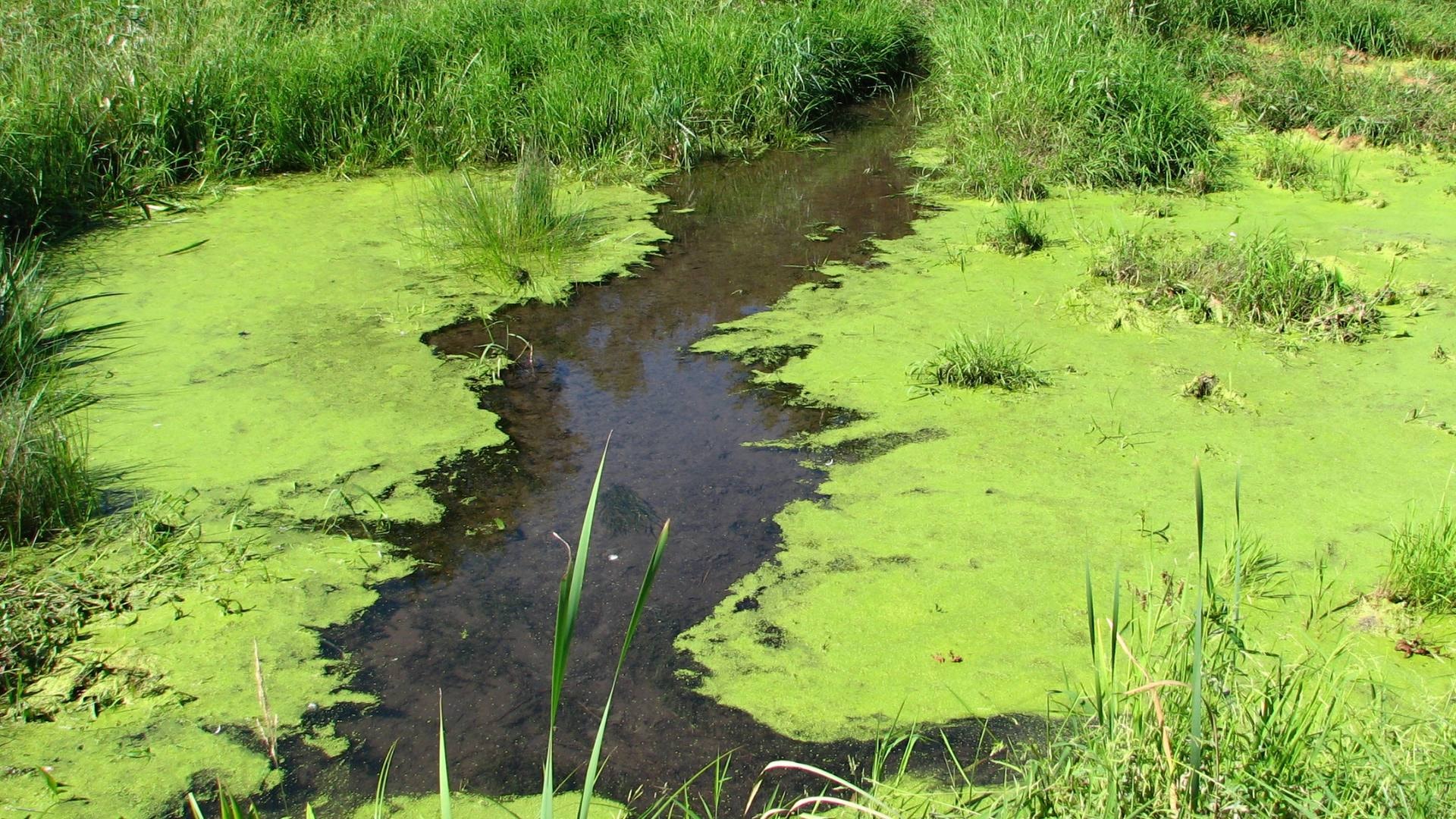
When does a cyanobacterial bloom occur and how do their clusters form?
A cyanobacterial bloom is a rapid increase in cyanobacteria in the water. It usually occurs in warm months when temperatures rise and the amount of lightThe amount of sunlight is significant. Another reason is the excess of nutrients in the water, such as nitrogen and phosphorus, which come from agricultural runoff or poorly treated sewage. This phenomenon is more intense in shallow bodies of water with low water circulation.
Key point: Cyanobacteria in the water is not always visible to the naked eye. The water may appear clear but contain significant amounts of cyanobacteria.
The accumulation of cyanobacteria leads to the death of other organisms, which strengthens the bloom effect. Cyanobacterial blooms most often form on the water's surface, resembling greenish foam or scum. Sometimes they float in the water column, waiting for favorable conditions for further development.
Cyanobacteria – symptoms of infection
The symptoms of cyanobacterial infection are diverse and depend on the type of toxins released. The most common ailmentssymptoms resemble those of food poisoning or an allergic reaction.
- Digestive system: abdominal pain, nausea, diarrhea.
- Nervous system: dizziness, fatigue, sometimes fever.
- Respiratory system: irritation of mucous membranes, watery eyes, breathing difficulties.
Severe cyanotoxin poisoning is rare, but any contact with a suspectedwater carries potential risks. If you experience the above symptoms after bathing in a body of water with cyanobacteria, consult a doctor immediately.

Cyanobacteria – skin symptoms
Skin symptoms often manifest as rashes, itching, redness, or blisters. They may resemble an allergic reaction, which is why many people do not directly associate them with contact with contaminated water. The mostChildren are at risk because they often play in shallow water, where cyanobacteria accumulate in the sand and mud. If skin changes persist, contact a dermatologist.
Cyanobacteria in the lake – everything you need to know
Cyanobacteria in the lake are particularly dangerous in the summer when high water temperatures promote blooms. For this reason, it is always worth paying attention to the appearance and smell of the water before entering it.
- Since cyanobacteria often form clusters near the shore in lakes, where water currents are weaker.
- The water can have a characteristic, intensely green or bluish hue.
- Sometimes an unpleasant odor appears, indicating the decay of cyanobacterial cells.
What do cyanobacteria look like in a lake?
They most often form a greenish scum onwater surface, which may resemble spilled paint or fine flakes. Sometimes they accumulate along the shoreline, making the water appear thicker and clearly polluted. The color ranges from green, through turquoise, to bluish.

Key thought: Excess nutrients in the water, or eutrophication, is the main factor contributing to the formation of dangerous blooms.
Cyanobacteria in the aquarium – everything you need to know
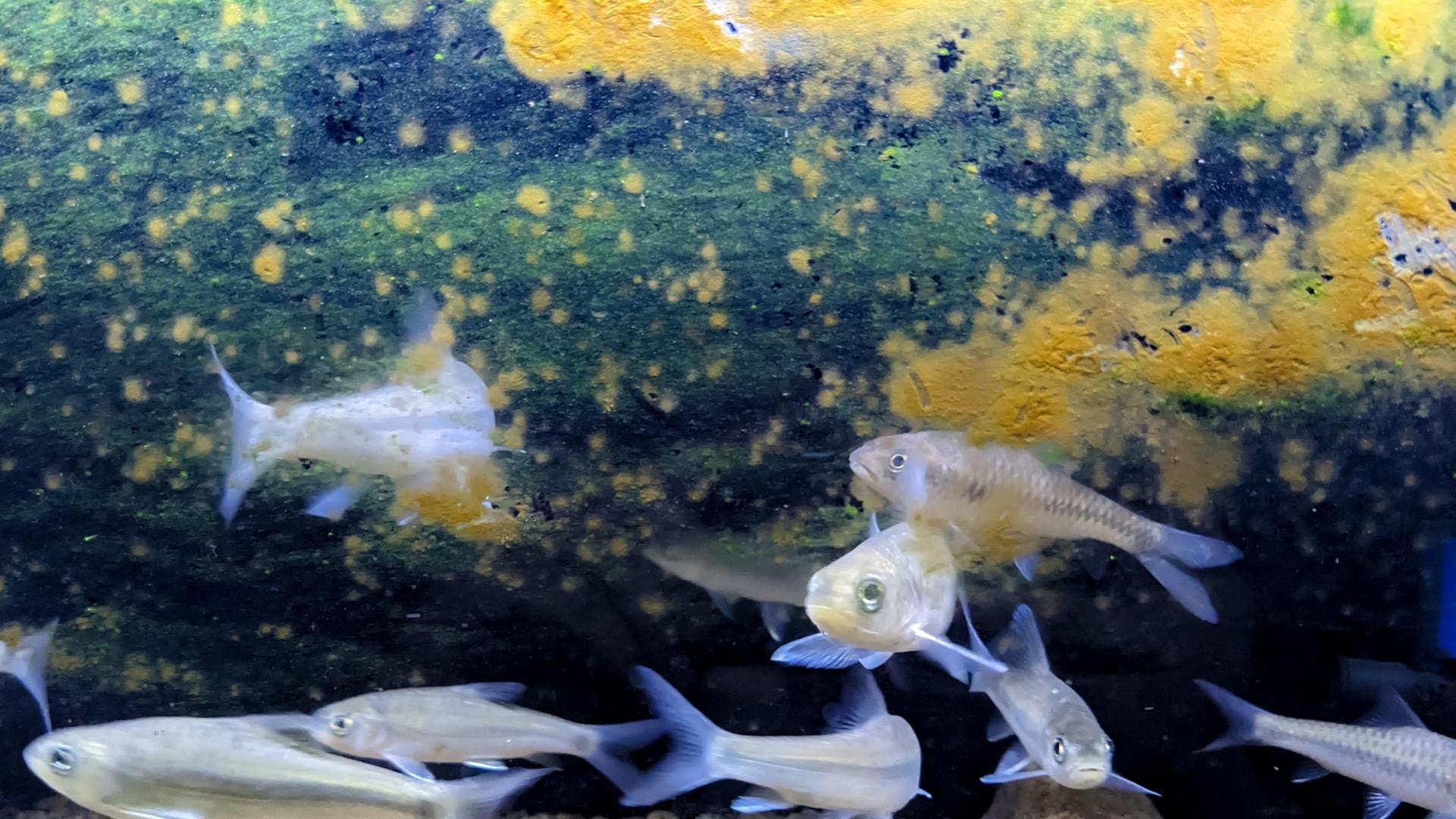
Cyanobacteria in the aquarium can grow rapidly, creating a characteristic greenish or bluish film on the walls and decorations. The main causes of their development are too much light and an excess of nutrients. Cyanobacteria in the aquarium not only spoil the aesthetics but can also harm fish and plants.
Regular water changeswater and maintaining appropriate parameters is key to preventing cyanobacterial invasions in the aquarium. It is also worth considering filtration systems, such as reverse osmosis filters, as they help control nitrate and phosphate levels.
Cyanobacteria at sea – everything you need to know
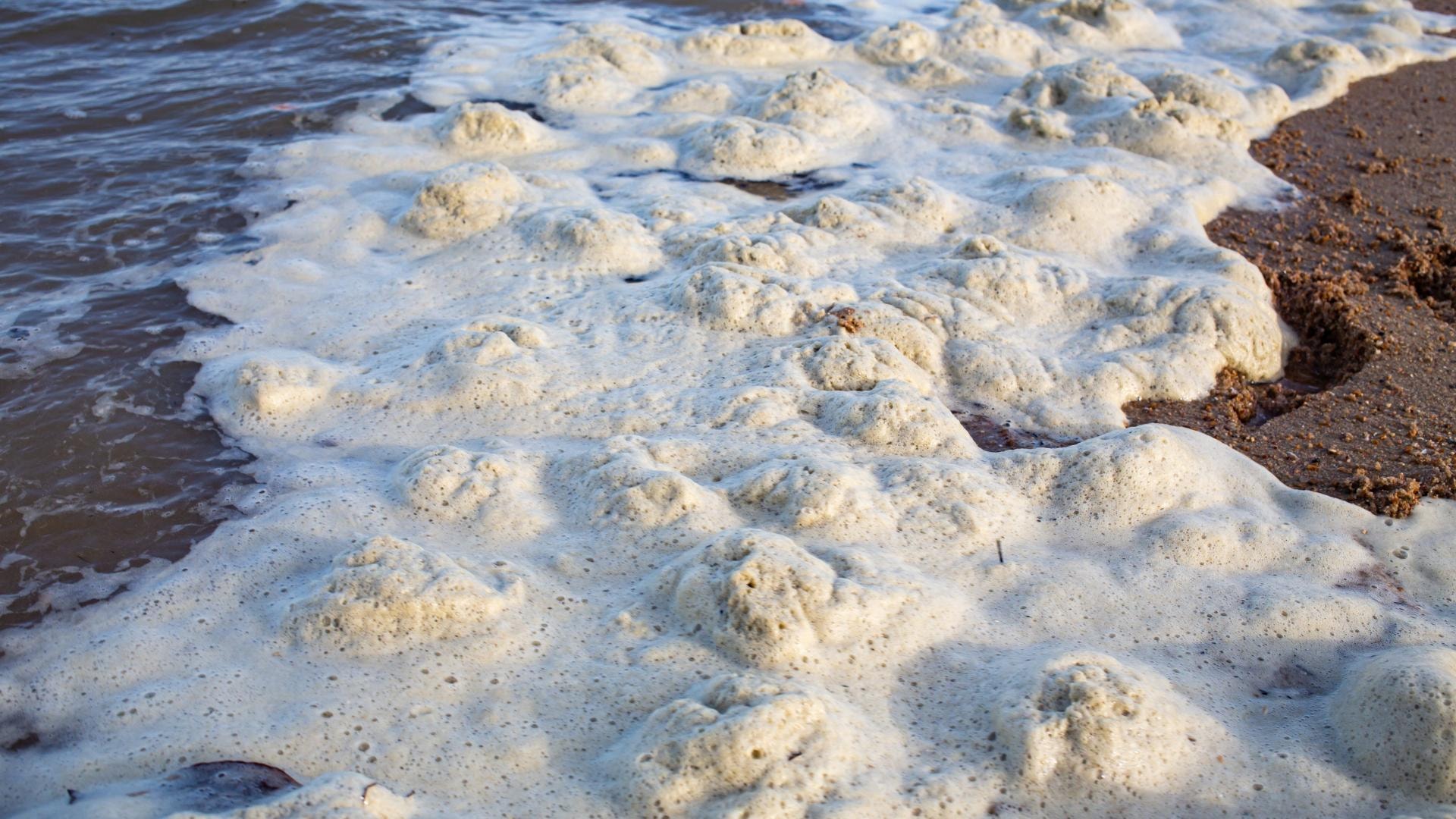
Cyanobacteria in the sea mainly occur in coastal zones, whereHigh temperatures and sunlight can create a brownish-green foam on the water's surface, which looks alarming. Murky, sticky water and intense turbidity are the first signs that cyanobacteria in the sea may be dangerous. Local lifeguards and sanitary-epidemiological services often raise red flags warning against swimming.
What do cyanobacteria look like in the sea?
They most often take the form of a greenish or brownish suspension.They can also create a foamy scum on the shore, with shades ranging from light green to brown. After bathing in such water, rashes, eye irritation, and other allergic symptoms may occur.
What dangers does cyanobacteria pose?
Cyanobacteria pose a real health threat, especially if you have frequent contact with contaminated water or consume it without proper filtration. The greatestthe risk pertains to the digestive and respiratory systems. Some toxins produced by cyanobacteria can have neurotoxic and hepatotoxic effects, which in extreme cases can be dangerous for the liver and the nervous system. Children and the elderly are particularly vulnerable to the effects of poisoning.
It is worth remembering: Regular monitoring of water quality in reservoirs and avoiding swimming in areas with visible signs of cyanobacterial blooms iskey actions in preventing health problems.
How to remove cyanobacteria?
Cyanobacteria in water can be difficult to eliminate, but there are several effective methods that help in the fight against these bacteria.
- Mechanical removal: capturing clusters of cyanobacteria from the surface of water in home reservoirs or aquariums.
- UV lamp: ultraviolet radiationkills cyanobacteria, which is why UV lamps are used in aquarium and garden filters.
- Reverse osmosis: this is one of the best methods of water treatment. The RO system removes not only blue-green algae from drinking water but also all chemical contaminants such as nitrates and phosphates.
- Aeration and oxygenation: improve gas exchange and prevent the growth of algae in ponds and aquariums.
- Natural plantsAquatic: planting the tank with plants that compete with cyanobacteria for nutrients helps limit their growth.

Cyanobacteria in water – summary
You already know how to recognize these inconspicuous yet dangerous microorganisms. You know what cyanobacteria look like in the sea and in lakes, and how to proceed when you notice cloudiness or a concerning film on the surface of the water.Remember that cyanobacteria can multiply quickly, and their toxins can harm your health.
Ensure proper filtration by using, for example, reverse osmosis systems, UV lamps, or high-quality aquarium filters. If you have any doubts about the quality of the water in your surroundings or well, don't take risks. Safe water is the foundation of health and comfort – choose proven solutions to avoid the dangers posed by cyanobacteria.
Frequently Asked Questions (FAQ)
What are cyanobacteria?
Cyanobacteria are microorganisms known as blue-green algae. Although they are often confused with algae, they are bacteria capable of photosynthesis. Their excessive growth, known as a bloom, is dangerous for humans and animals because they release toxins.
When do cyanobacteria become dangerous?
Cyanobacteria become dangerous during a rapid bloom, which most often occurs in summer, with high temperatures and a lot of sunlight. The cause is also an excess of nutrients in the water (eutrophication), such as nitrogen and phosphorus.
What are the symptoms of cyanobacterial poisoning?
Cyanobacterial poisoning can manifest as abdominal pain, nausea, diarrhea, dizziness, and on the skin in the form of rashes anditching. If these symptoms occur after contact with contaminated water, you should consult a doctor.
How to recognize cyanobacteria in a lake or sea?
Cyanobacteria in lakes and seas most often form a green or bluish scum on the surface of the water, resembling spilled paint. They may also emit an unpleasant, musty odor. Lifeguards often warn against swimming by displaying red flags.
Can cyanobacteria be removed from water?
Yes, they can. Effective methods include mechanical removal of clusters, using UV lamps that kill bacteria, and employing reverse osmosis systems for drinking water purification. In aquariums and ponds, aeration and aquatic plants also help.
What is the best water filter for cyanobacteria?
When it comes to drinking water, the best solution is a reverse filter.osmosis (RO), as it effectively removes both the cyanobacteria themselves and the nutrients (nitrates and phosphates) that promote their growth. In aquariums and ponds, filters with UV lamps are recommended.
Author: Maciej Waliduda — a water treatment specialist with many years of experience in the industry, who shares knowledge about water quality and methods of itscleansing.
