
- There are no more items in your cart
- Shipping
- Total 0.00 zł



Enterococci in water - what it is, dangers, symptoms, removal
Water can be a source of valuable ingredients, but it can also contain some unwanted hitchhikers, such as enterococci in water. Learn about the symptoms, dangers, and effective methods for removing these bacteria. The article will also discuss their impact on health and ways to prevent their presence in drinking water.
Last updated: August 26, 2025
From thisIn this article you will learn…
- What are fecal enterococci?
- What are enterococci in water – risks?
- What are fecal bacteria in holy water?
- What are enterococci in water, can you wash with it?
- What is enterococci bacteria in water – symptoms?
- How to remove enterococci from water?
- What is the relationship between enterococci in water and boiling?
- What are enterococci in water and reverse osmosis?
- What are fecal enterococci in water and the lampuv?
- What is Disinfection, chlorination, and sanitation?
- What are Fecal bacteria in water – summary?
What are fecal enterococci?
Fecal enterococci are a group of bacteria that inhabit the digestive tract of humans and animals. The most commonly encountered species isenterococcus faecalis. Due to their origin and resistance to harsh environmental conditions, fecal enterococci can be found in water supplied from municipal sources or private wells. Their presence in water often indicates fecal contamination, which poses serious health consequences.
Given their ability to multiply, it is important to regularly monitor water quality, especially if you have your own source.Drinking water should come from verified sources and be free from microorganisms, especially those of fecal origin.
Enterococci in water – hazards
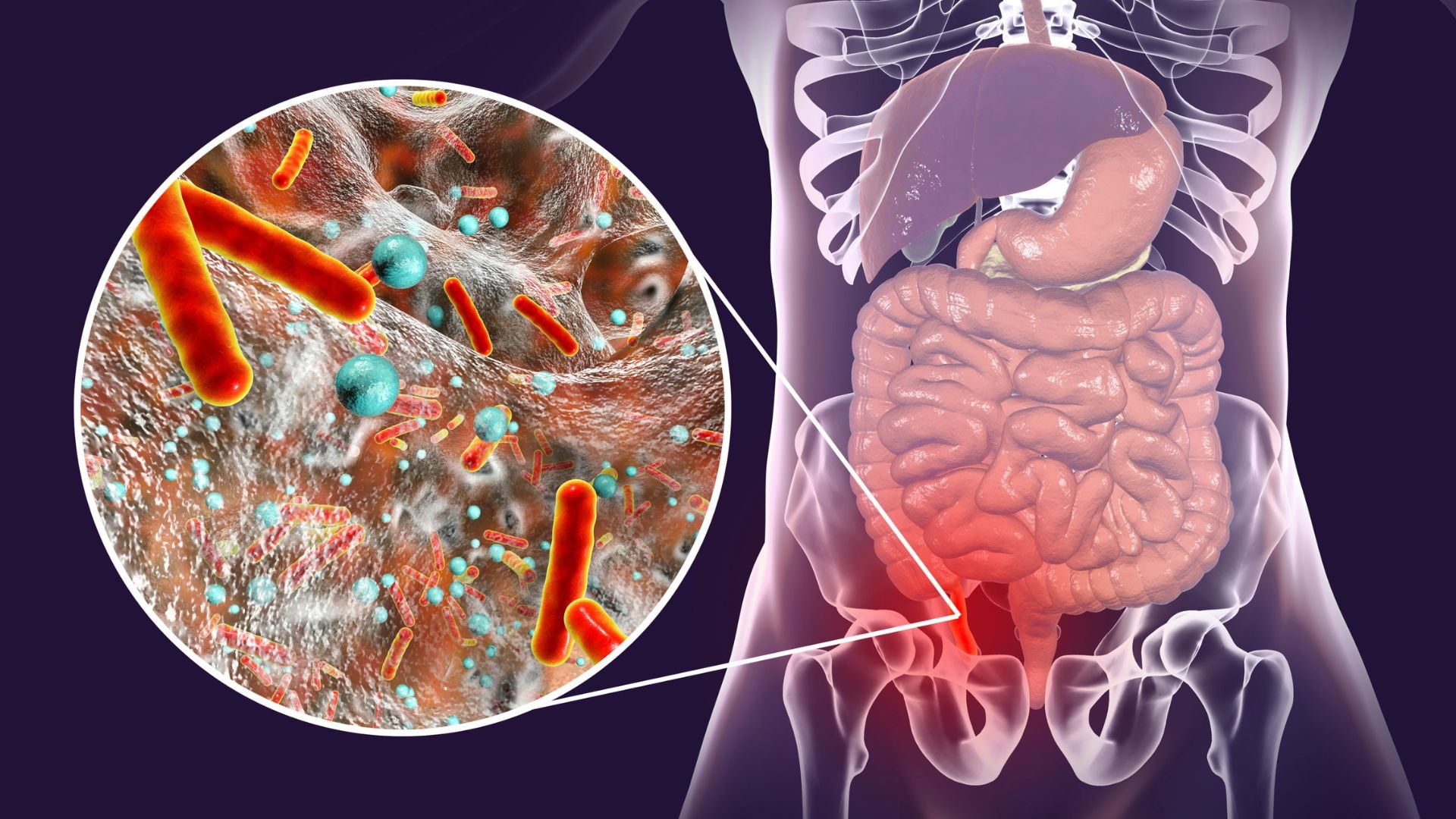
Enterococci in water can carry pathogenic strains and lead to infections in individuals with weakened immunity. Contact with contaminated liquid can be dangerous, especially if ingested by humans or used in household activities. From thisDue to Polish law regarding the quality of water intended for human consumption, it is required that drinking water be free from bacterial contamination by feces.
When tests show the presence of enterococci in the water, immediate disinfection actions are usually taken. Ignoring the problem can lead to food poisoning, urinary tract infections, or other infections. Children, the elderly, and individuals with weakened immune systems are the most at risk.
Fecal bacteria in holy water
There have been cases where fecal streptococci in holy water were identified during sanitary inspections. Although holy water is considered symbolic, this does not guarantee the absence of bacterial contamination. If the vessel is rarely cleaned or the water source is not monitored, enterococci can proliferate. However, contact with holy water should not pose a health risk,provided that the water bowl is regularly disinfected and filled with fresh water.
Enterococci in water, is it safe to wash?
Many people are concerned about whether skin contact with the bacteria is safe. In the case of water containing enterococci, the risk of infection through washing is lower than through consumption, but it is still advisable to exercise caution. If tap water has confirmed presenceenterococci, pay attention to:
It's important to remember: The survival of these bacteria in water is an important signal indicating the potential presence of other microorganisms.
- Thorough hand washing with antibacterial soap
- Avoid drinking water without prior disinfection or filtration
- Caution when brushing teeth (do notswallow water)
Skin infections occur less frequently than internal infections, although they can appear, for example, with damage to the epidermis. Those most at risk are individuals with reduced immunity.

Enterococcus bacteria in water – symptoms
Signs of water contamination can be difficult to detect with the naked eye. Generally, water does not change in taste or smell, which is whyIt is difficult to realize that something is wrong. If bacteria manage to enter the digestive system, it can lead to an infection manifested by diarrhea, vomiting, and abdominal pain. Enterococcus symptoms often resemble other foodborne infections due to similar mechanisms of action. Other symptoms may also appear:
- Urinary tract infections
- Weakness
- Fever and chills
In the case of prolonged consumption of contaminated water, symptoms may progress to chronic ailments, such as recurring abdominal pain or bladder infections. If you notice such symptoms, have the water tested at an accredited laboratory and consult a doctor.
How to remove enterococci from water?
Microbiological contamination in water requires immediate action. Removing enterococci bacteria is a complex process. What steps should be taken to ensure clean and safe water?
- Check the water source
- Apply mechanical and bactericidal filtration
- Conductdisinfection of installations
- Ensure regular monitoring
One of the popular and effective solutions is filtration based on specialized membranes, UV lamps, or chlorination. Below we present the available methods and their effectiveness.
Enterococci in water and boiling
Many people use boiling wateras a primary method of disinfection. It is a well-known and relatively effective method. Similar to escherichia coli, most bacteria die at high temperatures. However, it should be noted that:
- Water must be boiled for at least a few minutes
- High temperature does not always eliminate the spores of certain strains
- Boiling also removes oxygen and alters the taste.water
In emergency situations, this method can quickly improve the quality of drinking water. However, it is important to remember that boiling does not solve the problem in the long term. It also does not eliminate chemical compounds, heavy metals, and other contaminants that may be present in the water.
Enterococci bacteria in water and reverse osmosis
Reverse osmosis filters arean increasingly popular method of water purification in homes. They operate according to the process of separating water molecules from contaminants using a semi-permeable membrane. This system retains:
- Bacteria, viruses, and fungi
- Chemical compounds and heavy metals
- Contaminantsmechanical
And it prevents the re-proliferation of harmful microorganisms if the system is properly maintained. Our company focuses on dedicated reverse osmosis kits that can be tailored to the specific needs of the user. With carefully selected components and regular replacement of filter cartridges, there is almost a 100% chance of completely eliminating bacteria from the groupenterococci from water.
Fecal enterococci in water and UV lamp
Germicidal lamps based on ultraviolet radiation work quickly and effectively, especially against fecal bacteria. The presence of UV radiation in the device causes microorganisms to die due to DNA damage. Water flows through the chamber with the lamp, and the bacteria present in it have no chance of survival. In combination with goodmechanical filtration and preliminary water purification from suspensions, UV lamp is a great solution.
Why consider a UV lamp?
It's worth remembering: Reverse osmosis filters are becoming an increasingly popular method of water treatment in homes.
- Neutralizes bacteria (including fecal enterococci inin water)
- Does not change the taste, smell, or chemical composition
- It is effective with proper flow and lamp power
This method is one of the safest. However, you must remember to regularly clean and replace the bulbs according to the manufacturer's recommendations (usually every year).
Disinfection, chlorination, and decontamination
Chemical methods of water purification, such as chlorination, are effective for tap water as they eliminate a large number of bacteria. However, the use of high doses of chlorine can affect taste and odor. At the same time, chemical agents can also be effective in removing other microbiological contaminants. It is important to remember that improperly conducted chlorination can lead tothe production of by-products that may be harmful to health.
In the case of household water sources, disinfection is best carried out in conjunction with other technologies. After chemical or biological purification, it is advisable to filter the water to ensure that it is free from excess chlorine and dead microorganisms. From experience, we know that neglecting these actions can lead to a rapid recurrence of contamination.
Bacteriafecal bacteria in water – summary
Fecal bacteria in water pose a serious health risk, but there are proven methods to address this issue. In the article, we explained what enterococci are, where they come from, and how they can be eradicated. A well-designed filtration system, incorporating methods such as reverse osmosis or UV lamps, can significantly reduce the risk of infection. Regular water testing and the use of appropriate technologiesfiltration systems are crucial for ensuring the health and safety of users.
I hope that after reading this article, you now know how to protect yourself and your family. If there's anything else I could add, it's that it's worth taking care of regular water testing, following the manufacturers' recommendations for filters, and responding to any concerning signals from your home system. It's better to prevent than to cure – after all, clean water is the foundation of health and well-being.
Frequently Asked Questions (FAQ)
What are fecal enterococci?
Fecal enterococci are bacteria that inhabit the digestive system of humans and animals, which can contaminate water. Their presence is a signal of fecal contamination.
Are enterococci in water always dangerous?
Their presence is alwaysindicates potential contamination, and their consumption is particularly dangerous for individuals with weakened immunity, children, and the elderly. They can cause poisoning, urinary tract infections, and other ailments.
What are the symptoms of enterococcal poisoning?
Typical symptoms include diarrhea, vomiting, abdominal pain, weakness, fever, and chills. Prolonged exposure can lead to chronic infections.
Is washing in water with enterococci safe?
The risk of infection through skin contact is lower than in the case of ingestion. However, in the case of skin damage or in individuals with weakened immunity, infection may occur. Swallowing such water should be avoided.
Is boiling water enough to remove enterococci?
Boiling water for a few minutes is an effective disinfection method,that kills most bacteria. However, it does not eliminate all chemical contaminants and may also alter the taste and smell of water. It is not a long-term solution to the problem.
What methods are the most effective in removing enterococci from water?
The most effective methods are reverse osmosis systems, which remove bacteria, viruses, and chemical contaminants, and UV lamps, which neutralize microorganisms without changing the composition.water. Regular disinfection of the installation is also important.
Author: Maciej Waliduda — a water treatment specialist with many years of experience in the industry, focusing on water quality testing and filtration technologies.
