
- There are no more items in your cart
- Shipping
- Total 0.00 zł



Is filtered water healthy? Filters, Jugs, and Osmosis
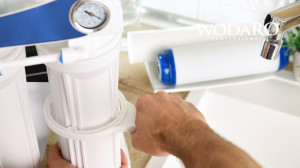
Water is the foundation of life. Are you wondering if water filtration is healthy, or do you want to know if you are already aware of all the benefits of filtered water? Check below for the most important information and enjoy clean water every day. In an era of growing ecological and health awareness, the importance of filtered water is becoming increasingly significant, and choosing the right filtration systems can significantly impact the quality of life and health.
Last updated: August 26, 2025
In this article you will learn…
- What is filtered water?
- Is filtered water healthy? Benefits of filtered water?
- What is filtered water – are there anyflaws?
- What are the dangers of water from wells and water supply?
- Which water filters are the healthiest?
- What is healthy water from reverse osmosis?
- What are filter jugs?
- What are flow filters undersink?
- What are water softeners and conditioners?
- What are UV lamps?
- Is a water filter healthy? Summary?
What is filtered water?
Filtered water is water that has been purified of contaminants andthe removal of undesirable substances using filters. Water filters can be used in various places, such as homes, offices, schools, and other facilities, to ensure access to clean and safe drinking water. With filters, water becomes free from harmful particles, contributing to improved human health. Filtered water is especially important in places where the quality of tap water may be questionable. It is also worth noting that the filtration process can significantly enhance the taste of water, which encouragesof unwanted substances, which is crucial for the effectiveness of this method. Whether we use pitchers, under-sink filters, or reverse osmosis systems, the main goal is to removeunwanted substances. If you're wondering, "Are water filters healthy?", below you'll find some key arguments in favor of filtering.
-
Capturing contaminants - Tap water in many regions can be full of substances such as chlorine or heavy metals. With filters, we remove many potentially harmful substances from the water.molecules, which realistically affect human health.
-
Improvement of taste and smell - Filtration makes the water taste milder. People who complain about the smell of chlorine often notice a significant difference right after filtration.
-
Convenience and savings - Instead of constantly carrying plastic bottles, you can ina simple way to enjoy clean water straight from the filter. It's beneficial for your wallet and for the environment.
It's worth remembering: Filtering water is one of the simplest and most effective ways to improve its taste, remove harmful substances, and save money while caring for the environment.
Filtered water – are there any
Some claim that there is a concern related to "filtering" water and stripping it of valuable minerals, including magnesium and calcium. Indeed, some filters may also remove beneficial elements, but they are often present in low concentrations in tap water and do not constitute the main source of minerals in the diet. Additionally, modern systems often have a mineralization option to replenish the water with valuable components. It is also worth noting that the appropriateChoosing the right filter and its regular maintenance can minimize these potential drawbacks.
-
Possible maintenance costs - Filters require regular replacement of cartridges. Although in the long run this expense is comparable to buying bottled water, the initial cost may sometimes seem higher.
-
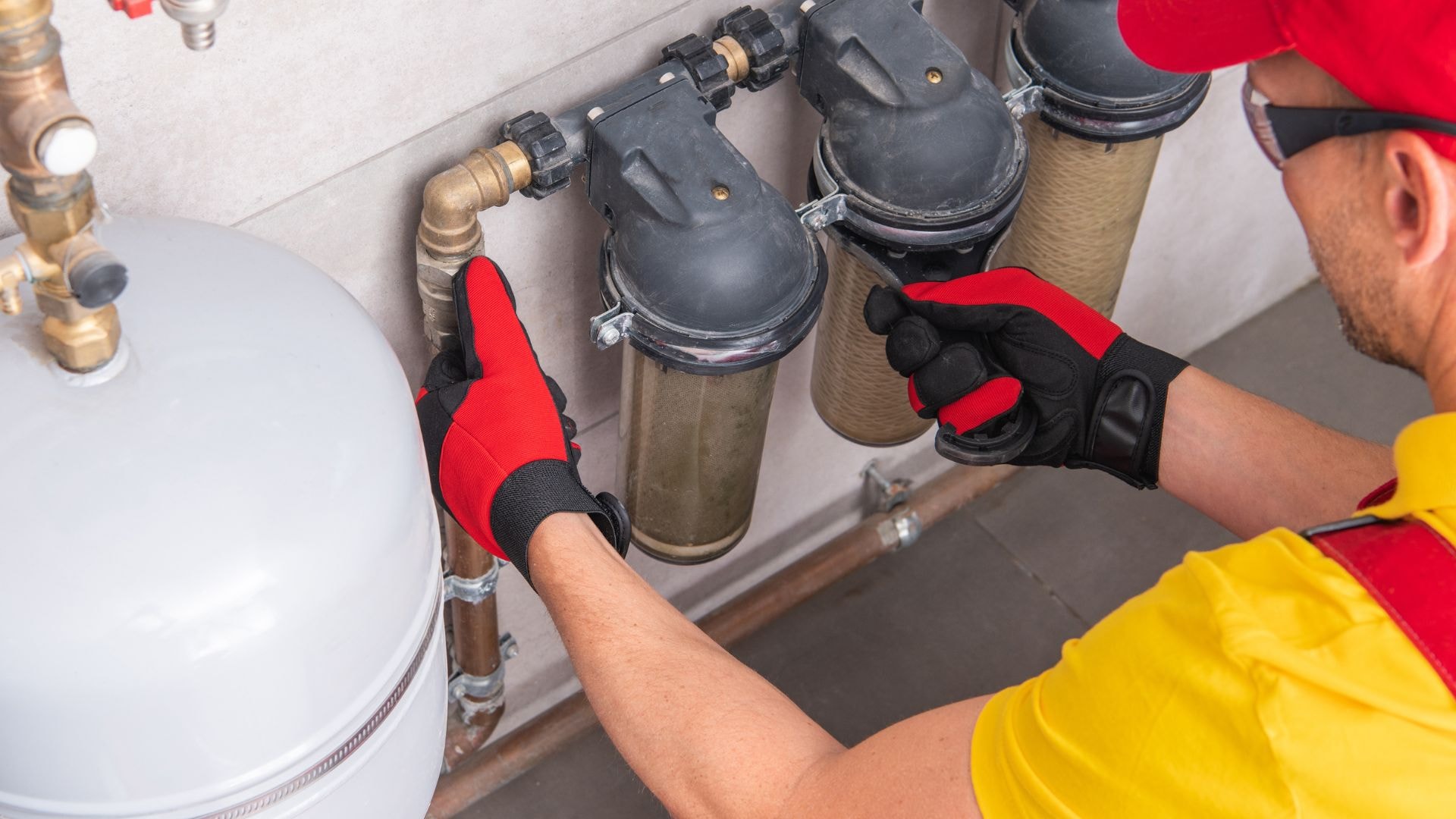
The need for inspectionquality - It is important to maintain regular servicing and filter replacement. Neglecting hygiene can cause contaminants to return to the water or new ones to arise, e.g., those related to the wear of the filtering material.
Risks of well and tap water
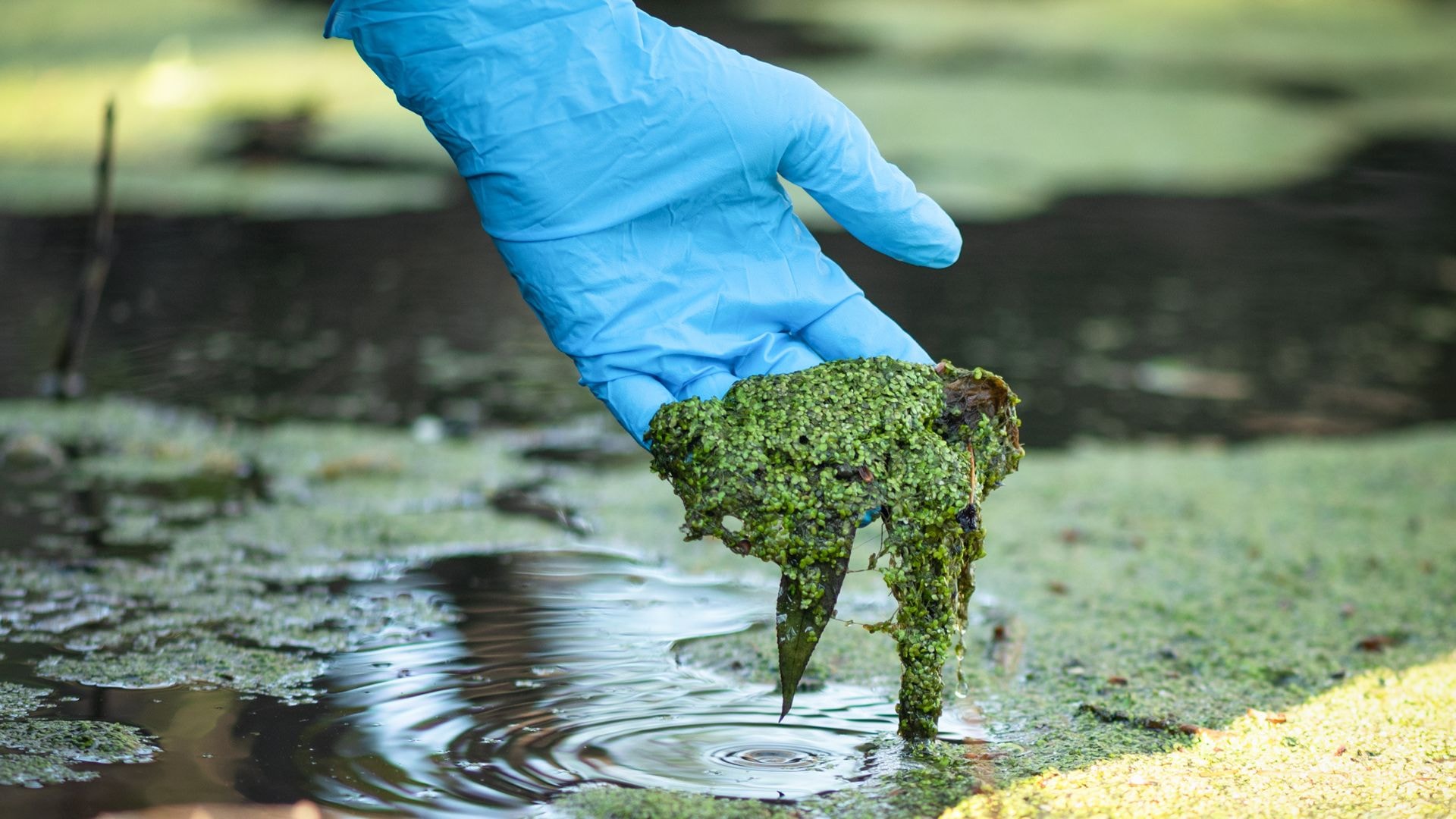
If you use water from a well, you may encounter higher levels of elements such as iron,mangan or sulfates. Also, tap water is not always perfectly clean: it happens that the water supply network can be old and introduces additional impurities into the pipes. Proper testing of water quality is crucial to ensure its safety for consumption.
-
Biological contamination - Unboiled water, especially well water, cancontain bacteria and viruses. Quality tests are very important here.
-
Chemical compounds - Contact with drinking water pipes or well water increases the risk of heavy metals, such as lead. Manganese, on the other hand, can significantly worsen the taste of water and accumulate in household appliances.
Which water filters are the healthiest?
The choice of the right system depends on your needs and whether there are children or rather adults in the house, including those particularly vulnerable to microbiological contamination. If you have doubts, you can commission a professional water analysis and choose a filter based on that. Here are the most popular solutions that can provide healthy water in your
Healthy water from reverse osmosis
The reverse osmosis technology involves passing water through a semi-permeable membrane, which allows for nearly perfect purity. If you are wondering, "Is water from this type of filter healthy?", the answer is - yes! Such precise purification positively affects human health. Additionally, it is worth investing in a mineralizer that will supplement the water with valuable microelements. Some peopledecide to include an additional ionizing cartridge in their set, which further enhances the taste and properties of the water. Reverse osmosis is also a solution that is gaining popularity among health-conscious individuals.
Filtering jugs
Jugs are the simplest and cheapest home purification systems. If you are wondering "is water from a filtering jug healthy" or "are filtering jugs"healthy", pay attention to the proper replacement of cartridges. When you maintain regularity, you will achieve a noticeably better taste and greater purity of water than when drinking directly from the tap. At the same time, the maintenance costs of the pitcher are relatively low, making them an accessible solution for many households.
Under-sink flow filters
Under-sink filters usually have a higher capacity and a higher degree of filtration than simple pitchers. You may encountervarious types of filters - from carbon, through sediment, to ultrafiltration membranes. High levels of chlorides along with nitrates and bacteria may indicate water contamination. If you're wondering, "Is water from a Dafi filter healthy?" or "Is water from a Brita filter healthy?", remember that most flow filters operate on similar principles as pitcher versions, but provide continuous access to purified water without the need to refill a pitcher. This solution isespecially recommended for families that regularly use large amounts of water.
It's worth remembering: The reverse osmosis technology involves passing water through a semi-permeable membrane, which allows for almost perfect purity.
Water softeners and conditioners
Hard water promotes the buildup of scale in kettles and washing machines, including household appliances.domestic and plumbing installations. To solve this problem, many people opt for water softeners. It is worth knowing, "is water from a softener healthy?" - yes, if the device has been properly selected and serviced, and you take care of the appropriate sodium concentration after the ion exchange process. However, softening does not improve bacteriological quality and does not remove other contaminants - sometimes it is therefore combined with additional filters to ensure comprehensive purification.
UV Lamps
UV lamps kill microorganisms, which is a great complement to mechanical or carbon filters. Many people ask, "Is filtered tap water healthy?" - if you want to avoid microbiological risks, a UV lamp is an excellent solution. However, remember that UV disinfection alone cannot remove chemical contaminants from water. Therefore, UV lamps are most often used as a final component in a system, which ensuresan additional layer of protection against pathogens.
Is water from a filter healthy? Summary
When considering different filtration options, it's worth asking directly - is water from a filter jug healthy, when reverse osmosis gives the best results, and what about UV lamps or water softeners? In practice, it turns out that each of these solutions contributes to improving the quality of water in your home, as long as it is well chosen and properlyserviced. In an era of growing ecological awareness, choosing an effective filtration system is particularly important for the comfort and health of your family. It is also worth noting that proper water filtration not only improves its quality but also affects the taste, which can encourage greater fluid intake, thereby contributing to better health.
By drinking filtered water, you avoid many contaminants while also caring for the environment thanks tothe abandonment of single-use bottles. This way, you can enjoy a constant supply of clean, fresh, and tasty water without leaving your home. If you have any doubts, consult with professionals or conduct a tap water composition test to choose the most suitable filter. Because health and the comfort of drinking water are invaluable assets worth investing in every day.
Frequently Asked Questions (FAQ)
Does water filtering remove minerals?
Some filters, especially those based on reverse osmosis, can remove some minerals. However, modern systems are often equipped with mineralizers that replenish the water with valuable components such as magnesium and calcium.
Is water from a filtering jug healthy?
Yes, if the filter cartridges are replaced regularly. Filtering jugs improvethe taste and smell of water, removing basic contaminants such as chlorine.
Is hard water harmful to health?
Hard water is not directly harmful to health, but it can negatively affect household plumbing and appliances, causing limescale buildup. It can be softened using water softeners.
Do UV lamps remove chemical contaminants?
No, UV lamps are solely used for disinfecting water by killing bacteria and viruses. They do not have the ability to remove chemical contaminants such as heavy metals or pesticides.
How often should water filters be replaced?
The frequency of cartridge replacement depends on the type of filter and the intensity of its use. Manufacturers usually provide recommended timelines that should be followed to ensure effectiveness.filtration and avoid the growth of bacteria.
Why can well water be unhealthy?
Well water often contains elevated concentrations of elements such as iron and manganese, and it may also be biologically contaminated by bacteria and viruses. For this reason, it always requires testing and appropriate treatment.
Author: MaciejWaliduda — a water treatment specialist with many years of experience in the industry, who helps clients choose the right filtration solutions for their needs.
