
- There are no more items in your cart
- Shipping
- Total 0.00 zł



Clean water in your home - The best filtration and purification methods
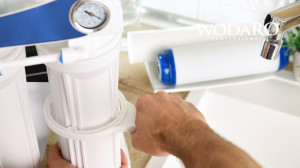
In your life, the quality of the liquid flowing from the tap is of great importance. Clean water in your home ensures health, comfort, and safety. In this article, you will learn practical methods of filtration and purification that will improve its quality and understand why so many people opt for modern solutions. In the face of increasing environmental pollution and rising health needs, access to clean water is becoming crucial for everyone.households.
Last updated: August 26, 2025
In this article, you will learn…
- Why is access to clean water important?
- What does water purification involve?
- What are water purifiers - what aretypes?
- What are mechanical filters?
- What are carbon filters?
- What are reverse osmosis filters?
- What are water softeners and iron removers?
- What is disinfected water, that is, pure water?water?
- What is purified water - benefits?
- What is Purified water through ion exchange?
- What is the choice of the right water filter?
- What is Clean water adds health! - summary?
Why is access to clean water important?
Clean water plays a key role in your diet and daily hygiene. Without it, it's difficult to keep the body in optimal condition. Drinking properly filtered liquid improves metabolic processes and supports the immune system. Water free from contaminants also guarantees the taste of prepared drinks and dishes. You no longer have to worry about unpleasant aftertastes, deposits, or smallparticles that can worsen sensory experiences and cause discomfort. That is why it is so important to ensure access to clean water for yourself and your family, which translates into better health and well-being.
What does water purification involve?
Water purification is the process of removing physical, chemical, and biological contaminants. It restores the purity of water by eliminating turbidity, undesirable odors,bacteria or elements responsible for the formation of deposits. The use of filters and professional devices allows for effective improvement of parameters – regardless of whether you use the water supply network or draw water from your own source. The water purification process includes various methods that can be tailored to specific needs and water quality, making it a flexible and efficient solution.
Water purifier - whatAre there types?
A water purifier at home can take various forms. Filtration solutions differ in their scope of action, degree of accuracy, and installation method. It is important to match them to the conditions in which you use water and to your individual needs. Below we present the most popular types.
Mechanical filters
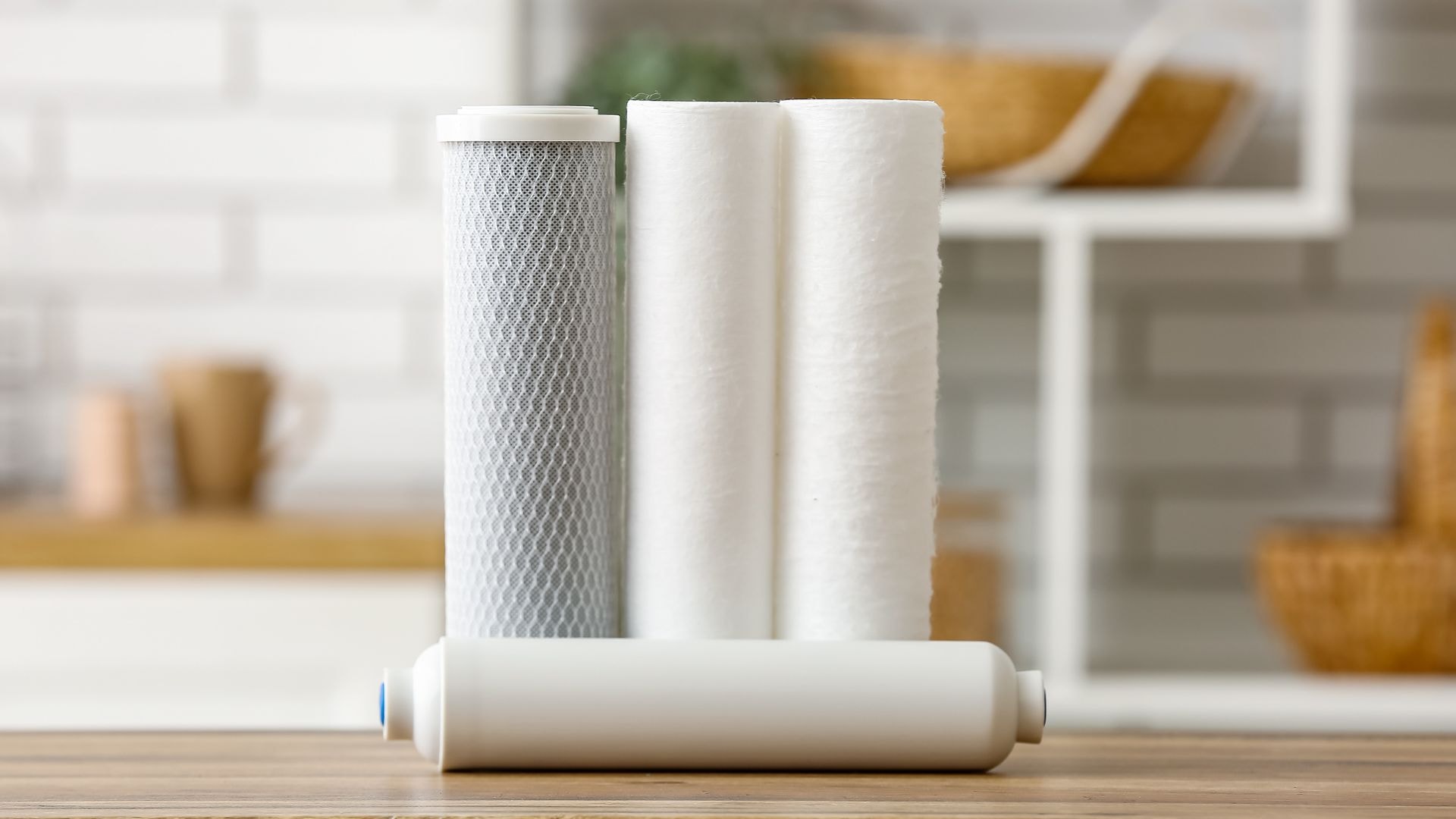
A mechanical water purifier removessolid impurities such as sand, rust, or fibers. It works on the principle of a physical barrier. Such filter cartridges have different degrees of accuracy, allowing you to choose the option best suited to your installation and water quality. Thanks to them, the water becomes clear and more pleasant for everyday use. It is also worth paying attention to the regular replacement of cartridges to ensure their effectiveness.
Carbon filters
CarbonWater purifiers are a great tool for improving taste and odor. The porous structure of activated carbon effectively absorbs organic compounds and chlorine, which translates to better water smell and enhanced culinary experiences. With them, you can enjoy water without a metallic aftertaste or irritating odors. The use of carbon filters is recommended for water with high chlorine content and other chemical substances.
Reverse filters
This type of water purifier works on the principle of a semi-permeable membrane that retains even the smallest particles. Reverse osmosis removes dissolved substances from water such as pesticides, heavy metals, and nitrates. The resulting water is exceptionally pure and is perfect for drinking and preparing dishes with refined flavors. However, it is important to remember that these systems requireregular maintenance and replacement of membranes to ensure their long-lasting efficiency.
Water softeners and iron removers
Water purifier for home, which softens water, helps eliminate excess calcium and magnesium ions, reducing the formation of scale. Iron removers effectively remove iron and manganese compounds, ensuring that water from your ownThe water is free from the characteristic reddish tint and metallic aftertaste. These solutions not only improve drinking quality but also protect home appliances from contaminants. It is also worth investing in devices that combine softening and iron removal functions to achieve a comprehensive solution.
What are the methods for water purification?
There are many methods that allow for effectivewater purification and improving its parameters. Each of them uses different processes, allowing for a solution tailored to specific challenges. It is worth noting that the choice of the appropriate method depends on the type of contaminants and the goal we want to achieve.
It is important to remember: Water purification is a process that can be customized to your needs by using different types of filters – from mechanical,from carbon, to advanced reverse osmosis.
-
Chemical processes: Adding specific substances helps aggregate fine contaminants into larger clusters that are easier to remove from the cycle. These methods are often used in large water treatment plants.
-
Processes physical: They include filtration, sedimentation, or the use of membranes. They allow for the mechanical separation of unwanted particles. These methods are the foundation of most filtration systems that can be found in homes.
-
Biological processes: Introducing beneficial microorganisms or special substrates into the water promotes the natural breakdown of organic pollutants. These methods areparticularly popular in ecological water purification systems, such as biological ponds.
Disinfected water, that is, clean water
After the filtration process, disinfection becomes essential. These treatments eliminate pathogenic microorganisms and ensure the safety of water use. It is worth investing in appropriate disinfection methods to ensure that the water is free frompathogens.
-
Bactericidal UV lamps: Ultraviolet radiation destroys the DNA of microorganisms and removes potential health hazards. This process is completely safe and does not introduce unnecessary chemicals into the water. It is a method that is gaining popularity in home filtration systems.
-
Chlorination: The addition of chlorine allows for the elimination of bacteria and other pathogens. It is a popular method, although it can sometimes affect the taste of the water. Using carbon filters after disinfection helps restore its original qualities. However, it is important to remember the appropriate concentrations to avoid harming health.
-
Ozonation: Ozone, due to its properties,effectively destroys microorganisms and oxidizes pollutants. It is a fast and effective method that supports longer-lasting water quality. Ozonation is increasingly used in modern water treatment systems.
Purified water - benefits
Clean water brings many benefits that affect the comfort and efficiency of home installations:
-
Removal of solid contaminants from water: You get rid of sand, silt, and other particles that lower the quality of liquids. This translates to better flavors in food and beverages.
-
Protection of appliances from contaminants: Water free from excess minerals and deposits extends the lifespan of household appliances and fixtures. These actions can lead to significant savings inlonger time perspective.
-
Improvement of water quality: Better taste, clarity, and lack of unpleasant odors are significant advantages that you will appreciate every day. Clean water affects the quality of life and the health of household members.
-
Reduction of water hardness: Less scale means fewer problems with dailythe use of equipment and easier maintenance of cleanliness. It also contributes to reducing detergent consumption.

Purified water through ion exchange
Ion exchange is a technology that allows for precise shaping of water composition. The sodium ions introduced into the bed replace undesirable calcium, magnesium, or iron ions. Additionally, this process enablesremoval of heavy metal ions from water, improving its parameters not only in terms of taste but also safety. Ion exchange is often used in home water softening systems, making it a popular solution in households.
It's worth remembering: When choosing a filter, always keep in mind the type of contaminants in your water and the purposes for which you use it.helps achieve the best results and ensures high water quality.
Choosing the right water filter
When selecting the ideal solution, it's worth considering a few important factors:
-
Type of contaminants in the water: First, determine what kind ofyou are struggling with – heavy metals, pesticides, sediments. Water analysis will allow for a more effective selection of filters.
-
Pollution level in water: A thorough analysis of liquid quality will facilitate the selection of the appropriate filter. This can be done using tests available in stores or laboratories.
-
Type of water (drinking water, water: Other filters are suitable for drinking, while others are for technical purposes. Understanding the differences will help you make the right choice.
-
Budget: On the market, you will find both advanced sets and simple solutions at the lowest price, allowing you to improve water quality without straining your wallet. However, it is worth investing in quality to avoid frequentthe benefits of clean water for your health! - summary Clean water is essential for households. Its quality affects your well-being, comfort, and safety. Properly selected filtration and disinfection methods will ensure water with optimal parameters, free from contaminants and unwanted tastes. Investing in solid purification systems will pay off.not only in the form of health but also savings resulting from the longer lifespan of devices, easier maintenance, and greater comfort of life. Therefore, it is worth taking care of clean water in your home today to enjoy its benefits for many years.
Frequently Asked Questions (FAQ)
How to purify water in a fish pond?
In the case of ponds with fish, it is best tofocus on natural biological processes and appropriate mechanical filtration. Use aquatic plants that will help maintain biological balance. You can also use special pond filters that prevent sediment buildup and support proper living conditions for fish.
How to clean water in a pool?
Use sand filters and regular chlorination. Use disinfectants,to effectively eliminate microorganisms and prevent algae growth. Try to keep the pool clean, and the water will remain clear, safe, and pleasant for swimming.
What cleans water best?
The most effective are advanced filtration systems, such as reverse osmosis, carbon purifiers, and UV disinfection. This combination of methods ensures clean, drinkable water straight from the tap, free from harmfulof compounds and unwanted microorganisms.
How to purify water yourself?
You can use simple pitcher filters, boiling, or homemade solutions with activated carbon. Although these methods do not always remove all contaminants, they are a first step towards improving water quality. In more demanding cases, use professional filters and consult with specialists.
How does exchange work?iron ions, which helps to reduce the iron content in water. This is important for preventing staining and improving the taste of water.iron and manganese compounds, which eliminate rusty discoloration and metallic taste in water. Both devices serve different but often complementary functions.
Author: Maciej Waliduda — a water treatment specialist with many years of experience in the industry, advising on the selection of appropriate filtration systems.
