
- There are no more items in your cart
- Shipping
- Total 0.00 zł



Contaminated water, water poisoning, and bacteria in water - what to do?
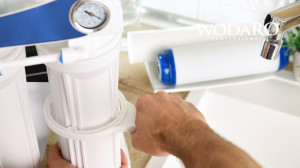
Water contamination is a serious problem that can affect any of us. The presence of harmful organisms and bacteria in water can lead to serious health issues. In this article, we will explain what contaminated water is, what it may contain, how to recognize poisoning, and how to ensure safety for yourself and your family when using water. Understanding the dangers associated with water contamination and knowledge of preventive measures are crucial for health.public.
Last updated: August 26, 2025
In this article, you will learn…
- What is contaminated water and how does it occur?
- What are the types of pollutants in contaminated water?
- What is pollutionbiological?
- What are physical contaminants?
- What are chemical contaminants?
- What are the dangers of water poisoning and who is most at risk?
- How to detect water contamination and how to respond to it?
- Howpreventing water contamination at home?
- Where do water contaminations most often occur?
What is contaminated water and how does it occur?
Contaminated water is water that contains harmful chemical, physical, or biological substances that exceed permissible limits. Such water is not suitable for drinking, cooking, or bathing, as it can lead toserious health problems.
Water contamination occurs due to various factors that affect its quality:
- Sewer leaks – damaged sewer pipes can lead to sewage entering water systems.
- Sewage infiltration into groundwater – due to malfunctions or lack of properinfrastructure sewage can contaminate drinking water sources.
- Industrial pollution – uncontrolled discharge of industrial waste into surface waters.
- Agriculture – use of fertilizers and pesticides that seep into water during rainfall.
Types of pollutants in contaminated
Contaminated water may contain various pollutants that are harmful to health. Factors such as snowmelt can cause pollutants to flow into water sources. Below we present the most common types of pollutants.
Biological pollutants
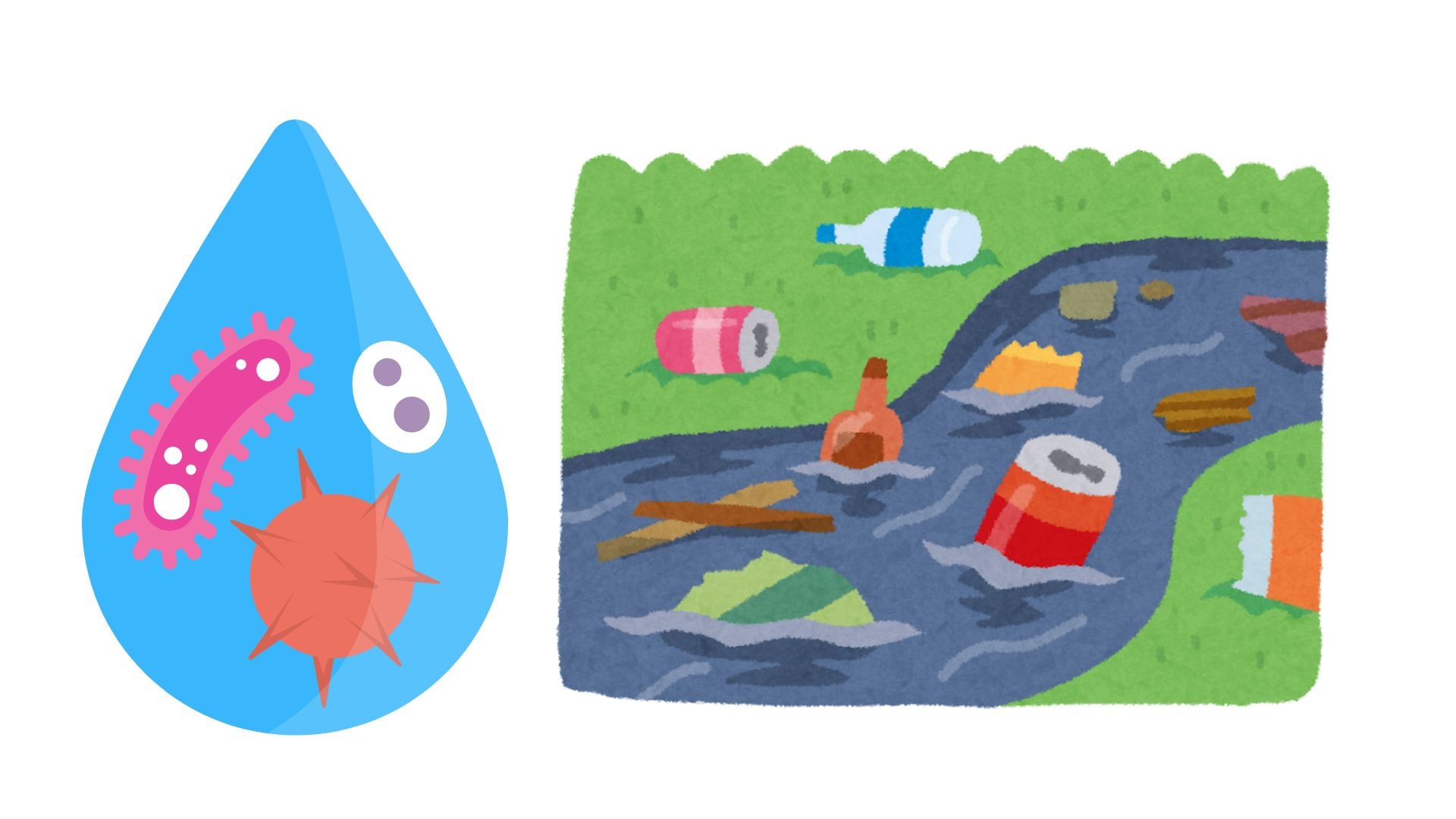
Bacteria, viruses, fungi, and other microorganisms pose a serious threat. Bacteriapathogenic, such as Escherichia coli or fecal streptococci, most often enter water through fecal contamination. They can lead to serious infections of the gastrointestinal and urinary tracts. Viruses such as rotaviruses or hepatitis virus can cause severe gastrointestinal disorders.
It's important to remember: Water contamination is not just the presencevisible physical contaminants, but above all, the invisible threats – bacteria, viruses, and hazardous chemicals. These pose the greatest risk to our health.
Physical contaminants
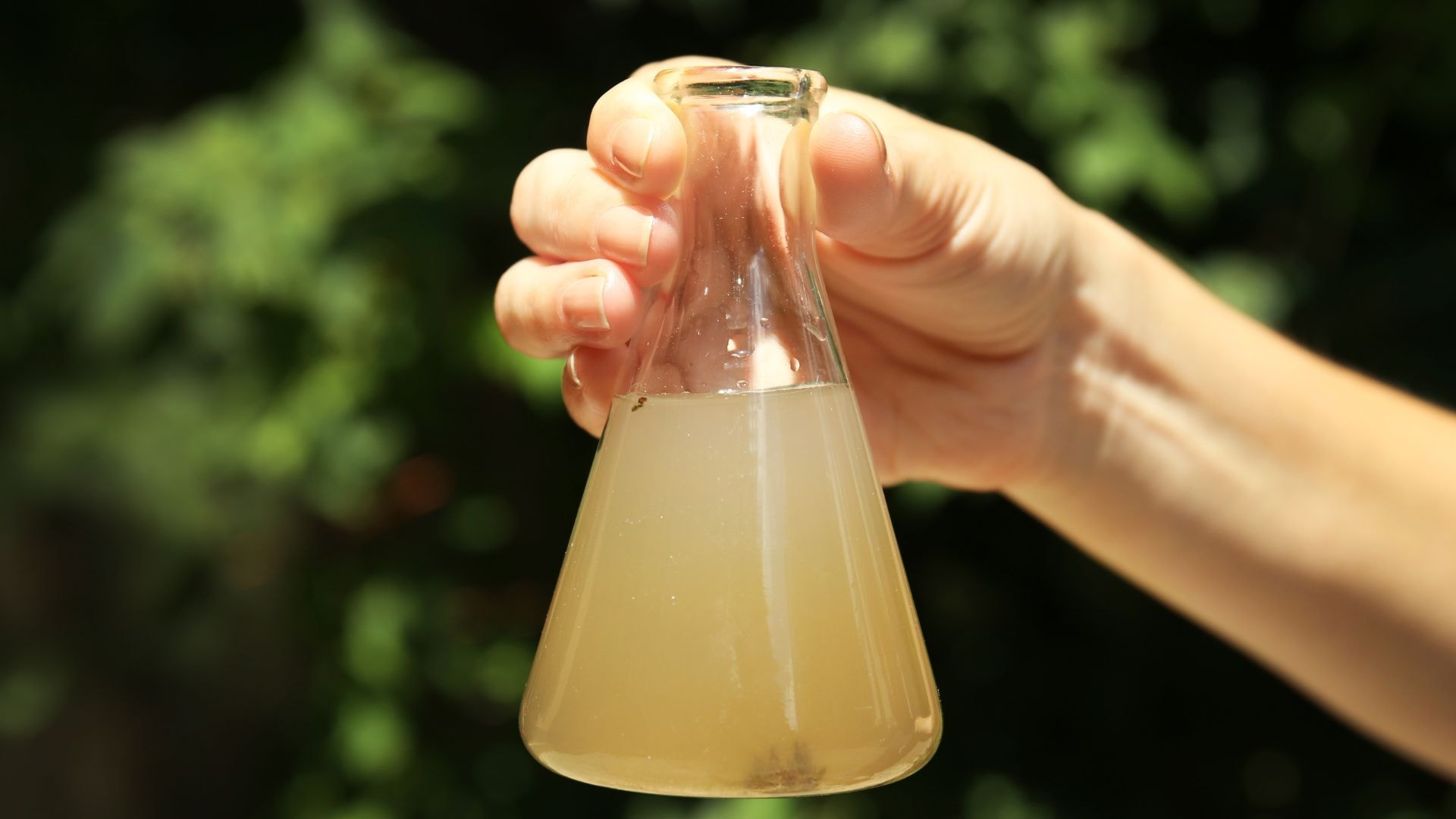
These are solid substances that can be seen with the naked eye, such as sand, silt, or rust. They arise from soil erosion, pipe corrosion, or damage to water infrastructure. Althoughoften not directly harmful to health, but they can affect the taste, smell, and appearance of water.
Chemical pollutants
Chemical pollutants are various substances that can enter water as a result of industrial, agricultural activities, or through natural geological processes. Heavy metals (lead, mercury), pesticides, detergents, or organic compounds areparticularly dangerous, as they can accumulate in the body and cause serious health issues.
What are the risks of water poisoning and who is most at risk?
Consumption or contact with contaminated water can lead to numerous health problems. Poisoning from tap water can cause diarrhea, vomiting, and abdominal pain. Additionally, respiratory diseases such as pneumonia may occur, especially in individualsinhaling contaminated water while bathing. Urinary tract infections are another threat.
Particularly at risk of illness are children, the elderly, and individuals with weakened immunity, for whom infections can be more severe. That is why it is so important to pay attention to water quality and avoid consumption in case of suspected contamination.

How to detect water contamination and how to respond to itactions?
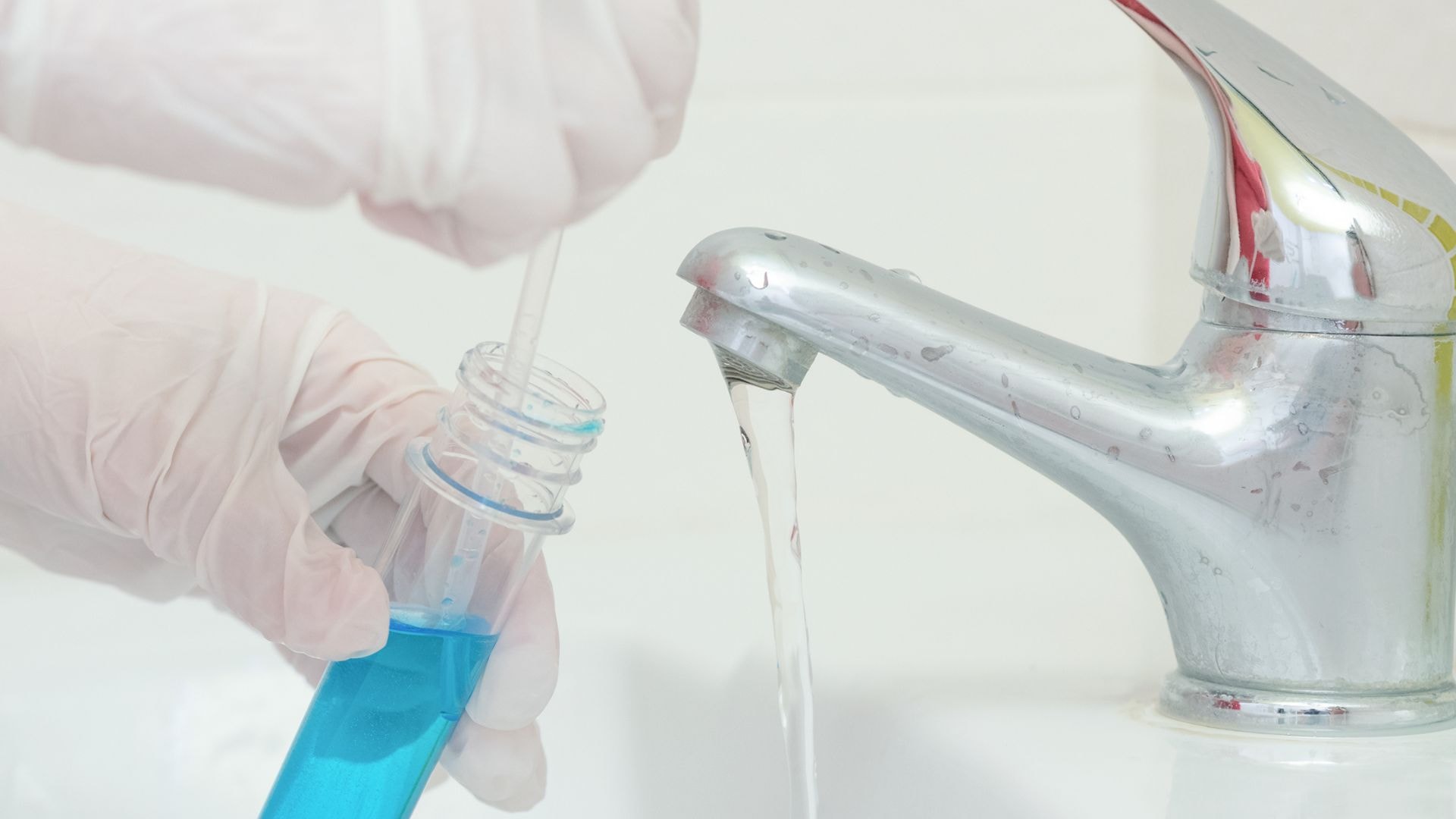
To detect the presence of bacteria or other contaminants in water, it is best to conduct a comprehensive laboratory test. If using a private well, it is recommended to regularly collect a water sample and have it analyzed to check for the presence of bacteria, microorganisms, and other potentially harmful compounds. Regular testing will allow for the early detection of any contaminants and taking appropriateactions.
Information about water contamination can also be obtained through notifications ALERT RCB, which are sent to mobile phones in emergency situations. Such notifications are an important source of information and can protect us from consuming water not intended for drinking, which may be contaminated.
If you suspect that you have been poisoned by water, it is important not to ignore the symptoms. In such a situationcontact a doctor, avoid further consumption of suspicious water, and report the issue to the appropriate sanitary authorities, to prevent further cases of water poisoning.
How to prevent water contamination at home?
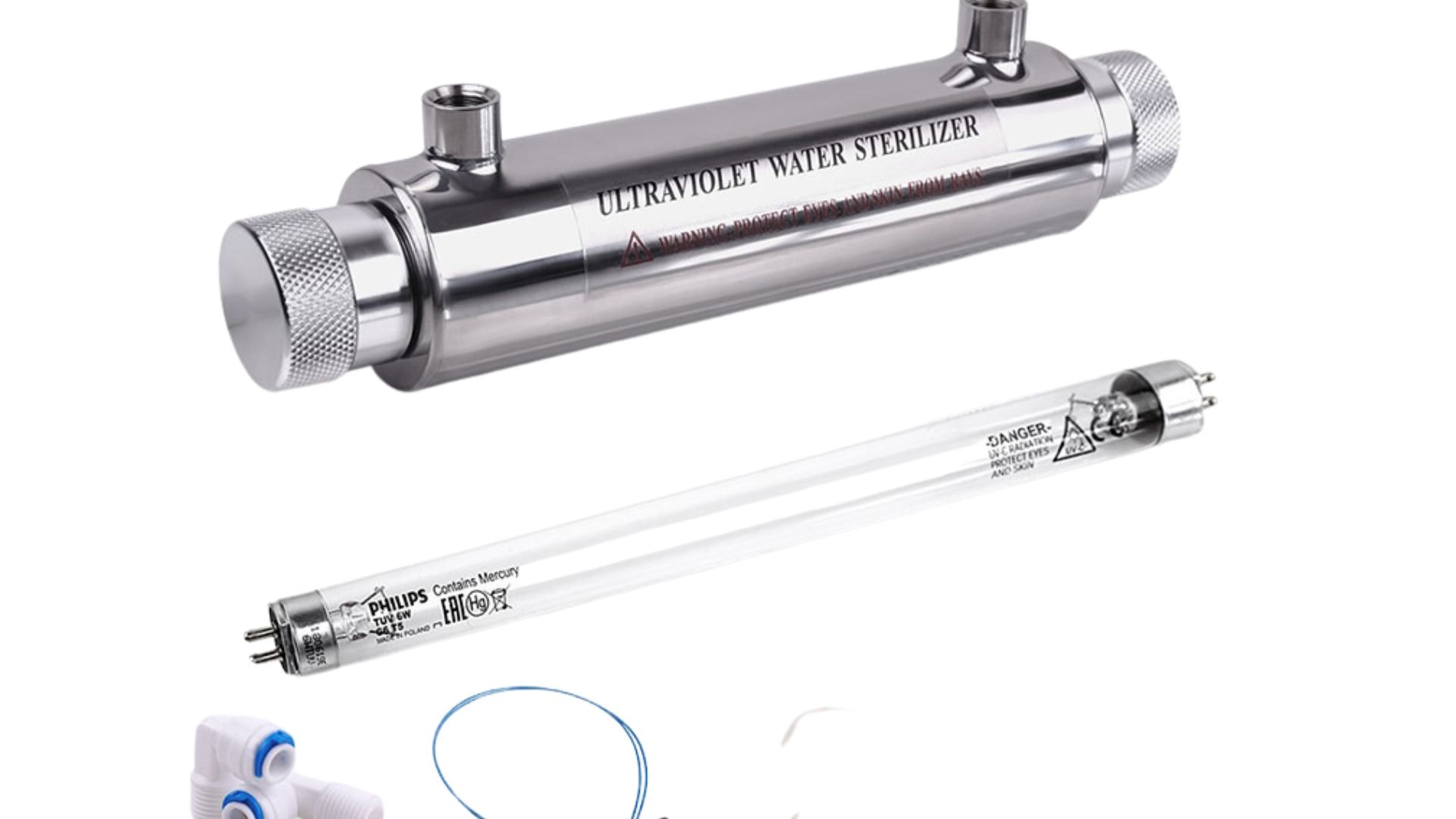
To prevent water contamination, it is important to regularly check its quality and maintain the condition of water installations. It is worth investing in water treatment systems.water, such as treatment stations equipped with UV germicidal lamps. This solution allows for the elimination of microorganisms and ensures safe tap water even in crisis situations.
It's important to remember: If you suspect that water poisoning has occurred, it is crucial not to ignore the symptoms.
Additionally, installing a reverse osmosis system withthe UV lamp for drinking water removes up to 99.99% of all contaminants, which is crucial for the health of the entire family. Thanks to this process, we can be sure that the water we consume daily is free from harmful substances and microorganisms.
Where do water contaminations most often occur?
Water contaminations can occur in various places, but they most often happen where there has been a network failure.water supply, heavy rainfall, floods, or thaws that affect the quality of groundwater. Private wells, which are not regularly monitored, are particularly at risk. Therefore, it is crucial to stay updated with the announcements from the sanitary inspection and local authorities, and in case of doubts, to order a water test.
It is also worth paying attention to industrial areas, where the activities of factories and production plants can lead to water pollution. Regularmonitoring water quality in these areas is crucial for protecting the health of residents.
Frequently Asked Questions (FAQ)
What is contaminated water?
It is water that contains harmful chemical, physical, or biological substances exceeding permissible limits. Such water is not suitable for drinking or use.
What are the main causesWater contamination?
The main causes include leaks in sewage systems, the infiltration of wastewater into groundwater, and industrial and agricultural pollutants (fertilizers, pesticides).
Who is most at risk of water poisoning?
Children, the elderly, and individuals with weakened immune systems are most at risk of water poisoning, as infections can be much more severe in these groups.
Does boiling water remove all contaminants?
Boiling water effectively kills most bacteria and viruses. However, it does not remove chemical contaminants or heavy metals. Therefore, in the case of chemical contamination, more advanced filtration methods are needed.
What to do after consuming contaminated water?
If you suspect poisoning, contact a doctor immediately, avoiddo not consume suspicious water any further and report the issue to the appropriate sanitary services.
How can I prevent water contamination at home?
The best method is to regularly test the water and install reliable purification systems, such as UV germicidal lamps, which eliminate microorganisms.
Author: MaciejWaliduda — a water treatment specialist with many years of experience in the industry, who helps ensure the safety of drinking water for families and communities.
