
- There are no more items in your cart
- Shipping
- Total 0.00 zł



Water treatment methods - what is the best way to treat water?
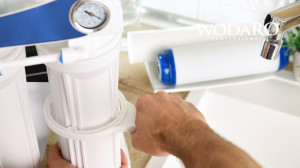
Water is essential for our life, but it is not always clean and safe to drink straight from the tap or well. Water treatment is a process that improves its quality by removing contaminants and harmful substances. In this article, we will present various methods of water treatment, discuss their functioning, and help you choose the best solution for your home.
Last updated: August 26, 2025
In this article, you will learn…
- What is water treatment?
- What are the benefits of water treatment - why is it worth doing?
- What are the most popular methods of water treatment?
- What are the methods of water treatment forWhat is water treatment in the home (tap water)?
- What is water treatment from a well?
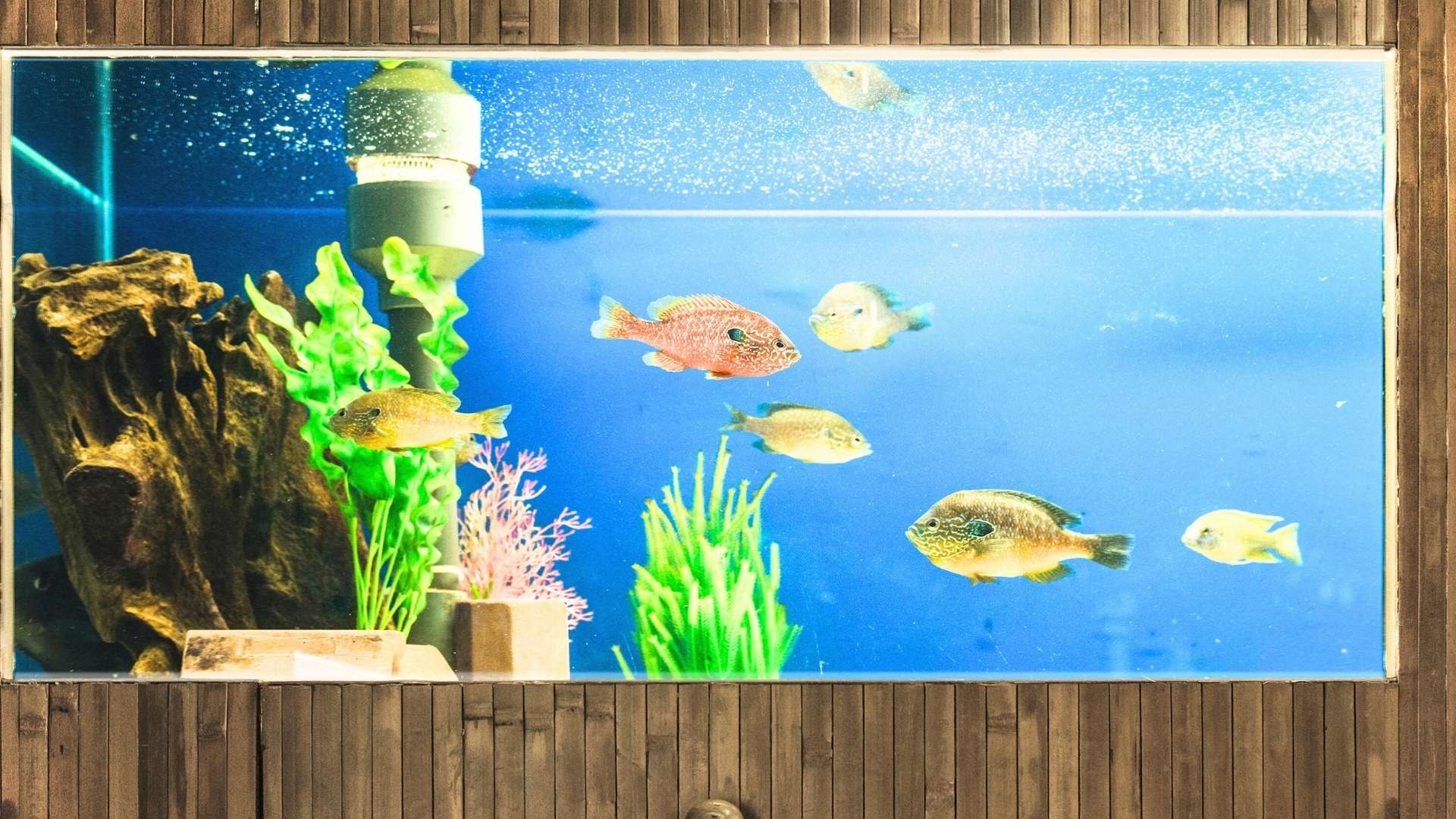
- What is treated water in an aquarium?
- What is the best way to treat water?
What iswater treatment?
Water treatment is a set of physical, chemical, and biological processes aimed at improving water quality to a level suitable for a specific application. These processes remove mechanical contaminants (such as sand or silt), chemical substances (e.g., chlorine), bacteria, and other microorganisms, resulting in clean water that meets the required standards. What does water treatment involve? It involves the application of appropriatetechnologies and devices that eliminate undesirable components and improve its taste, smell, and overall quality. Neglecting this process can lead not only to appliance failures but also to health problems, highlighting how crucial it is for our safety.
Benefits of water treatment - why is it worth doing?
Water treatment brings numerous benefits for our health and household budget.The use of appropriate solutions is an investment that pays off quickly.
- Improvement of water quality and obtaining clean water free from contaminants.
- Elimination of unpleasant odors, which encourages more frequent consumption of tap water.
- Reduction of hard water, which prevents limescale buildup in kettles,washing machines and dishwashers.
- Removal of mechanical contaminants (sand, rust) as well as chemical and biological substances.
- Protection of household appliances from damage caused by hard water, which extends their lifespan.
- Saving money due to lower consumption of detergents, cosmetics, and energy needed towater heating.

The most popular water treatment methods
There are many methods of water treatment used both in homes and in industry. The choice of the appropriate method depends on the quality of the source water and the needs of the user. Below we present the most popular ways of water treatment.
It's worth remembering: There is no onea universal water treatment method that will work in every case. It is crucial to match the technology to the specific needs and quality of the water, which can only be determined after conducting professional tests.
Methods of drinking water treatment
When we think about the best way to treat drinking water, various technologies come to mind. It is essential that drinking water is free from contaminants and hasexcellent taste. Here are the most commonly used methods.
- Water treatment using reverse osmosis – reverse osmosis is one of the most effective methods of treating drinking water. This process involves passing water through a semi-permeable membrane that retains even the smallest particles of salts, bacteria, viruses, and other contaminants, including heavy metals. As a result, we obtain water of very high purity,ideal for consumption.
- Water purification with a flow filter – flow filters are a simpler alternative to reverse osmosis. They most often rely on activated carbon, which removes chlorine, organic compounds, and improves the taste of water. Although they are less efficient and do not remove all contaminants, they still provide an effective answer to the question of how to purify tap water.
Water treatment at home (tap water)
Water from the municipal supply often requires additional filtration to improve its quality. Here are some methods of water treatment that you can apply in your home.
- Water treated by cartridge filters – cartridge filters are solutions with replaceable cartridges that improve the overall quality of water in the home. They remove mechanical impurities,such as sand or rust, and carbon filters additionally reduce chlorine, improving taste and odor.
- Water treated by water softeners – water softening is one of the most effective methods for removing hardness. These devices eliminate calcium and magnesium ions, which are responsible for the formation of scale. It is the best option if the main problem is hard water, as it provides a constant supply of soft water throughout

Water Treatment from Wells
Water from wells may contain various contaminants, so before choosing a treatment method, thorough testing of its composition should be conducted. Only based on the results can the appropriate solution be selected to effectively remove the detected contaminants. Here are some example solutions that may prove effective.
- Multifunctional water treatment stations – these stations use special media that not only soften water but also remove iron, manganese, and other contaminants. They improve water quality comprehensively, making it safe for domestic use.
- UV lamps – with water from your own source, there is a risk of the presence of bacteria and other microorganisms. UV lamps effectively eliminate them.they eliminate by destroying their DNA using ultraviolet radiation, which prevents their reproduction. Installing a UV lamp in conjunction with a treatment station is an excellent solution for well water, providing biological protection.
- Iron-removing cartridge filters – this is a solution that works well for minor exceedances of iron and manganese standards. However, in the case of more serious contamination, it is better to opt forwater treatment stations.
Treated water in the aquarium
Aquaristics requires special care for water. It is crucial to remove any contaminants that could harm fish and plants. Here are methods for treating water for the aquarium.
- Water treated by reverse osmosis – RO filters for aquariums are an excellent wayto obtain water with low levels of contaminants. They remove chlorine, heavy metals, nitrates, and bacteria, which is crucial for the health of fish and plants. Water after such a process has very low contamination values, allowing for precise control of water parameters in the aquarium.
- Internal and external filters – these are devices installed directly in the aquarium or outside of it, which filter the water by removing contaminants.mechanical and organic, while ensuring proper circulation and clarity of the water. They are essential for the proper functioning of the aquarium ecosystem.
What is the best way to treat water?
One of the methods of water treatment that is currently considered the most accurate is reverse osmosis. Its effectiveness in removing almost all types of contaminants, including thoseinvisible, making it unparalleled in the context of obtaining the highest quality drinking water.
In the case of tap water, if the issue is hardness and chlorine, the best option is a water softener combined with a carbon filter. For well water, the optimal choice is a multifunctional station combined with a UV lamp, but its selection should be based on thorough testing. In any case, it is crucial to use the appropriate filter that ensureswater of the highest quality.
It's worth remembering: In the case of tap water, if the problem is hardness and chlorine, the best option is a water softener combined with a carbon filter.
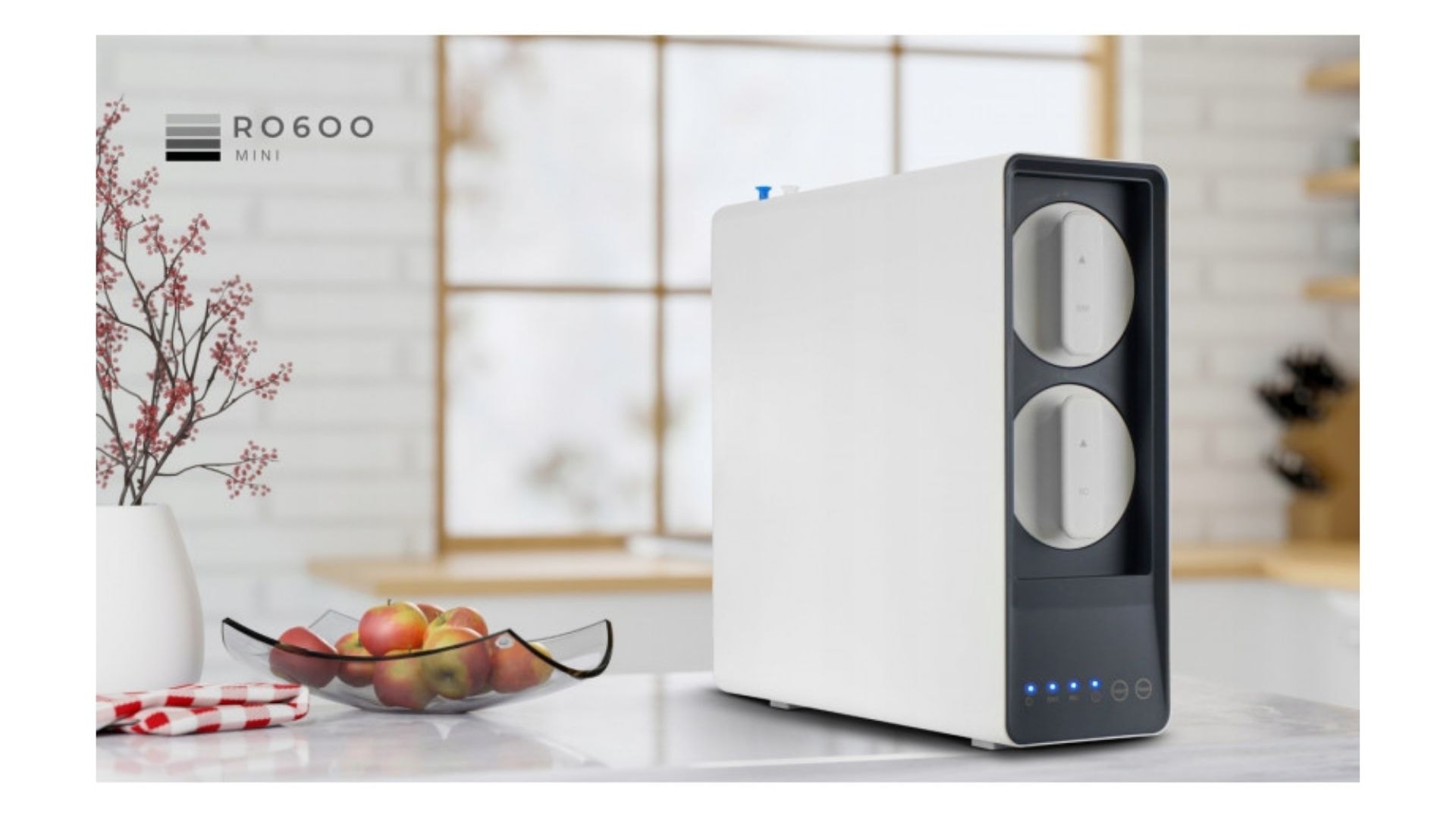
It's also worth paying attention to modern technologies that are emerging in the water treatment market. In recent years, systems based on nanotechnology have been gaining popularity, which promise evenmore effective removal of contaminants. An example can be filters with silver nanoparticles, which not only eliminate bacteria but also neutralize unpleasant odors. Moreover, more and more people are opting for eco-friendly solutions, such as filters made from biodegradable materials that are environmentally friendly.
As technology advances, water treatment methods are also becoming increasingly sophisticated and efficient. It is worth staying up to date withinnovations to fully utilize the potential of available solutions.
Frequently Asked Questions (FAQ)
How to desalinate seawater for drinking?
Desalination of seawater for consumption is possible through a high-efficiency reverse osmosis process that removes salt and other impurities. However, it is a complicated and costly process, mainly used in places wherelimited access to fresh water, such as ships or coastal tourist towns.
What is the cost of a water treatment station?
The cost of a water treatment station can range from 700 PLN to several thousand PLN, depending on the chosen technology, manufacturer, and range of functions. This investment translates into long-term savings and an improvement in quality of life, so it is worth considering it as a cost-effective solution.
What is the difference between a water softener and a water conditioner?
A water softener is a device that has one goal - to eliminate water hardness by removing calcium and magnesium ions. A water conditioner is a much broader term, encompassing devices that, in addition to softening, can remove other contaminants such as iron, manganese, or chlorine. What is better depends on the quality of your water and your individual needs.
How to check if well water is suitable for drinking?
To check its quality, water testing should be conducted in an accredited laboratory. This should include physicochemical parameters (e.g., pH, hardness, iron, manganese, nitrates) and microbiological parameters (presence of bacteria). Based on the results, an appropriate treatment method can be selected.
Can anyone install a water treatment station by themselves?water?
Although some simple filters can be installed by yourself, the installation of advanced treatment stations, such as water softeners or multifunctional stations, should be carried out by a specialist. This ensures the proper functioning of the device and the safety of the entire installation.
How often should water treatment devices be serviced?
The frequency of servicing depends on the type of device. FiltersNarrow and RO systems require regular replacement of cartridges (usually every 6-12 months). Water softeners, on the other hand, require periodic salt replenishment, while their technical service is usually performed once a year.
Author: Maciej Waliduda — a water treatment specialist with many years of experience in the industry and a passion for resource conservation.water.
