- There are no more items in your cart
- Shipping
- Total 0.00 zł



What water to use for an iron and steamer? Choosing the best water for ironing
Are you wondering what water is best for your steamer and iron? Choosing the right water is crucial for effective ironing and the longevity of your equipment. In this article, we will guide you on what to consider when selecting water for ironing, so your clothes always look perfect. You will learn about the types of water available and which ones work best in your iron or steamer.
Lastupdate: August 26, 2025
In this article, you will learn…
- What are the types of water for irons and steamers?
- What is filtered water for an iron?
- What is distilled water for an iron?
- What is waterdemineralized water for the iron?
- What is scented water for a steam iron?
- Which water should you choose for the iron?
- Why should you avoid tap water as ironing water?
- What is something you should not pour into the iron?
- WhatIs this water prepared for the iron?
- What is perfumed and toilet water?
- What is starch?
- What is vinegar?
Water for irons and steamers - types
Choosing the right type of water has a direct impact on qualityirregularities. Below we present different types of water that you can use in your iron or steamer.
Filtered water for the iron
Filtered water for the iron is the most commonly chosen and also the cheapest option. It is particularly recommended to use water from reverse osmosis , which, thanks to an advanced filtration process, is free from mineral salts and many otherpollutants. Using such water:
- Protection against limescale - prevents limescale buildup in the device, which extends its lifespan.
- Better steam quality - steam generators operate more efficiently, making it easier to iron even difficult fabrics.
- Savings - eliminates the need to purchase waterdistilled or special liquids.
The reverse osmosis process involves passing water through an osmotic membrane that retains most impurities and mineral salts. This results in high-purity water, ideal for use in irons and steamers.
Distilled water for irons
Distilled water is water that has undergone the process of distillation, which involves evaporation and condensation,which makes it free from minerals and impurities. Distilled water can be purchased in stores at a low price, but regular purchases may be less cost-effective than using filtered water. Using distilled water in an iron or steamer:
- Prevents limescale buildup - no minerals means no deposits.
- Protects the device - extendsequipment lifespan.
However, it is worth being cautious with products like scented distilled water or chemically demineralized water. They may contain additives that are not recommended by iron manufacturers and can affect the operation of the device.
Demineralized water for the iron
Demineralized water is water from which mineral salt ions have been removed through processes such as ion exchange.deionization. Demineralized water for irons is available in stores and is a good solution for those who want to protect their equipment from limescale buildup. The benefits of using it are:
- No deposits - the elimination of mineral salts prevents limescale formation.
- Safe for devices - it does not contain chemical compounds that coulddamage the iron.
However, similar to distilled water, regularly buying demineralized water may be less economical in the long run.
It's worth remembering: However, similar to distilled water, regularly buying demineralized water may be less economical in the long run.
Scented water for the iron
Scented water for irons is a product designed to give pressed fabrics a sensual fragrance. Although the idea may seem tempting, scented water for irons is not recommended by appliance manufacturers. Fragrance additives and essential oils can:
- Cause buildup of substances on heating elements.
- Clog steam outlets, whichaffects the efficiency of ironing.
- Shortens the lifespan of the device.
For this reason, scented water for irons is not a good choice for those who care about their equipment and the quality of ironing.
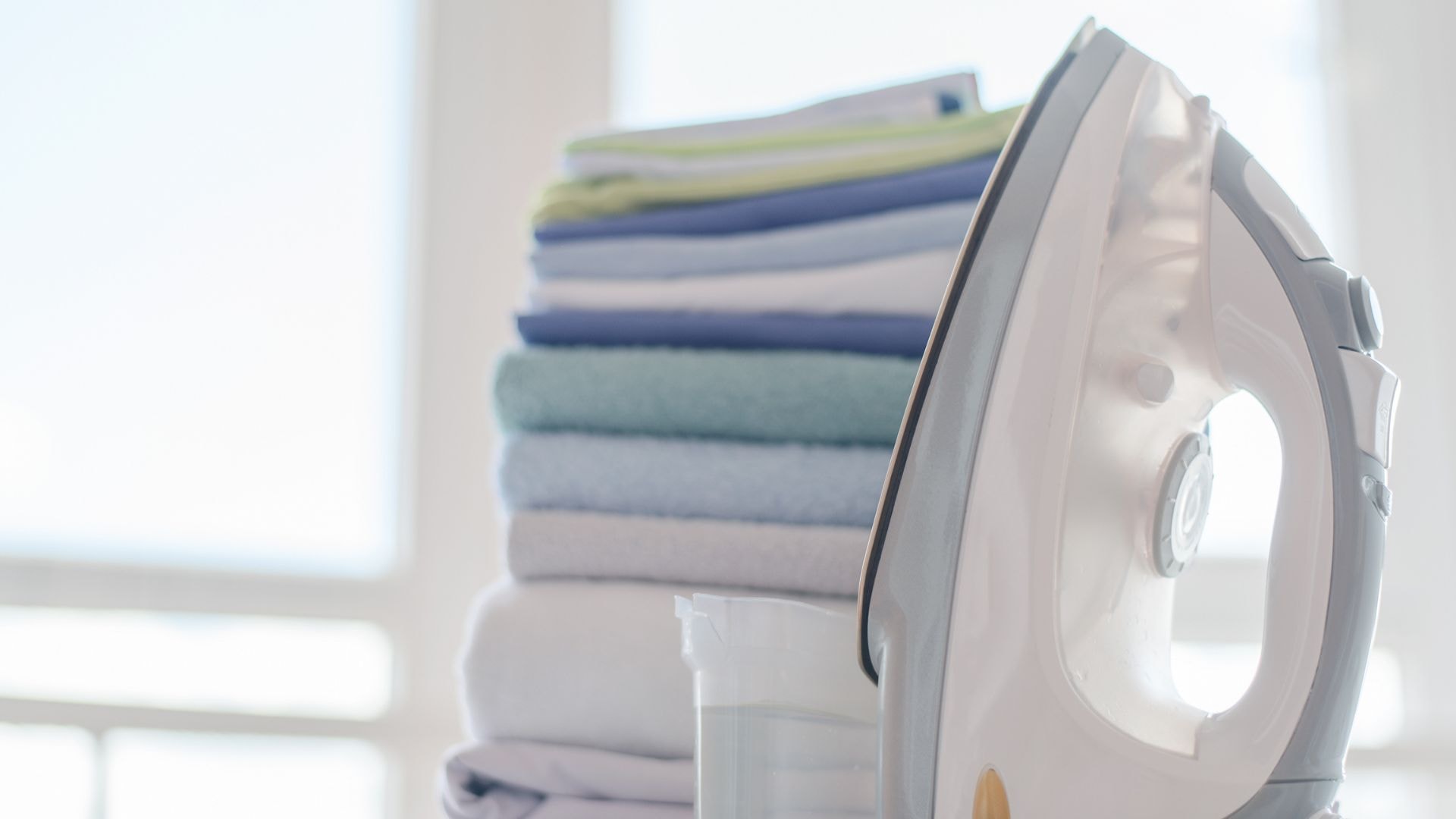
What water should you choose for your iron?
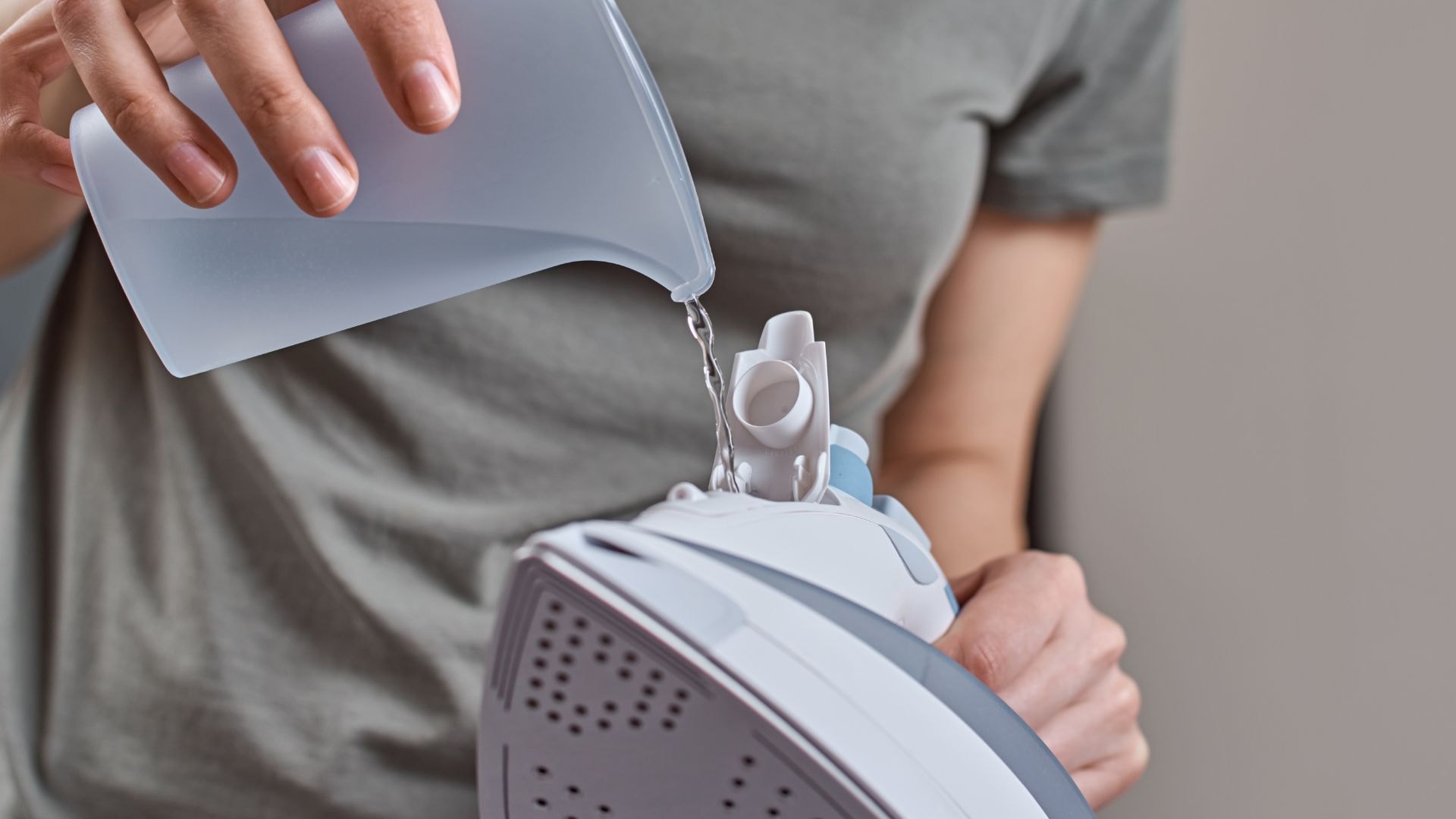
What water for the iron will be the best? Undoubtedlythe best choice is filtered water, especially after reverse osmosis. It ensures purity and lack of minerals, which protects the device and makes ironing easier. Additionally, using such water makes the ironed clothes free from stains and deposits, and you can enjoy the fresh scent of naturally clean fabrics.
Why should tap water be avoided as ironing water?
Although it may be tempting, tap water does notis recommended for use in irons and steamers. Even small amounts of tap water contain large quantities of mineral salts, which, when heated, settle inside the device, forming scale. The effects of using tap water are:
- Reduced steam efficiency - deposits can block steam outlets.
- Shortened lifespan of the iron - scale damagesheating elements.
- Stains on clothes - residues can transfer onto pressed fabrics.
Avoiding tap water is a simple way to extend the lifespan of the iron and maintain high-quality ironing.
What should not be poured into the iron?
Not all liquids are suitable for use in irons and steamers.Below is a list of substances that should definitely be avoided to prevent damage to the equipment and destruction of pressed clothes.
Boiled water for the iron
Boiled water is often mistakenly considered safe. Unfortunately, boiling water does not remove mineral salts; it only eliminates bacteria. Using such water may:
- Cause depositsstone - minerals remain in the water.
- Clog steam channels - which can cause water leakage at the iron's soleplate.
- Damage the device - excess deposits affect the operation of heating elements.
Perfumed and toilet water
Using perfumed or toilet water inthe iron may seem attractive due to its pleasant scent. However, such liquids contain essential oils and alcohols that can:
- Cause the buildup of substances on the iron's components.
- Clog the steam vents.
- Lead to the destruction of fabric fibers - oils can leave stains onin pressed clothes.
Avoid pouring perfumed water into the iron to prevent damage to the equipment and clothing.
Starch
Starch is used to stiffen fabrics, but it should not be poured into the iron. Adding starch to the water in the iron can:
- Clog the outletspary - starch settles in the steam channels.
- Causing uneven pressing - blocked steam outlets affect reduced efficiency.
- Damage the device - deposits can lead to overheating of heating elements.
Vinegar
Vinegar is often recommended as a home remedy.descaling agent, but steam irons are not designed for it. Vinegar can:
- Cause corrosion of metal components - acetic acid acts destructively.
- Lead to the formation of brown stains on clothes - vinegar residues can escape with steam.
- Damage seals and componentsplastic - which shortens the lifespan of the device.
Water from tumble dryers
Water from tumble dryers may seem clean, but in reality, it contains microfibers and impurities from clothes. Using it in an iron can:
It's worth remembering: With reverse osmosis, you can be sure that the water in your home is of the highest quality, and your devicesoperate efficiently for many years.
- Clog steam channels - microfibers settle inside the device.
- Cause stains on pressed clothes - contaminants can transfer onto fabrics.
- Affect the proper functioning of the iron - residues can damage components.Heating.
Ironing aids or descaling agents
Chemical agents that facilitate ironing or remove limescale often contain substances that are not intended for use in irons. Their use may:
- Clog steam vents - chemical additives accumulate in the device.
- Cause corrosion - aggressive ingredients can damage the components of the iron.
- Paradoxically lead to the formation of limescale - some agents react with water, creating deposits.
Advantages of using pure water in steam irons
Using the right water in steam irons and irons brings many benefits:
- Device protection - clean water prevents limescale buildup, which extends the lifespan of the equipment.
- Better ironing quality - the absence of deposits ensures even steam production.
- High level of fabric softening - steam from clean water softens fibers more effectively, making ironing easier.
- No stains - pure water leaves no deposits on clothes.
Water for the steamer should be free from minerals and impurities to ensure the best ironing results.
Reverse osmosis, or the perfect water in your home
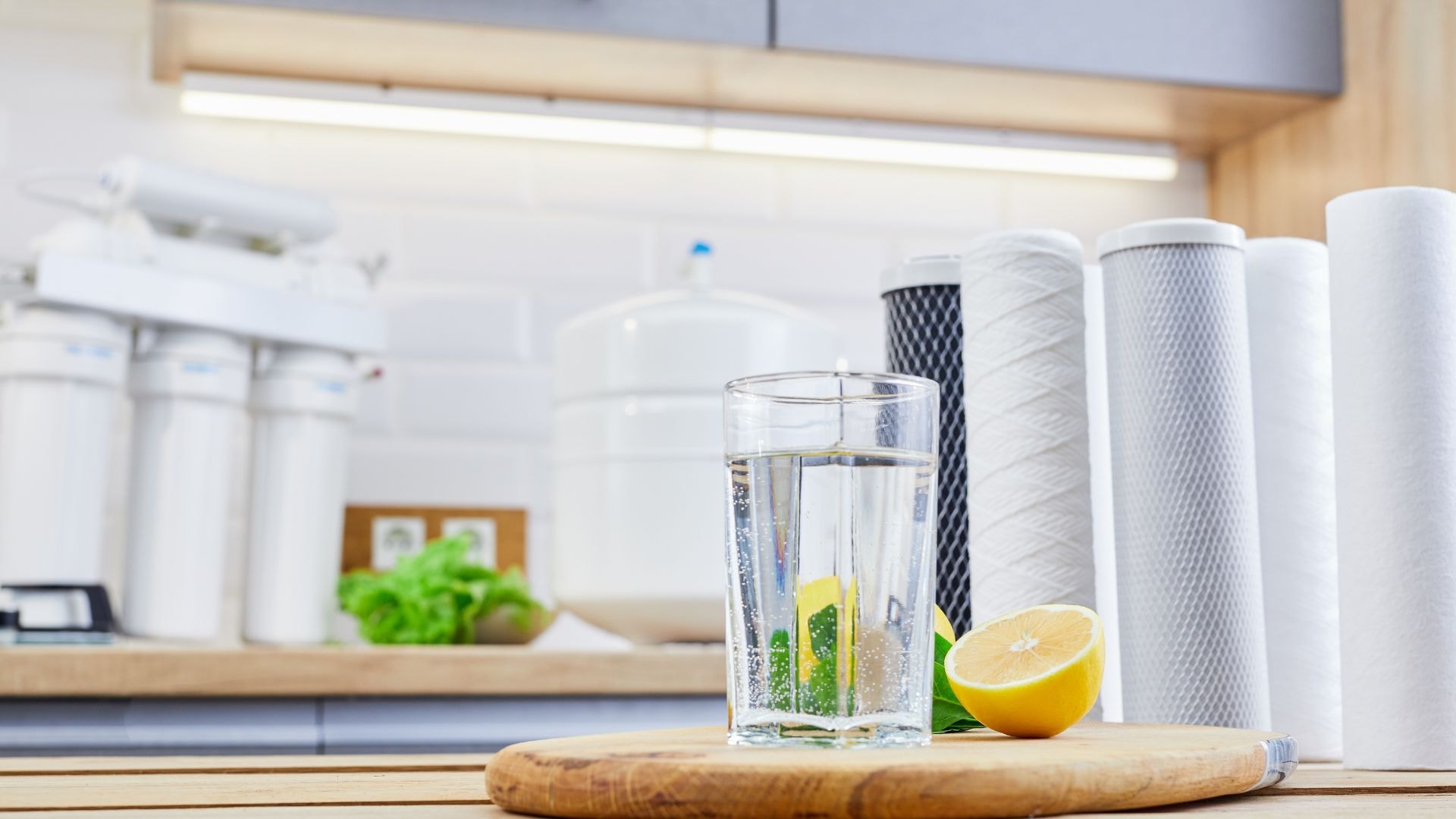
If you're wondering what water to pour into the iron, reverseosmoza is the ideal solution. Reverse osmosis systems are installed in homes, most often under the sink.
- They provide the purest drinking water - free from minerals, bacteria, viruses, microplastics, and other contaminants.
- They protect household appliances - such as irons, kettles, or coffee machines fromthe buildup of scale.
- They are economical - the investment in a filter pays off through savings on bottled water purchases and extending the lifespan of equipment.
Thanks to reverse osmosis, you can be sure that the water in your home is of the highest quality, and your appliances operate efficiently for many years.
Water for irons and steam generators - summary
Choosing the right water for your iron and steam generator is crucial for the quality of ironing and the longevity of the device. The best choice is filtered water, especially from reverse osmosis, which is free from mineral salts and impurities. Avoiding tap water and other unsuitable liquids, such as scented distilled water or perfumed water, will allow you toenjoy efficient equipment and perfectly pressed clothes. Remember that the answer to the question of what water is best for a steam generator is pure, mineral-free water, which will ensure long and trouble-free operation of your devices.
Frequently Asked Questions (FAQ)
What water is best to use for an iron?
It is best to use filtered water, especiallyreverse osmosis.
Can tap water be used in an iron?
No, tap water contains minerals that can cause limescale buildup.
Is distilled water good for an iron?
Yes, distilled water is free of minerals, but buying it regularly may be less cost-effective.
What should not be poured intoirons?
Avoid using boiled water, vinegar, perfumed water, and starch.
What are the benefits of using pure water in an iron?
Pure water prevents limescale buildup, improves ironing quality, and does not leave stains.
Is water from tumble dryers safe to use in an iron?
No, water from tumble dryersmay contain contaminants and microfibers that can damage the device.
Author: Maciej Waliduda — a water treatment specialist with many years of experience in the industry, who helps in selecting the best solutions for water filtration in homes and businesses.
