
- There are no more items in your cart
- Shipping
- Total 0.00 zł



Tow or Teflon? How to wrap tow and Teflon tape
Have you ever wondered which is better for sealing threads: hemp or Teflon tape? In the world of plumbing, these two materials are essential, but which one should you choose to ensure maximum tightness of threaded connections in water or gas installations? In the article below, we will take a closer look at both solutions, their advantages and disadvantages, and we will show you step by step how to properly wrap hemp and Teflon tape.
Lastupdate: August 25, 2025
In this article, you will learn…
- What are hemp and Teflon tape?
- What is hemp?
- What is Teflon tape?
- What is the comparison between hemp and tape?teflon?
- What are the advantages of hemp?
- What are the disadvantages of hemp?
- What are the advantages of Teflon tape?
- What are the disadvantages of Teflon tape?
- When to choose hemp and when to choose tapeTeflon?
- How to properly wind hemp?
- What does preparing the thread involve?
- What is the selection of the right hemp?
Hemp and Teflon tape - basic information
Before you decide which material is right for yousuitability, it is worth understanding what exactly tow and Teflon tape are and what their practical applications are.
What are tow?
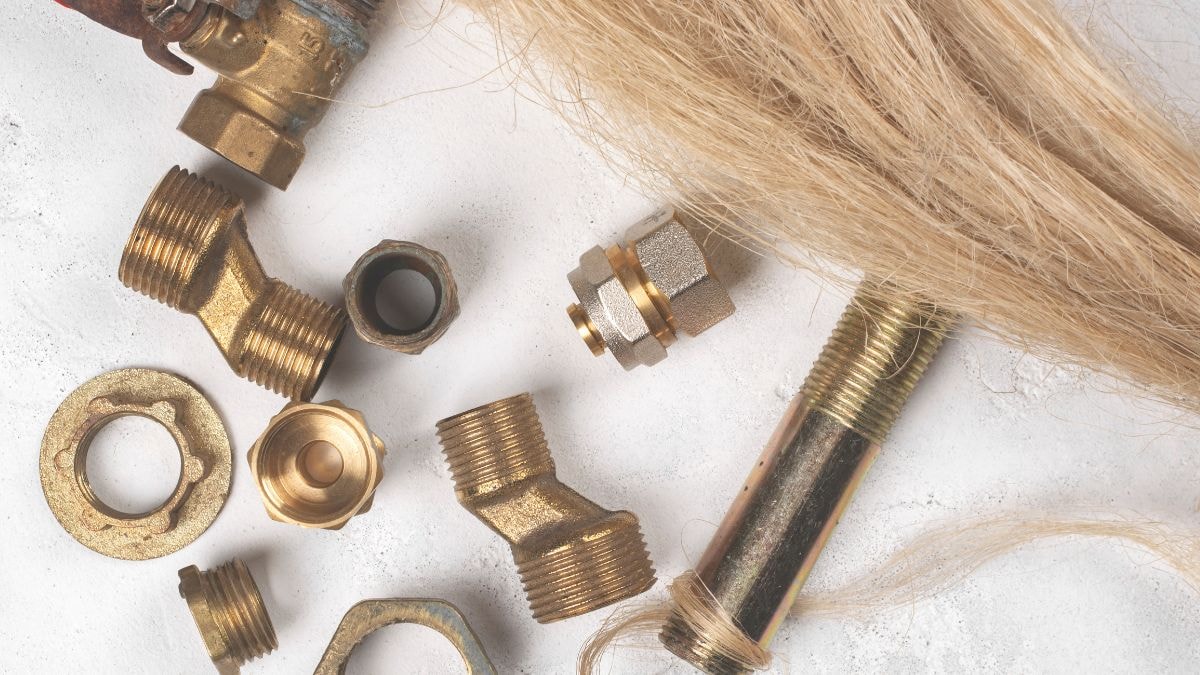
Tow is a natural fiber obtained from hemp. It has been used for centuries in plumbing to seal threads. Due to its unique structure, tow perfectly fills the spaces between the threads, providing a durable and reliable seal. Hemp fiber is characterized by highwith mechanical strength and resistance to water, making it an ideal material for use in water and heating installations.
What is Teflon tape?
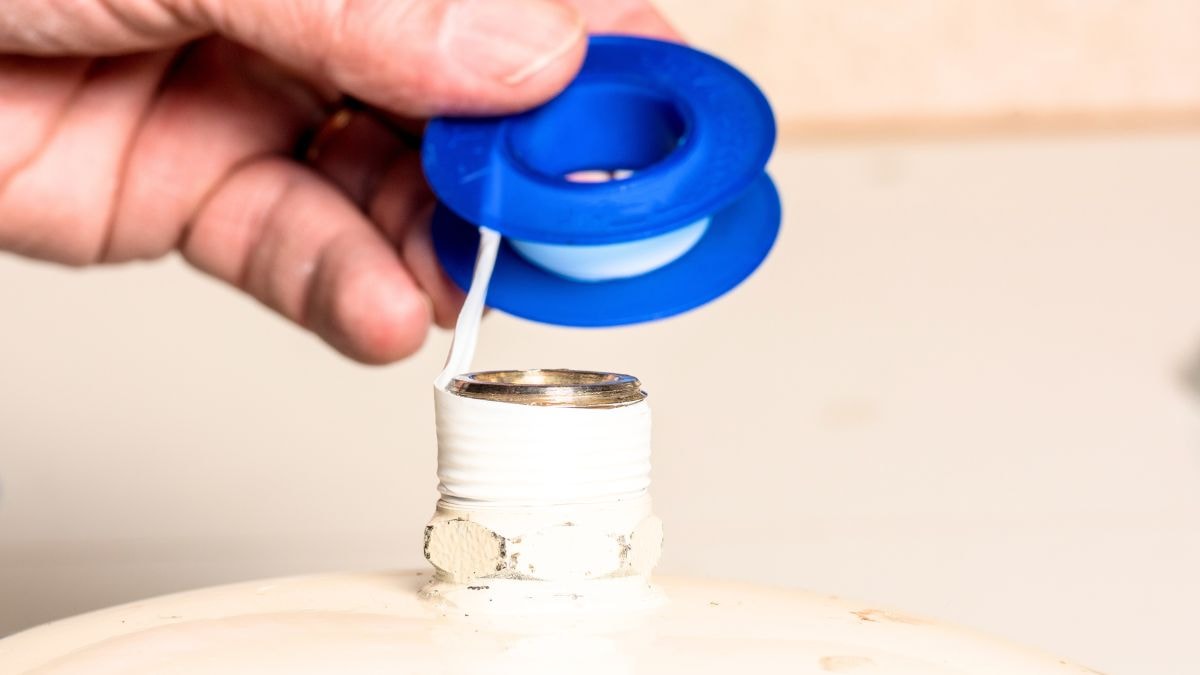
Teflon tape, also known as PTFE (polytetrafluoroethylene), is a synthetic material with exceptional properties. The application of Teflon tape is extremely wide due to its resistance to chemicals, high temperatures, and low friction.Teflon tape is commonly used for sealing threads in various types of installations, including water, gas, and pneumatic systems. Its flexibility and ease of application make it a popular choice among both professionals and amateurs.
Comparison of hemp and Teflon tape
Choosing between hemp and Teflon tape can be difficult, especially when you're not sure which material will be bettermet your needs. In this section, we will compare both solutions in terms of their advantages and disadvantages to help you make an informed decision.
Advantages of hemp:
- Their advantage is excellent sealing ability even on uneven and damaged threads.
- Resistant to high temperatures, making them ideal for use in heating and steam systems.
- Hemp fiber is a natural material, which makes it environmentally friendly.
- Hemp tow is resistant to vibrations and mechanical movements, ensuring that the connection remains tight for a long time.
Disadvantages of hemp tow:
- They are not recommended for connections made from plastics, as they can damage delicate threads.experience; improper technique can lead to leaks.
- They can rot in high humidity conditions if not properly secured.
Advantages of Teflon tape:
- Teflon tapes are extremely easy to use, even for people withoutexperience in hydraulics.
- Resistance to high temperatures and most chemicals makes them versatile in application.
- Excellent for connections with plastics, as they do not damage delicate threads.
- They do not age or degrade under environmental factors.
Disadvantages of the tapeTeflon:
- They may not provide as high a seal as hemp in connections exposed to high mechanical loads.
- Improper winding can lead to leaks or even damage to the connection.
- Teflon tapes are less resistant to vibrations and mechanical movements compared to hemp.
When to choose hemp,and when the Teflon tape?
The decision to choose between hemp and Teflon tape should be based on the type of installation, the specifics of the connection, and the conditions under which it will be used.
- Hemp is recommended for metal installations, especially where high temperatures or high pressures occur. They work perfectly in heating systems, steam systems, and in the case oflarge diameter connections.
- Teflon tape is a better choice for installations with plastics, in small diameter connections, and where a quick and simple application is required. It is indispensable for home repairs, minor plumbing tasks, and water filters.
Sealing threads in installationsWater or gas systems require a proper approach. First and foremost, the manufacturer's requirements for the installation components and the applicable standards and regulations must always be taken into account.
How to properly wind hemp?
Winding hemp is an art that requires precision and patience. Here is a detailed guide to help you perform this task professionally.
Preparationgwintu
- Thread cleaning: Remove any contaminants, rust, or remnants of old sealant. You can use a wire brush or cloth for this.
- Thread scoring: Gently score the surface of the thread with a hacksaw or file. This creates micro-irregularities that increase the grip of the hemp.
- Thread condition check: Make sure that the thread is not damaged. Any defects may affect the tightness of the connection.
Selection of appropriate hemp
- Fiber quality: Choose hemp with long, strong fibers. Avoid broken or contaminated hemp.
- Quantitymaterial: Choose the amount of hemp suitable for the diameter of the pipes. Too little hemp may not ensure tightness, while too much may make it difficult to screw the connection.
- Sealing paste: Although hemp alone is effective, using a special paste will increase the durability and tightness of the connection.
Hemp winding and installation technique
- Winding direction: Always wind the hemp in the direction that matches the twist of the thread, which is clockwise.
- Starting the winding: Start at the beginning of the thread, leaving the first turn free to facilitate the start of twisting.
- Continuing the winding: Wind evenly, covering the entire thread untilto the end of the thread. Make sure that the hemp fibers fit tightly and do not create bulges.
- Application of the paste: Apply a thin layer of sealing paste over the wound hemp fibers. This will provide additional protection against leaks and facilitate tightening.
- Connection assembly: Screw the components together with the appropriate force, avoiding excessive tightening that could damage the thread.
How to properly wrap Teflon tape
Wrapping Teflon tape is simpler than using hemp, but it requires attention to ensure an effective seal.
Preparing the thread
- Cleaning: Make sure the thread is clean and dry. Moisture or contaminants can weaken the tape's adhesion.
- Inspection: Check if the thread is not damaged or worn.
Selection of Teflon tape
- Material quality: It is worth opting for high-quality tape that will not tear easily.
- Thickness and width: Choose tape with the appropriate thickness and width forof the thread diameter. For larger connections, use a wider tape.
Technique for wrapping Teflon tape and installation
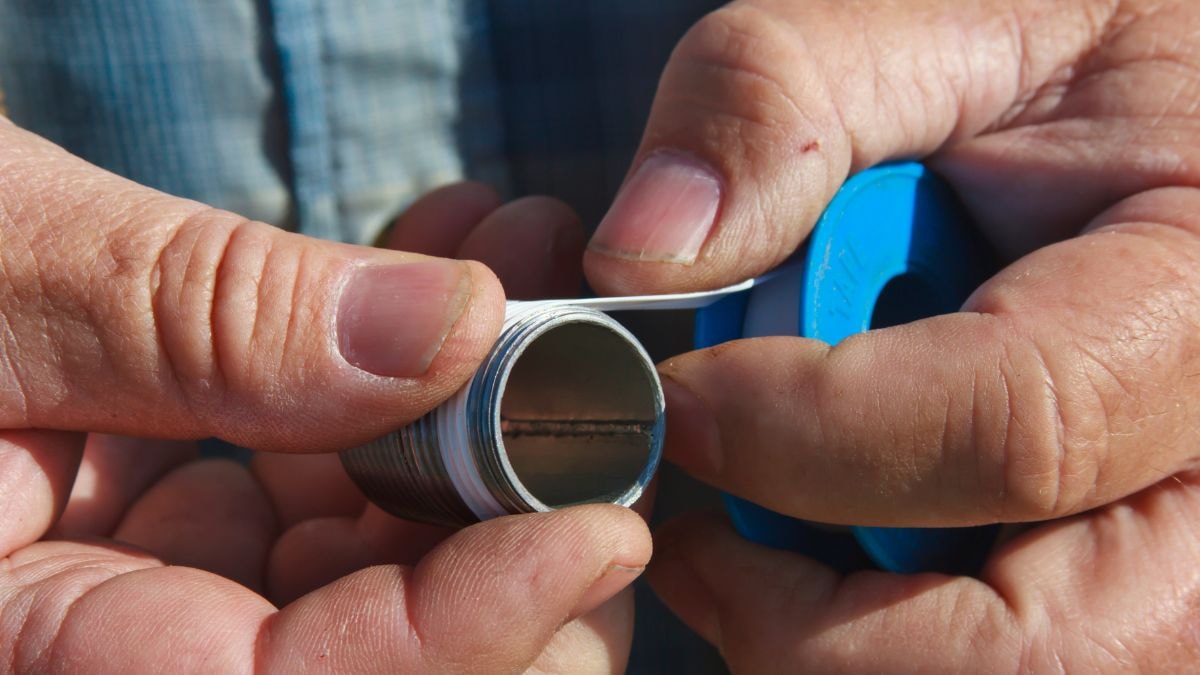
- Direction of wrapping: Wrap the tape in the direction of clockwise rotation, that is, in the direction of tightening the connection.
- Starting: Place the tape at the beginning of the thread, holding itbecome loose.
- Winding: Wrap the tape evenly around the thread, layering each wrap over the previous one. Usually, 3-5 full wraps are sufficient.
- Finishing: Tear off the tape and press its end to adhere it to the surface.
- Installation: Tighten the connection with a firm motion, turning clockwise, so that the tape does not become loose.loosened while tightening.
Common mistakes when sealing threads - how to avoid them?
Even experienced plumbers and installers can make mistakes when sealing a connection. Here is a list of the most common problems and tips on how to avoid them:
- Incorrect winding direction: Winding the materialof sealing in the opposite direction to the thread's twisting leads to its loosening during assembly. Always wrap in the direction of the twist.
- Too much material: Excess packing or tape can lead to the connector or pipe breaking. Use the appropriate amount of material.
- Lack of thread preparation: Skipping the step of cleaning and inspecting the thread increases the riskleakage.
- Inappropriate sealing material: Using hemp on plastic threads can damage them. Choose a material suitable for the type of connection.
- Over-tightening: Excessive force during tightening can lead to damage to the thread or fitting. Tighten with care.
- Ignoring recommendationsproducer: Failure to follow instructions and specifications may result in leaks and failures.
Practical tips for sealing connections
To make the sealing process simpler and more effective, it is advisable to follow the tips below:
- Tools used: Invest in high-quality tools, such as wrenchesadjustable or pliers. They will make your work easier and provide better control over the process.
- Education and practice: Regular training and practice will help you refine your technique. Even experienced plumbers should update their knowledge.
- Safety first: Always turn off the water or gas supply before starting work. Make sure the workplace issafe.
- Connection Testing: After installation, perform a leak test. For water installations, you can use soapy water to detect leaks; for gas installations, specialized equipment is required.

Alternatives to hemp and Teflon tape
In today's plumbing, other materials are also availablesealing materials that can serve as an alternative to traditional hemp and Teflon tapes.
- Sealing threads: These are synthetic fibers coated with a special sealing agent. Easy to use and effective, they are suitable for various types of connections.
- Anaerobic pastes: These are single-component adhesives that harden upon contact with metal in the absence ofair access. They provide high sealing and are resistant to vibrations.
- Liquid sealants: These are special preparations that fill the space between threads, creating a flexible barrier.
- O-ring seals: Mainly used in non-threaded connections, but in some cases, they can replace traditional sealing methods.
The choice of alternative depends on the specifics of the connection, technical requirements, and personal preferences. It is worth experimenting and adapting methods to specific applications.
Pakings or Teflon? - Summary
The decision between packings and Teflon tape is not straightforward and depends on many factors. Packings offer exceptional sealing and are indispensable in metal connections and where hightemperatures and pressures. Teflon tape, on the other hand, is universal, easy to use, and ideal for beginners as well as for connections with plastics.
The key to success is properly sealing the threads, in accordance with best practices and manufacturers' recommendations. Regardless of the chosen method, it is always worth taking the time to prepare and execute the connection thoroughly. Remember that the quality of the work done affects not only the durability of the installation but alsoon the safety of users.
Frequently Asked Questions (FAQ)
What are the differences between hemp and Teflon tape?
Hemp is a natural material that perfectly seals irregularities, while Teflon tape is synthetic, easier to use, and more versatile.
Can hemp be used in installations withuse with plastics?
It is not recommended to use hemp in connections with plastics, as it may damage delicate threads.
What are the advantages of Teflon tape?
Teflon tape is easy to use, resistant to chemicals and high temperatures, and does not damage plastic threads.
Do hemp fibers require special skills toWinding?
Yes, winding hemp requires some skill and experience to ensure a tight seal of the connection.
What are the most common mistakes when sealing threads?
The most common mistakes include incorrect winding direction, too much material, and lack of thread preparation.
What other materials can be used for sealing threads?
Alternatives to hemp and Teflon tape are sealing threads, anaerobic pastes, and liquid sealants.
Author: Maciej Waliduda — a water treatment specialist with many years of experience in the plumbing industry.
