
- There are no more items in your cart
- Shipping
- Total 0.00 zł



Why is water wet? We uncover the secrets of wet water.
Have you ever wondered why water is wet? The wetness of water is a topic that seems obvious, but when we take a closer look, we uncover fascinating mysteries of physics and chemistry. Get ready for a journey into the depths of water molecules, where science meets everyday experience!
Last updated: August 25, 2025
From this article, you will learn...
- Why does water seem wet?
- What makes water wet? How do water molecules influence this state?
- How do we perceive wetness? What role do the senses play in the perception of water?
- What is wet water and what are the different states of matter? Do ice and water vapor alsoare they wet?
- Is ice wet?
- Is water vapor wet?
- What role do temperature and evaporation play?
- Why is water crucial for life on Earth?
- What does the summary consist of? Is water reallywet?
- Why does water seem wet?
- What properties of water cause its wetness?
- Is ice wet?
Why does water seem wet?
What makes us feel wet after immersing our hands in water? Well, water takesthe warmth from our skin, causing a feeling of coolness and moisture. In its liquid state, water has the ability to adhere to surfaces due to its adhesive properties. When a drop of water touches the skin, it creates a thin layer that activates our touch and temperature receptors. This combination of physical interactions and our body's reactions makes water feel wet.
What makes water wet? A scientific look at water molecules
Why is water wet? The key to the answer lies in the water molecules and the cohesive force of water molecules. Water is a chemical compound consisting of two hydrogen atoms and one oxygen atom. This unique structure gives each molecule a positive pole (at the hydrogen atoms) and a negative pole (at the oxygen atom).
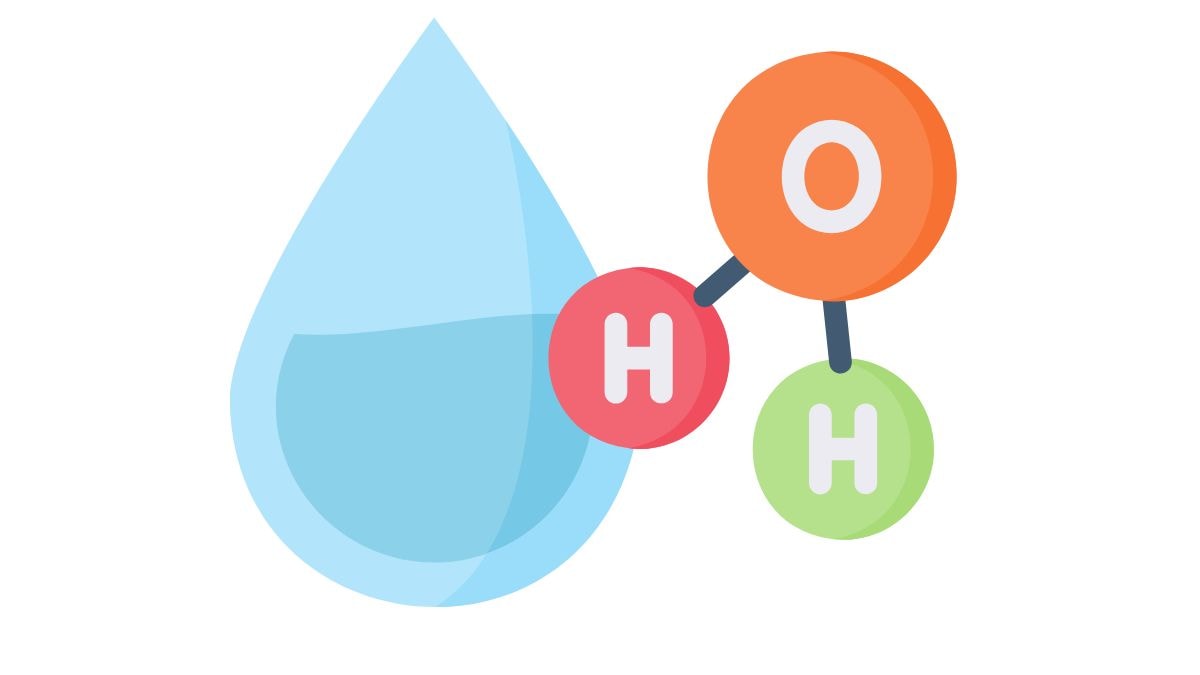
Due to this polarity, water molecules form hydrogen bonds with each other, leading to mutual attraction. It is theseinteractions between water molecules cause high surface tension and the ability of water to wet surfaces. As a result, water not only adheres to objects but also "attracts" other water molecules, enhancing the effect of wetness.
How do we feel wetness? The role of human senses in perceiving water
Have you ever wondered how our body perceives wetness? Our skin is equipped with numerous touch-sensitive receptors andtemperature. When water touches our skin, its molecules penetrate microscopic irregularities, activating sensory receptors. Additionally, water conducts heat better than air, so it dissipates heat from our skin faster, which intensifies the feeling of coolness and moisture. This synergistic action of the physical properties of water and the biology of our body makes us feel wet.
Wet water and different states of matter – are ice and water vapor alsoWet?
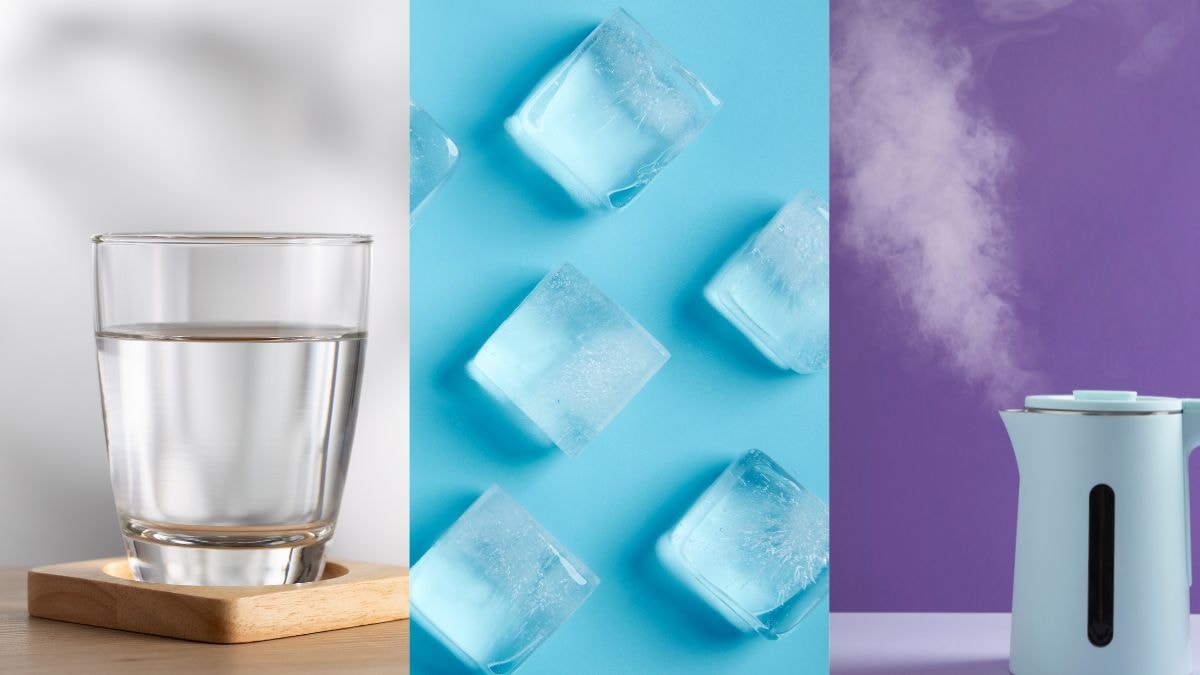
Water exists in three states: liquid, solid (ice), and gas (water vapor). But are all these states "wet"? Let's take a closer look step by step.
Is ice wet?
- Ice is frozen water, meaning water in a solid state.
- Ice itself is not wet because its molecules are tightly packed and do not move freely.
- However, when ice is at a temperature above 0°C, it begins to melt.
- Melting ice creates a thin layer of water on its surface, which can cause a feeling of wetness.
- Thus, ice may seem wet, but only when the phase change from ice to water occurs.
Is water vapor wet?
- Water vapor is water in a statesteam.
- The steam itself is not wet and does not give a feeling of moisture.
- When steam comes into contact with a cooler surface, it condenses, forming droplets of water.
- Only then does the surface become wet.
- Therefore, steam is not wet, but it can cause wetness after condensation.
The role of temperature and
- Warm water evaporates faster than cold water because its molecules have more energy.
- Evaporation requires additional energy, which water absorbs from the environment, most often from the surface of the skin.
- When the temperature of the water is high, water immediately starts to evaporate from the surface of the skin.
- This process causes cooling because the air carries away heat lessmore effective than water.
- Hence the feeling of coolness when the skin dries after contact with water.
Interestingly, hydrophobic materials, such as duck feathers, provide thermal insulation and repel water, which is why they do not feel wet like we do. This all shows how complex and fascinating the interactions between water and different materials are.
Why is waterkey to life on Earth?
Initially, water was essential for the emergence of life on our planet. It is a universal solvent, enabling chemical reactions in living organisms. Winds blow over the oceans, influencing the circulation of water and climate. Underwater evolutionary stories show how life developed in water before it moved onto land.
Water regulates the Earth's temperature, participates in biogeochemical cycles, and isessential for all forms of life. Its unique physical and chemical properties make it the foundation of ecosystems around the world.
Summary - is water really wet?
The conclusion is simple: water is wet because it has such physical properties, this is how we perceive and describe it. On Easter Monday, no one doubts the wetness of water when streams of water are flowing towards us!
Key thought: Wetness is the result of the interaction of its molecules with surfaces and our senses.
Wetness is the result of the interaction of water molecules with surfaces and our senses. By understanding the chemical relationship of water and its properties, we can appreciate how extraordinary a substance water is – the basis of life and a source of everyday experiences.
Now that you know all this, will you look at a glass of water? Perhaps the next time you feel a drop of rain on our skin, you will remember the magical hydrogen bonds and how two hydrogen atoms and one oxygen atom create something so simple yet so essential for our existence.
Frequently Asked Questions (FAQ)
Why does water seem wet?
Water seems wet because itsmolecules adhere to the skin, activating touch and temperature receptors.
What properties of water cause its wetness?
The wetness of water results from its polarity and ability to form hydrogen bonds.
Is ice wet?
Ice is not wet, but it can appear wet when it starts to melt.
Is water vaporwet?
Water vapor itself is not wet, but it can cause wetness upon condensation.
How does temperature affect the feeling of wetness?
Warm water evaporates faster, which causes a feeling of coolness and moisture on the skin.
What are the different states of water?
Water exists in three states: liquid, solid (ice), and gas (vapor)water).
Author: Maciej Waliduda — a water treatment specialist, with experience in research on the properties of water and its impact on life on Earth.
