
- There are no more items in your cart
- Shipping
- Total 0.00 zł



Hydrogen sulfide in water and smelly tap water - what to do?
When you turn on the tap, do you smell an unpleasant odor reminiscent of rotten eggs instead of refreshing water? Such a smell can be not only bothersome but also indicate the presence of hydrogen sulfide in the water. Hydrogen sulfide is a gas that can occur in both well water and water supplied by the municipal network. In this article, we will explain where hydrogen sulfide in water comes from, what dangers it poses, and how to effectively deal with it.get rid of.
Last updated: August 25, 2025
In this article you will learn…
- How is hydrogen sulfide produced and where is it most commonly found?
- What is hydrogen sulfide production by anaerobic bacteria?
- Is hydrogen sulfide inIs hydrogen sulfide harmful in water?
- What does the smell of rotten eggs from the sink and smelly tap water mean?
- How to remove hydrogen sulfide from water? What are the methods for its removal?
- What is the device for removing hydrogen sulfide on mojawoda.com?
- What is the summary regardinghydrogen sulfide?
- What are the symptoms of hydrogen sulfide presence in water?
- Is hydrogen sulfide dangerous to health?
- What are the methods for removing hydrogen sulfide from water?
- Can hydrogen sulfide be removed independently?
- HowHow often should water quality be monitored?
How is hydrogen sulfide formed and where is it most commonly found?
Hydrogen sulfide is a gas with a characteristic unpleasant odor that often appears in natural waters. The formation of hydrogen sulfide is associated with chemical and biological processes occurring in the environment. In deep underground layers, hydrogen sulfide can accumulate as a result ofthe decomposition of organic matter. Hydrogen sulfide in well water is a common problem in areas rich in sulfates and organic matter.
Hydrogen sulfide in the home can also occur as a result of chemical reactions taking place in plumbing systems, especially if materials prone to corrosion are used. Is your plumbing system properly protected against such processes? Regular maintenance can prevent problems.related to hydrogen sulfide.
Production of hydrogen sulfide by anaerobic bacteria
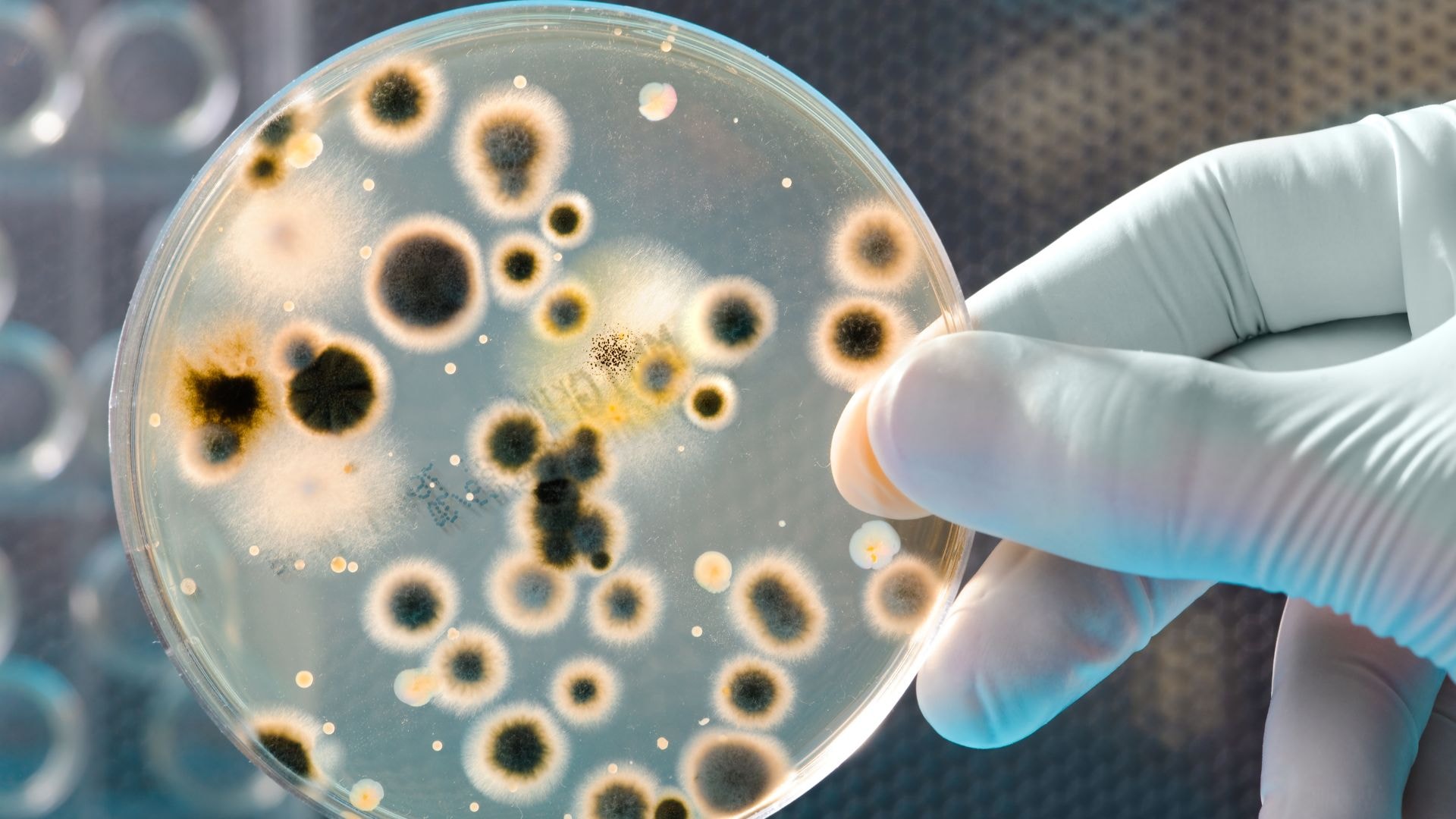
In anaerobic conditions, meaning in the absence of oxygen, many anaerobic bacteria begin to develop in the water. These microorganisms are responsible for the microbiological contamination of water, which leads to the formation of hydrogen sulfide. This process involves the microbiological conversion of sulfates present in the water to hydrogen sulfide.
The decomposition of organic matter under anaerobic conditions promotes the formation of hydrogen sulfide. Organic matter can come from various sources, such as fallen leaves, sediments, or other organic debris. Is your well properly secured against the ingress of organic material? Regular maintenance can prevent problems related to hydrogen sulfide.
Is hydrogen sulfide in the waterharmful?
Hydrogen sulfide, a combination of sulfur and hydrogen, does not pose a direct health threat at low concentrations. However, its presence in water can have negative effects on both users and water infrastructure.
Hydrogen sulfide has strong corrosive properties, which can lead to damage to pipes, fittings, and household appliances such as washing machines ordishwashers.
Have you ever wondered why your new kitchen fixtures quickly lose their shine or develop spots? It may be the result of hydrogen sulfide acting on the metal components of the installation.
The smell of rotten eggs from the sink and smelly tap water
The smell of rotten eggs in the house is often the first and most noticeable symptom of the presence of hydrogen sulfide in the water. Hydrogen sulfide has a veryintense and hard to miss.
Hot water smells like sewage, especially when hydrogen sulfide is released in warm water during heating. In water heaters and hot water tanks, this gas becomes more volatile, which amplifies its odor.
Not only the smell of the water but also its taste can be unpleasant, affecting the comfort of its use. The smell of hydrogen sulfide can permeate food, coffee, or tea, which isespecially burdensome for household members and guests.

How to remove hydrogen sulfide from water? Methods for removing hydrogen sulfide from water.
Removing hydrogen sulfide from water is possible through the use of appropriate treatment technologies. One effective solution is the use of water de-manganizer, which removes not only sulfur compounds but also iron and manganese. A water treatment station isa comprehensive solution that improves water parameters throughout the home.
A water aerator is another effective method that involves introducing air into the water. The aeration process causes the oxidation of hydrogen sulfide, leading to its removal. It is worth noting the presence of ammonium ions in the water, which can affect the effectiveness of some treatment methods and may require additional purification.
Keythought: The decomposition of organic matter under anaerobic conditions promotes the formation of hydrogen sulfide.
Devices for removing hydrogen sulfide at mojawoda.com
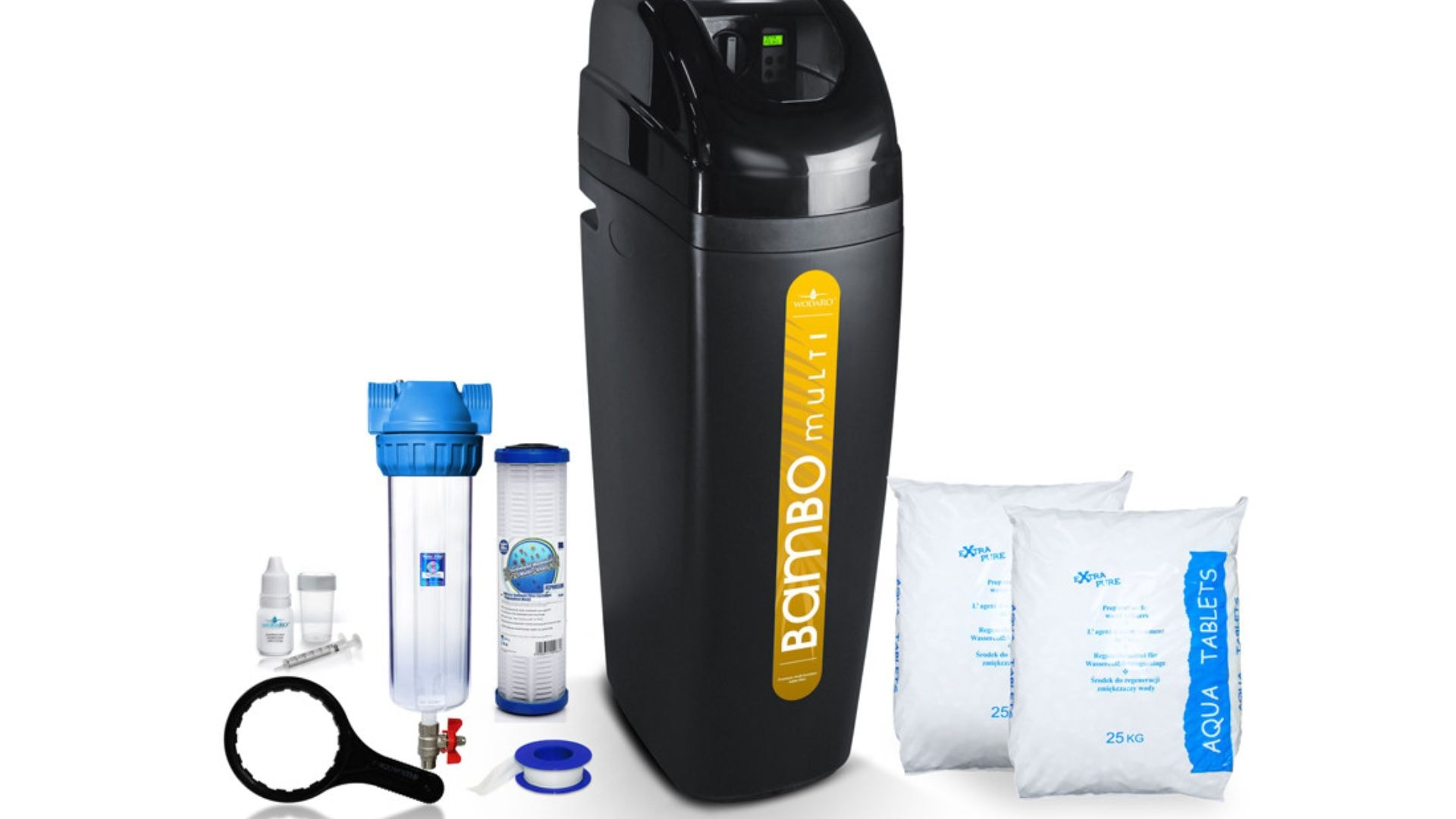
In our company, we offer modern solutions for aerating water with a built-in compressed air chamber and a water de-manganizer for every budget. With them, you can enjoy the proper smell of water and its excellent quality. Our devices are designedto effectively remove hydrogen sulfide and other contaminants, ensuring you have clean and safe water in your home.
By working with us, you can count on professional advice and support in selecting the right treatment system. Our goal is to provide you with clean, safe, and great-tasting water in your home.
Hydrogen Sulfide – Summary
In the case of water containinghydrogen sulfide, the characteristic smell of rotten eggs is not only unpleasant but can also indicate more serious water quality issues. A lot can be said about water quality based on its smell, and the presence of hydrogen sulfide may indicate more serious contamination.
Not only is the smell of hydrogen sulfide bothersome, but so is its impact on plumbing systems and the health of household members. Sulfuric acid, formed from the oxidation of hydrogen sulfide, can acceleratecorrosion of pipes and equipment. That is why it is so important to use appropriate water treatment methods.
Don't let hydrogen sulfide ruin your comfort of living. Take care of your health and your family's by choosing proven solutions.
Frequently Asked Questions (FAQ)
What are the symptoms of hydrogen sulfide presence in water?
Symptoms include primarilyan unpleasant smell of rotten eggs and possible changes in the taste of water.
Is hydrogen sulfide dangerous to health?
At high concentrations, hydrogen sulfide can be harmful, especially to children and the elderly.
What are the methods for removing hydrogen sulfide from water?
Effective methods include aerating the water and using manganese removers.
Can hydrogen sulfide be removed on your own?
In the case of low concentrations, simple methods can be attempted, but for significant issues, it is recommended to seek the services of specialists.
How often should water quality be tested?
It is recommended to regularly test the water, at least once a year, to detect any potential contaminants.
Can you drink water fromHydrogen sulfide?
No, water with high concentrations of hydrogen sulfide is not safe to drink and should be treated.
Author: Maciej Waliduda — a water treatment specialist with many years of experience in the industry, who helps in selecting appropriate solutions for water quality in homes and businesses.
