
- There are no more items in your cart
- Shipping
- Total 0.00 zł



E. coli bacteria (Escherichia coli, colon bacillus) - symptoms, treatment, removal
Have you ever wondered what lies behind the mysterious name Escherichia coli? It's not just a complicated term, but above all, an important topic for our health. In this article, we will take a closer look at E. coli bacteria, their impact on our bodies, and ways to prevent and treat infections. Get ready for a fascinating journey into the world of microorganisms!
Last updated: August 252025
In this article, you will learn…
- What is E. coli bacteria (Escherichia coli, coliform bacilli)?
- How can you get infected with E. coli bacteria?
- What does consuming contaminated food involve?
- What iscontact with contaminated water?
- What is direct contact with an infected person?
- What is contact with farm animals?
- What is infection with E. coli bacteria in water?
- What are examples oflife?
- What are the symptoms of E. coli infection?
- What does the treatment for E. coli infection look like?
- What is the course of the infection?
- What are the treatment methods?
What is E. coli bacteria?(Escherichia coli, coliform bacilli)?
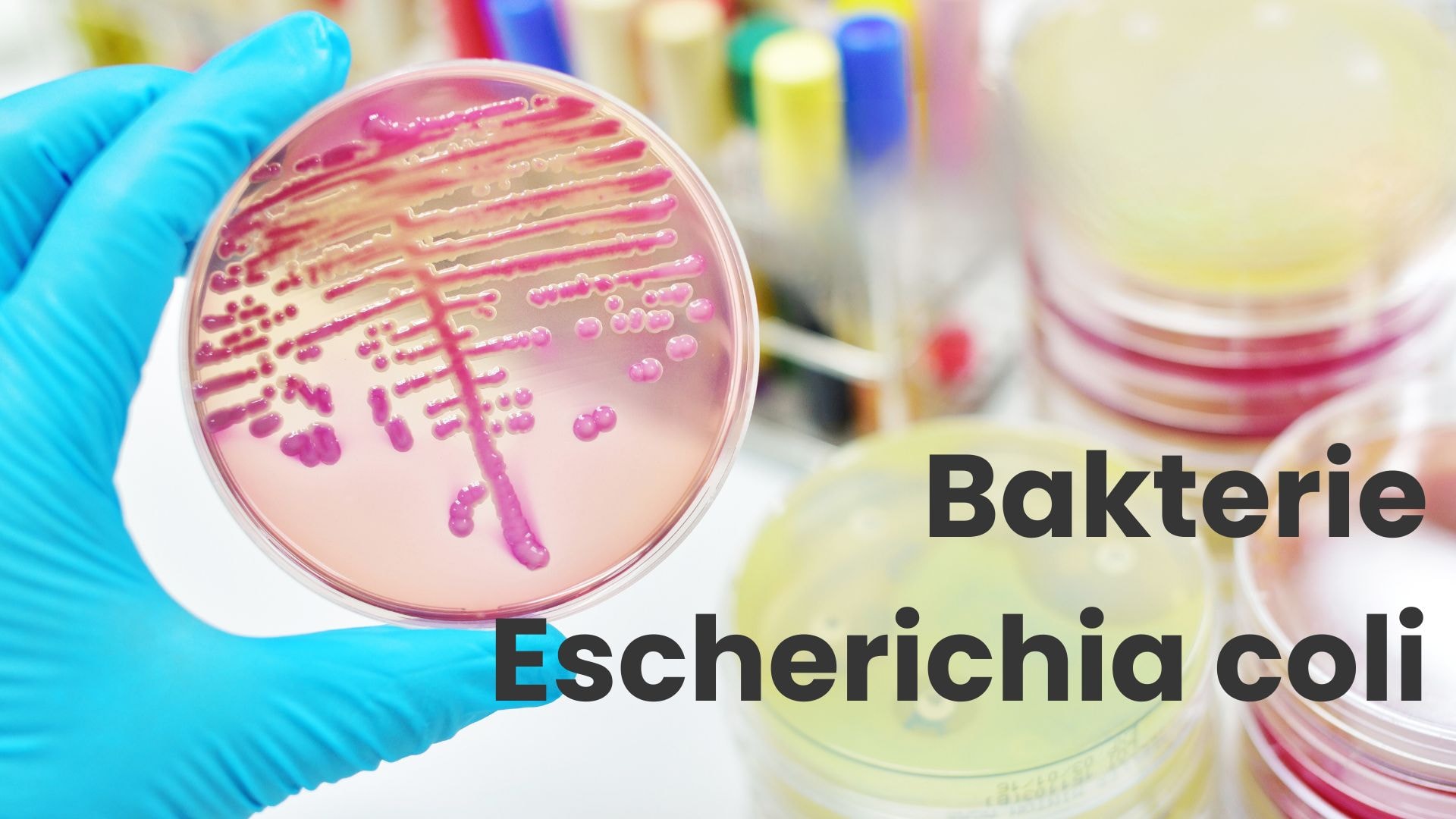
E. coli bacteria, or Escherichia coli, are gram-negative bacilli that naturally occur in the gastrointestinal tract of the human body and many animals. Most strains of these bacteria are harmless and play important roles in digestive processes. They assist in the synthesis of B and K vitamins and inhibit the growth of harmful microorganisms.
However, not all strainsE. coli are friendly. Pathogenic strains of Escherichia coli can cause serious diseases such as diarrhea, urinary tract infections, or even sepsis. These dangerous variants are capable of producing toxins that damage the cells of the intestinal epithelium and other organs.
We distinguish several groups of pathogenic E. coli.
- Enterotoxigenic E. coli (ETEC) - causetraveling diarrhea.
- Enterohemorrhagic E. coli (EHEC) - can lead to hemorrhagic colitis.
- Enteroinvasive E. coli (EIEC) - cause symptoms similar to dysentery.
Understanding these strains is crucial for comprehending how E. coli bacteria affect our health.
How can one get infected with E. coli bacteria?
Infection with Escherichia coli can occur in various ways. Here are the most common causes:
Consumption of contaminated food
- Unpasteurized milk and dairy products.
- Raw or undercooked meat, especially beef.
- Improperly washed fruits andvegetables.
Contact with contaminated water
- Water with E. coli bacteria can be a source of infection during bathing or drinking.
- Using contaminated water for washing dishes or preparing meals.
Direct contact with an infected person
- Improper hand hygiene after using the toilet.
- Contact with the secretions of an ill person.
Contact with farm animals
- Especially when working on farms or in slaughterhouses.
It is important to pay special attention to infection with the bacillus. through water, which we will discuss in the next point.
Infection with E. coli bacteria in water
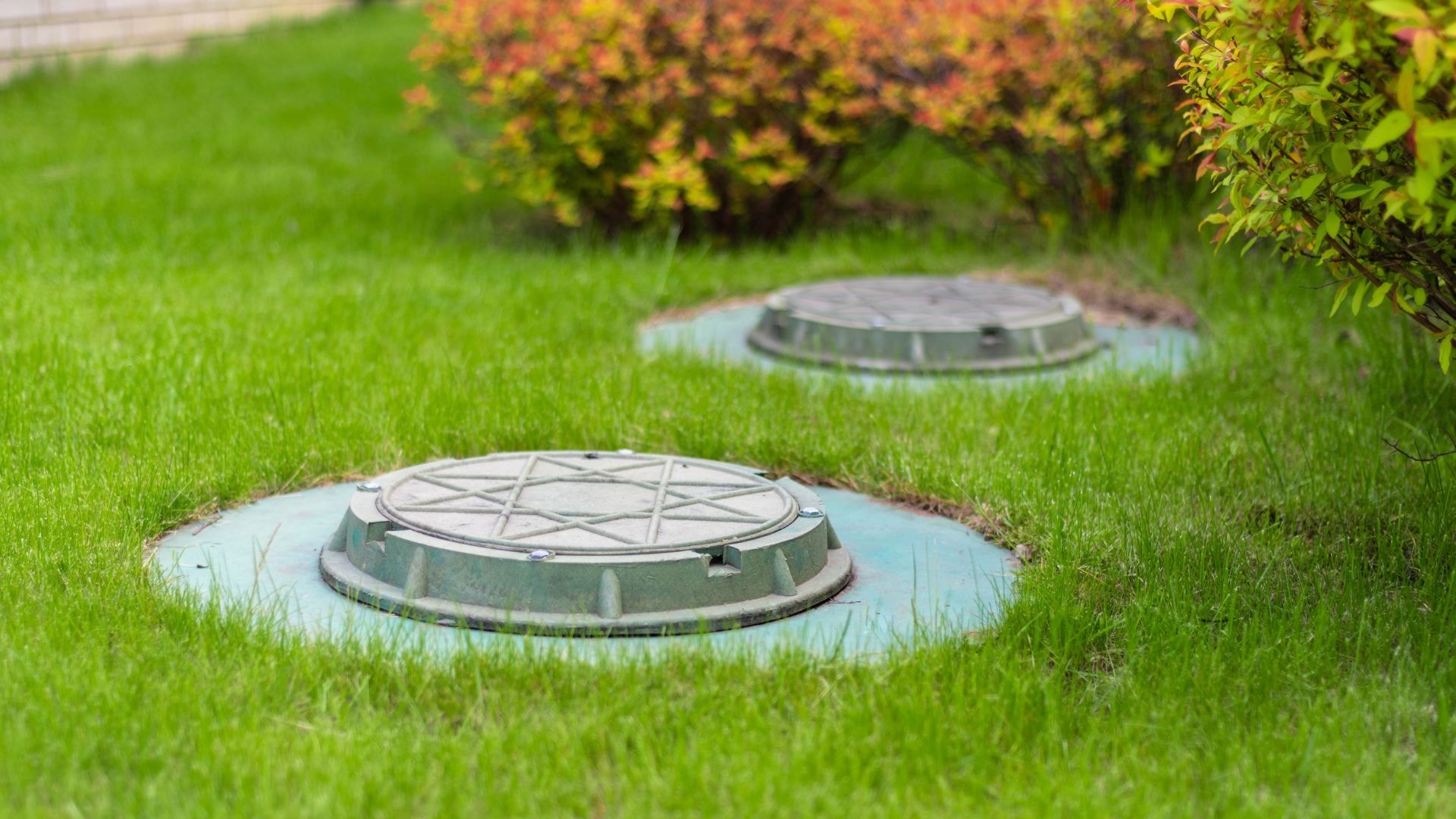
Water with E. coli bacteria poses a significant public health threat, especially in areas with inadequate water and sewage infrastructure. E. coli bacteria enter the water mainly through fecal contamination, such as leaking septic tanks or inadequately treated sewage.Other sources include agriculture, where natural fertilizers and animal husbandry can cause surface water pollution, and bathing areas, where the lack of proper sanitation promotes the spread of bacteria.
Why is the presence of E. coli bacteria in water dangerous?
- Gastrointestinal infection - consuming contaminated water can lead topolar, vomiting, and abdominal pain.
- Food contamination - using contaminated water for cooking can transfer bacteria to food.
- Risk for individuals with weakened immune systems - skin contact with contaminated water can cause infections.
Have you ever wondered how to protect yourself from this invisiblean enemy in your home water? One of the most effective solutions is the installation of UV lamps at the water entry point into the building. UV lamps eliminate E. coli bacteria and other microorganisms, ensuring safe water for the whole family.
A real-life example
Imagine a small village where most residents use their own wells. After heavy rainfall, several people begin to complain aboutsymptoms of food poisoning. It turns out that the water in the wells has been contaminated with E. coli bacteria from a nearby overflowing septic tank. If water treatment systems, such as UV lamps, had been installed earlier, this situation could have been avoided.
What are the symptoms of E. coli infection?
Are you wondering if the symptoms you are experiencing could be caused by E. coli bacteria? Here are the most commonsymptoms of E. coli bacteria:
- Diarrhea - often watery, may contain blood.
- Abdominal pain and cramps - worsening before bowel movements.
- Nausea and vomiting - can lead to dehydration.
- Fever - usually moderate, but can be high.
- Weakness and fatigue - as a result of fluid and electrolyte loss.
Symptoms of E. coli bacteria can vary depending on the strain and site of infection. As a result of infection with the coliform bacillus, the following may also occur:
It's worth remembering: The presence of E. coli bacteria in water isdangerous and requires appropriate preventive measures.
- Diarrhea caused by EHEC leading to hemolytic-uremic syndrome.
- Urinary tract infection manifested by pain during urination.
If you notice these symptoms, do not hesitate to visit a doctor. Early diagnosis and treatment are crucial for a quick recovery!
How does the treatment for E. coli infection look like?
Are you wondering if E. coli bacteria is treatable? Good news: in most cases, yes! Treatment depends on the type of infection and its severity.
Course of the infection:
- The first symptoms usually appear 1 to 10 days afterinfection.
- Acute phase lasts from a few days to a week.
- Recovery can take from a few days to several weeks, depending on complications.
Treatment methods:
- Antibiotic therapy - used in severe infections,such as urinary tract infections or sepsis.
- Hydration - in the case of diarrhea, it is important to replenish fluids and electrolytes.
- Symptomatic treatment - pain relievers and antipyretics.
- Hospitalization - in severe cases, e.g., with meningitis.
Remember that self-medication, especially with antibiotics, can be dangerous. Always consult a doctor if you suspect an E. coli infection.
Preventing infections and eliminating E. coli bacteria
Preventing E. coli infections is crucial for health protection. What can we do to minimize the risk?
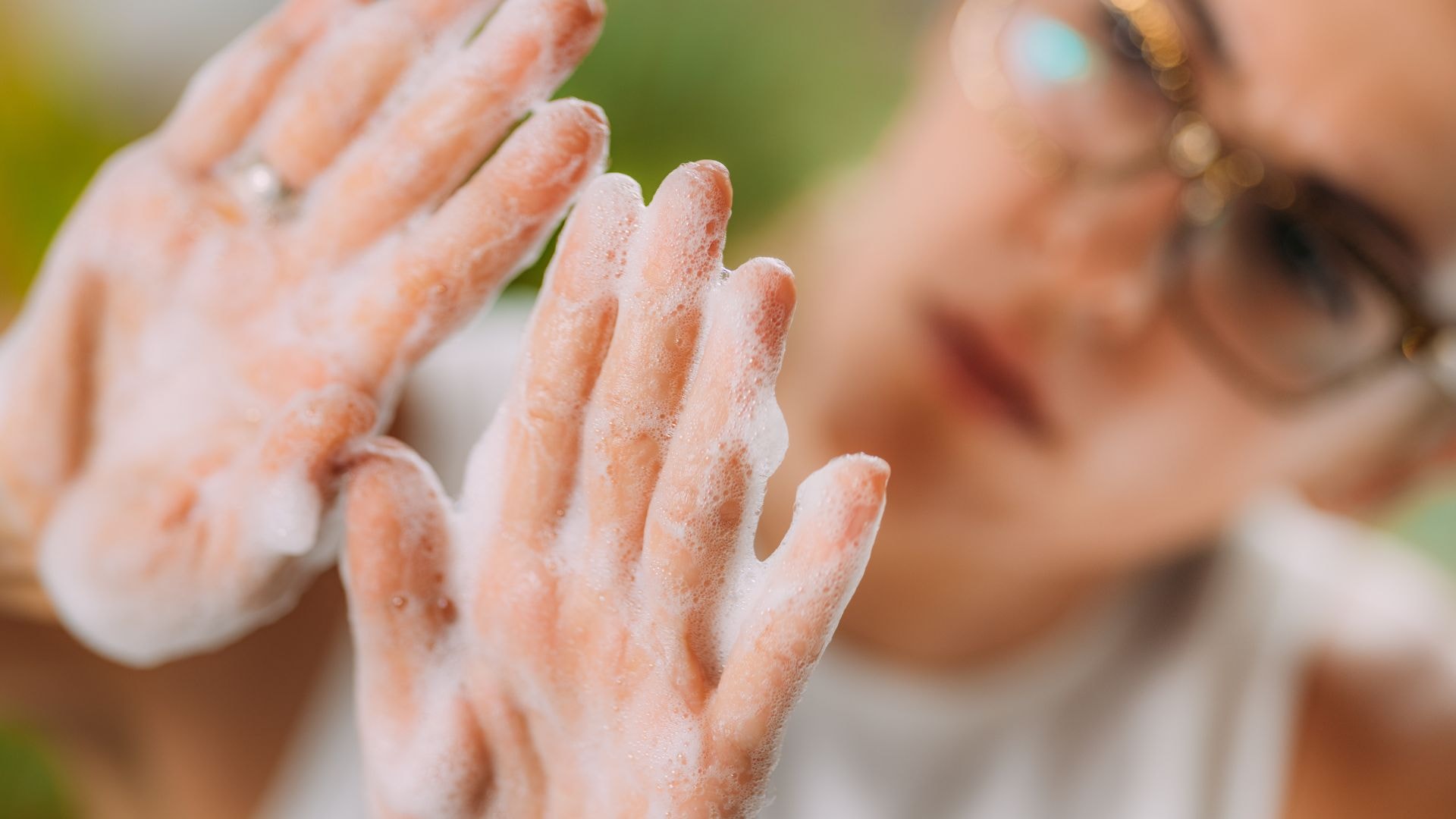
- Personal hygiene - regular hand washing with soap and water, especially after using the toilet and before meals.
- Safe food preparation - thoroughly washing fruits and vegetables, cooking meat to the appropriate temperature, and avoiding raw milk and unpasteurized dairy products.
- Taking care of intimate hygiene - inas part of the prevention of urinary tract infections.
- Using clean water - drinking and using only water from safe sources or boiling water.
- Avoiding contact with sick individuals - especially important in high-risk infection areas.
Following these guidelines will help protect us from unpleasant consequences.infections.
E. coli bacteria in water - how to remove it from water?
If you have concerns about the quality of water in your home, it's worth investing in effective solutions. E. coli bacteria in water can be eliminated using modern technologies.
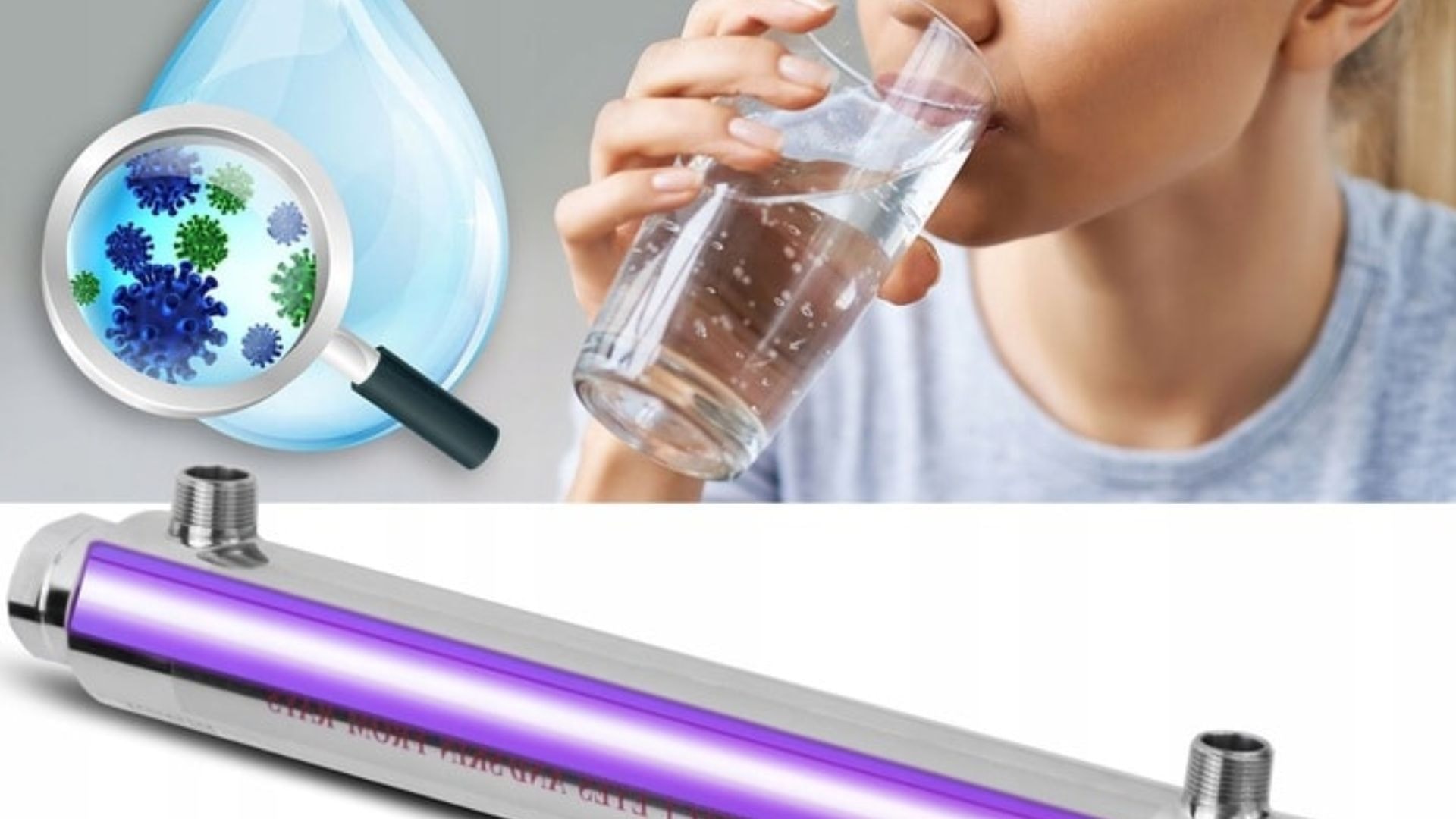
UV lamps are one of the most reliable solutions. Installing a UV lamp at the water entry point into the building ensures complete safety and eliminates not only E. coli bacteria.coli, but also other microorganisms.
How do UV lamps work?
UV radiation damages the DNA of microorganisms, preventing them from reproducing and causing their death. In addition, they provide:
- Safety - does not introduce any chemicals into the water.
- Easemaintenance - only requires regular UV bulb replacement.
By investing in a UV lamp, you protect the health of yourself and your loved ones, ensuring peace of mind and avoiding costs associated with treating infections.
Frequently Asked Questions about E. coli Bacteria
We understand that the topic of E. coli bacteria can raise many questions. Below we answer thoseFrequently Asked Questions.
Is Escherichia coli bacteria very dangerous?
Escherichia coli is a bacterium with two faces. Most strains are harmless, but some can be very dangerous. Pathogenic strains can lead to serious illnesses, such as meningitis in newborns or hemolytic-uremic syndrome. Therefore, it is important to quickly recognize and treat infections.
Where is the Escherichia coli bacteria most commonly contracted?
Infection with E. coli bacteria most often occurs through:
- Consumption of contaminated food.
- Drinking or contact with contaminated water.
- Direct contact with an infected person.
- Contact with farm animals.
Maintaining hygiene and safely preparing meals is key to minimizing risk.
Is it safe to bathe in water with E. coli bacteria?
Bathing in water with E. coli bacteria carries a risk of infection, especially if the water enters the mouth, nose, urinary bladder, or eyes. Although infection of the urinary tracturinary infections usually do not occur solely from bathing, individuals with weakened immune systems should avoid such water. It is recommended to use only bathing areas with verified water quality.
Is showering in water with E.coli bacteria safe?
When showering in water contaminated with E.coli bacteria, there is still a risk of infection. Although contact with the water is shorter than during bathing, it stillthere is a possibility of exposure to bacteria, especially if water comes into contact with mucous membranes or minor skin injuries. Therefore, it is recommended to avoid using the shower if the water is contaminated.
Do E.coli bacteria die at high temperatures?
E.coli bacteria are sensitive to high temperatures and die when water is boiled – a temperature above 70°C maintained for at least 2 minutesit effectively eliminates them. However, the water temperature during a bath or shower is usually too low (around 40–45°C) to kill E. coli bacteria. Therefore, simply using warm water does not guarantee safety and does not eliminate the risk of infection.
How long does it take to purify water from Coli bacteria?
The time it takes to purify water from Escherichia coli bacteria depends on the method:
- UV Lamps - work instantly during water flow.
- Chlorination - can take from a few hours to several days.
- Filtration - the time depends on the system's efficiency.
The most effective systems are those that operate continuously, such as UV lamps.
Howkill and treat Escherichia coli bacteria with home remedies?
Home remedies can support treatment, but they cannot replace professional medical care. You can:
It's worth remembering: By investing in a UV lamp, you protect the health of yourself and your loved ones, ensuring peace of mind and avoiding costs associated with treating infections.
- Drink plenty ofliquids.
- Use probiotics to support the bacterial flora.
- Avoid heavy foods.
However, the safest solution is to visit a doctor to obtain a proper diagnosis and treatment.
Escherichia coli - summary of the most important
Escherichia coli, or E. coli, is a bacterium of great importance to our health. While many of its strains are harmless, pathogenic E. coli can lead to serious illnesses. Symptoms from E. coli can vary and include both gastrointestinal and urinary tract issues.
The key to protection is awareness and prevention.
- Taking care of hygiene in daily life.
- Safe meal preparation.
- Regular check-ups in case of symptoms.
- Securing water by installing UV lamps.
Remember that healthis the most important, and appropriate knowledge and preventive actions are the best defense against infections.
Frequently Asked Questions (FAQ)
Is the bacterium Escherichia coli very dangerous?
The bacterium Escherichia coli has two faces. Most strains are harmless, but some can be very dangerous. Pathogenic strains canleading to serious diseases such as meningitis in newborns or hemolytic-uremic syndrome. Therefore, it is important to quickly recognize and treat infections.
Where is Escherichia coli bacteria most commonly contracted?
Infection with E. coli bacteria most often occurs through the consumption of contaminated food, drinking or coming into contact with contaminated water, direct contact with an infected person, and contact with animals.breeding. Maintaining hygiene and safe meal preparation is key to minimizing risk.
Is it safe to bathe in water with E. coli bacteria?
Bathing in water with E. coli bacteria carries a risk of infection, especially if the water gets into the mouth, nose, urinary bladder, or eyes. People with weakened immune systems should avoid such water.
Is showering in water with E. coli bacteria safe?is it safe?
When taking a shower in water contaminated with E.coli bacteria, there is also a risk of infection. Therefore, it is recommended to avoid using the shower if the water is contaminated.
Do E.coli bacteria die at high temperatures?
E.coli bacteria are sensitive to high temperatures and die when water is boiled – a temperature above 70°C effectively eliminates them. However, the water temperatureduring bathing is usually too low to kill E. coli bacteria.
How long does it take to purify water from Coli bacteria?
The time to purify water from Escherichia coli bacteria depends on the method. UV lamps work instantly during water flow, while chlorination can take from a few hours to several days.
Author: Maciej Waliduda — water treatment specialist, expert in filtration and disinfection technology.
