
- There are no more items in your cart
- Shipping
- Total 0.00 zł



Magnesium anode and titanium anode - what are they, replacement, what are they used for?

Are you wondering what magnesium and titanium anodes are and what their applications are? If so, you've come to the perfect place! Anodes play a key role in protecting various devices from corrosion. In this article, we will explain what anodes are, how they work in devices such as capacitive water heaters (boilers), and why their replacement is so important.
Last updated: August 25, 2025
In this article, you will learn…
- What is an anode, what is it?
- What is the purpose of an anode?
- What are the types of anodes for water heaters?
- What is a magnesium anode for a water heater - what is it?
- Whatis this a titanium anode?
- What are chain anodes?
- What is anode replacement in a boiler - reasons and benefits?
- Why does softened water smell? change the anode!?
- Does a titanium anode kill bacteria?
- What happenswhat happens if I don't replace the magnesium anode?
- Does the anode need to be connected to power?
- What are magnesium anodes and titanium anodes - summary?
Anode, what is it?
An anode is an electrode through which electric current flows from the surrounding environment to the device. The term "anode"originates from the Greek language, where it means "way up." In the context of electrochemical cells, anodes are essential for carrying out oxidation reactions. In galvanic cells, the anode is the site where metal corrosion occurs, which in a controlled manner protects other components of the system.
In capacitive water heaters, also known as boilers, anodes serve a protective function. They make it possible to safeguard the internal surfaces of the tank againstthe harmful effects of corrosion, which could shorten the lifespan of the device.

What is the purpose of the anode?
The magnesium anode is a key component in water heaters, serving to protect against electrochemical corrosion. It works on the principle of sacrificing itself to protect the tank. In electrically conductive environments, the magnesium anode releases electrons that neutralize the ions causing corrosion. In this way, it ensurestank protection and extends its lifespan.
The flow of current between the anode and cathode creates a galvanic cell, in which the anode gradually wears out. Therefore, regular inspection and replacement of the anode is crucial to ensure continuous protection of the device.

Anode for the boiler - types
Different types of anodes are used in boilers, which vary in material and operation. The choiceThe appropriate anode in a boiler is crucial for effective protection against corrosion. There are boilers without anodes, but they are less resistant to the effects of aggressive chemical factors in the water. Here are the main types of anodes used in water heaters:
- Magnesium anodes
- Titanium anodes
- Anodeschain
All these anodes operate on the principle of cathodic protection, where the anode acts as a sacrificial element, protecting the cathode (tank) from corrosion. They are made from a special alloy of magnesium, titanium, or other metals that effectively counteract corrosion processes.
Magnesium anode for the boiler - what is it?
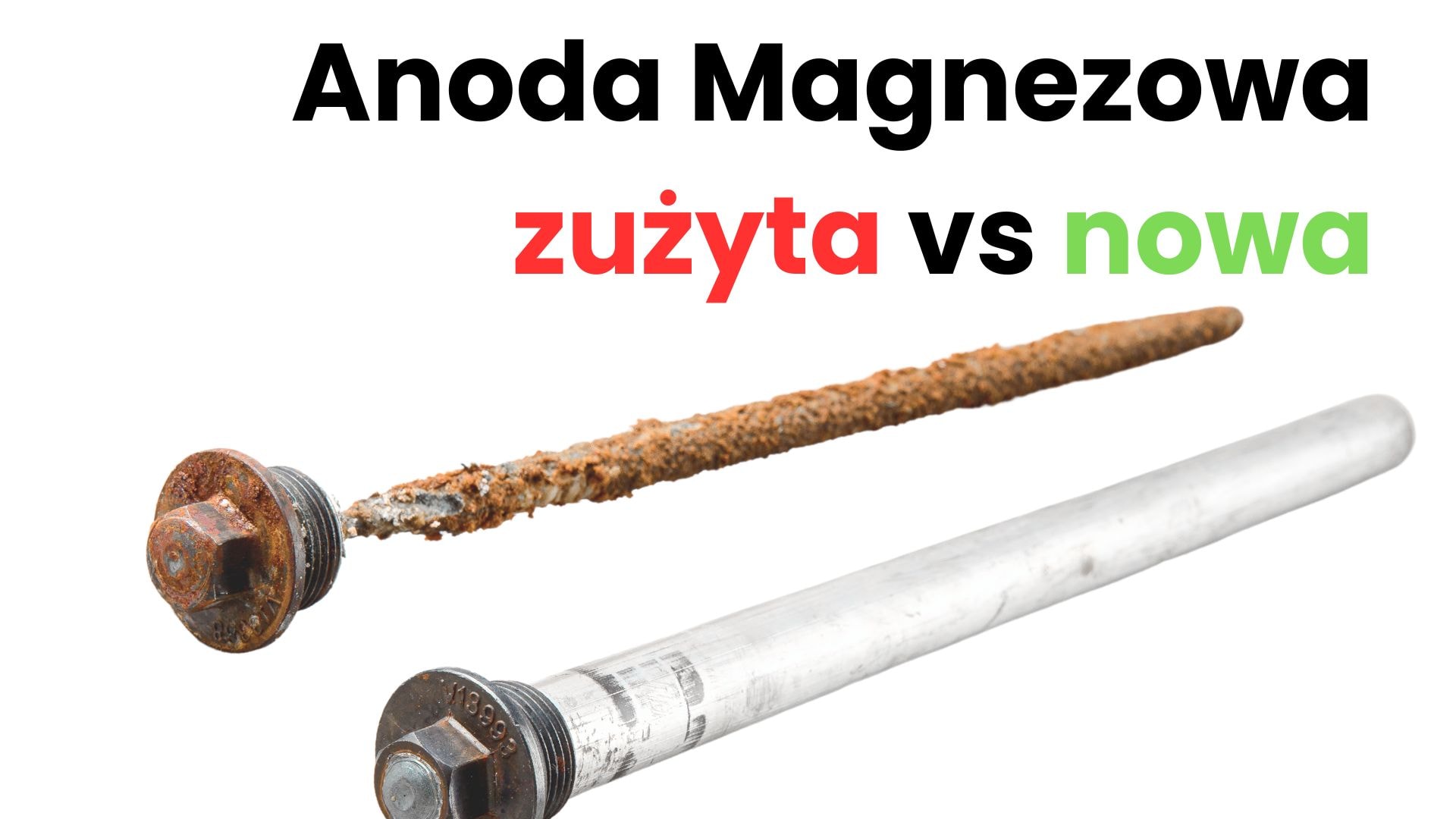
Magnesium anodes are the most popular type of anodes used inboilers. They are made of a special magnesium alloy that precipitates electrons, thus protecting the tank from corrosion. The magnesium anode in the boiler acts as a sacrificial element, dedicating itself to protect other metal parts of the device.
Advantages of the magnesium anode:
- Effective corrosion protection by precipitating electrons.
- Easyinstallation using a special thread.
- Low purchase cost compared to other types of anodes.
Disadvantages of magnesium anode:
- Need for regular replacement, usually every 12-18 months.
- Wearing out of the anode, which can lead tosediment accumulation in the tank.
Titanium anode
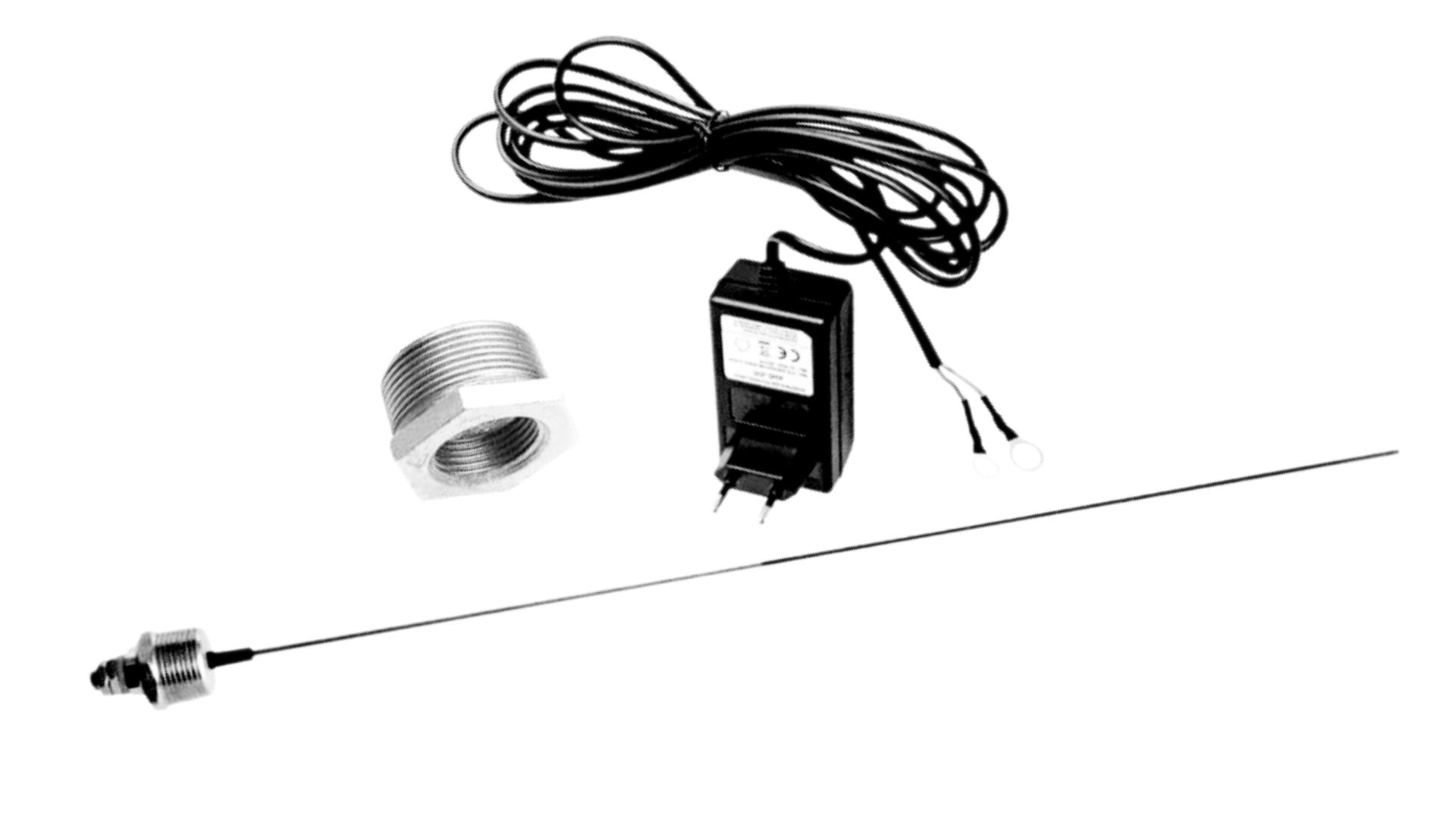
Titanium anodes are a more modern solution in the field of corrosion protection. They are made of titanium and operate in conjunction with an electric power supply. In electrochemistry, titanium anodes play an active role, counteracting corrosion without material wear.
Advantages of the anodetitanium:
Worth remembering: Disadvantages of magnesium anodes:.
- Long-lasting operation without the need for replacement.
- No deposits in the tank, which keeps it clean.
- High efficiency in corrosion protection.
Disadvantages of titanium anodes:
- Higher initial cost compared to magnesium anodes.
- Need to connect to a power source, creating an electrolytic cell with a cathode.
Chain anodes
Chain anodes are a special type of anodesused in large tanks and industrial installations. They consist of several anode segments connected in a chain, which increases the protective surface.
Advantages of the chain anode:
- Large protective surface, which increases the effectiveness of operation.
- Possibility to adjust the length to the size of the tank.
- Effective protection in aggressive environments.
Disadvantages of chain anodes:
- More difficult installation compared to single anodes.
- Higher cost due to the larger amount of material.
Chain anodes operate onthe same principle as other anodes. Water in the tank acts as an electrolyte, and the anode becomes a sacrificial anode, protecting the cathode (the tank) from corrosion.
Anode replacement in the boiler - reasons and benefits
Regular replacement of the magnesium anode is crucial for maintaining effective protection of the tank. The main reason for the need for replacement is the wear of the anode, which corrodes in place of the protected tank. The magnesium anode should be replacedoccurs every 12-18 months, depending on the hardness and aggressiveness of the water.
What are the advantages of replacing a magnesium anode with a titanium one?
- Longer lifespan of the titanium anode eliminates the need for frequent replacement.
- No deposits on the surface of the titanium anode prevent contamination.water.
- Stable protection regardless of the boiler's operating mode.
Titanium anode for the boiler does not need to be replaced as often as a magnesium anode. Usually, it lasts for the entire lifespan of the device, which translates into savings in time and money.
Does softened water smell? Change the anode!
Have you noticed that the water from the softenersmells? This may be caused by a reaction with the magnesium anode. Softened water increases the aggressiveness of the water, which can lead to the deposition of bacteria on the anode. Heated water promotes the growth of microorganisms, which can cause an unpleasant odor.
What can you do?
- Replace the magnesium anode with a titanium one, which does not react with softenedwith water.
- Install a UV lamp to eliminate bacteria throughout the system.
- Regularly service the boiler to ensure its proper operation.
Remember that the titanium anode does not release electrons in the same way as the magnesium one, which minimizes the risk of unpleasant odors.

Frequently Asked Questions About Anodes
Anodes are a key element in protecting the tank from corrosion, but questions often arise regarding their function and replacement. Below, we answer the most frequently asked questions to clear up any doubts.
Does a titanium anode kill bacteria?
A titanium anode does not kill bacteria; its main purpose is to protect the tank from corrosion.Acts as an electrode in the system, where the flow of electrons prevents corrosion processes. If you are concerned about eliminating bacteria, it is worth considering the installation of a UV lamp, which effectively removes microorganisms from the water throughout the system.
What will happen if I do not replace the magnesium anode?
Failure to replace the magnesium anode can lead to serious problems:
- Corrosionthe tank – without anode protection, the tank becomes susceptible to corrosion.
- Shortening the lifespan of the boiler – corrosion is the main cause of failure in heating devices.
- Water leaks – a damaged tank can lead to leaks and flooding of the room.
Replacing the anode is a simple way to avoidcostly repairs and extending the device's lifespan.
Does the anode need to be connected to power?
The magnesium anode does not require a power connection – it operates on the principle of the potential difference between the anode and cathode. However, the titanium anode requires electrical power. This necessitates connecting to the appropriate model of power supply or battery to ensure current flow.essential for cathodic protection.
Magnesium anodes and titanium anodes - summary
Anodes play a key role in protecting boilers from corrosion. The main task of the anode is to secure the tank, which translates to longer and trouble-free operation of the device. The choice between a magnesium anode and a titanium anode depends on individual needs and operating conditions.
It is worthAnodes play a key role in protecting boilers from corrosion. Summary of the advantages of anodes: Magnesium anodes – low cost, easy availability, require regular replacement. Titanium anodes – long-lasting protection, no need for replacement, higher cost.initial.Remember that the surface creates an electrochemical cell, where the anode serves as a sacrificial element, protecting the metal tank from corrosion. Regular inspection and replacement of the anode is an investment in the safety and longevity of your boiler.
If you have any additional questions or need professional advice, do not hesitate to consult with us!
Frequently Asked Questions (FAQ)
How often should the magnesium anode be replaced?
It is recommended to replace the magnesium anode every 12-18 months, depending on the hardness and aggressiveness of the water.
Is a titanium anode better than a magnesium one?
The titanium anode has a longer lifespan and does not require frequent replacement, making it moreeconomic in the long term.
What are the symptoms of a worn anode?
Symptoms of a worn anode may include an unpleasant smell in the water, sediment in the tank, and corrosion on the metal parts of the boiler.
Can I replace the anode myself?
Yes, replacing the anode is relatively simple, but it is recommended to seek the help of a specialist to avoid mistakes.
Are anodes available in different sizes?
Yes, anodes come in various sizes, allowing them to be matched to different boiler models.
What are the costs of replacing an anode?
The cost of replacing an anode depends on its type and labor costs, but it is usually not a high expense compared to the costs of repairing a damaged boiler.
Author: Maciej Waliduda — a water treatment specialist with many years of experience in the industry. He assists in selecting appropriate solutions for corrosion protection in water systems.
