
- There are no more items in your cart
- Shipping
- Total 0.00 zł



What is water ozonation? Water ozonators for ozonated water
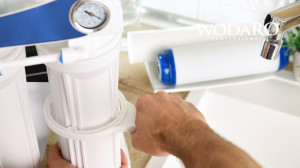
Have you ever wondered how ozonated water can affect your health and quality of life? Ozonation of water is a modern disinfection method that is gaining increasing popularity both in homes and in industry. It is used not only for drinking water treatment but also for ozonating food, which allows for the removal of harmful microorganisms and extends the freshness of products.
Lastupdate: August 25, 2025
In this article you will learn…
- What is Water Ozonation?
- How do water ozonators work?
- What is ozonated water - advantages and disadvantages of ozonation?
- What arethe advantages of ozonation of water?
- What are the disadvantages of ozonation of water?
- What is a water ozonator and ozone generators - applications?
- What does ozonation of pool water involve?
- What does ozonation of drinking water involve?
- What doesWhat does ozonation of water in an aquarium involve?
- What are water softeners regenerated with ozone?
- What does ozonation of water in jacuzzis and hot tubs involve?
- How to ozonate drinking water?
Ozonation of water - what is it?
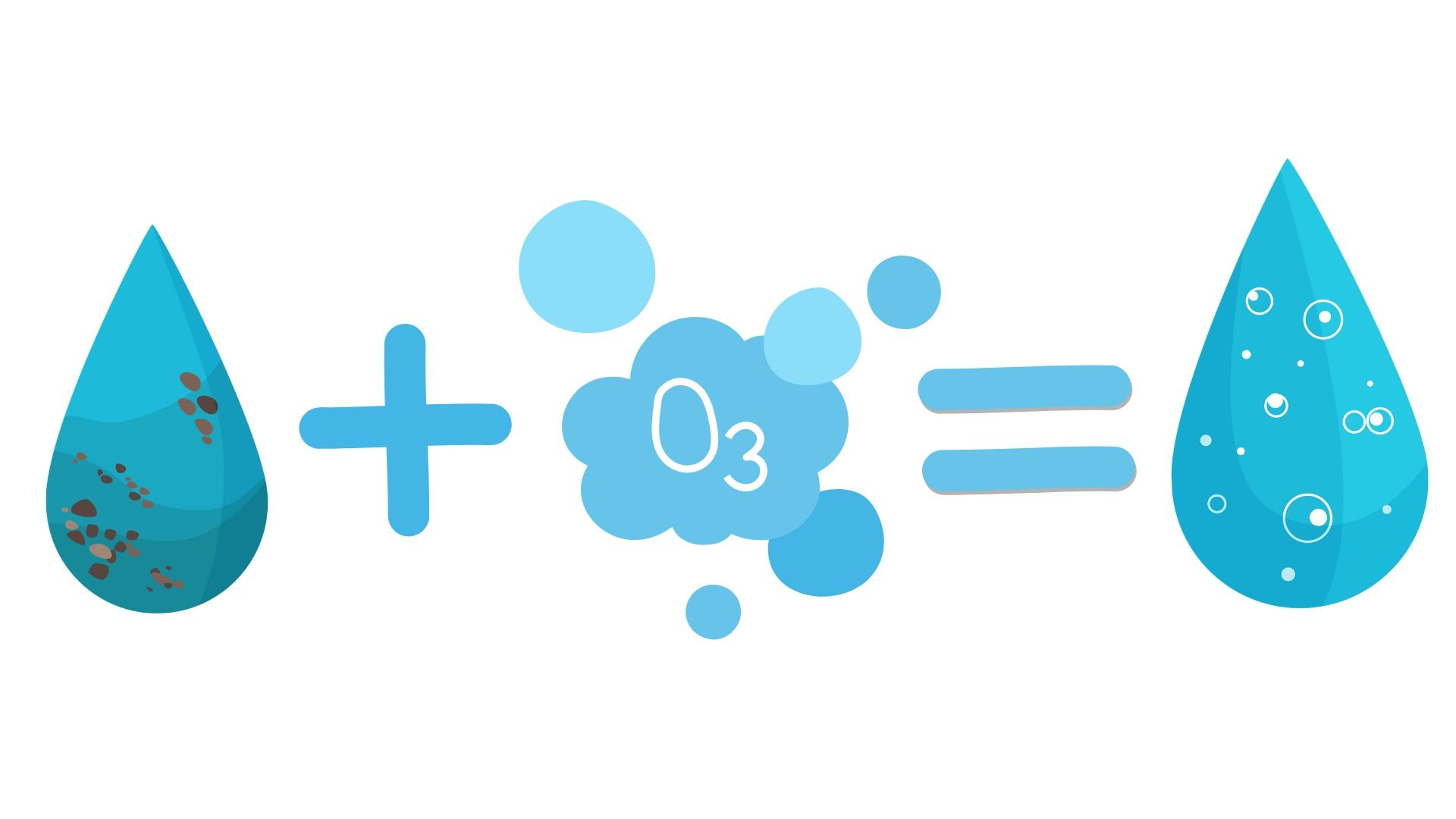
Ozonationwater is a disinfection process that involves introducing ozone into the water to eliminate microorganisms and contaminants. But what does water ozonation involve at the chemical level? Ozone, or the triatomic molecule of oxygen (O₃), is a strong oxidizer. When ozone oxidizes harmful substances and microorganisms present in the water, their destruction or neutralization occurs. This process is often used in water supply systems as an effective method of treating drinking water. InIn practice, ozonation occurs by passing dry air or pure oxygen under pressure through an ozone-generating device, and then introducing it into the water stream. This is a much gentler option for disinfecting water than the popular chlorine or sodium hypochlorite.
How do water ozonators work?
Water ozonators, also known as water ozonators or ozone generators, are devices used toozonated water production. They operate on the principle of corona discharges or photolysis, where oxygen molecules are broken down into individual atoms, which then combine to form a triatomic ozone molecule. The generated ozone is introduced into the water, where the ozonation process begins. Ozone oxidizes a range of harmful substances, such as organic compounds or pesticides, eliminating bacteria and other microorganisms. This method of producing ozonated water results in clean and safewater for various applications.
Ozonated water - advantages and disadvantages of ozonation
Ozonation of water is a method that is gaining popularity due to its numerous advantages, but like everything, it also has some disadvantages. Let's take a closer look at the benefits and limitations associated with using ozonated water.
Advantages of ozonating water
- Effectivedisinfection: Ozonation of tap water eliminates most bacteria, viruses, microorganisms, pathogens, and fungi, ensuring safe drinking water.
- Strong oxidizing properties: Ozone dissolves excellently in water, allowing for effective oxidation of contaminants even at low ozone concentrations.
- No chemical residues: After the processozonation, ozone decomposes into oxygen, leaving no harmful by-products.
- Improvement of taste and smell: Removes unpleasant tastes and odors associated with the presence of chlorine or other substances.
- Ozonated water medicinal properties: Ozonated water can support healing processes by improving tissue perfusion and exhibiting antibacterial effects.
- Eco-friendliness: The ozonation system does not introduce additional chemicals into the environment.
Disadvantages of water ozonation
- Installation and operating costs: Ozonation systems can be more expensive compared to traditional water treatment methods.
- Lack of lasting effectdisinfection: Ozone water does not have long-lasting disinfection properties, which means that recontamination may occur after the ozonation process is completed.
- On-site ozone generation: Ozone must be generated directly at the point of use, as it is an unstable gas.
- Possibility of harmful by-products formation: In the reactionozone with certain pollutants can create undesirable substances.
- Specific smell: Ozone has a characteristic, sharp smell that can be unpleasant for some people.
Water ozonators and ozone generators - applications
Water ozonators and ozone generators have a wide range of applications in various fields of life and industry. Thanks tothe unique properties of ozone, these devices are used not only for water treatment but also in disinfection and purification processes. Let's take a look at the most popular applications of the ozone generator.
Ozonation of pool water
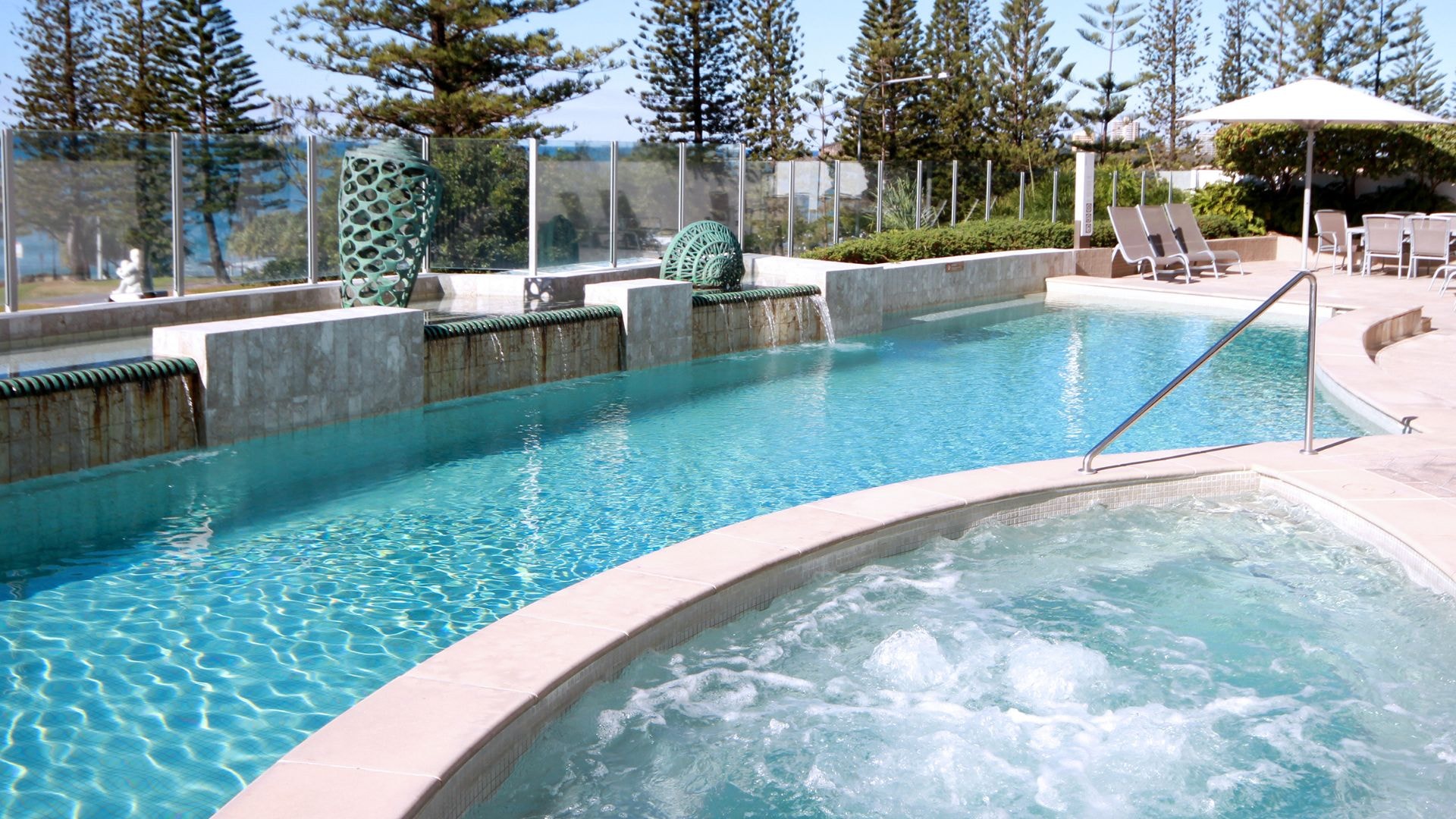
Ozonation of pool water is an alternative to traditional chlorination. A pool with ozonated water offers cleaner and healthier water, free from the typical smell of chlorine. Ozone effectively eliminates bacteria andmicroorganisms, improving water quality and bathing comfort. Additionally, the use of ozone reduces the amount of chemicals in the pool, which is beneficial for people with sensitive skin.
Ozonation of drinking water
Ozonation of drinking water at home is a way to improve its quality by eliminating harmful microorganisms and contaminants. In home conditions, a water ozonator can be used to treat tap water, making itsafer for consumption. However, it is worth remembering that ozonation does not remove all types of contaminants, such as heavy metals or chemical compounds. Therefore, the best drinking water is obtained from reverse osmosis, which provides the most effective filtration.
It is worth remembering: Ozonation of water is an effective method for eliminating contaminants and microorganisms.
Ozonation of water in the aquarium
Ozonation of water in the aquarium can contribute to improving the quality of the environment for fish and plants. Ozone oxidizes harmful chemical compounds, such as ammonia and nitrites, reducing their concentration in the water. Additionally, it eliminates pathogens and algae, leading to clearer and healthier water. However, ozonation should be used with caution, as excessive ozone concentration can be harmful to the inhabitants.aquarium. To improve the water in the aquarium, it is also worth equipping yourself with aquarium filter.
Ozone regenerated water softeners
Ozone regenerated water softeners are an innovative solution that replaces the traditional use of salt. Instead of salt, ozone is used to regenerate the softening resin, which eliminates the problem of salty water discharge into the sewage system.Thanks to this, the system is somewhat more eco-friendly and economical. Moreover, the absence of salt in the process means less maintenance.
Ozonation of water in jacuzzis and hot tubs
Ozonators are also used in jacuzzis and hot tubs. Their usefulness lies in maintaining water cleanliness without the need for strong chemicals. Ozone eliminates bacteria and microorganisms, ensuring hygienic conditions and extending lifespan. urządzeń. Dodatkowo, ozonowanie pomaga w redukcji osadów i kamienia, co ułatwia konserwację sprzętu.
Jak ozonować wodę do picia?
Ozonowanie wody do picia w warunkach domowych jest procesem prostym i bezpiecznym, jeśli przestrzega się odpowiednich kroków. Oto, jak ozonować bieżącą wodą w kilku prostych etapach.
- Przygotuj ozonator do wody: Make sure the device is clean and functional.
- Fill the container with water: Use a glass or ceramic container and fill it with running tap water.
- Start the ozonator: Insert the ozonator's tip into the container with water.
- Ozone the water: Turn on the device and ozone the water for the recommendedthe process usually takes 5 to 15 minutes, depending on the volume of water.
- Wait: After the process is complete, wait an hour for the ozone to break down into oxygen.
- Drink the water: The water is now ready to drink.
However, remember that ozonation does not remove all contaminants, such as heavy metals or pesticides. Thereforethe best drinking water is obtained from reverse osmosis, which provides the highest level of filtration.
Ozonated water - how often should you drink it?
Ozonated water can be consumed daily, but in moderation. It is recommended to drink 1-2 glasses a day, preferably on an empty stomach or between meals. Remember that ozonated water is fresh only for a short time after ozonation, soit should be consumed about an hour after preparation. Regularly drinking such water can support the immune system and improve overall health.
Frequently Asked Questions about Water Ozonation
Water ozonation raises many questions and doubts. Below we present answers to the most frequently asked questions to clarify any uncertainties.
Frequently askedFAQ
Is a pool with ozonated water safe?
Yes, a pool with ozonated water is safe for users. Ozone effectively disinfects the water, eliminating bacteria and viruses without the use of harmful chemicals. In residential pools, ozonation is particularly recommended as it reduces the need for chlorine, which can irritate the skin and eyes. However, it is important that the ozonation system is properlyinstalled and maintained.
How long does ozone stay in water?
Ozone in water is an unstable gas and decomposes quickly. Typically, ozone remains in water for about 30-50 minutes. This time can be shorter or longer depending on the temperature, pH of the water, and the presence of contaminants that may accelerate its oxidation. Therefore, ozonated water should be consumed or used safely within an hour after the process.ozonation.
Does ozone kill bacteria such as Salmonella and others?
Yes, ozone is one of the strongest known oxidizers and effectively eliminates many types of bacteria, including Salmonella, E. coli, and other pathogens. It works by oxidizing the cell walls of microorganisms, leading to their destruction. This makes ozonation an effective method for disinfecting water and surfaces.
It's worth remembering: Water ozonators are key in the process of water treatment and disinfection.
How does ozone work outside of water?
Gaseous ozone is used not only for water disinfection but also in the air. Thanks to its strong oxidizing properties, ozone effectively neutralizes odors, allergens, and pollutants in indoor spaces. It removes cigarette smoke from the room, eliminates mold, dust mites, anddisinfects air conditioning and ventilation. Ozone treatment of rooms is used in hotels, hospitals, and also in home conditions to improve air quality.
Ozone treatment of water - summary and final conclusions
Ozone treatment of water is an advanced and effective disinfection method that is used in many fields, from drinking water treatment to cleaning pools and jacuzzis. Thanks to its strong propertiesoxidizing, ozone eliminates harmful microorganisms and pollutants, improving the quality of water and air.
However, like any technology, ozonation has its drawbacks and limitations. It requires appropriate equipment and knowledge, and its effectiveness depends on many factors, such as ozone concentration and contact time with water.
For those seeking the purest drinking water, it is worth considering reverse osmosis systems.osmosis, which, when combined with ozonation, can ensure the highest level of water quality.
Author: Maciej Waliduda — a water treatment specialist with many years of experience in the industry. He assists in selecting appropriate solutions for individual and industrial clients.
