
- There are no more items in your cart
- Shipping
- Total 0.00 zł



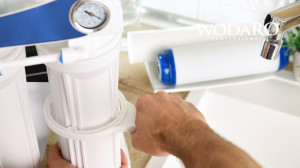
Ammonium ion, also known as ammonium cation, is an essential chemical component that plays a key role in the nitrogen cycle. Its presence in water can have serious consequences for both human health and aquatic ecosystems. In the face of increasing water pollution, understanding the properties and removal methods of ammonium ion becomes crucial for ensuring drinking water quality and protecting the environment.
Lastupdate: August 25, 2025
In this article you will learn…
Ammonium ion – key information
The ammonium ion is a cation with the formula NH₄⁺, which is formed by the protonation of ammonia (NH₃). This process involves the attachment of a hydrogen ion to the ammonia molecule. The ammonium ion is one of the basic forms of nitrogen in the aquatic environment, playing a significant role in the nitrogen cycle. Under natural conditions, it exists in various chemical forms, such as ammonia, nitrites (NO₂⁻), and nitrates (NO₃⁻). It is easily assimilated by plants and microorganisms, making it a key element in aquatic ecosystems.
Key thought: Ammonium ion is not only an important chemical component but also an indicator of water quality.
The presence of ammonium ion in water
Ammonium ion occurs in natural waters, as well as in municipal and industrial wastewater. Sources of its presence include:
- decomposition of organic matter,
- agricultural activities,
- wastewater from the chemical industry,
- biological processes in ecosystemsNatural concentrations of ammonium ions in surface waters can vary, but are usually low, except in standing waters where accumulation may occur. High concentrations of ammonium ions can be toxic to aquatic organisms and lead to oxidative stress and eutrophication, negatively impacting water quality and ecosystem health. Key thought: HighAmmonium ion concentrations in water can lead to serious ecological problems.
Ammonium ion in water – removal
Removal of ammonium ion from water is a key process in wastewater treatment plants and drinking water treatment systems. There are several effective methods, including:
Removal of ammonium ion using physical methods
Physical methods, such as ion exchange and adsorption, are commonly used. Ion exchange involves the use of ion-exchange resins that swap ammonium ions for other ions, such as sodium (Na⁺) or potassium (K⁺). Adsorption, on the other hand, involves attracting the ammonium ion and retaining it on the surface of an adsorbent material, such as activated carbon or zeolite.
Chemical methods for removing ammonium ion
Chemical methods include chemical precipitation and oxidation processes. Precipitation involves adding reagents that react with the ammonium ion, forming insoluble compounds. Oxidation processes, such as chlorination or ozonation, oxidize the ammonium ion to less harmful forms of nitrogen, such as nitrates.
Effective removal of ammonium ion by biological methods
Biological methodswe include nitrification and denitrification. Nitrification is the process in which bacteria oxidize ammonium ions to nitrites and then to nitrates. Denitrification involves the reduction of nitrates to gaseous nitrogen (N₂), which is released into the atmosphere.
Ammonium ion in water – summary
The ammonium ion is an essential chemical component that occurs in both natural bodies of water and in wastewater. Itsthe presence can affect water quality and the health of ecosystems. Effective removal of ammonium ions from water is crucial for protecting human health and maintaining ecological balance.
Frequently Asked Questions (FAQ)
What are the effects of high ammonium ion concentration in water?
High concentrations of ammonium ions can be toxic to aquatic organisms, leading toof oxygen stress and eutrophication.
What are the methods for removing ammonium ions from water?
Methods for removing ammonium ions include physical, chemical, and biological methods such as ion exchange, adsorption, chemical precipitation, and nitrification.
What is nitrification?
Nitrification is a biological process in which bacteria oxidize ammonium ions to nitrites, and then to nitrates.
What are the natural sources of ammonium ion in water?
Natural sources of ammonium ion include the decomposition of organic matter, agricultural activities, and biological processes in aquatic ecosystems.
Why is it important to monitor the concentration of ammonium ion in water?
Monitoring the concentration of ammonium ion is crucial for assessing the quality of drinking water.and the protection of human health and ecosystems.
What are the permissible concentrations of ammonium ion in drinking water?
The permissible concentration of ammonium ion in drinking water is 0.5 mg NH4+/l, which is regulated by law.
Author: Maciej Waliduda — a specialist in water quality and environmental protection,with experience in water pollution research.
