- There are no more items in your cart
- Shipping
- Total 0.00 zł



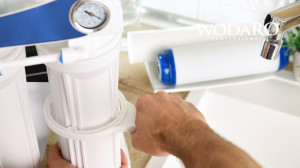
Water is an essential resource for life, but its quality can change, affecting the safety of its consumption. In this article, we will discuss whether water can go bad, what factors influence its contamination, and how to store it properly to maintain its properties. You will also learn about the potential hazards associated with bottled and distilled water, as well as how long it can be stored under different conditions.
Last updated: August 26, 2025
In this article you will learn…
Does water spoil?
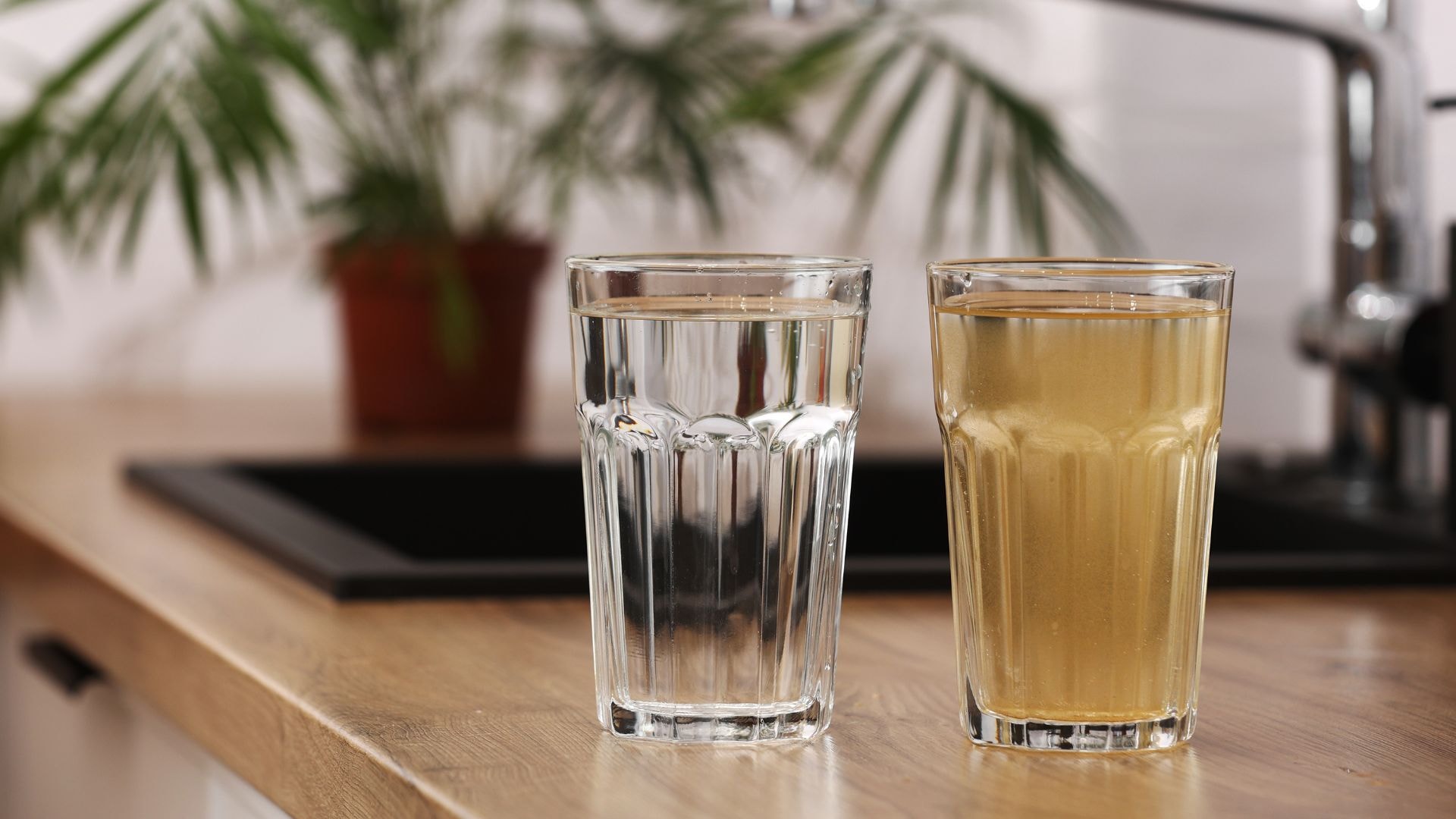
Water spoilage is a term that encompasses various physical, chemical, and biological changes that can make it unsuitable for consumption. However, it should be noted that this statement is not entirely precise. Water itself does not spoil in the traditional sense, like food does,which decomposes. However, it can become contaminated by various factors, leading to a deterioration in its quality.
Water can be contaminated by:
It is worth remembering: Water pollution can lead to serious health problems, so it is important to regularly monitor its quality.
- microorganisms (bacteria, viruses, algae),
- chemical compounds (pesticides, heavy metals),
- organic substances (e.g., plant residues).
Can bottled water go bad?
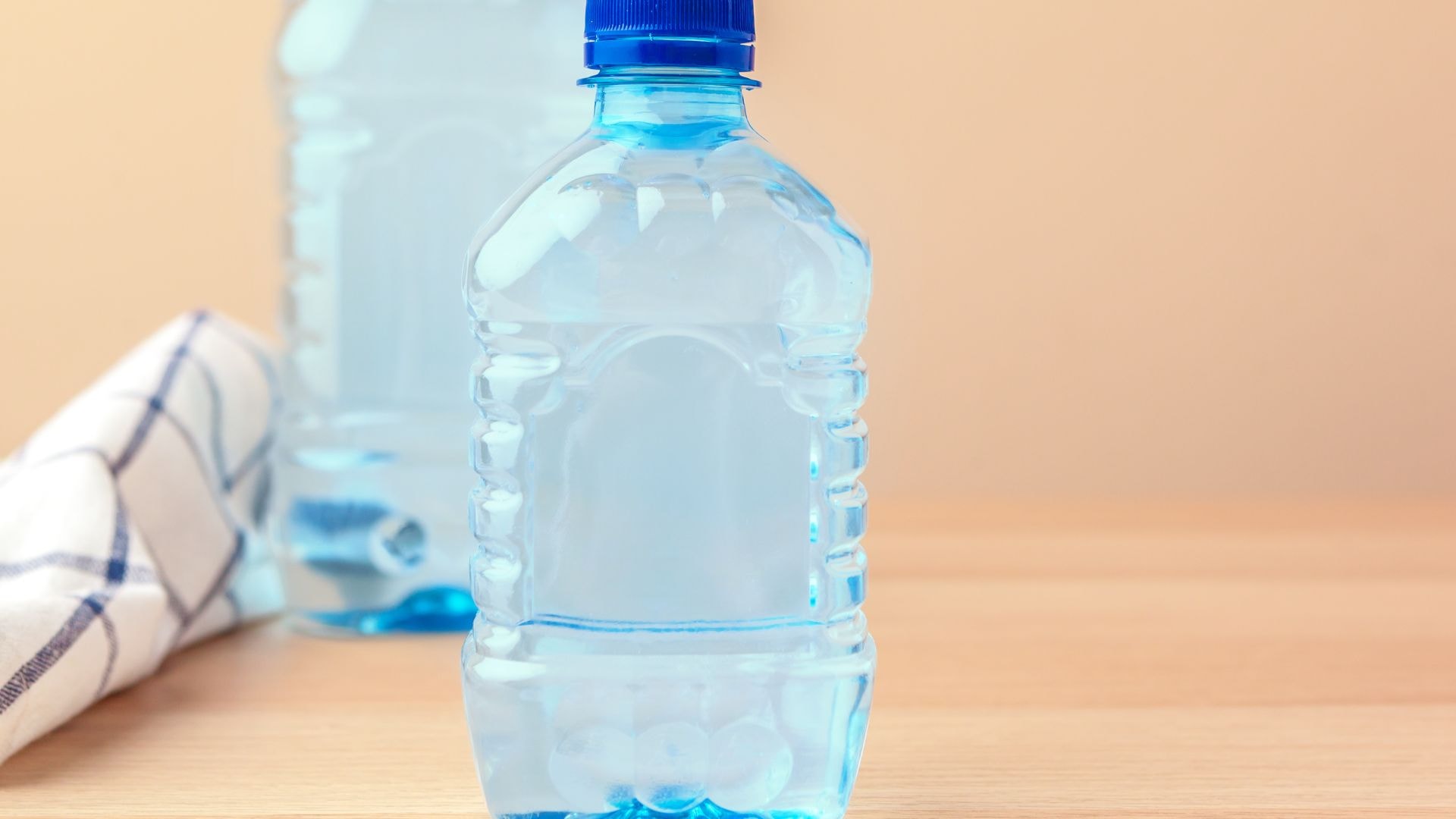
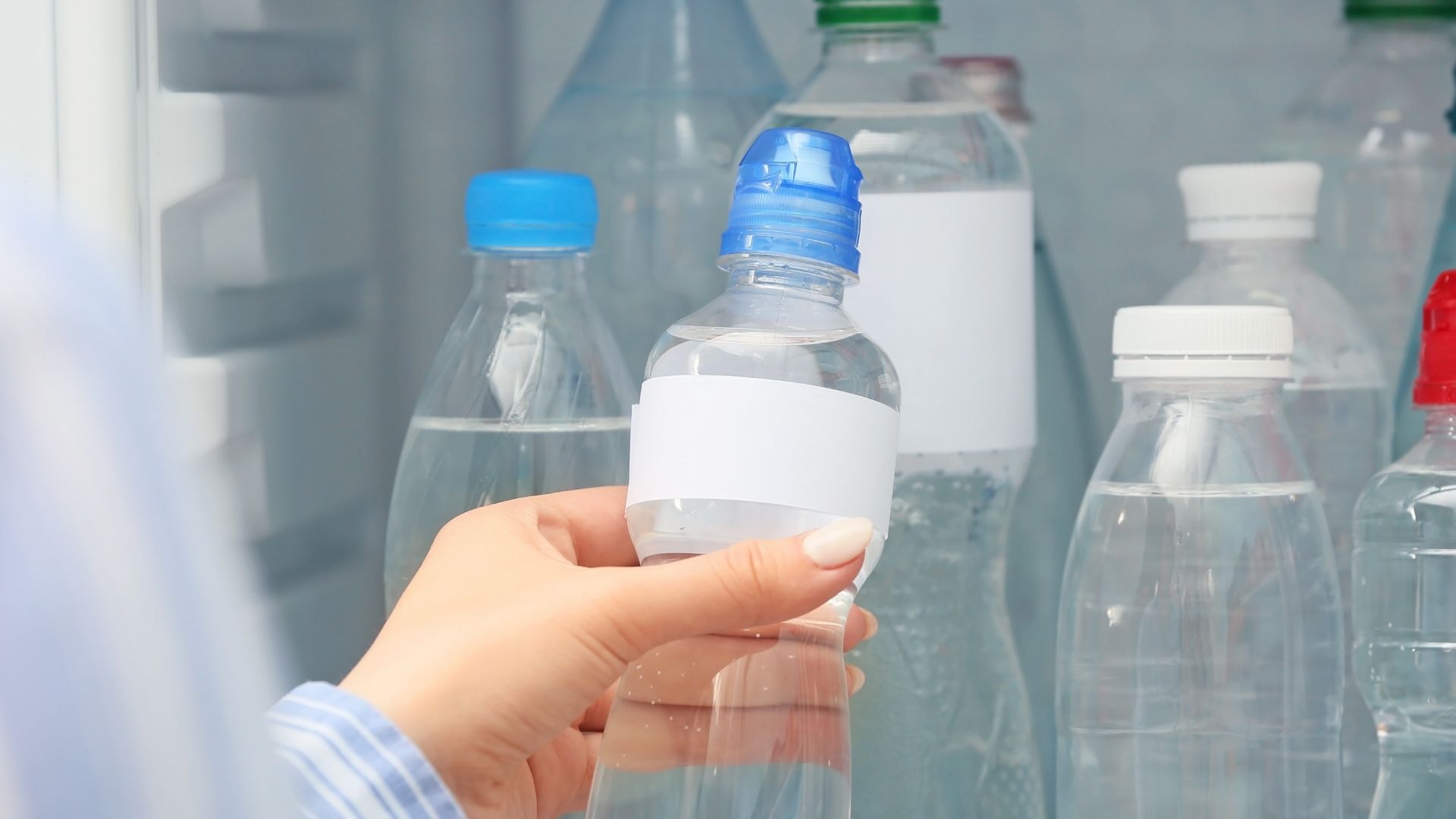
Bottled water is widely regarded as a safe and convenient alternative to tap water. However, it can still become contaminated, and as a result, unsuitable forof consumption.
One of the main issues related to bottled water is the potential migration of chemicals from plastic into the water. Studies have shown that plastic bottles, most commonly made from polyethylene terephthalate, can release substances such as bisphenol A (BPA) and phthalates, which are potentially harmful to health. This process can be accelerated by high temperatures, whichmeans that bottles exposed to sunlight or stored in warm places are more susceptible to contamination.
Another threat is the possibility of microorganism growth in bottles, especially after they are opened. Even if bottled water is initially free from microbiological contaminants, after the cap is removed and it comes into contact with air, it can become contaminated with microorganisms. Therefore, when we have an open bottle, we shouldStore in the refrigerator and consume within a few days.
Does distilled water go bad?
Distilled water is one of the purest forms of water, as the distillation process removes almost all impurities, both chemical and biological. Despite this, it can also become contaminated, especially if stored improperly.
It's worth remembering: Water in a bottle should be consumed within a few days after opening to avoid microbiological contamination.
One of the main threats to distilled water is its contact with air. Distilled liquid is very pure and has the ability to absorb carbon dioxide from the air, which can lead to a decrease in its pH and make it more acidic. Additionally, contact with air promotes the infiltration ofmicroorganisms and chemical contaminants.
Storing distilled water in inappropriate conditions, e.g., in containers that are not tightly sealed, can lead to its "spoiling." It is important to store it in airtight containers, preferably made of materials that do not react with water, such as glass or stainless steel.
How long and where to store water?
The shelf life of water depends on many factors, including its type, how it is stored, and environmental conditions. Bottled water, if stored properly, can be safe to consume for several months or even years, as long as the bottle remains unopened (unlike food products, the expiration date is not indicated on the packaging of mineral water). However, once opened, it should be consumed within a few days.
It's worth remembering: Distilled water should be stored in airtight containers to maintain its quality for a longer time.
The same applies to distilled water. The key issue is the conditions in which it is stored. If we ensure an airtight container made of suitable material (e.g., glass), we can be confident about its quality for a long time. It is also advisable to avoid storing water in places exposed to high temperatures.temperature, which can accelerate the degradation process.
Preventing water spoilage – summary
In summary, water spoilage is a colloquial term that refers to physical, chemical, and biological processes that affect its quality deterioration. However, if we follow a few basic rules regarding its storage, we can be assured of our safety.Regularly checking water quality and appropriate storage conditions are crucial for maintaining its properties.
Frequently Asked Questions (FAQ)
What are the main threats to water quality?
The main threats are contamination by microorganisms, chemicals, and organic substances.
How long can water be stored?bottled?
Bottled water can be safe for several months, and after opening, it should be consumed within a few days.
Can distilled water go bad?
Yes, distilled water can become contaminated if not stored properly.
What materials are best for storing water?
The best materials are, which do not react with water, such as glass or stainless steel.
Is water in a plastic bottle safe?
Water in a plastic bottle can be safe, but it's best to avoid high temperatures that may cause the migration of chemicals.
What are the symptoms of water contamination?
Symptoms may include an unpleasant odor, changed color, or sediment inwater.
Author: Maciej Waliduda — an expert in water quality and treatment technology. He has many years of experience in the industry, focusing on the research and improvement of drinking water quality.
