
- There are no more items in your cart
- Shipping
- Total 0.00 zł



How to water the garden in summer?
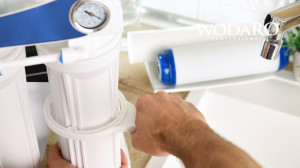
In summer, faced with high temperatures and intense sunlight, proper garden irrigation becomes a key element in ensuring plant health. Choosing the right irrigation system and effective water filtration are essential for plants to survive and thrive. In this article, you will learn about the most effective irrigation methods, how to choose the right systems, and the benefits of using water filters.
Last updated: August 26, 2025
In this article, you will learn…
- Why is watering plants in summer important?
- What is the choice of irrigation system?
- What are traditional methodsirrigation?
- What are drip irrigation systems?
- What are sustainable garden irrigation practices?
- What are the benefits of using water filters in the garden?
- What does garden irrigation in summer involve – summary?
Why is watering plants in summer important?
During the summer months, plants consume more water due to higher temperatures and increased evaporation. Regular watering is therefore essential to maintain soil moisture and prevent plants from drying out.
When plants do not receive an adequate amount of water regularly, they can experience so-called water stress, whichresulting in improper growth or its complete cessation. Symptoms of this physiological reaction include wilted leaves and reduced resistance to diseases and pests.
It's worth remembering: Regular watering is crucial for plant health during the summer months.
It's important to remember that the amount and frequency of watering depend on the type of soil and climatic conditions. However, having a garden, it is essential tohaving knowledge about the specific needs of plants, which allows for optimal irrigation.
Selection of an irrigation system
Traditional irrigation methods
One of the simplest ways to irrigate a garden is manual watering using a garden hose or watering can. Although this method is time-consuming, it allows for precise water delivery.to the roots of plants. This is particularly useful in small gardens or for potted plants.
Another traditional method is the use of garden sprinklers. These devices are easy to use and can irrigate large areas simultaneously, such as large patches of grass. However, it is worth remembering that sprinklers can contribute to water waste through evaporation and spraying onto surfaces that do not need watering at the moment.
Drip irrigation systems
Drip irrigation systems are among the most efficient and economical solutions. Their operation involves delivering water directly to the roots of plants through a network of pipes and drip emitters. This method minimizes water loss associated with evaporation and spraying, and ensures even and precise irrigation of plants.
It's worth remembering: Hand watering provides precision but is time-consuming.
Drip irrigation is particularly useful in vegetable gardens, flower beds, and greenhouses. Its additional advantage is the ability to automate the irrigation process by precisely controlling the amount of water delivered and adjusting it to the needs of different plants.
Sustainable practicesirrigating the garden
When discussing alternative irrigation methods, it is worth mentioning primarily the use of rainwater and mulching. The first method involves collecting rainwater for later watering, while the second consists of covering the soil around plants with a layer of organic materials, such as tree bark, straw, or leaves, to retain moisture by reducing evaporation.
Advantages of using water filters in the garden
Moreover, it is also worth using water filters in the garden. Their use in irrigation systems has many advantages. First of all, filtered water is free from contaminants that can negatively affect plant health. Water free from sediments and chemicals is more easily absorbed by them, which translates into better growth and fasterdevelopment.
It's worth remembering: Mulching helps retain moisture in the soil.
Water filters also help protect irrigation systems from clogging and damage caused by contaminants. Using them in the garden extends the lifespan of pipes, sprinklers, and drip emitters, while simultaneously reducing maintenance and repair costs.
Garden Irrigation in Summer – Summary
Irrigating the garden in summer requires proper planning and the use of effective irrigation and water filtration systems. Choosing the right solutions ensures optimal conditions for plants, affecting their proper growth and development.
Frequently Asked Questions (FAQ)
Howwatering plants in summer?
The frequency of watering depends on the type of plants and weather conditions, but it is generally recommended to water every 2-3 days.
What are the best methods for watering a garden?
The best methods are drip irrigation and sprinklers, which allow for efficient water delivery.
Can rainwater be used forIrrigation?
Yes, rainwater is an excellent source of irrigation because it is natural and often contains fewer pollutants.
Which plants tolerate drought best?
Succulent plants, lavender, and many herbs are well adapted to dry conditions.
What are the best water filters for the garden?
The best are filterscarbon and ceramic, which effectively remove impurities.
What are the benefits of irrigation automation?
Automation allows for water savings and ensures regular watering, which is beneficial for plants.
Author: Maciej Waliduda — a specialist in irrigation and gardening, withwith many years of experience in the industry.
